John 16
Abware̱se̱ŋ Wo̱re̱-ɔ · Tap a verse to see its cross-references.
1Ne̱ Yeesuu a kya se̱ tɔwe̱ fe̱yɛ, “Mo̱ a tɔwe̱ amo̱‑ɔ gywii mo̱ne̱ ne̱e̱ a mo̱ne̱ ma nya kiŋŋi kamɛɛ. 2Ba gya mo̱ne̱ a bo̱ le̱e̱ bamo̱ ke̱bware̱ko̱re̱ akyaŋ‑nɔ. Saŋ ko̱ e̱ ba a ɔ bo̱ ba, ne̱ ɔke̱maa ne̱ ɔ mɔɔ mo̱ne̱‑ɔ e̱ fa fe̱yɛ, mò̱ a waa amo̱‑ɔ, ɔɔ waa ko̱tɔko̱ sa Wuribware̱ ne̱e̱. 3Ke̱tɔ se̱ ne̱ ba waa mo̱ne̱ amo̱‑ɔ e̱ gye̱ fe̱yɛ bo̱ mo̱ŋ nyi n se̱, ane̱ŋ dɛɛ ne̱ bo̱ mo̱ŋ nyi mo̱. 4Amaa mo̱ a tɔwe̱ amo̱‑ɔ gywii mo̱ne̱ ne̱e̱ a saŋ‑ɔ ya fo̱ fe̱yɛ bo̱ waa atɔ mɔ, na mo̱nꞌ nya nyiŋŋi si fe̱yɛ mo̱ a kyɔ tɔwe̱ gywii mo̱ne̱.”
Asuŋ ne̱ Wuribware̱ a kufwiiŋe timaa‑o e̱ waa‑ɔ
Ne̱ Yeesuu a kya se̱ tɔwe̱ fe̱yɛ, “Mo̱ a saŋ m bo̱ mo̱ne̱ ase̱‑ɔ se̱, ne̱ mo̱ŋ wuree tɔwe̱ ase̱ŋ mɔ gywii mo̱ne̱.
5To, mbe̱yɔmɔ mo̱ e̱ yɔ mò̱ ne̱ oo suŋ mo̱‑ɔ ase̱ ne̱e̱. Amaa mo̱ne̱ ko̱ gbaa mo̱ŋ taare̱ bise mo̱ fe̱yɛ, ‘Mfe̱ne̱ ne̱ fo̱ e̱ yɔ?’ 6Ne̱ mbe̱yɔmɔ fe̱raa ne̱ mo̱ a tɔwe̱ gywii mo̱ne̱‑ɔ, aa ko̱ŋ waa mo̱ne̱ e̱wɛɛ. 7Mo̱ i gyi mo̱ne̱ kase̱ŋtiŋ fe̱yɛ, mo̱ ya yɔ, a baare a a sa mo̱ne̱, a le̱e̱ fe̱yɛ, mo̱ e̱ mo̱ŋ yɔ, ɔkyarɔpo̱‑ɔ maa ba mo̱ne̱ ase̱. Amaa mo̱ ya yɔ fe̱raa, mo̱ e̱ ba mò̱ a m bo̱ kyo̱ŋwe̱ mo̱ne̱. 8Ne̱ mò̱ ya ba‑ɔ, ɔ kaapo̱ ase̱sɛ ne̱ bo̱ bo̱ kaye̱ mɔ‑rɔ‑ɔ fe̱yɛ bo̱ gye̱ abɔye̱waapo̱. Ne̱ ɔ kaapo̱ bamo̱ fe̱yɛ bo̱ be̱e̱ baa waa bɔye̱ fe̱yɛ baa po̱rɔ mo̱ fe̱yɛ mo̱ e̱ gye̱ ɔbɔye̱waapo̱. Ne̱ ɔ be̱e̱ ɔ kaapo̱ bamo̱ ɔko̱ ne̱ Wuribware̱ i bu ke̱pɔ‑ɔ, na ɔko̱ mɔ ne̱ o bu ke̱be̱ŋ‑ɔ. 9Ɔ kaapo̱ bamo̱ fe̱yɛ bamo̱ e̱ gye̱ ne̱ baa waa bɔye̱, a le̱e̱ fe̱yɛ bo̱ mo̱ŋ kɔɔre̱ mo̱ gyi. 10Ɔ be̱e̱ ɔ kaapo̱ bamo̱ fe̱yɛ bamo̱ mpo̱rɔ mo̱ŋ gye̱ kase̱ŋtiŋ, a le̱e̱ fe̱yɛ mo̱ ya le̱e̱ mfe̱e̱ ne̱ mo̱ne̱ e̱ mo̱ŋ lɛɛ ŋu mo̱, a kaapo̱ ne̱e̱ fe̱yɛ n se̱ Wuribware̱ ase̱ ne̱ mo̱ a yɔ. 11Ne̱ ɔ be̱e̱ ɔ kaapo̱ bamo̱ fe̱yɛ baa fo̱ kpa bo̱ le̱e̱ ɔko̱ ne̱ Wuribware̱ i bu ke̱pɔ‑ɔ, a le̱e̱ fe̱yɛ Ɔbɔnsam ne̱ ɔ saŋ o de bamo̱ mfɛɛre̱ se̱ ke̱yaale̱ŋ‑ɔ, ne̱ Wuribware̱ a kyɔ gyi mò̱ ase̱ŋ bu mò̱ ke̱pɔ.
12N de ase̱ŋ bwe̱e̱tɔ a n tɔwe̱ gywii mo̱ne̱, amaa mbe̱yɔmɔ amo̱ kunu e̱ waa mo̱ne̱ ase̱ ko̱kyɔ. 13Amaa Wuribware̱ a kufwiiŋe‑o fe̱raa, mò̱ a gye̱ kase̱ŋtiŋ wuye‑o si‑o, mò̱ ya ba, ɔ gye̱ mo̱ne̱ ŋkpɛɛ a mo̱nꞌ nu ke̱tɔ ke̱maa kaase̱. N gye̱ mò̱ fɔŋfɔŋ ke̱yaale̱ŋ se̱ ne̱ ɔ tɔwe̱ ase̱ŋ a o gywii mo̱ne̱. Amaa ɔ tɔwe̱ amo̱ ne̱ oo nu‑o ne̱e̱, na ɔ tɔwe̱ atɔ ne̱ a ba a a bo̱ ba‑ɔ. 14Ɔ sa mo̱ ke̱dabe̱, a le̱e̱ fe̱yɛ o nu mo̱ ase̱ŋ ne̱ n de‑o, na ɔ tɔwe̱ amo̱ gywii mo̱ne̱. 15Ase̱ŋ ne̱ n de‑o amo̱ dɛɛ ne̱ n se̱ mɔ de. Amo̱se̱ se̱ ne̱ mo̱ a tɔwe̱ fe̱yɛ Wuribware̱ a kufwiiŋe‑o i nu mo̱ ase̱ŋ ne̱ n de‑o, na ɔ tɔwe̱ gywii mo̱ne̱.”
E̱wɛɛ na kakatɔgyi
16Ne̱ Yeesuu a kya se̱ tɔwe̱ fe̱yɛ, “Amo̱ ya waa kafwe̱e̱, mo̱ne̱ maa lɛɛ ŋu mo̱ pɛɛɛ. Amaa a be̱e̱ bo̱ waa kafwe̱e̱‑ɔ, na mo̱nꞌ be̱e̱ ŋu mo̱, a le̱e̱ fe̱yɛ mo̱ e̱ kpa a ŋ yɔ n se̱ ase̱ ne̱e̱.”
17Ne̱ mò̱ agyase̱po̱‑ɔ bo̱ko̱ a bise bamo̱ wo̱re̱ wo̱re̱ fe̱yɛ, “E̱me̱ne̱ ne̱ amo̱‑ɔ kaase̱ e̱ kaapo̱‑ɔ ne̱e̱? Ɔ tɔwe̱ o gywii ane̱ fe̱yɛ, amo̱ ya waa kafwe̱e̱, ane̱ maa lɛɛ ŋu mò̱, amaa a be̱e̱ bo̱ waa kafwe̱e̱‑ɔ, ane̱ e̱ be̱e̱ ŋu mò̱. Ne̱ ɔɔ be̱e̱ tɔwe̱ fe̱yɛ, ‘a le̱e̱ fe̱yɛ mo̱ e̱ kpa a ŋ yɔ n se̱ ase̱ ne̱e̱.’ 18E̱me̱ne̱ ne̱ ‘a bo̱ waa kafwe̱e̱’ mɔ kaase̱ e̱ kaapo̱‑ɔ ne̱e̱? Ane̱ mo̱ŋ nyi ke̱tɔ ne̱ amo̱‑ɔ e̱ kaapo̱‑ɔ!”
19Yeesuu a pini fe̱yɛ ba kpa a bo̱ bise mò̱‑ɔ se̱‑ɔ, ne̱ ɔɔ tɔwe̱ gywii bamo̱ fe̱yɛ, “Ŋ yɛ ɛɛɛ, ‘Amo̱ ya waa kafwe̱e̱, mo̱ne̱ maa lɛɛ ŋu mo̱,’ ne̱ m be̱e̱ ŋ yɛ ɛɛɛ, ‘Amaa a be̱e̱ bo̱ waa kafwe̱e̱‑ɔ, na mo̱nꞌ be̱e̱ ŋu mo̱.’ Amo̱‑ɔ ne̱ mo̱ne̱ i bise abɛɛ aaa? 20Mo̱ i gyi mo̱ne̱ kase̱ŋtiŋ fe̱yɛ mo̱ne̱ i su akyukyu na imee, amaa kaye̱‑rɔ ase̱sɛ fe̱raa, a waa bamo̱ kakatɔgyi. A waa mo̱ne̱ e̱wɛɛ, amaa mo̱ne̱ e̱wɛɛ‑ɔ i kyurowi na i kii kakatɔgyi. 21Ɔkye̱e̱ e̱ kpa a ɔ ko̱we̱ kayaagyi, amɔ mò̱ ase̱ŋ a waa e̱wɛɛ, a le̱e̱ fe̱yɛ mò̱ awo̱re̱fɔɔ saŋ a fo̱. Amaa mò̱ ya ko̱we̱ kayaagyi‑o, amɔ ɔ taŋ mò̱ awo̱re̱fɔɔ se̱. Na mò̱ akatɔ gyi fe̱yɛ ɔɔ ko̱we̱ kayaagyi bo̱ waa kaye̱‑rɔ. 22Ane̱ŋ dɛɛ ne̱ a du mo̱ne̱ ase̱. Mbe̱yɔmɔ a maa waa mo̱ne̱ kɔne̱, amaa m be̱e̱ mo̱ i ŋu mo̱ne̱, na mo̱ne̱ akatɔ gyi kyo̱ŋ se̱, kakatɔgyi ne̱ ɔko̱ maa taare̱ a ɔ kɔɔre̱ le̱e̱ mo̱ne̱ ase̱‑ɔ. 23Kake amo̱ ya fo̱, mo̱ne̱ maa bise mo̱ sɛye̱. Amaa mo̱ i gyi mo̱ne̱ kase̱ŋtiŋ fe̱yɛ n se̱ e̱ gye̱ ne̱ ɔ sa mo̱ne̱ ke̱tɔ ke̱maa ne̱ mo̱ne̱ e̱ ko̱re̱ mò̱ mo̱ ke̱nyare̱‑rɔ‑ɔ. 24Hare̱e̱ le̱e̱ saŋ‑ɔ bo̱ fo̱ mbe̱yɔmɔ, mo̱ne̱ mo̱ŋ tɛɛ ko̱re̱ ko̱tɔko̱ mo̱ ke̱nyare̱‑rɔ. Le̱e̱ ndɔɔ bo̱ yɔ, mo̱nꞌ ko̱re̱ na mo̱nꞌ nya, na mo̱ne̱ akatɔ nya gyi bwe̱e̱tɔ.”
Yeesuu a kɔ gyi kaye̱‑rɔ ɔyaale̱ŋpo̱ se̱
25Ne̱ Yeesuu a kya se̱ tɔwe̱ fe̱yɛ, “Mbe̱yɔmɔ fe̱raa akpare̱‑rɔ ne̱ mo̱ e̱ kaapo̱ mo̱ne̱ atɔ mɔ. Amaa saŋ ko̱ e̱ ba, ne̱ ma lɛɛ ba akpare̱ a m bo̱ kaapo̱ mo̱ne̱. Saŋ amo̱ fe̱raa, mo̱ e̱ tɔwe̱ n se̱ ase̱ŋ a ŋ kaapo̱‑rɔ gywii mo̱ne̱. 26Kake amo̱ ya fo̱ fe̱raa, n gye̱ mo̱ e̱ gye̱ ne̱ mo̱ e̱ ko̱re̱ n se̱ mo̱ne̱ kuŋu si ko̱tɔko̱. Mo̱ne̱ fɔŋfɔŋ e̱ ko̱re̱ mò̱ mo̱ ke̱nyare̱‑rɔ, 27a le̱e̱ fe̱yɛ n se̱ fɔŋfɔŋ e̱ kpa mo̱ne̱ ase̱ŋ. Ke̱tɔ se̱ ne̱ n se̱ Wuribware̱ e̱ kpa mo̱ne̱‑ɔ e̱ gye̱ fe̱yɛ mo̱ne̱ e̱ kpa mo̱ ase̱ŋ, ne̱ mo̱ne̱ a kɔɔre̱ gyi fe̱yɛ mo̱ a le̱e̱ mò̱ ase̱ ne̱e̱. 28Mo̱ a le̱e̱ n se̱ ase̱ ne̱e̱, ne̱ mo̱ a ba kaye̱‑rɔ. Ne̱ mbe̱yɔmɔ mo̱ e̱ le̱e̱ kaye̱‑rɔ a ŋ yɔ n se̱ ase̱.”
29Ne̱ mò̱ agyase̱po̱‑ɔ a tɔwe̱ gywii mò̱ fe̱yɛ, “Ɛhɛɛɛŋ, ŋkee fe̱raa fo̱ a sa se̱ŋsa, na fo̱ mo̱ŋ lɛɛ fo̱ de akpare̱ fo̱ e̱ waa‑rɔ. 30Ane̱ nyi mbe̱yɔmɔ fe̱yɛ fo̱ nyi ke̱tɔ ke̱maa. Fo̱ nyi ke̱tɔ ne̱ ke̱ bo̱ ane̱ mfɛɛre̱‑rɔ‑ɔ. Amo̱se̱, a mo̱ŋ lɛɛ a tiri fe̱yɛ ɔko̱ bise fo̱ se̱ŋbise ke̱maa. Amo̱‑ɔ e̱ gye̱ ne̱ a sa a ane̱ kɔɔre̱ gyi fe̱yɛ fo̱ a le̱e̱ Wuribware̱ ase̱ ne̱e̱.”
31Ne̱ Yeesuu a lee kanɔ fe̱yɛ, “Mo̱ne̱ e̱ kɔɔre̱ mo̱ mo̱ne̱ i gyi aaa? 32Saŋ e̱ ba, ɔ kyɔ ɔ fo̱ mfe̱e̱ gbaa, saŋ ne̱ mo̱ne̱ pɛɛɛ e̱ brawe̱‑rɔ‑ɔ, na mo̱nꞌ se̱re̱ yɔwe̱ mo̱ wo̱re̱ kpeŋ bo̱ sii mfe̱e̱. Na mo̱ne̱ ɔke̱maa se̱re̱ yɔ mò̱ aye̱. Amaa kase̱ŋtiŋ si, n gye̱ sa ne̱ mo̱ a saŋ mo̱ wo̱re̱, a le̱e̱ fe̱yɛ n se̱ bo̱ mo̱ ase̱.
33Mo̱ a tɔwe̱ amo̱‑ɔ gywii mo̱ne̱ ne̱e̱ a mo̱nꞌ nya nya kaye̱e̱yuri ne̱ ka le̱e̱ mo̱ ase̱‑ɔ. Kaye̱‑rɔ ase̱sɛ e̱ sa a mo̱nꞌ kpo̱ne̱. Amaa mo̱nꞌ nya wɔre̱ saŋ ke̱maa, a le̱e̱ fe̱yɛ mo̱ a kɔ gyi Ɔbɔnsam, kaye̱‑rɔ a ɔyaale̱ŋpo̱‑ɔ, se̱.”
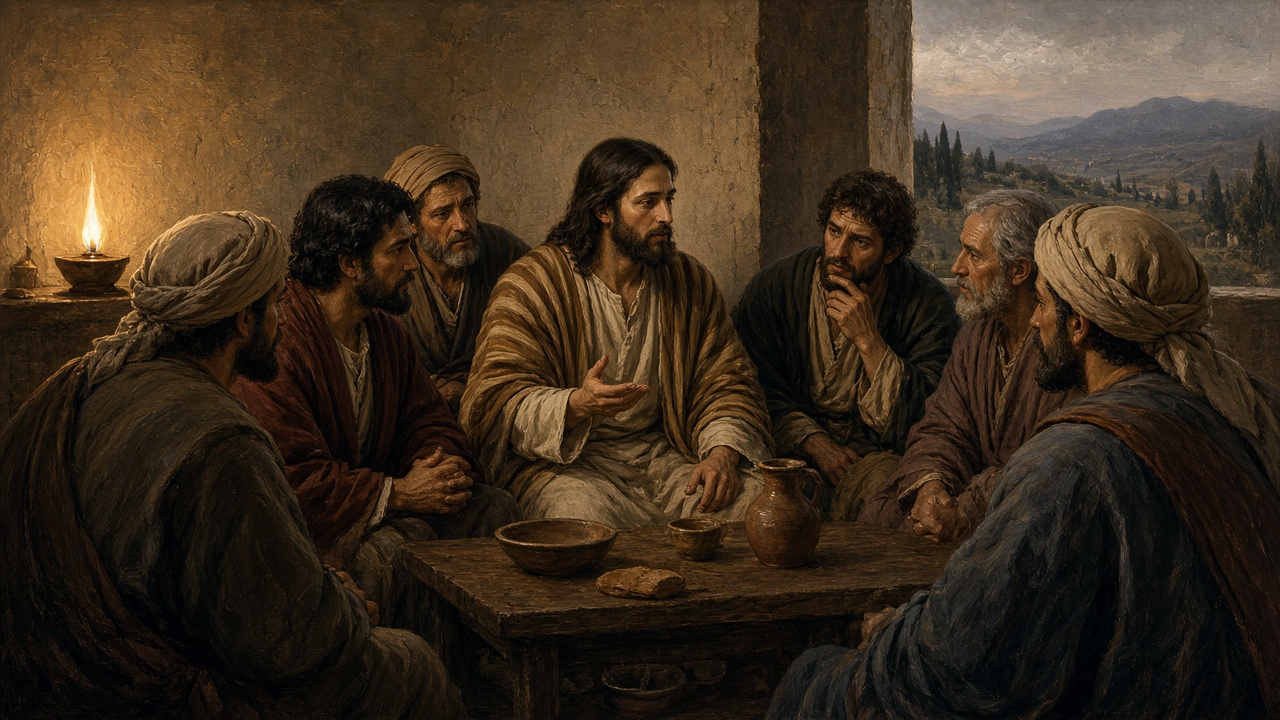
Did you know?
Departure, the Advocate, and joy after grief
- Event notes place this chapter in the Upper Room Discourse, a one-day episode within Holy Week, which those notes list as eight days.Sources: Upper Room Discourse · Holy Week
- Jesus tells the disciples they will be put out of the synagogues. He adds that a time is coming when anyone who kills them will think he is offering a service to God, because they have not known the Father or him.Sources: the Bible text itself
- He says it is for their benefit that he is going away, because unless he goes, the Advocate will not come. When the Spirit of truth comes, he will guide them into all truth, not speaking on his own but saying what he hears and declaring what is to come.Sources: the Bible text itself
Notes written with AI assistance from open sources (Theographic Bible Metadata, CC BY-SA 4.0; Easton’s Bible Dictionary, public domain) and reviewed before publishing.
Credits and license for this translation
Abware̱se̱ŋ Wo̱re̱-ɔ
New Testament in Chumburung (GH:ncu:Chumburung)
copyright © 2010 Wycliffe Bible Translators, Inc.
Language: Chumburung
Translation by: Wycliffe Bible Translators, Inc.
Copyright Information
© 2010, Wycliffe Bible Translators, Inc. All rights reserved.
This translation text is made available to you under the
terms of the Creative Commons License: Attribution-Noncommercial-No Derivative Works.
( http://creativecommons.org/licenses/by-nc-nd/3.0/ )
In addition, you have permission to port the text to different file formats, as long as you
do not change any of the text or punctuation of the Bible.
You may share, copy, distribute, transmit, and extract portions
or quotations from this work, provided that you include the above copyright
information:
You must give Attribution to the work.
You do not sell this work for a profit.
You do not make any derivative works that change any of the actual words or punctuation of the Scriptures.
Permissions beyond the scope of this license may be
available if you contact
us with your request.
The New Testament
in Chumburung
© 2010, Wycliffe Bible Translators, Inc. All rights reserved.
This translation is made available to you under the terms of the
Creative Commons Attribution-Noncommercial-No Derivatives license 4.0.
You may share and redistribute this Bible translation or extracts from it in any format, provided that:
You include the above copyright and source information.
You do not sell this work for a profit.
You do not change any of the words or punctuation of the Scriptures.
Pictures included with Scriptures and other documents on this site are licensed just for use with those Scriptures and documents.
For other uses, please contact the respective copyright owners.
2025-05-16
Source: http://ebible.org/ncuNT/ · eBible.org