Song of Songs 8
Godɨn Eghaghanim: Akar Gavgavir Dɨkɨrɨzir Ghurim ko Igiam · Tap a verse to see its cross-references.
1Nan amebam ti nɨ bategha, otem nɨ ganɨngizɨ,
kamaghɨn deraghai.
Kamaghɨn, kɨ tuavir ekiamɨn nɨ batogh,
nɨn tortɨ gumazitam pazɨ ga gɨnɨghnɨghan kogham.
2Egha kɨ nɨ inigha ga uan amebamɨn dɨpenimɨn ghuzɨ,
nɨ deravɨra nan sure gamighai.
Ezɨ kɨ, wain ko pauran isɨngtɨzim sara verezim,
a isa nɨ ganighai.
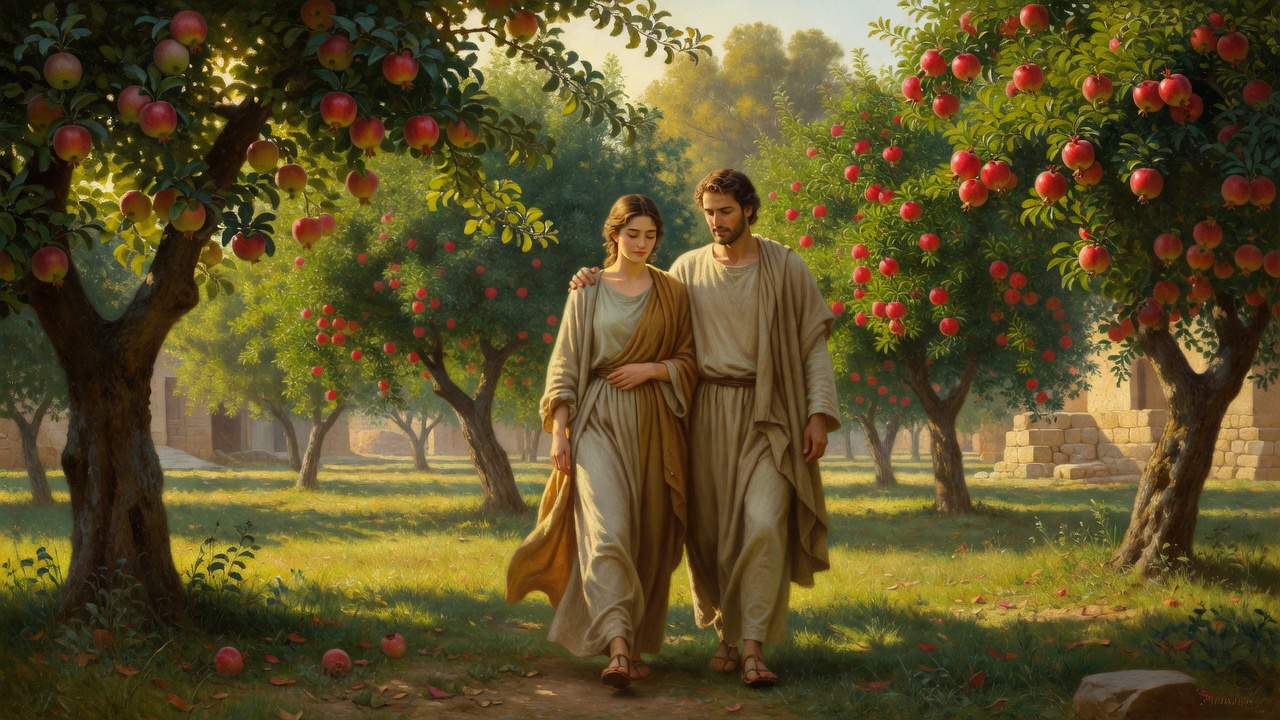
Egha kɨ uan pomigranetɨn ovɨzibar dɨpaba nɨ ganɨngizɨ, nɨ da ameghai.
3Kɨ ghaze, nan roroam uan agharir kɨriam
nan dapanimɨn aghorogham.
Eghtɨ an agharir guvim, a nan namnam muigham.
4O Jerusalemɨn amiziba, kɨ kamaghɨn ian azai,
ia na ko akam akɨrigh suam,
ga uaning gifongezir arazim, ia an tuavim apɨran markɨ,
egh ikɨ mangɨtɨ gan ifongiam gɨvagham.
Onger akar namba 6
Amizibar onger akam
5Ia gan. Munar amizir manam gumazamiziba puvatɨzir danganim ategha izi,
egha uan roroar gumazir a ifongezim dukuagha aning izi?
Gumazir igiamɨn onger akam
5Ga temer ovɨzir aghuiba itimɨn povimɨn ikiava,
kɨ nɨn ifongiam gamizɨ, a dɨkafi.
Nɨn amebam temer kamɨn apebamɨn nɨ bate.
Amizir igiamɨn onger akam
6Nɨ uan navir averiamɨn aven, narara ifongegh,
egh uam amizitam gifueghan markɨ.
Nɨ amizir igharazitam uan dafarimɨn an suighan markɨ.
Kɨrara, nɨ nan dafarimɨn suigh.
Nan ifongiam nɨ bagha bar gavgafi,
mati Ovevem nɨ iniasa gavgafi.
Kamaghɨra, nan ifongiam nɨ bagha puvɨra dɨkafi,
mati avim isia pamten dɨkafi.
7Ifongiar arazim, an avir mɨzariamɨn mɨn isi,
kamaghɨn ongarir ekiaba anemungan iburagham,
eghtɨ aperiar ekiaba izɨva anegɨvaghan kogham.
Gumazitam nan ifongiam givesɨ nɨghnɨgh, uan dagɨaba ko biziba isɨ na danɨngtɨ, tam tughatɨghan kogham.
Kɨ dagh ifueghan kogham.
Kɨ pura nɨ gifuegham.
Amizir igiamɨn tuebabar onger akam
8En buaramizim suvighavɨra iti
ezɨ an otemning tɨgharɨ.
An amizir ekiamɨn otoghtɨ,
gumazitam an ikɨsɨ damutɨ,
e manmaghɨn a bagh damuam?
9En buaramizim nguibar ekiamɨn dɨvazimɨn mɨn deravɨra ikɨtɨ,
e dɨvazir kam gisɨn a bagh silvan tauan a geghuvamimɨn ingaram.
Eghtɨ a nguibar ekiamɨn tiar akamɨn mɨn ikɨtɨ,
e temer sidan ararir gavgavibar anepɨrigham.
Amizir igiamɨn onger akam
10Kɨ mati nguibar ekiam ekɨaruzir dɨvazim,
ezɨ nan otemning mati tauan ruarir pumuning.
Kɨ ifongezir gumazim nan gari,
kɨ aghuigha amizir ekiamɨn oto.
Egha kɨ an damazimɨn bar dera.
Gumazir igiamɨn onger akam
11Atrivim Solomonɨn wainɨn azenim Balhamonɨn nguibamɨn iti.
Gumaziba azenir kamɨn ingarsɨ,
me vaghvagh 1,000 silvan dagɨaba isɨ Atrivim Solomon danɨng.
12Solomon mar uan 1,000 silvan dagɨaba ini.
Ezɨ gumazir azenimɨn ingariba,
me mar uan 200 silvan dagɨaba ini.
Ezɨ kɨ bizir kabagh nɨghnɨzir puvatɨ,
kɨ uabɨ, nan wainɨn azenim iti.
Kɨ uabɨ wainɨn azenir kamɨn gari.
13O amizir kɨ ifongezim,
nɨ azenimɨn aven ikɨ mɨkɨmtɨ, kɨ nɨn tiarim baragham.
Nan namakaba uaghan nɨn tiarim baraghasa.
Amizir igiamɨn onger akam
14O nan roroar gumazir kɨ bar ifongezim,
nɨ uamategh atamra izasa kɨ ifonge,
mati dian asɨzir atiar aghuim mɨghsɨabagh isɨn ivemara izi,
mɨghsɨar kaba, bizir mughuriar aghuir avɨriba dar iti.
Did you know?
Unquenchable Love and Royal Vineyards
- Song of Songs 8:11 mentions a royal vineyard at Baal-hamon, a name meaning place of a multitude. Geographers and scholars have proposed several identifications for this site, including Hammon in the tribal territory of Asher or Belamon near Dothan.Sources: the Bible text itself · Baal-hamon · Solomon
- The request to be set as a seal over the beloved's heart and arm draws upon the ancient custom of wearing personal seals close to the body, signifying permanent belonging, protection, and unbroken devotion.Sources: the Bible text itself
- The chapter celebrates love as an unconquerable power that cannot be bought with all the wealth of a household, describing its flame as fierce and unquenchable even by mighty rivers and floods.Sources: the Bible text itself
Notes written with AI assistance from open sources (Theographic Bible Metadata, CC BY-SA 4.0; Easton’s Bible Dictionary, public domain) and reviewed before publishing.
Places in this chapter
- Jerusalem · 31.777, 35.234 · verse 4
Only places identified with high confidence are shown (90% or more according to the scholarly sources compiled by OpenBible). Period map: DARE (Digital Atlas of the Roman Empire), CC BY 4.0; modern map: © OpenStreetMap contributors; places: OpenBible.info (CC BY 4.0).
Credits and license for this translation
Godɨn Eghaghanim: Akar Gavgavir Dɨkɨrɨzir Ghurim ko Igiam
The Holy Bible in the Aruamu language of Madang Province, Papua New Guinea, 2020 Edition
Buk Baibel long tokples Aruamu long Madang Provins long Niugini long 2020
copyright © 2020 Pioneer Bible Translators
Language: Aruamu
Translation by: Pioneer Bible Translators
Contributor: The Seed Company
GOD'S STORY in the Aruamu Language of Papua New Guinea
This translation is made available to you under the terms of the
Creative Commons Attribution Share-Alike license 4.0.
You have permission to share and redistribute this Bible translation in any format and to make reasonable revisions and adaptations of this translation, provided that:
You include the above copyright and source information.
If you make any changes to the text, you must indicate that you did so in a way that makes it clear that the original licensor is not necessarily endorsing your changes.
If you redistribute this text, you must distribute your contributions under the same license as the original.
Pictures included with Scriptures and other documents on this site are licensed just for use with those Scriptures and documents.
For other uses, please contact the respective copyright owners.
Note that in addition to the rules above, revising and adapting God's Word involves a great responsibility to be true to God's Word. See Revelation 22:18-19.
2025-05-15
Source: http://png.bible/msy2020/ · eBible.org