Isaiah 47
Godɨn Eghaghanim: Akar Gavgavir Dɨkɨrɨzir Ghurim ko Igiam · Tap a verse to see its cross-references.
Ikiavɨra Itir God ghaze, Babilon ikuvigham
1Ikiavɨra Itir God kamaghɨn Babilonian nguibar ekiam mɨgei,
“O Babilon, nɨ fomɨra mati atrivir amizim uan atrivir dabirabim gaperaghav iti moghɨn,
ziar ekiam iti.
Nɨ nguibar bar aghuimɨn mɨn itima, kantrin igharazitamɨn mɨdorozir gumaziba nɨ dɨkabɨrazir puvatɨ,
kamaghɨn amizɨ, nɨ mati amizir bar igiar patamɨn itir puvatɨzim mɨn, bar deravɨra iti.
Ezɨ datɨrɨghɨn puvatɨ.
Nɨn gavgavim gɨvaghtɨ,
nɨ uan atrivir dabirabim ategh nguazir kɨnim dapiam.
Nɨn mɨkarzim fomɨra deragha iti moghɨn, ua ikian kogham.
Egh gumaziba ua nɨn gantɨ, nɨ deragh kurkegh daruan kogham.
Bar puvatɨ.
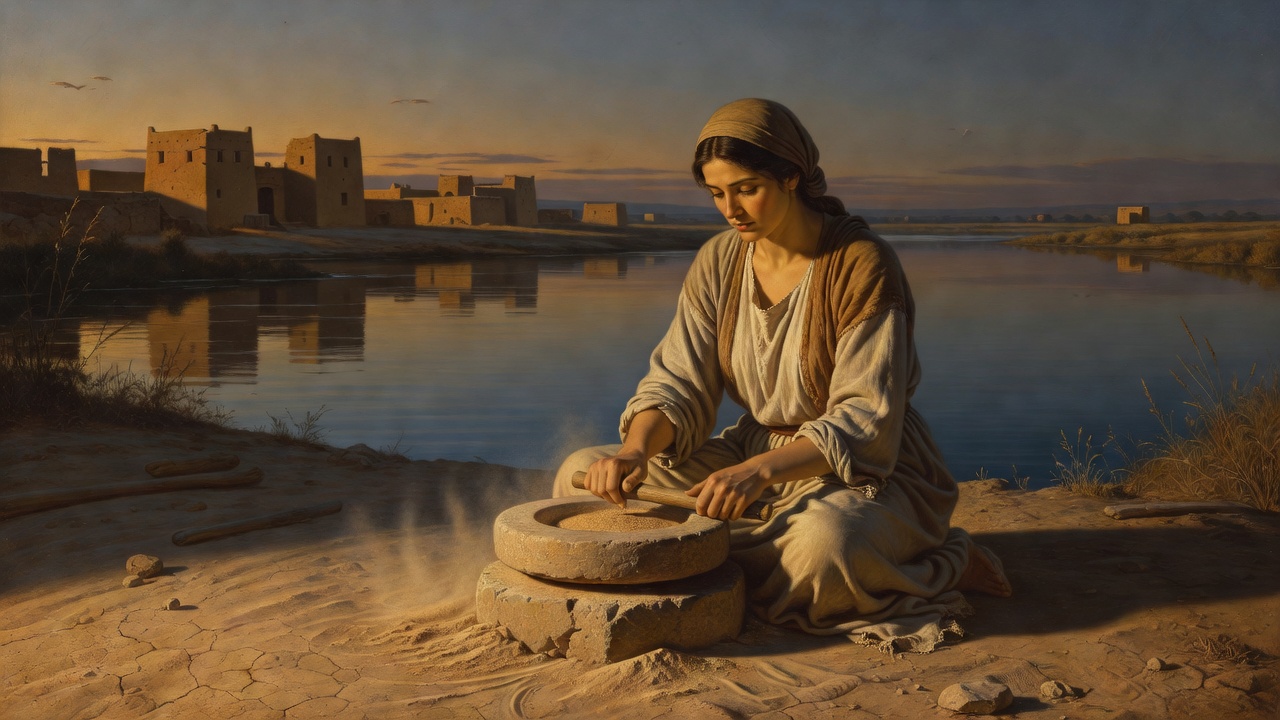
2Nɨ ingangarir amizir kɨnimɨn mɨn ingaram.
Nɨ uan dapanim avarazir nir avɨzim adegh, uan korotiar dirir otɨghɨn aruzim sueghtɨ,
nɨn dagariba azenara ikɨtɨ, nɨ wit mɨrmɨrir dagɨaba poghpogham.
Egh uan inim fegh
mavanabogh faneba abɨgh mangam!
3Gumaziba nɨn korotiaba sueghtɨ,
nɨ bibiamra ikɨ bar aghumsigham.
Kɨ nɨn arazir kuram ikarvaghsɨ ivezir bar kuram isɨ nɨ danɨngtɨ,
gumazitam nan anogoreghan kogham.”
4Israelian Godɨn Bar Zuezim, a en Akurvazir Gumazim.
An ziam, Ikiavɨra Itir Godɨn Gavgaviba Bar Itim.
5Ikiavɨra Itir God kamaghɨn Babilonia mɨgei,
“Babilon, Kantrin Igharazibar Gumazamiziba ua kamaghɨn nɨ dɨponan kogh suam,
‘Kantriba bar men atrivir amizim.’
Kamaghɨn amizɨ, nɨ uan akam dukuagh mangɨ
mɨtarmemɨn daperagh nɨmɨra ikɨ.
6Kɨ bar puvɨra uan gumazamizibar atari,
egha kɨ ua uan gumazamizibar mɨn me gɨnɨghnɨzir puvatɨ.
Egha kɨ nɨ ataghizɨ, nɨ iza paza me gamua,
egha nɨ tong men apangkuvizir pu.
Bar puvatɨ.
Nɨ bar pazavɨra me gamua osɨmtɨzir bar dafam me ganɨngi.
Egha nɨ uaghan gumazamizir ghuribagh amima me osɨmtɨzir dafam ateri.
7Nɨ ghaze, nɨ atrivir amizimɨn ikɨ mamaghɨra ikiam,
kamaghɨn amizɨ, bizir kaba ko bizir gɨn nɨ bativamiba,
nɨ deragha dagh nɨghnɨzir puvatɨ.
8“Nɨ dughiar aghuim baghavɨra nɨghnɨzir amizim,
nɨ akar kam baragh!
Nɨ ti ghaze, nɨ deravɨra ikɨtɨ, bizir kuratam nɨ batoghan kogham.
Egha nɨ kamaghɨn uabɨ mɨgɨa ghaze,
‘Kɨ uabɨra kɨ gavgaviba bar iti, ezɨ tav nan mɨn itir puvatɨ.
Kɨ amizir pam ko boriba ariaghirezimɨn mɨn otoghan kogham.’
9Ezɨ noka, arazir kamning zuamɨra nɨ bativam.
Dughiar kamra nɨn pam aremegham,
eghtɨ nɨn boriba uaghan bar moghɨram arɨghiregham.
Nɨ ti kamaghɨn nɨghnɨsi, nɨ imeziba ko akavsiar gavgavir avɨriba iti,
ezɨ bizir kaba nɨn akuraghan kogham.
Bar puvatɨgham.
Nɨ bar dughiar kuram batogham.
10“Nɨ ti kamaghɨn nɨghnɨsi,
Nɨn arazir kuraba nɨ damutɨ, nɨ mɨtɨgh gavgavigham.
Egha nɨ kamaghɨn nɨghnɨsi,
Nɨ amir bizir kaba, gumazitam dar garir puvatɨ.
Nɨn fofozir bizir guar avɨribar ingariba, nɨn nɨghnɨzim adavizɨma,
nɨ kamaghɨn uabɨn mɨgɨa ghaze,
‘Kɨ uabɨra, kɨ gavgavim iti, ezɨ tav nan mɨn itir puvatɨ.’
11Dughiar bar kuram nɨ batogham,
eghtɨ nɨ akavsiamɨn gavgavimɨn a gitavɨraghan kogham.
Osɨmtɨzir dafam zuamɨra nɨ batogham,
eghtɨ nɨ an tuavim apɨramin bizitam damuan kogham.
Bizir bar kurar nɨ nɨghnɨzi da nɨ bativan koghamiba,
da nɨ batogh bar nɨ gasɨghasigham.
12“Kamaghɨn ti dera, nɨ igiamra ikia imeziba ko akavsiar gavgavibar fofoziba inigha dagh amua fozɨ moghɨn,
nɨ pamtem dar amu ganigh.
Da ti nɨn akuragham.
Da ti nɨn apanibar amutɨ,
me atiatigh aregham.
13Fofozir gumazir avɨriba nɨghnɨzim nɨ ganɨdima,
nɨn nɨghnɨzim deravɨra ingarir puvatɨ.
Egha nɨ mɨkovezibar garir akavsiabagh amir gumaziba bagh akam amada.
Gumazir kaba, me overiam ko mɨkovezibar gara zurara iakɨnibar nɨ bagha iza,
bizir nɨ bativamibar gun nɨ mɨgei.
Ezɨ me ti nɨn akuragham.
14“Ezɨ puvatɨ, me mati ogheba mɨsigha iti, ezɨ avir mam gumazir kabar isi me gasɨghasɨgham.
Eghtɨ me uarira uarir akurvaghan kogham.
Bar guizbangɨra, me kamaghɨn mɨkɨman markɨ,
‘Kɨ mangɨ avir mɨriamɨn daperagh uan mɨkarzim fefem a danɨngam.’
Puvatɨ. Avir kam bar men isigham.
15Bar guizbangɨra, nɨ igiamra itima
gumazir nɨghnɨzim nɨ ganɨga nɨn akurvaziba,
me bar onganigh,
men tav nɨn akuraghan kogham.”
Did you know?
The Fall of Babylon
- Babylon is personified as a pampered queen and royal daughter who is abruptly humiliated. Instead of sitting securely on a throne in luxury, she is commanded to sit in the dust and perform the menial labor of an enslaved worker, grinding flour with millstones.Sources: the Bible text itself
- The chapter highlights Babylon's reliance on occult practices and stargazing. The prophet challenges the city's astrologers, sorcerers, and monthly omen-casters to step forward, declaring that their arts will be completely burned up like stubble and unable to prevent sudden ruin.Sources: the Bible text itself
- Babylon, situated along the Euphrates River in Chaldea, had been allowed to rule over God's people as an instrument of judgment. However, the text rebukes the empire for showing no mercy, noting that it placed heavy yokes even upon the elderly.Sources: Babylon · the Bible text itself
Notes written with AI assistance from open sources (Theographic Bible Metadata, CC BY-SA 4.0; Easton’s Bible Dictionary, public domain) and reviewed before publishing.
Places in this chapter
Only places identified with high confidence are shown (90% or more according to the scholarly sources compiled by OpenBible). Period map: DARE (Digital Atlas of the Roman Empire), CC BY 4.0; modern map: © OpenStreetMap contributors; places: OpenBible.info (CC BY 4.0).
Credits and license for this translation
Godɨn Eghaghanim: Akar Gavgavir Dɨkɨrɨzir Ghurim ko Igiam
The Holy Bible in the Aruamu language of Madang Province, Papua New Guinea, 2020 Edition
Buk Baibel long tokples Aruamu long Madang Provins long Niugini long 2020
copyright © 2020 Pioneer Bible Translators
Language: Aruamu
Translation by: Pioneer Bible Translators
Contributor: The Seed Company
GOD'S STORY in the Aruamu Language of Papua New Guinea
This translation is made available to you under the terms of the
Creative Commons Attribution Share-Alike license 4.0.
You have permission to share and redistribute this Bible translation in any format and to make reasonable revisions and adaptations of this translation, provided that:
You include the above copyright and source information.
If you make any changes to the text, you must indicate that you did so in a way that makes it clear that the original licensor is not necessarily endorsing your changes.
If you redistribute this text, you must distribute your contributions under the same license as the original.
Pictures included with Scriptures and other documents on this site are licensed just for use with those Scriptures and documents.
For other uses, please contact the respective copyright owners.
Note that in addition to the rules above, revising and adapting God's Word involves a great responsibility to be true to God's Word. See Revelation 22:18-19.
2025-05-15
Source: http://png.bible/msy2020/ · eBible.org