Isaiah 46
Godɨn Eghaghanim: Akar Gavgavir Dɨkɨrɨzir Ghurim ko Igiam · Tap a verse to see its cross-references.
Ikiavɨra Itir God, uabɨra gavgavim iti, ezɨ marvir guaba, da pura nedazir kɨniba
1Ikiavɨra Itir God kamaghɨn mɨgei,
“Ia Babilonia, ian aser kamning, Bel ko Nebo, ia aningɨn ziamning fava,
egha aningɨn marvir guamning atera, aningɨn ziamning famin dughiar ekiabagh arui.
Eghtɨ aningɨn ziar ekiamning gɨvaghtɨ, ia aningɨn gantɨ,
aning uaningɨn akurvaghamin gavgaviba puvatɨgham.
Egh apaniba izɨ Babilonɨn nguibar ekiam gasɨghasɨghtɨ, ia donkibar aning ikegham.
Eghtɨ donkiba, mevzika, da ingangarir dafam damu, aning ater mangɨ
ia ko kantrin igharazimɨn kalabusɨn ikiam.
3“Ia Israelɨn ikiavɨra itir varazira ia oragh, ia Jekopɨn anabamɨn adarasi,
ian amebaba ia batezir dughiamɨn, ian gumazamizir ikɨzir igiamɨn otivizir dughiamɨn ikegha iza datɨrɨghɨn,
kɨ ia inigha ia atera, bar deravɨra ian gari.
4Kɨ ian God, kɨ ian ganvɨra ikɨ mangɨ,
ia bar ghurigh dapanir arɨzir ghurghuriba otivighamin dughiam otogham.
Kɨ fomɨra uabɨ ian ingara ia gamizɨ, ia gumazamizir ikɨzir vamɨran oto,
egh kɨ zurara ia aterɨva, ian gan ian akurvagham.
5“Tinara nan mɨn gari? Puvatɨ.
Kɨ gumazir manamra ko magh gari? Bar puvatɨ.
Ia nan araziba, bar tinara ko da tuisɨgham? Bar puvatɨgham.
Gumazitam kɨ amir araziba uaghan dagh amua kagh iti, o puvatɨ?
Bar puvatɨ.
6Gumazir maba marvir guabar ingarasa gol ko silvan bar avɨribar pozim mɨkɨra,
dar osɨmtɨziba tuisɨsi.
Egh me gol ko silvan bizibar ingarir fofozir gumazim givezeghtɨ,
a me bagh marvir guabar ingaram.
Eghtɨ me teviba apɨrɨva, an ziam fam.
7Egh me marvir guar kam uan dɨpɨzibar afegh, aneter mangɨ,
danganir me anesasa dɨkɨrɨzimɨn anesaraghtɨ, a mɨtɨghiv ikiam.
Marvir guar kam uabɨ daru danganir igharazimɨn mangan kogham.
Kamaghɨn amizɨ, a danganir me anetɨzir kamra iti.
Egh gumazir an deibar dɨmdiaba ikarvaghan koghɨva,
egh dughiar kurabar men akurvaghan kogham.
Bar puvatɨ.
8“Ia gumazir arazir kurabagh amiba,
ia akar kɨ akurir kam, ia bar deravɨram a gɨnɨghnɨgh.
9Egha kɨ fomɨram amizir biziba, ia ua dagh nɨghnɨgh.
Kɨ uabɨra kɨ God, ezɨ ua godɨn tam ua itir puvatɨ.
Kɨ uabɨra kɨ God, ezɨ ua godɨn tam nan mɨn itir puvatɨ.
10Bizir tam tɨghar otivamin dughiamɨn, an otogh manmaghɨn gɨvagham,
kɨ bizir kamɨn gun mɨgei.
Kɨ bar fomɨra bizir otivambar gun mɨkeme,
ezɨ gɨn bizir kaba kɨ mɨkemezɨ moghɨram otifi.
Egh kɨ bizir manatam damusɨ ifongegh, kɨ puram a damuam.
Eghtɨ kɨ damuasa ifongezir bizir kam, bizitam nan tuavim apɨrighan kogham.
11Kɨ aruem anadi naghɨn itir gumazir mam izasa an diagha gɨfa,
eghtɨ a isamɨn mɨn mɨghegh izɨ kɨ damuasa nɨghnɨzir bizibar amuam.
Kɨ damuasa mɨkemezir bizir kaba, kɨ mɨkemezir moghɨra an adar amuam.
Bizir kɨ damuasa mɨseveziba, kɨ dar amuam.
12“Ia gumazir akaba barazir puvatɨziba, ia nan akam baragh.
Ia ti ghaze, dughiar kɨ uamategh ian akuragh
ia iniasa mɨsevezim, a saghon ikiavɨra iti, a?
13Bar puvatɨ. Nan akurvazim, a bar roghɨra izegha gɨfa.
Eghtɨ kɨ ua mɨzuaman kogham.
Israelia, kɨ zuamɨra izɨ ian akurvagh apanir ia abɨriba,
kɨ bar puv me damightɨ, ia ua deravɨra ikiam.
Egh kɨ uaghan Saionɨn nguibar ekiamɨn akurvaghtɨ, a deravɨra ikiam.
Kɨ uan ziar ekiam ko gavgavim damightɨ,
aning Israelia ian tongɨn azenim girɨgham.”
Did you know?
The God Who Carries His People
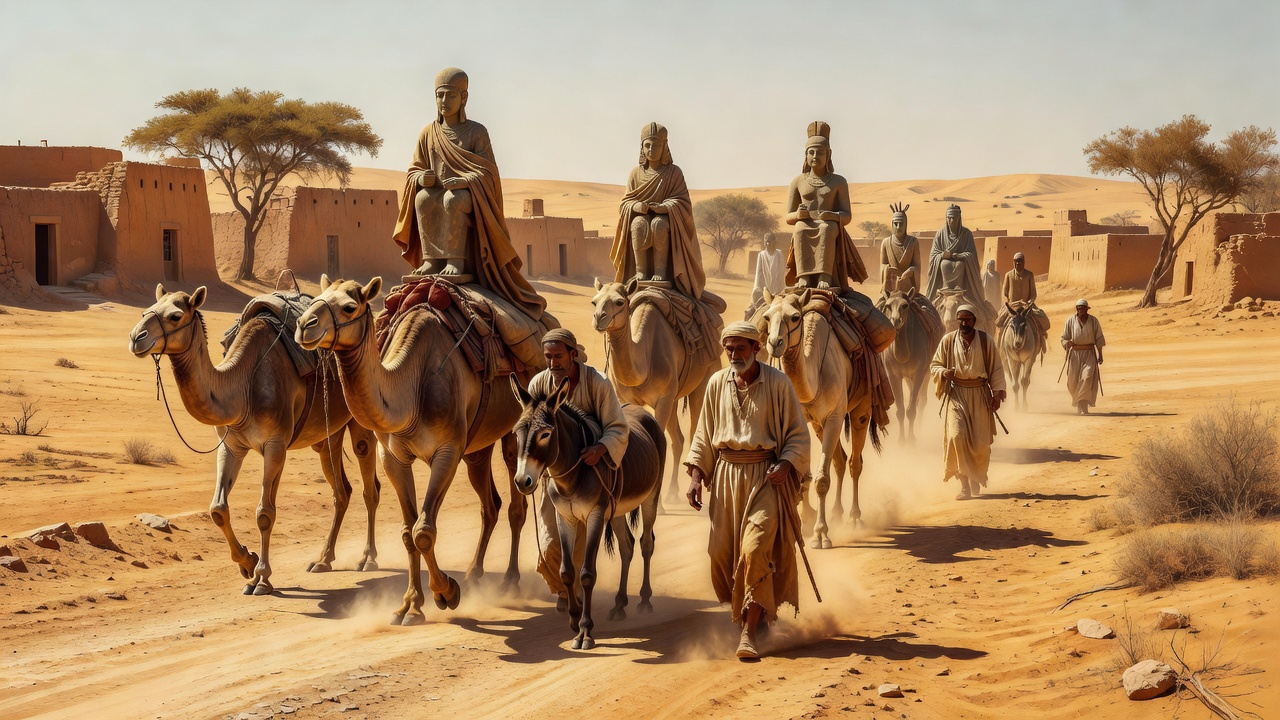
- Isaiah 46 contrasts the Babylonian gods Bel and Nebo with the God of Israel. While manufactured idols are described as dead weight that must be loaded onto weary animals and carried into captivity, God declares that He has carried and sustained the house of Jacob from birth and will continue to do so into old age.Sources: the Bible text itself
- The chapter illustrates the helplessness of idols by highlighting their human origin: people pour out gold and weigh silver to hire a goldsmith to shape a god. Once carried on human shoulders and set in place, the statue remains stationary, unable to move, answer cries, or rescue anyone from distress.Sources: the Bible text itself
- The prophecy closes with God promising to grant salvation to Zion. Zion was the south-eastern hill of Jerusalem that David captured and made into the City of David, often cited in prophetic texts as a focal point for Israel.Sources: the Bible text itself · Zion
Notes written with AI assistance from open sources (Theographic Bible Metadata, CC BY-SA 4.0; Easton’s Bible Dictionary, public domain) and reviewed before publishing.
Places in this chapter
Only places identified with high confidence are shown (90% or more according to the scholarly sources compiled by OpenBible). Period map: DARE (Digital Atlas of the Roman Empire), CC BY 4.0; modern map: © OpenStreetMap contributors; places: OpenBible.info (CC BY 4.0).
Credits and license for this translation
Godɨn Eghaghanim: Akar Gavgavir Dɨkɨrɨzir Ghurim ko Igiam
The Holy Bible in the Aruamu language of Madang Province, Papua New Guinea, 2020 Edition
Buk Baibel long tokples Aruamu long Madang Provins long Niugini long 2020
copyright © 2020 Pioneer Bible Translators
Language: Aruamu
Translation by: Pioneer Bible Translators
Contributor: The Seed Company
GOD'S STORY in the Aruamu Language of Papua New Guinea
This translation is made available to you under the terms of the
Creative Commons Attribution Share-Alike license 4.0.
You have permission to share and redistribute this Bible translation in any format and to make reasonable revisions and adaptations of this translation, provided that:
You include the above copyright and source information.
If you make any changes to the text, you must indicate that you did so in a way that makes it clear that the original licensor is not necessarily endorsing your changes.
If you redistribute this text, you must distribute your contributions under the same license as the original.
Pictures included with Scriptures and other documents on this site are licensed just for use with those Scriptures and documents.
For other uses, please contact the respective copyright owners.
Note that in addition to the rules above, revising and adapting God's Word involves a great responsibility to be true to God's Word. See Revelation 22:18-19.
2025-05-15
Source: http://png.bible/msy2020/ · eBible.org