Jonah 1
Uumeleembaa Buŋa Tere Soomoŋgo Gbilia · Tap a verse to see its cross-references.
About this book
About Jonah
- Jonah, whose name means “a dove,” was the son of Amittai of Gath-hepher and a prophet of Israel. Easton's Bible Dictionary (1897) holds that he wrote the book himself. His ministry is placed very early in the reign of Jeroboam II: he was contemporary with Hosea and Amos, or possibly earlier, and so may have been the oldest of the prophets whose writings survive.Sources: Jonah · Amittai · Easton: Jonah, Book of
- The book professes to tell what actually happened to the prophet. Some critics have read it as a parable or allegory rather than history, because miracle is so prominent and the form is narrative rather than prophecy, or because they deny miracles altogether. Easton's Bible Dictionary (1897) instead treats it as history, attaching great weight to the mention of Jonah in Matthew 12:39-40 and Luke 11:29.Sources: Easton: Jonah, Book of
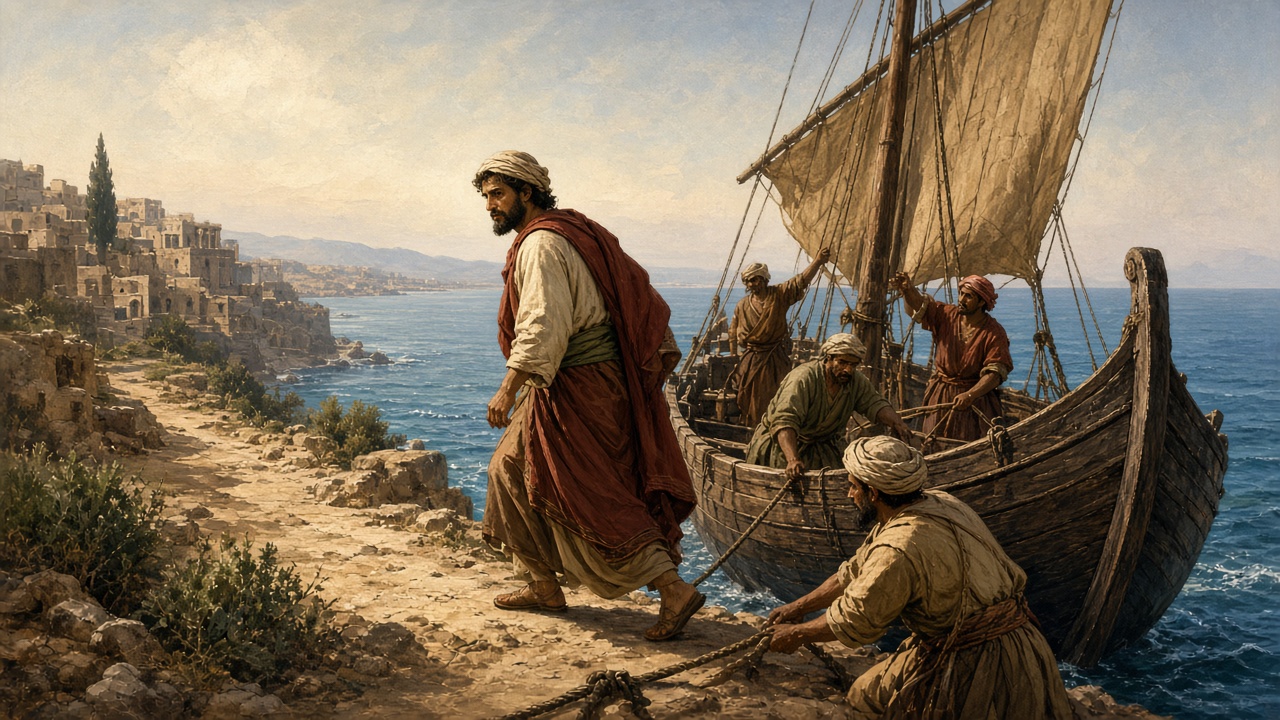
- Jonah was commissioned to go to Nineveh, described as a great and populous city and the flourishing capital of the Assyrian empire, but he sailed from Joppa, Judea's chief seaport, to flee toward Tarshish. Where Tarshish lay is disputed: some place it in the east, on the Indian coast, some identify it with Carthage, and Easton's dictionary takes it to be a Phoenician port in Spain.Sources: Easton: Jonah, Book of · Nineveh · Joppa · Tarshish
- Easton's outline has four movements: the divine commission, disobedience, and punishment; Jonah's prayer and deliverance; a second commission, the Ninevites' repentance, and God's sparing mercy; and Jonah's anger at that mercy, followed by a rebuke. The same dictionary notes that Nineveh was spared for more than a century after his mission.Sources: Easton: Jonah, Book of
- As a prophet of Israel, Jonah foretold the restoration of the kingdom's ancient borders. A biographical note presents him both as a missionary to Nineveh and as a type of the Son of man. The book of Nahum is taken up almost entirely with denunciations of that city, and Zephaniah also predicts its destruction.Sources: Jonah · Nineveh
Notes written with AI assistance from open sources (Theographic Bible Metadata, CC BY-SA 4.0; Easton’s Bible Dictionary, public domain) and reviewed before publishing.
Joonanoŋ Poŋ qetama kokomomola mero.
1Israel kanoŋ Pombaanoŋ qaa ii Amitai iwaa meria Joonawaanoŋ kokaeŋ kolooro: 2“Assiria kantriwaa siti somata Niiniwe ii weeŋ koukoutanoŋ eja. Yoŋonoŋ bao jaagoo kaaŋa kolooŋ kileŋagia lansaŋ nama meŋ tintuaŋ laligoŋkeju. Iikawaa qaaya ii noo jaasewananoŋ kouro mojeŋ. Kawaajoŋ gii mono waama eu kema noo buŋa qaana iŋijoŋ uugia kuuwa.” 3Kaeŋ ijoroto, Joonanoŋ Pombaa jaasewaŋanoŋga oloŋ kok koma weeŋ kemekemetanoŋ baageŋ kemambaajoŋ keno. Kema gomaŋ qata Jopa (Jaffa) kanoŋ kemeŋ waŋgo moŋ mokolooŋ jero, “Yoŋowo saanoŋ Tarsis gomanoŋ Spein kantrinoŋ kemaŋa.” Kaeŋ jeŋ kana sewaŋa meŋ waŋgonoŋ uro. Kaeŋ uma Pombaa jaasewaŋanoŋga kokomomola meŋ keno. 4Kenoto, Poŋnoŋ haamo kotakota wasiro kowenoŋ kemeŋ kuuro siri dimboŋ somata waama waŋgo qero jaŋgomambaajoŋ ano. 5Kaeŋ kolooro waŋgo gawoŋ eja yoŋonoŋ toroko moma iyaŋgiaa beŋurugiaa so aŋa aŋa qama kooliŋ oŋoŋgi. Kaeŋ ama waŋgonoŋ afaaŋgowaatiwaajoŋ kawaa hina iwoi kuuya meŋ borogi kowenoŋ kemeroto, Joonanoŋ waŋgo dutaa uutanoŋ kemeŋ iikanoŋ oloŋ koma gaoŋ komunagbiili ero.
6Iikanoŋ ero waŋgo galeŋanoŋ iwaanoŋ kaŋ kokaeŋ jeŋ muro: “Gii mono naambaajoŋ koi gaoŋ ejaŋ? Mono waama geeŋgaa beŋga qama koolina iinoŋ ilaaŋ nonono mende tiwilaawonaga.”
7Kaeŋ jeŋ muŋ batugianoŋ amiŋ moma jegi: “Ayo, mono kawu! Mono unju kuuwoŋa. Eja morowaa siŋgisoŋgoyaajoŋ ama iimaleiŋ koi qanananoŋ uji, iikawaa kania mokoloowoŋa.” Kaeŋ jeŋ unju kuugi Joona asugiro. 8Asugiro jegi karo kokaeŋ qisiŋ mugi: “Iimaleiŋ tiwitiwilaa koi ii morowaa siŋgisoŋgoyaajoŋ ama qanananoŋ uji, gii mono iikawaa kania ninijowa. Gii naa gawoŋa meŋkejaŋ? Gii daaŋkaya kajaŋa? Goonoŋ kantri ii daeŋ? Goo kanagesouruga ii dakanoŋ laligoju?”
9Kaeŋ qisiŋ mugi kokaeŋ meleeno: “Nii Israelga. Hibruu ejaga koloojeŋ. Nii Poŋ, Siwewaa Anutuya waeya meŋ mepeseeŋkejeŋ. Iinoŋ kowe ano namo toboga mokolooŋ orono. 10Iinoŋ gawoŋ osiqosiawo nono togoŋ Pombaa jaasewaŋanoŋa oloŋ kok koma kajeŋ.”
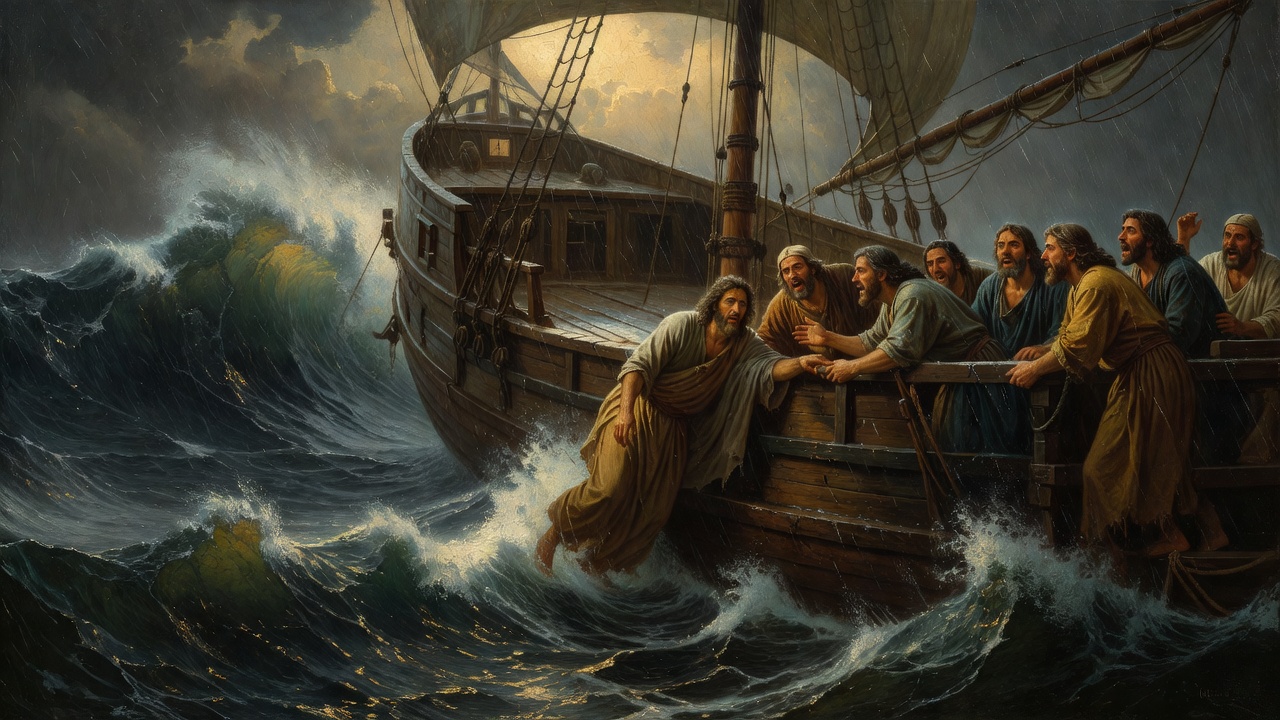
Kaeŋ meleeno moma aaruŋ lalaŋaniŋ kokaeŋ ijoŋ jeŋ mugi: “Yei! Gii mono naambaajoŋ ama kaeŋ anjaŋa?” 11Kowenoŋ toroqeŋ boliŋ kotiiŋ qindiiŋ ero. Kawaajoŋ kokaeŋ qisiŋ mugi: “Nono mono iwoi nomaeŋ ama goniŋ iroŋa mena kowenoŋ goroŋ qenaga?”
12Kaeŋ qisiŋ mugi kokaeŋ meleema iŋijoro: “Siri dimboŋ koi mono noojoŋ ama qanananoŋ uma qeji, niinoŋ ii moma kotojeŋ. Kawaajoŋ mono nii noma kowenoŋ borogi kemebe goroŋ qewaa.”
13Kaeŋ meleeno gawoŋ eja yoŋonoŋ kileŋ waŋgo mombo namo goraayanoŋ keubaatiwaajoŋ loqanoŋ naŋgoŋ qeŋ bimbiŋgogito, kowenoŋ bolidaborotiwaajoŋ ama amamaagi. 14Amamaaŋ Israel Poŋnanaa qata kokaeŋ qama kooligi: “Oo Poŋ, mono geeŋgaa qaa joga otaaŋ iwoi koi anjaŋ. Kawaajoŋ Poŋ, eja koi komuwaatiwaajoŋ ama mono mende tiwilaaŋ nonomba. Sayaa qaaya ii mono nonoo qanananoŋ mende ana uba. Qaa ii oŋanoŋ.” 15Kaeŋ qama kooliŋ kema Joona meŋ borogi kowenoŋ kemero. Kemero kowewaa usuŋanoŋ iikanoŋadeeŋ kamaaro boŋ qero. 16Boŋ qero eja yoŋonoŋ Anutuwaajoŋ aaruŋ lalaŋaniŋ nanduŋ somata ama Poŋ siimoloŋ ooŋ muŋ qaagia kokaeŋ somoŋgogi: “Anana mono Pombaanoŋ qaa apaŋa teŋ koma laligowoŋa.”
17Joonanoŋ kowenoŋ kemero Poŋnoŋ sara somata moŋ wasiro kema Joona gogoro. Gogoro sara iikawaa uutanoŋ weemboria karooŋ eŋ laligoro. Kiaŋ.
Did you know?
Jonah Flees from the Lord
- Jonah, the son of Amittai from Gath-hepher, is also recorded in 2 Kings 14:25 as a prophet active in the northern kingdom of Israel during the reign of Jeroboam II. God instructed him to travel east to Nineveh, the prominent and populous capital of the Assyrian empire, to preach against its wickedness.Sources: Jonah · Amittai · Nineveh · the Bible text itself
- Rather than traveling northeast overland to Nineveh, Jonah journeyed down to the Mediterranean seaport of Joppa to board a ship for Tarshish. Tarshish is traditionally identified as a Phoenician trading port located far to the west in southern Spain, representing the exact opposite direction.Sources: Joppa · Tarshish · the Bible text itself
- The sailors aboard the cargo ship came from polytheistic backgrounds, each calling out to his own deity during the violent tempest. After throwing the ship's cargo overboard to lighten the vessel, they turned to the ancient practice of casting lots to determine who was responsible for the calamity.Sources: the Bible text itself
Notes written with AI assistance from open sources (Theographic Bible Metadata, CC BY-SA 4.0; Easton’s Bible Dictionary, public domain) and reviewed before publishing.
Places in this chapter
Only places identified with high confidence are shown (90% or more according to the scholarly sources compiled by OpenBible). Period map: DARE (Digital Atlas of the Roman Empire), CC BY 4.0; modern map: © OpenStreetMap contributors; places: OpenBible.info (CC BY 4.0).
Credits and license for this translation
Uumeleembaa Buŋa Tere Soomoŋgo Gbilia
The New Testament and portions of the Old Testament in the Borong Language of Papua New Guinea
Sampela hap Buk Baibel long tokples Borong long Niugini
Copyright © 2002, 2011 The Bible Society of Papua New Guinea
Language: Borong
Translation by: Wycliffe Bible Translators
This translation is made available to you under the terms of the
Creative Commons Attribution-Noncommercial-No Derivatives license 4.0.
You may share and redistribute this Bible translation or extracts from it in any format, provided that:
You include the above copyright and source information.
You do not sell this work for a profit.
You do not change any of the words or punctuation of the Scriptures.
Pictures included with Scriptures and other documents on this site are licensed just for use with those Scriptures and documents.
For other uses, please contact the respective copyright owners.
2015-01-26
Source: http://png.bible/ksr/ · eBible.org