Colossians 3
Nhandejáry Nhe'ẽ · Tap a verse to see its cross-references.
1Omano rire oikove jevy-ma Cristo va'ekwe. Peteĩxa pemoirũ-gwi íxupe, peikove jevy-ma vérami peiko. Upéa-gwi pemoĩ katu pende resa yváy pygwa-rehe. Upe-py oĩ Cristo Nhandejáry yke-rehe ogwapy oĩ-vy. Nhandejáry ombopu'aka íxupe ha-py oĩ. 2Upe pygwa rehéte pemondo meme katu pende resa. Ani pepena teĩ ko yvy pygwa-rehe peipota va'e-rehe. 3Ãy peẽ peiko voi pemano va'ekwe-rami hendive. Napepenavéiry ko yvy pygwa-rehe. Peteĩxa pemoirũ-gwi Cristo-pe, onhangareko va'e pene nhe'ẽ marangatu-rehe. Ha'e Nhandejáry ndive oĩ. Ha ko'ánga katu Nhandejáry ndive onhangareko va'e pene nhe'ẽ marangatu-rehe. 4Ha peẽ hendive peiko va'e. Ha'e pene nhe'ẽ marangatu-rehe onhangareko va'e voi. Ha'e ojehexa uka jevy ou-vy ramo, pende rexa uka va'erã hendive ave. Ha enterove va'e katu ombotuvixa mba'e íxupe va'erã. Pene mbotuvixa mba'e va'erã ave hendive.
Anive pejapo pejapo vai va'ekwe-rami
5Upéa-gwi xe anhemonhe'ẽ-ta peẽ-my. Anive pejapo vai teĩ. Anive pene mandu'a teĩ pene rembiapo vai va'erã-rehe. Anive penhemotĩ e'ỹ teĩ avave-pe. Teko rei reko-rupi ani pejogwereko teĩ. Ani pemondo pende resa pene rembiapo vairã-rehe. Ani peipota rei teĩ pende rapixa mba'e. Peipota va'e-rehete ani pepena eterei teĩ. Upéixa peiko ramo, Nhandejáry e'ỹ va'e pemboete peiko-vy. Naiporãi eremboete nde ereipota va'éte. 6Upéa rehegwa apoha gwive, Nhandejáry nhe'ẽ rendu e'ỹ va'e gwive, ogwereko asy va'erã íxupe kwéry Nhandejáry. 7Yma va'ekwe upéixa voi peiko va'ekwe. Upéa rehegwa pejapo japo peiko-vy va'ekwe. 8Ha ko'ánga katu anive pejapo pejapo vai va'ekwe-rami. Ani pende poxy teĩ. Ani ne mandu'a poxy teĩ nde rapixa-rehe. Ani erenhe'ẽ poxy íxupe. Ani nde py'a vai teĩ nde rapixa-rehe. Ani nde apu rei teĩ nde rapixa-rehe. Ani erenhe'ẽ rei rei hese. 9Perova-ma kuri pende rekoha vai peiko-vy napene rembiapo vaivéi-ma hagwã. Upéa-gwi ani pende apu ojóupe. 10Ko'ãy pene mboheko porã-gwi Nhandejáry, peẽ pende rekoha pyahu porã-ma voi. Oipota gweko rupive pive peiko peikwaa porãve rãve hagwã íxupe. 11Nhande nhande rekoha pyahu porã-ma voi. Upéa-gwi nhandejéupe va'e gwive nhande jareko peteĩxa: “Ko va'e judeu e'ỹ va'e, upéa judeu kwéry va'e” ndaja'evéiry. “Ko va'e judeu reko-rupi oiko va'e. Upe va'e judeu reko e'ỹ-rupi oiko” ndaja'evéi-ma. “Ko va'e nhande re'ýi e'ỹ va'e. Upéa nhande reko kwaa e'ỹ” ndaja'evéi-ma. “Ko va'e omba'apo va'e ijáry-pe mante. Upe va'e omba'apo va'e ojehénte” ndaja'evéi-ma. Ha Cristo katu nhande py'apy-py kwéry oiko va'e. Upéa-gwi nhande, nhande rekoha pyahu porã va'e, aỹgwa peteĩxa jareko nhandejéupe. 12Ha peẽ katu Nhandejáry re'ýi. Pende rayhu va'ekwe. Pende poravo va'ekwe ojéupe gwarã. Upéa-gwi perova katu pende rekoha. Peiporiahuvereko katu pende rapixa-pe. Ani pene mba'e rakate'ỹ teĩ íxupe. Eme'ẽ ae katu íxupe hemikotevẽ va'e. Ani penhembotuvixa mba'ese eterei. Ani pende poxy pya'e teĩ pende rapixa-pe. Pereko kirirĩ rei ae katu íxupe. 13Túvy-rami pejogwereko porã katu. Ipoxy ramo jepe nde rapixa, túvy-rami joty peiko katu íxupe. Ani pereko poxy íxupe. Pende poriahuvereko Nhandejáry. Upéa-gwi pejoporiahuvereko reko katu peiko-vy ave. Ha nde rapixa katu nde rereko asy ramo jepe, eiporiahuvereko reko meme joty katu íxupe. 14Pejohayhu porã porã katu. Pejohayhu ramo, pende joja porã porã tee joa va'erã. 15Ha pene mbopy'agwapy va'e katu Cristo voi peiko hagwã pende py'agwapy reheve. Pende pe'a va'ekwe Nhandejáry peteĩxa peiko hagwã onhondive pende joja meme hagwã pende py'agwapy reheve. Upéixa ramo petima porã katu Nhandejáry-pe pemboete-vy. 16Topyta meme katu nde py'apy-py Cristo nhe'ẽ porã gwive. Pehendu porã porã katu inhe'ẽ. Penhombo'e mbo'e katu arandu-rupi. Penhemonhe'ẽ ojóupe arandu-rupi. Peporahéi katu. Nhandejáry nhe'ẽ héry va'e Salmo-py eporahéi. Eporahéi mborahéi-py ave. Nhandejáry mboete-vy peporahéi katu. Petima porã katu íxupe pende py'a gwive. 17Ha ne rembiapo va'e gwive ejapo katu Nhandejáry Hesu réry-py. Ere va'e gwive, ere katu Hesu rekovía. Hesu réry-rupi petima porã katu Nhandejáry Nhande Ru va'e-pe.
Opáixa pene rembiaporã pejapo katu nde py'a gwive
18Ãy peẽ kunha eremenda va'ekwe-pe anhemonhe'ẽ-ta. Pehendu katu peteĩ teĩ pene ména nhe'ẽ. Peẽ Hesu reroviaha voi. Upéa-gwi iporã katu pehendu pene ména nhe'ẽ. 19Ãy peẽ kwimba'e eremenda va'ekwe-pe anhemonhe'ẽ-ta. Ehayhu tee katu ne rembireko-pe. Ani erereko asy teĩ íxupe. 20Ãy peẽ mitã kwéry-pe anhemonhe'ẽ-ta. Peẽ Hesu reroviaha va'e voi. Upéa-gwi pehendu meme katu pende ru, pende sy nhe'ẽ. Upéixa pejapo arã Nhandejáry remimbota. 21Ãy peẽ mitã ru va'e-pe, mitã sy va'e-pe anhemonhe'ẽ-ta pono pemanda pohýi pende ra'y kwéry-pe, pende rajy kwéry-pe ave. Ani nde poxy reheve eremanda nde ra'y kwéry-pe. Upéixa ramo mba'eve ndojaposevéi arã hikwái. 22Ãy penhemomba'apo va'e anhemonhe'ẽ-ta peẽ-my. Pehendu meme katu ne mba'ejáry nhe'ẽ. Oĩ oipota va'e imba'ejáry imandu'a porã hese. Imba'ejáry resa-py omba'apo. Ndoikovéi ramo katu nomba'apói. Ani peiko upe va'e reko-rupi. Ndoikovéi ramo ne mba'ejáry, oĩ vérami joty ne ndive, emba'apo joty. Nde py'a gwive emba'apo katu eremboete-gwi Nhandejáry-pe. 23Opáixa pene rembiaporã pejapo katu nde py'a gwive. Ne momba'apo ramo, ani ere: “Amba'apo teko rei-pete”. Ere ae “Nhandejáry-pe ave amba'apo” ere. 24Eremba'apo porã ramo, ome'ẽ va'erã nde-vy Nhandejáry ne rembiapokwe repy. Ne mandu'a katu upe va'erã-rehe. Nhandejáry re'ýi pegwarã ome'ẽ va'erã nde-vy. Ndaha'éi teko rei nde Járy tee. Cristo ae katu nde Járy tee. 25Entéro hembiapo vai va'e-pe gwive Nhandejáry peteĩxa ogwereko va'erã. Ombohasa asy va'erã íxupe kwéry hembiapo vai va'ekwe-gwi. Mburuvixa ramo jepe, hembigwái ramo jepe, peteĩxa ombohasa asy va'erã íxupe kwéry.
Did you know?
New life in one body and at home
- This chapter pictures a changed life as a change of clothing. Readers are said to have taken off the old self with its practices and put on the new self, which is being renewed in knowledge in the image of its Creator. They are then told to clothe themselves with hearts of compassion, kindness, humility, gentleness, and patience, and to put on love over all these virtues as the bond of perfect unity.Sources: the Bible text itself
- The chapter lists Greek and Jew, circumcised and uncircumcised, barbarian, Scythian, slave and free, and declares that here none of these distinctions remains, because Christ is all and is in all.Sources: the Bible text itself
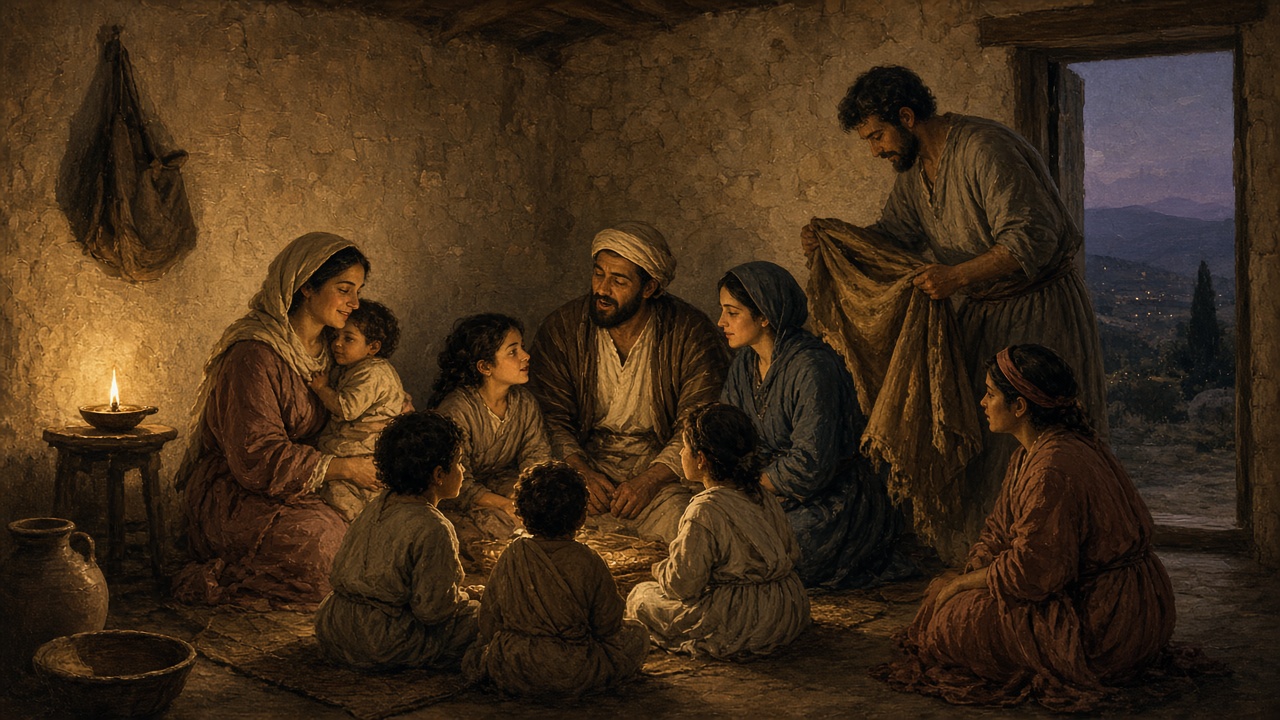
- The chapter then gives instructions for household relationships: wives and husbands, children and parents, and slaves and their earthly masters. Fathers are warned not to provoke their children, so that the children will not become discouraged. Slaves are told to obey with sincerity of heart, not only while they are being watched, and to work with their whole being for the Lord rather than for men, with the promise of an inheritance from the Lord as a reward; whoever does wrong will be repaid, and there is no favoritism.Sources: the Bible text itself
Notes written with AI assistance from open sources (Theographic Bible Metadata, CC BY-SA 4.0; Easton’s Bible Dictionary, public domain) and reviewed before publishing.
Credits and license for this translation
Nhandejáry Nhe'ẽ
New Testament in Kaiwá (BR:kgk:Kaiwá)
copyright © 2006 Wycliffe Bible Translators, Inc.
Language: Kaiwá
Translation by: Wycliffe Bible Translators, Inc.
Copyright Information
© 2006, Wycliffe Bible Translators, Inc. All rights reserved.
This translation text is made available to you under the
terms of the Creative Commons License: Attribution-Noncommercial-No Derivative Works.
( http://creativecommons.org/licenses/by-nc-nd/3.0/ )
In addition, you have permission to port the text to different file formats, as long as you
do not change any of the text or punctuation of the Bible.
You may share, copy, distribute, transmit, and extract portions
or quotations from this work, provided that you include the above copyright
information:
You must give Attribution to the work.
You do not sell this work for a profit.
You do not make any derivative works that change any of the actual words or punctuation of the Scriptures.
Permissions beyond the scope of this license may be
available if you contact
us with your request.
The New Testament
in Kaiwá
© 2006, Wycliffe Bible Translators, Inc. All rights reserved.
This translation is made available to you under the terms of the
Creative Commons Attribution-Noncommercial-No Derivatives license 4.0.
You may share and redistribute this Bible translation or extracts from it in any format, provided that:
You include the above copyright and source information.
You do not sell this work for a profit.
You do not change any of the words or punctuation of the Scriptures.
Pictures included with Scriptures and other documents on this site are licensed just for use with those Scriptures and documents.
For other uses, please contact the respective copyright owners.
2014-04-27
Source: http://ebible.org/kgkNT/ · eBible.org