Genesis 20
Meeŋka Jooŋ · Tap a verse to see its cross-references.
Abrayiim ke Abimaliik
1Aŋ Abrayiim nänṭä yaanja bäkkene wic attä nänṭä battä me ogo Najïp ye, aŋ cääjjin waan Gaadic ke Cüür, aŋ wäättan ike baŋŋä Jaraar. Aŋ cääy wïca bata boorgon, 2aŋ wïca Abrayiim jaajjin kä iiŋe Caarra ogo, “Ike a käwo.” Aŋ Abimaliik yätkä yen mä Jaraar Caarra tuckene aŋ koowne.
3Aŋ wïïrïn jïñe yaanja ti Jooŋ äätin Abimaliik ti kä lääggï aŋ kiinne ogo, “Ïkï bi tüwü kä iiŋ yaanna, iiŋ yaana koowni yaanna a iŋ mäŋkalaŋ.”
4Aŋ Abimaliik batta mor nïnok ke Caarra, i ike jaajjin ogo, “Mügdo, ṭoŋ yaaka ḍuuggen ladaŋ ye bi ḍüümü gïtï? 5Batta a Abrayiim ken ika kiinna ogo, ‘Ike a käwo halla?’ Aŋ ike kä ḍoŋe gïmmïn aŋ jaajjin ogo, ‘Ee, ike a määdo.’ Nääŋkä yaakka naŋŋä kä jon laṇṇe, aŋ kä ḍoŋ laṇṇe.”
6Aŋ cäänna kiini Jooŋ lääggï ti ogo, “Ee, ŋäjjä ïkï jonü ladaŋ. Ina ken ṭïïŋŋenii kä näŋgin ika nääŋkä yaackä yaanna, aŋ batta bääggenenii kä tabjeeda kä yok yaanna. 7Tiññaaŋŋi juwu iiŋ ḍuukku oore, oore a bäṭo, ike bi mälcï ñaalok kä ïkï aŋ ïkï bi üdü. Aŋ naana batta ḍuukkedeeda kä ye, ookci gïtï ïkï ke mä yüükü ikee bi tüwe muurijaan.”
8Aŋ kä tïṇṇäŋänä Abimaliik kiinkä yeeke muure bärkene ti, aŋ wääna nüütkeneeda kä gin'a näŋŋä ḍoŋe muure ye, i iken bojgin kä yaac. 9Aŋ Abrayiim bärki Abimaliik aŋ taaññe ogo, “A ŋaaka inni näŋgonoon kä yaanni? I ïkï yälkeneni jiik ŋaaka yaana ickaa kä ḍok nääŋkä yaackä ke yätkïtïn yeeni yaanni? Ïkï ika näŋganaa nääŋkä yaaka batta päjjïdï naŋtä me ye.” 10Aŋ Abrayiim taaji Abimaliik ogo, “A ŋaaka ken yoorri ina ke näŋii kä nääŋkä yaakka yaanna?”
11Aŋ luugi Abrayiim ogo, “Ika ḍuucu ogo me winni batta bojgo ko Jooŋ, aŋ iken bi ṭäko iiŋ yeeni aŋ ika bi nägjada ḍok aŋ koowjï. 12Aŋ a gïtken a käwo ṭul wäyo, aŋ batta a ṭul miyo ken koownu a iiŋ yeeni. 13Aŋ wääna kiinana kä Jooŋ ogo än wäyo mañjoo ïñï, aŋ ika atco nänṭä ke nänṭä ti ye, ike kiinnä ogo, ‘Näŋgaa ŋerrä. Nänṭä yaana atï kä ye, ïkï jaajjä ogo ika agjo määdic.’”
14Aŋ Abimaliik kuññu ḍiik ke däk ti, aŋ kuññu kiinkä oogen ke määngen yeeke ti, aŋ iññe Abrayiim. Aŋ ike cäänna iŋ Abrayiim Caarra ḍuukkeneeda kä. 15Aŋ Abimaliik jaajjin ogo, “Ŋommañ yeeni daamjä muure aŋ wäkä nänṭä yaana ṭäkkä cääyii kä ye.”
16Aŋ Caarra kiinne ogo, “Määdic iñdä tiilgä gälkä waŋgen 1,000. Yaanni nüütï m'aka ke ïkï ye ti, ogo ïkï ḍoŋü lado lat. Aŋ dalä me muure ŋäjjä ogo ïkï batta agjey näŋon ginkalaŋ yaana yaajoyaac ye.”
17Aŋ Abrayiim mälcin ñaalok Jooŋ ti, aŋ Jooŋ iŋ Abimaliik ke kiinkä yeeke yaaka a määngen ye ṭeeññe, aŋ wäättan iken käññä merkä ŋuca. 18Kä yaana Pïṭo määngä yaaka ba' Abimaliik ye kurku yeeken yek giidä üüljeneeda kä gin'a näŋŋä ḍoŋe Caarra iŋ Abrayiim ti ye.
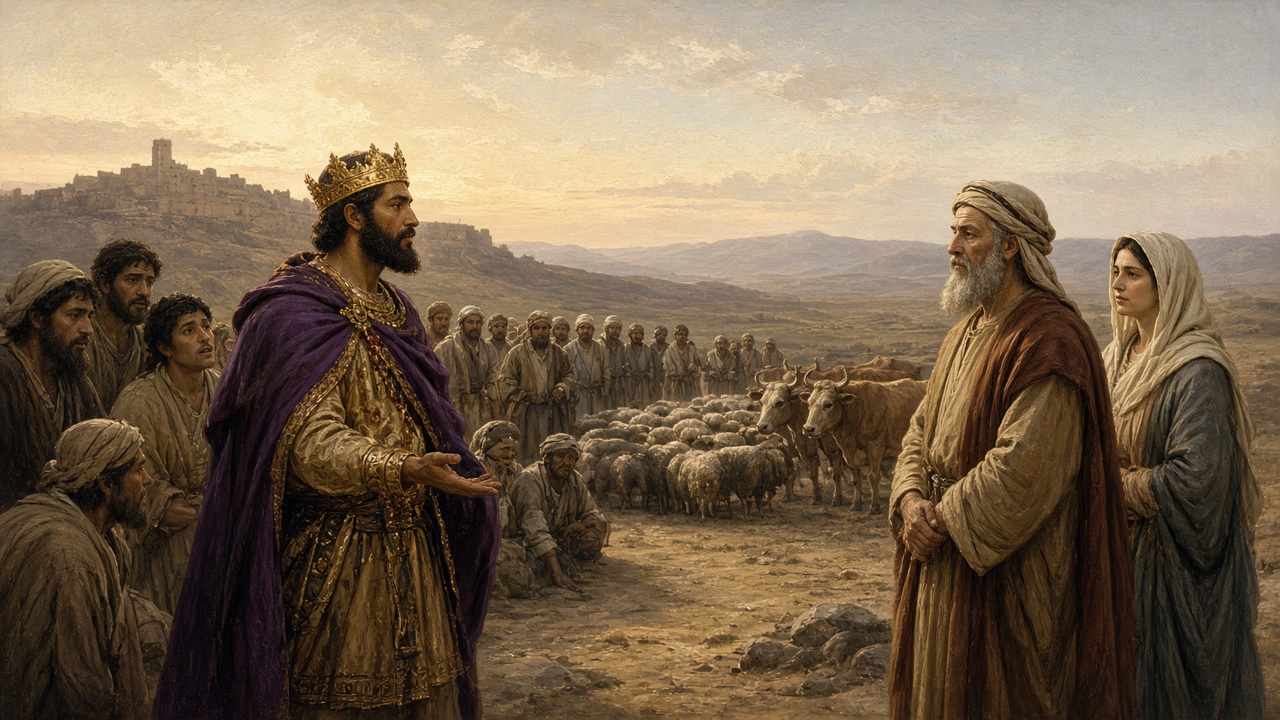
Did you know?
Sister and Wife in Gerar
- Abraham was staying in Gerar, a very ancient town and district on the southern border of Palestine, then ruled by a king named Abimelech. He had journeyed to the Negev, the arid district south of Palestine on the caravan route toward Egypt, and settled between Kadesh and Shur. Shur, a name meaning “wall,” was a desert region on Egypt’s northeastern edge, probably named for the frontier wall the Egyptians built there.Sources: the Bible text itself · Gerar · Negeb · Shur
- When Abraham said that Sarah was his sister, the kinship was not wholly invented: she was also his half-sister, the daughter of his father but not of his mother. Easton's Bible Dictionary (1897) gives the name Sarah as meaning “princess,” and says that name was given when it was announced that she would be the mother of the promised child.Sources: the Bible text itself · Sarah
- The name Abimelech appears again at Gerar in Isaac’s story. Easton's Bible Dictionary (1897) describes that later king as probably the son of the Abimelech Abraham met, and says he rebuked Isaac for a similar deception about his wife Rebekah, which the king discovered by accident. The same work says Gerar seems to have been a rich pastoral country.Sources: Abimelech (King of Gerar) · Gerar
Notes written with AI assistance from open sources (Theographic Bible Metadata, CC BY-SA 4.0; Easton’s Bible Dictionary, public domain) and reviewed before publishing.
Places in this chapter
- Negeb · 31.245, 34.841 · verse 1
Only places identified with high confidence are shown (90% or more according to the scholarly sources compiled by OpenBible). Period map: DARE (Digital Atlas of the Roman Empire), CC BY 4.0; modern map: © OpenStreetMap contributors; places: OpenBible.info (CC BY 4.0).
Credits and license for this translation
Meeŋka Jooŋ
Jumjum Bible Translation
copyright © 2023 Pioneer Bible Translators
Language: (Jumjum)
Contributor: Pioneer Bible Translators
This translation is made available to you under the terms of the
Creative Commons Attribution Share-Alike license 4.0.
You have permission to share and redistribute this Bible translation in any format and to make reasonable revisions and adaptations of this translation, provided that:
You include the above copyright and source information.
If you make any changes to the text, you must indicate that you did so in a way that makes it clear that the original licensor is not necessarily endorsing your changes.
If you redistribute this text, you must distribute your contributions under the same license as the original.
Pictures included with Scriptures and other documents on this site are licensed just for use with those Scriptures and documents.
For other uses, please contact the respective copyright owners.
Note that in addition to the rules above, revising and adapting God's Word involves a great responsibility to be true to God's Word. See Revelation 22:18-19.
2025-05-06
Source: http://ebible.org/jum/ · eBible.org