John 12
Tẹsitamenti Ikne n'Ọnu Ikwere · Tap a verse to see its cross-references.
Be teru Jizọsi mọno // nụ Bẹtani
1Ọ gwnarnụ ọbochi isunu Iriri Ọgawhe ele Ju dụ. Jizọsi znernu Bẹtani hne Lazarọsi nwerukna wam o mernu o hi n'ẹnwu lizọ. 2Be sinu Jizọsi wiri anyasnu, Mata neezne izi, Lazarọsi bụ otu nụ ele Jizọsi dazị neeri wiri. 3Meri gweru otu olori mọno otute zị gburu ọnu be jiri nadi zị snam mee, ke nwernu ẹknarna ọma wụsi n'ọchi Jizọsi, gweru rukeri-ize a kwnosnama a. Ẹknarna mọno wam jihịa rime ọro.
4Otu nụ rime ele sno apna Jizọsi be kwu Judasị Isikarịoti, nye jeere Jizọsi, kaa, 5“Kịni mernu be réle mọno otute ka riwhu mkpụru ịwai ẹto, kesi ele mboni?”
6Ọ bụ́o nụ nhne gbasịri ele mboni neemetụ a nụ mkpọma mernu o jiri kwu kpa. Kọvu kwnornu nụ ọ bụ nye buznu, ya neeji rẹkpa ịwai be, neeri nhne zị a nụ rime.
7Jizọsi sarụ a, “Gharụ nwerinya ka, ọ bịtaru ka kwnornu ọbochi be jeeli m. 8Jị nụ ele mboni zị kpakara ige, me nụ jị jáazị kpakara ige.”
Be gbarụ iznuznu // o gbu Lazarọsi
9Agịda ele Ju nụrnu nụ Jizọsi zị nụ Bẹtani, be va, ọ bụ́o kwnornu Jizọsi kpọi, kọvu ma be whnụrnu Lazarọsi nye Jizọsi mernu o hi n'ẹnwu lizọ. 10Ele risi arịohna ma mmụma kpa be joogbu Lazarọsi masị. 11Agịda ele Ju gharụru ele risi ele Ju kweru nụ Jizọsi kwnornu Lazarọsi.
Jizọsi bnaznernu // Jerusẹlem
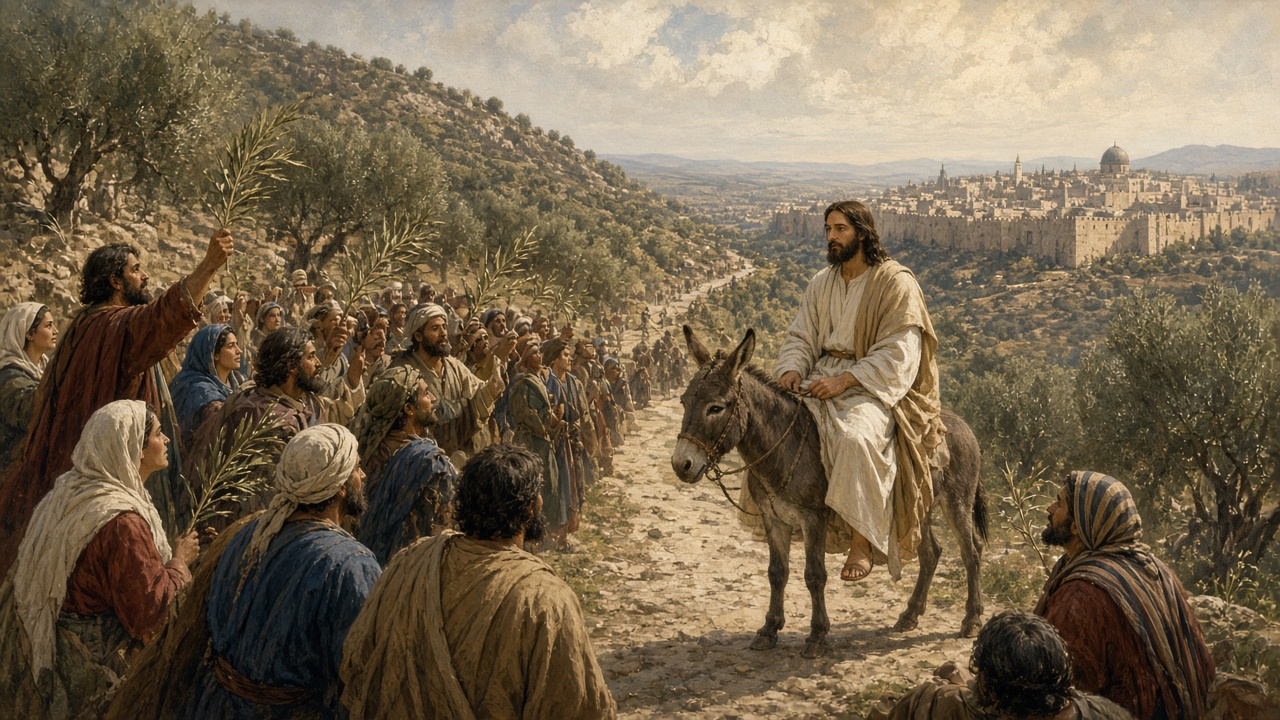
12N'ọbochi ke sno a, agịda ele badnụ ele varụ Iriri Ọgawhe nụrnu nụ Jizọsi vawa Jerusẹlem. 13Be gburu igwugwu bụkwu whọga zne kwnusi a, neesi lụlo,
“Ozana! Chiokike gọzi nye naava nụ rẹwhna Nyenwe aị,
Chiokike gọzi eze Izirẹli.”
14Jizọsi pohịa otu nnwọ ịyinya dazịri n'olu a, lele kpa ọkwukwo nsọ kwuru,
15“Ị tụ́ko ogwnu, jị adna Zayọni,
Le, eze i gba nnwọ ịyinya naava.”
16Ele sno apna a ghọ́yage n'ige wam, kọvu nga Jizọsi hiri n'ẹnwu lizọ n'igwugwu, be chenwanya nhne ọkwukwo nsọ kwuru gbasịri a nụ be mernu a nhne ka.
17Agịda ele badnụ wam whnụrnu nga Jizọsi sukwuhịaru Lazarọsi n'ilili, mee ma o hi n'ẹnwu lizọ. Be kahịaru nhne mernu. 18Ka kpayarụ agịda ele badnụ znekwnusi a, kwnornu nụ be nụrnu nụ ọ rnụrnu ẹrnu ndu-ẹhni ka. 19Ele Farisi kanụ ibne be, “Le, ọ zá nhne a neemeli, kpakara ọwa sno a n'aznụ.”
Agwna ele Giriki noopio // Jizọsi
20Agwna ele Giriki znernu Jerusẹlem n'ige Iriri wam zne kpọnu Chiokike risi ẹli. 21Be vakwnusi Filipu nye Bẹtesaida nụ ẹli Galili, kaa, “Nda-aị-kwu, a noopio ọ whnụ Jizọsi.” 22Filipu zne kanụ Anduru, be lawụru zne kanụ Jizọsi.
23Jizọsi sarụ be, “Ige wam valẹm ma be nyee Nnwọ ke Badnụ igwugwu. 24M kanụ anụ ezi ọka, otu mkpụru ịkpa zị etekne nga be kpásịla a nụ rime n'ẹli. Nga be kpasịri a, ọ nwụma, fuhịa, mịi agịda ike ịkpa berere. 25Nye ọbula ke nọowhnu bụdnu a n'anya jootuwhu a, kọvu nye sno bụdnu a irno n'ọwa ka jaabịta a dụ bụdnu kwó okwo. 26Nye ọbula ke nọornunu m ẹrnu joosno m n'aznụ. Hne me zị nnwọ izi m jaazị pịi. Nda m jọosobisinu nnwọ izi m.
Jizọsi kwuru ọka // gbasịri ẹnwu a
27“Kịtna mkpọma m naala mini. Ndaa nhne me jaakaa? M jaakaa, ‘Nda m, i kwékọ ige ka va’? Kọvu ka bụ risi nhne me kwnornu va. 28Nda m, nyee rẹwhna ị igwugwu.”
Otu nkọli hiri n'oligwe dna, kaa, “M nyene m a igwugwu, m jeenye kwno a igwugwu berere.”
29Igbudu ele badnụ wam gwuzo pịi kaa, “Egbe oligwe gbarụ.” Ele berere kaa, “Enine izi kwunnu a ọka.”
30Kọvu Jizọsi karụ, “Ọ bụ́o kwnornu me nhne nkọli ka kwuru ọka, ọ bụ kwnornu anụ. 31Kịtna bụ ige be jeekpe ọwa ka ikpe, kịtna be jẹechihala nye risi ke ọwa ka. 32Kọvu me, ọ bụru nụ be gwelizọ m olu n'ọwa, m jọodoru kpakara badnụ nyee ẹhni m.” 33O kwuru ka ma o gesi ọkpa ẹnwu ọ jọonwu.
34Igbudu ele badnụ wam kaa, “A nụrnu hite n'iwu aị nụ Karaịsi jaazị tim tọm. Ndaa kpa ị naakaa nụ be gwelizọ Nnwọ ke Badnụ olu? Nyele bụ Nnwọ ke badnụ?”
35Jizọsi kanụ be, “Anụ jeenwe iwhne ige matị, anụ zne izne nụ rime a, ọ zị ọchichiri vakwnusi anụ. Kwnornu nụ nye neezne izne n'ọchichiri máa nhne o neezne. 36Anụ tụkwasi ovu n'iwhne kịtna anụ nwernu a, ma anụ bụru rụmu ke iwhne.” Nga Jizọsi kwukworu ọka ka, ọ whọga, tugwa ẹhni a.
Ókwe ekwe ke ele Ju
37Ọ bụ n'ezi nụ Jizọsi rnụrnu kpakara ẹrnu ndu-ẹhni ka n'anya be, be kwéruge nụ ya. 38Ka bụ ma nhne Azaya nye ọwhnurninya kwuru mezu,
“Nyenwe aị, nyele kweru izi a ziri,
ndaa nye Nyenwe aị kpumennu aka dikne a?”
39Kwnornu nụ be kwéle, Azaya kwuru nụ hne berere,
40“Chiokike mernu be kpu isni,
mee mkpọma be bụru nhne nwụrnu ọnwu,
ma be gharụ o ji anya be whnụ ọsno,
gweru mkpọma be ghọhia, ma be tụhnasna,
ma m gwọ m be.”
41Ka bụ nhne Azaya kwuru kwnornu nụ ọ whnụrnu igwugwu Jizọsi, o kwu ọka gbasịri a.
42N'ige wam agịda ele risi ele Ju kweru nụ Jizọsi, kọvu kwnornu nụ ele Farisi, be nwée rikne kwuhịa nhne gbasịri a, ọ zị be chịhala be n'ọro ọgbako ele Ju. 43Be mernu kpa, kwnornu nụ be whnụrnu ọznarni ke badnụ n'anya kakwo ọznarni ke Chiokike.
Ikwu-ọnu Jizọsi // jeekpe ikpe
44Jizọsi gweru okne nkọli siwama, kaa, “Nye ọbula ke kweru nụ me, o kwéruge nụ me kpọi, kọvu ma nụ nye ziyaru m. 45Nye ọbula ke neele m anya jọowhnu nye ziyaru m. 46M varụ m n'ọwa lele iwhne, ma nye ọbula ke jeekweru nụ me jáadazịgidne n'ọchichiri.
47“Nye ọbula ke jọonu ikwu-ọnu m, kọvu zá naabịta be, m jéekpe a ikpe, kwnornu nụ m váge m o kpe ọwa ikpe, kọvu ọ znọhia ọwa. 48Nye ke zụsaru m, zá naabịta ikwu-ọnu m nwernu nye jeekpe a ikpe. Ikwu-ọnu me kwuru jeekpe a ikpe n'ọbochi ipne-aznụ. 49Kwnornu nụ m kwúge m ọka ke m, kọvu Nda m nye ziyaru m nyernu m iwu nhne me jaakaa, nụ nhne me jookwu. 50M magwụ m nhne o nyernu n'iwu bụ bụdnu kwó okwo. Nhne me kwuru bụ nhne Nda m karụ me kwu.”
Did you know?
The Anointing at Bethany and the Entry into Jerusalem
- Bethany, where Jesus arrived six days before the Passover, lay about two miles east of Jerusalem on the southeastern slope of the Mount of Olives, along the road to Jericho, and took its name from the palm trees that grew there. It was the home of Lazarus, whom Jesus had raised from the dead after four days in the tomb, and of his sisters Martha and Mary; the chief priests planned to kill Lazarus as well, because on his account many people were believing in Jesus.Sources: the Bible text itself · Bethany · Lazarus
- At a dinner where Martha served and Lazarus reclined at the table, Mary anointed Jesus' feet with about a pint of expensive perfume made of pure nard and wiped them with her hair, so the house was filled with the fragrance. Judas Iscariot, son of Simon, whose surname means a man of Kerioth, asked why it was not sold for three hundred denarii for the poor; he was a thief who, as keeper of the money bag, used to take from what was put into it, and he was going to betray Jesus.Sources: the Bible text itself · Judas Iscariot · Simon
- The next day the great crowd that had come for the feast took palm branches and went out to meet Jesus as he came to Jerusalem, seated on a young donkey, shouting praise to the King of Israel, as it is written of the Daughter of Zion. Zion was the southeastern hill of Jerusalem, where David built a citadel and a palace after taking it, so that it became the city of David. At first his disciples did not understand these things, but after Jesus was glorified they remembered that they had also been written about him.Sources: the Bible text itself · Zion
Notes written with AI assistance from open sources (Theographic Bible Metadata, CC BY-SA 4.0; Easton’s Bible Dictionary, public domain) and reviewed before publishing.
Places in this chapter
- Jerusalem · 31.777, 35.234 · verses 11, 12, 20
- Zion · Today: Jerusalem · 31.777, 35.234 · verse 15
- Galilee · 32.760, 35.527 · verse 21
Only places identified with high confidence are shown (90% or more according to the scholarly sources compiled by OpenBible). Period map: DARE (Digital Atlas of the Roman Empire), CC BY 4.0; modern map: © OpenStreetMap contributors; places: OpenBible.info (CC BY 4.0).
Credits and license for this translation
Tẹsitamenti Ikne n'Ọnu Ikwere
New Testament in Ikwere
copyright © 2010 Wycliffe
Language: Ikwere
Translation by: Wycliffe
Ikwerre – (ikw) Nigeria
The Iwerre language of Nigeria can also be spelled Ikwere and Ikwerri. This language is spoken primarily by the Ikwerre people who live in the Rivers State of Nigeria and is one of the many ethnic groups in the Niger Delta. There were more than 23,000 speakers of this language in 1973. There is also a considerable local interest in literacy and grammar.
Copyright Information
© 2010, The Nigeria Bible Translation Trust. All rights reserved.
This translation text is made available to you under the
terms of the Creative Commons License: Attribution-Noncommercial-No Derivative Works.
( http://creativecommons.org/licenses/by-nc-nd/3.0/ )
In addition, you have permission to port the text to different file formats, as long as you
do not change any of the text or punctuation of the Bible.
You may share, copy, distribute, transmit, and extract portions
or quotations from this work, provided that you include the above copyright
information:
You must give Attribution to the work.
You do not sell this work for a profit.
You do not make any derivative works that change any of the actual words or punctuation of the Scriptures.
Permissions beyond the scope of this license may be
available if you contact
us with your request.
Printed book ISBN 9789789076369
New
The New Testament
in Ikwere
© 2010, The Nigeria Bible Translation Trust. All rights reserved.
This translation is made available to you under the terms of the
Creative Commons Attribution-Noncommercial-No Derivatives license 4.0.
You may share and redistribute this Bible translation or extracts from it in any format, provided that:
You include the above copyright and source information.
You do not sell this work for a profit.
You do not change any of the words or punctuation of the Scriptures.
Pictures included with Scriptures and other documents on this site are licensed just for use with those Scriptures and documents.
For other uses, please contact the respective copyright owners.
2019-08-09
Source: http://ebible.org/ikwNT/ · eBible.org