Luke 9
Elu Ọhụn: Ẹkụkwọ-Nsọ (Azụụn Ọhụn rịn'a) · Tap a verse to see its cross-references.
Jesu E Zipụ Ụmụ-azụụn Mmẹbụọ Hụ
1Jesu nọ kpọkikomẹ ụmụ-azụụn a mmẹbụọ hụ, ye wẹ ikẹn hụn eje-mmọn ile e gi rị okpuru wẹ lẹ hụn wẹ e gi gwọ ọrịa. 2Ya ọ nọ zipụ wẹ kẹni wẹ jẹn d'e zi ozi Alị-eze Osolobuẹ lẹni wẹ jẹn d'a zụọ ndị emu rị a kụ. 3Ọ nọ sị wẹ, “Ewerilẹ ni ihiẹn ọwụlẹ ụnụ jẹnkọnị: kẹ ọkpọ, kẹ ẹkpa, kẹ ihiẹn-oriri, kẹ egho; ewerilẹ ni ẹkwa ọzọ che ni hụn ụnụ yi. 4Ụlọ ọwụlẹ wẹ nọ nabanhan ụnụ, nọdị nị ebahụn d'e ru mgbe ụnụ gha obodo hụ pụ. 5Ebe ọwụlẹ wẹ nọlẹni nabanhan ụnụ, ụnụ pụkọnị obodo hụ, kpukpupụ nị ẹjan rị ụnụ ụkụ n'ọ wụrụ ihiẹn wẹ gi shịagbu wẹ ẹri.” 6Ụmụ-azụụn hụ nọ jẹnmẹ, a ghasọnmẹ wẹ ụmụ-alị ile rị ichẹn-ichẹn, e zi oziọma, a gwọ ọrịa ebe ile wẹ ru.
Obi Eruzini Hẹrọdụ Alị
7Ogẹn Hẹrọdụ, hụn rị a kị azụụn Galili, gi nụ ihiẹn ile rị e mẹni, obi eruzin'ẹ alị. Makẹni o nwẹ ndị rị a sị nị Jọnụ hụn e mẹ mirin-Chuku a ghagụọ ọnwụn lihi; 8ndị hụ imẹ wẹ sị nị Ẹlaịja a pụhagụọ; ndị hụ imẹ wẹ sịzị nị onyẹ ohu imẹ ndị-amụma mbụ e lihigụọ. 9Hẹrọdụ nọ sị, “E bepụgụọ m Jọnụ isi; onyẹ wụzị nwan onyẹni m rị a nụ otiti ẹ?” 'Ya ọ nọ chọma n'ọ hụn Jizọsị.
Jesu E Ye Igunrun Hi-ogbe Ihiẹn-oriri
10Ndị-ozi hụ pụ-ichẹn a lụaha, wẹ nọ gwa Jesu ihiẹn ile wẹ mẹsọnmẹ ebe wẹ jẹn. Ọ nọ gi nzuzue weri wẹ pụ, wẹ nọ si obodo w'a kpọ Bẹsaịda. 11Kanị ogẹn igunrun ndị ahụn gi nụ a, wẹ nọ rusọnmẹ ẹ. Ọ nọ nabanhan wẹ, gwa wẹ oku Alị-eze Osolobuẹ, zụọ ndị hụn chọ nzụọrị.
12Ogẹn anwụn gi rọma, ụmụ-azụụn a mmẹbụọ hụ nọ bịa d'e kunrun ẹ, sị a, “Sị igunrunni lama, nị wẹ jẹn obodo ndị mẹ ẹkẹrẹ-ẹkẹrẹ lẹ alị-ọfịa rị ẹgbẹrẹnị d'a chọrị ihiẹn wẹ sikọ d'e ri lẹ ebe wẹ k'a ranhịn, makẹlẹ o nwọnni onyẹ bi ebeni ẹnyi rị.” 13Kanị Jizọsị nọ sị wẹ, “Ụnụ lẹ enwẹn ụnụ, yeni wẹ ihiẹn wẹ jẹnkọ d'e ri.”
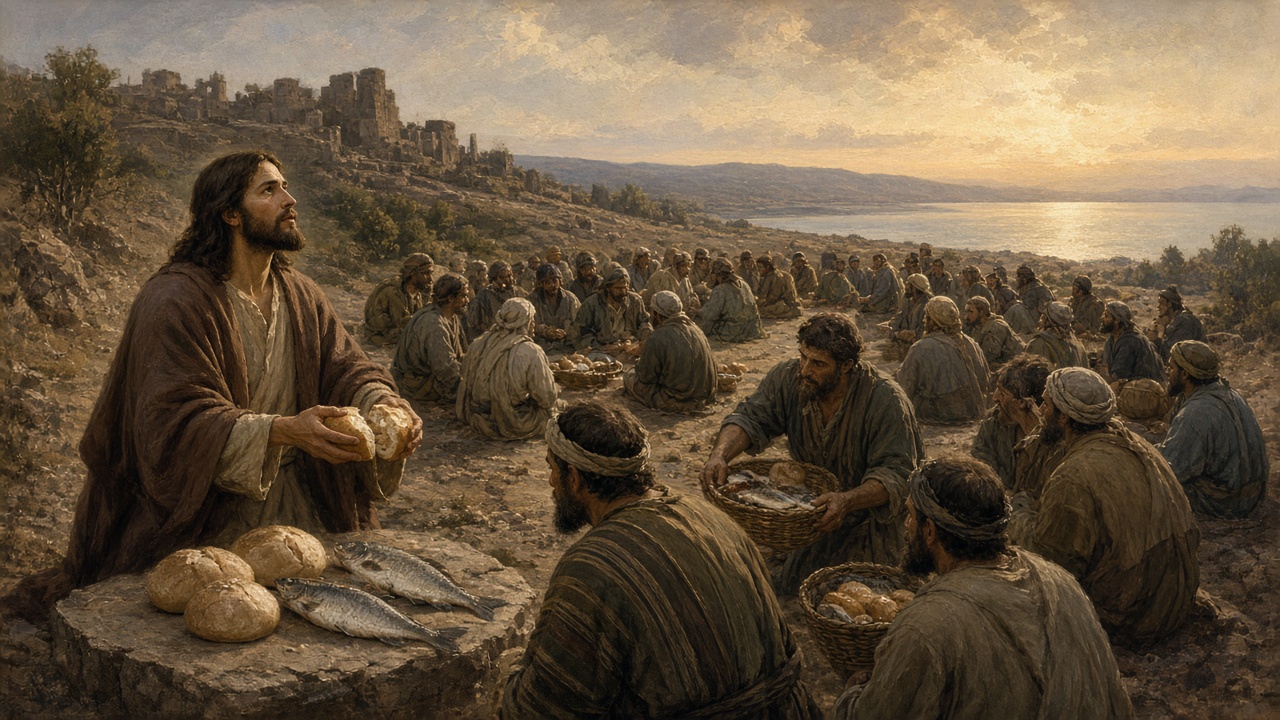
Wẹ nọ sị a, “Ogbe-brẹdi isẹn lẹ azụn ẹbụọ sụọ kẹ ẹnyi nwọn—mmanị ị chọ nị ẹnyi jẹn d'e ṅọn ni igunrunni ile ihiẹn-oriri.” 14Makẹni wẹ rị ihiẹn rịkẹ ikẹnnyẹ ọgụn-iri-kwasị-nnụ-mmẹbụọ (hụn wụ nnụ-uku isẹn). 'Ya ọ nọ sị ụmụ-azụụn a, “Dọnmẹsọnmẹ ni wẹ ọkụdụ-ọkụdụ—ihiẹn nọkẹ mmadụ iri-kwasị-ọgụnnaị nọdịsọnmẹ ọkụdụ-ọkụdụ.” 15Ụmụ-azụụn a nọ mẹ k'o ku, wẹ nọ sị ndị hụ ile nọdịsọnmẹ alị. 16Jesu nọ weri ogbe-brẹdi isẹn hụ lẹ azụn ẹbụọ hụ, o lee ẹnya elu-igwee, ye Osolobuẹ ekele, 'ya ọ nọ bebe wẹ, weye ụmụ-azụụn a nị wẹ kesọnmẹ ni igunrun hụ 'ya. 17Wẹ ile nọ rijunchanrịn ẹfọ. Wẹ nọ kpọnkikomẹ hụn họdụnị, ọ nọ jun ụkpalị mmẹbụọ.
Pita E Ku Onyẹ Jesu Wụ
18Ụhụọhịn ohu, Jesu sụọ nọdị e mẹ ekpere. Ụmụ-azụụn a sụọ nọkunmẹ ẹ. Ọ nọ jụ wẹ, sị, “Onyẹ kẹ wẹ sị nị ịya kẹ m wụ?” 19Wẹ nọ sị, “Ndị hụ imẹ wẹ sị nị ị wụ Jọnụ hụn e mẹ mirin-Chuku; ndị hụ imẹ wẹ sị nị ị wụ Ẹlaịja; ndị ọzọ sị nị onyẹ ohu imẹ ndị-amụma mbụ a ghagụọ ọnwụn lihi—nị ịya k'ị wụ.”
20Ọ nọ nwan sị wẹ, “Onyẹ kẹ ụnụ lẹ enwẹn ụnụ sị nị ịya kẹ m wụ?” Pita nọ za, sị, “Ịyụ wụ Kraịstị Osolobuẹ, Onyẹ Hụ Osolobuẹ Tumẹ.”
Jesu E Ku Ẹ N'o K'a Ta Afụnfụn, Nwụnhụn, Lihizi
21'Ya Jizọsị nọ dọkẹnmẹ wẹ ẹka-ntịn, sị wẹ agwakwọlẹ onyẹ ọwụlẹ ihiẹnni. 22Ọ nọzị sị wẹ, “Nwa nke Ịhịan jẹnkọ d'a tarịrị okẹn afụnfụn ẹka ndị-isi lẹ ndị-isi nchụ-ẹjan lẹ ndị-nkuzi Iwu. Wẹ sikọ d'a jụ a, gbu ẹ—kalẹ, nke akp'ọhịn ẹtọ Osolobuẹ sikọ d'a gha ọnwụn weli ẹ.”
23Ọ nọ sị wẹ, “Onyẹ ọwụlẹ chọ n'o sọnmẹ m, 'ya jụ enwẹn ẹ, buru obe ẹ ụhụọhịn ile, sọnmẹ m. 24Makẹni onyẹ ọwụlẹ chọ n'o ghe isi ẹ, isi ẹ a tọ a; kanị, onyẹ ọwụlẹ hụn gi ufiri m tuhu ndụn a jẹnkọ d'a zụọpụha a. 25Elee erere k'ọ ban nị ịhịan, ọwụnị o nwọnchanrịngụụ ụwa ile, 'ya lẹ enwẹn ẹ e tuhu?”
26“Makẹni, onyẹ ọwụlẹ hụn mẹ ifẹnrẹn mmẹ lẹ oku-ọnụ m, onyẹ hụ kẹ mmẹ wụ Nwa nke Ịhịan sikọ d'e mẹzi ifẹnrẹn ẹ ogẹn m jẹnkọ d'e gi gi ọghọ m lẹ nke Chuku-Nẹdi lẹ nke ndị mmọn-ozi nsọ bịa. 27M rị a gwa ụnụ ezioku, ndị hụ imẹ ndị turu ebeni anwụnkọ d'e ru ni a hụn wẹ Alị-eze Osolobuẹ.”
Jizọsị E Nwọnhutọ
28Ọ rị ihiẹn rịkẹ akpụ-ụhụọhịn ẹsatọ Jesu kugụụ ihiẹn ndịnị, ọ nọ weri Pita lẹ Jọnụ lẹ Jemisi si elu ugu d'e mẹ ekpere. 29K'ọ rị e mẹ ekpere, ihun ẹ nọ nwọnhutọ, ẹkwa a nọ nwunmẹ nke ọchan, gbukepụma. 30Idẹnmizi 'ya lẹ ikẹnnyẹ ẹbụọ nọ kumẹ oku. Ikẹnnyẹ ndị ahụn wụ Mozizi lẹ Ẹlaịja; 31wẹ gi ọghọ pụ-ichẹn pụha; wẹ lẹ Jizọsị rị e ku oku ụla o jẹnkọ d'a la ghaghanị ọnwụn o k'a nwụn imẹ Jerusalẹm gi mẹzu uche Osolobuẹ. 32Ẹnya ụran rị e mẹ Pita lẹ ndị 'ya lẹ wẹ nọdị ọda-ọda, kanị ogẹn ụran gi fọn wẹ ẹnya, wẹ nọ hụn ọghọ Jizọsị, hụnzịkwọ ikẹnnyẹ ẹbụọ ahụn turuye ni n'ẹ. 33Hụn ikẹnnyẹ ẹbụọ hụ gi latọkọ Jesu, Pita nọ sị Jesu, “Di-nwọnni-ẹnyi, ọ rịka mma nị ẹnyi nọdịchanrịn ebeni! Nị ẹnyi tụn ọdụ ẹtọ: nke i wụ ohu, nke Mozizi wụ ohu, nke Ẹlaịja wụ ohu.” (Ọ marịn ihiẹn ọ rị e ku, kaka!) 34Ogẹn o gi rị e ku ihiẹnni, orukpu nọ pụha d'e kpumẹ wẹ; egun nọ tụma ụmụ-azụụn a ndị hụ ogẹn orukpu hụ gi rị e kpumẹ wẹ. 35Olu nọ gha imẹ orukpu hụ sị, “Ọnwan wụ Nwa m, Onyẹ hụn m họrị—gọn n'ẹ ntịn!” 36Mgbe olu hụ gi kugụụ, Jesu sụọ kẹ wẹ hụnzị.
Ụmụ-azụụn a ẹtọ hụ ekupụhadẹni oku ihiẹnni wẹ hụn ogẹn hụ wẹ gi hụn a; agwanị wẹ onyẹ ọwụlẹ ihiẹn wẹ hụn.
Jesu A Zụọ Nwata Okẹnnyẹ Eje-mmọn Rị Imẹ Ẹ
37Eki e fọn, ogẹn Jesu lẹ ụmụ-azụụn a ẹtọ ahụn gi gha elu ugu hụ hidan, igunrun hi-ogbe nọ kunrun Jesu. 38Okẹnnyẹ ohu nọ gha imẹ igunrun hụ yi oro, sị, “Onyẹ-nkuzi! Dodo, lee nwa m—ịya sụọ kẹ m mụ! 39O nwẹ eje-mmọn e kwọndọn n'ẹ: o m'ẹ a dọbepụ oro, ụfọfọ a pụhama a ọnụ; ọ rụ a ẹhụ; a ra yen'ẹ efe! 40M rịọ ụmụ-azụụn ị wẹ chụpụ a, asanị wẹ ẹka.” 41Jesu nọ shịarị, sị, “Eje-agbọ nwọnlẹni okukwe kẹ ụnụ wụ! Nanị kẹ mmẹ lẹ ụnụ jẹnkọ d'a nọbiehan?! Elee ogẹn kẹ m k'e dinruni ụnụ ndidi?!” 'Ya ọ nọ sị okẹnnyẹ hụ, “Wẹhẹ nwa ị ebeni.” 42Ogẹn nwata-okẹnnyẹ ahụn gi pụla, eje-mmọn hụ nọ kwantuzi ẹ, dọma a, kanị Jesu nọ jụgbọ eje-mmọn hụ, zụọ nwata hụ, we ẹ ye nẹdi ẹ. 43Ikẹnni hi-ogbe Osolobuẹ kpa nọ tụ ndị hụ ile ẹnya.
Jizọs' E Kuzi Oku Ọnwụn A
Kẹ ihiẹn ile Jesu rị e mẹ rịkwọ a tụ ịhịan ile ẹnya, ọ nọ sị ụmụ-azụụn a, 44“Azọkwọlẹ ni ihiẹnni m jẹnkọ d'a gwa ụnụ kikẹnni: Wẹ sikọ d'e re Nwa nke Ịhịan ye ndị ịhịan.” 45Kanị ụmụ-azụụn a aghọtanị ihiẹn ọ rị e ku. Wẹ zuemẹ ni wẹ ịya, amamgbe w'a ghọta a—bụ egun anịnị wẹ jụ a ihiẹn o gi ẹ ku.
Onyẹ Kachanrịn Ibe Ẹ
46Ogẹn ohu, ụmụ-azụụn Jesu nọ dọma oku onyẹ hụn jẹnkọ d'a kachanrịnnị imẹ wẹ. 47Jizọsị a marịngụọ ihiẹn wẹ rị e ro imẹ obi wẹ, 'ya ọ nọ weri nwa-ndu ohu, w'ẹ wuzo ẹhụ a, 48sị wẹ, “Onyẹ ọwụlẹ gi ufiri ẹfan m nabanhan nwata nọ ẹnịna nabanhan m, bụ onyẹ hụn nabanhan nị m nabanhan onyẹ hụn zini m. Makẹni onyẹ hụ kachanrịn ẹkẹrẹ imẹ ụnụ ile, ịya wụ onyẹ hụn kachanrịnnị.”
Onyẹ Ghalẹni A Nọkin Ụnụ Ụzọ Rị Azụụn Nke Ụnụ
49Jọnụ nọ sị Jizọsị, “Di-nwọnni-ẹnyi, ẹnyi hụn okẹnnyẹ ohu rị e gi ẹfan ị a chụpụ eje-mmọn, ẹnyi nọ sị a kụsị a, makẹni ẹlẹ onyẹ itu ẹnyi.” 50Kanị Jesu nọ sị 'ya lẹ ụmụ-azụụn ndị ọzọ, “Akụsịlẹ n'a, makẹni onyẹ ọwụlẹ ghalẹni a nọkin ụnụ ụzọ rị azụụn nke ụnụ.”
Obodo Jụ Jesu
51Mgbe ogẹn hụ wẹ jẹnkọ d'e gi we Jizọsị si elu-igwee gi rumẹ, ọ nọ kwademẹchanrịn obi ẹ jẹnmẹ Jerusalẹm, o leni ẹnya azụụn. 52Ọ nọ zi ndị-ozi buru n'ẹ ụzọ. Wẹ nọ banye obodo ohu rị imẹ Samerịa d'a kwademẹ n'ẹ ihiẹn. 53Kanị ndị rị ebẹhụ anabanhann'a makẹni Jerusalẹm kẹ ẹnya a rị. 54Ogẹn ụmụ-azụụn a wụ Jemisi lẹ Jọnụ gi hụn ihiẹnni, wẹ nọ sị, “Di-nwọnni-ẹnyi, y'a chọghọ nị ẹnyi gha elu-igwee kpọtu ọkụn n'o ripụ wẹ [kẹ Ẹlaịja dọn mẹ]?” 55Kanị Jesu nọ gbehutọ, jụgbọ wẹ, [sị, “Ụnụ amarịn ụdị obi ụnụ nwọn!] [Mmẹ wụ Nwa nke Ịhịan abịanị d'e tikpọ ndụn ịhịan, kama, m bịa d'a zụọpụha wẹ].” 56Ya lẹ wẹ nọ si alị ọzọ mẹ ẹkẹrẹ.
Ndị Hụ Chọ Nị Wẹ Sọnmẹ Jizọsị
57Ogẹn wẹ gi jẹnkọ, okẹnnyẹ ohu nọ sị Jesu, “M k'e sọn i ebe ọwụlẹ i jẹnkọ.” 58Jesu nọ sị a, “Ufu nwọn okporo ebe w'e bi; nnụnụ nwọnzikwọ ẹkụụ; kanị mmẹ wụ Nwa nke Ịhịan enwọn ebe m'e buche isi m.” ufu|src="bk00051c.jpg" size="col" loc="LUK 9" copy="Horace Knowles; The British & Foreign Bible Society" ref="9.58"
59Jesu sị okẹnnyẹ ọzọ, “Sọnmẹ m.” Kanị okẹnnyẹ hụ nọ sị, “Di-ọkpa, nị m bu ụzọ jẹn d'e ligụụ nẹdi m.” 60Ya Jesu nọ sị, “Hapụ ndị nwụnnị nị wẹ li ndị nke wẹ nwụnnị. Ịyụ nwẹn, jẹnmẹ d'e zi ozi Alị-eze Osolobuẹ.”
61Onyẹ ọzọ sịzị, “Di-ọkpa, m jẹnkọ d'e sọn i, kalẹ, nị m bugụụ ụzọ jẹn d'a sị ezi-lẹ-ụlọ m, ‘Nọdị nị ọhụnma.’ ” 62Jizọsị nọ sị a, “Onyẹ ọwụlẹ hụn e buchegụụ ẹka ọrụn e lee ẹnya azụụn, efuruni Alị-eze Osolobuẹ.”
Did you know?
Mission, identity, and the road to Jerusalem
- Herod the tetrarch, perplexed by reports about Jesus, is Herod Antipas, Herod's son by Malthace. He said he had beheaded John, while some claimed that John had risen from the dead, others that Elijah the Tishbite, the "Elias" of the New Testament, had appeared, and still others that a prophet of old had arisen. One chronology of these events dates John's beheading to AD 29.Sources: Herod Antipas · Elijah · John Beheaded · the Bible text itself
- After the apostles returned, Jesus withdrew with them to a town called Bethsaida, where he welcomed the crowds, spoke about the kingdom of God, and fed about five thousand men with five loaves and two fish. Easton's Bible Dictionary (1897) places this Bethsaida on the east side of the lake, two miles up the Jordan, in the region of Gaulonitis; Philip the tetrarch enlarged it and called it Julias, after the emperor's daughter. Some have supposed there was only one Bethsaida, built on both sides of the lake near where the Jordan enters it; the entry identifies the ruins as et-Tel.Sources: Bethsaida · the Bible text itself
- Peter, originally called Simon, answered that Jesus is "the Christ of God." About eight days later Jesus took Peter, James, and John up a mountain to pray; Moses and Elijah appeared in glory and spoke about the departure Jesus was about to accomplish at Jerusalem. James, elder brother of John and a fisherman in partnership with Peter, was with them; he and John were called Boanerges, "sons of thunder," probably because of their boldness and energy, and later they asked whether they should call down fire from heaven on a village of the Samaritans that would not welcome Jesus because he was heading for Jerusalem.Sources: Simon Peter · James (Son of Zebedee) · the Bible text itself
Notes written with AI assistance from open sources (Theographic Bible Metadata, CC BY-SA 4.0; Easton’s Bible Dictionary, public domain) and reviewed before publishing.
Places in this chapter
Only places identified with high confidence are shown (90% or more according to the scholarly sources compiled by OpenBible). Period map: DARE (Digital Atlas of the Roman Empire), CC BY 4.0; modern map: © OpenStreetMap contributors; places: OpenBible.info (CC BY 4.0).
Credits and license for this translation
Elu Ọhụn: Ẹkụkwọ-Nsọ (Azụụn Ọhụn rịn'a)
Revision of New Testament in Ika
copyright © 2010 Wycliffe
Language: Ika
Translation by: Wycliffe
Ika (ikk) Nigeria
In Nigeria the word Ika is not only the name of the Ika
people, but is also used to designate a local government area in the Akwa Ibom
State. The Ika people are a sub group of the Igbo people. It is interesting to note
that Ika is the name of a town in Croatia is one of the eight Annang local
government areas of the local government areas in Akwa Ibom State. An alternative
name for the Ika people is Ika-Annang. There appears to be another dialect of Ika
that is spoken in Delta State of Nigeria.
Copyright Information
© 2010, Wycliffe. All rights reserved.
This translation text is made available to you under the terms of the Creative
Commons License: Attribution-Noncommercial-No Derivative Works. ( http://creativecommons.org/licenses/by-nc-nd/3.0/ ) In addition, you have
permission to port the text to different file formats, as long as you do not change
any of the text or punctuation of the Bible.
You may share, copy, distribute, transmit, and extract portions or quotations from
this work, provided that you include the above copyright information:
You must give Attribution to the work.
You do not sell this work for a profit.
You do not make any derivative works that change any of the actual words or
punctuation of the Scriptures.
Permissions beyond the scope of this license may be available if you contact us
with your request.
Printed book ISBN 9789789037056
Revision
The New Testament
in Ika
© 2010, Wycliffe. All rights
reserved.
This translation is made available to you under the terms of the
Creative Commons Attribution-Noncommercial-No Derivatives license 4.0.
You may share and redistribute this Bible translation or extracts from it in any format, provided that:
You include the above copyright and source information.
You do not sell this work for a profit.
You do not change any of the words or punctuation of the Scriptures.
Pictures included with Scriptures and other documents on this site are licensed just for use with those Scriptures and documents.
For other uses, please contact the respective copyright owners.
2019-08-09
Source: http://ebible.org/ikkNT/ · eBible.org