Luke 8
Elu Ọhụn: Ẹkụkwọ-Nsọ (Azụụn Ọhụn rịn'a) · Tap a verse to see its cross-references.
Ikpoho Ndị Sọn Jizọsị A Ghahunmẹ
1Otebe ẹkẹrẹ, Jizọsị nọ ghasọnmẹ obodo ndị hi-ogbe lẹ ndị mẹ ẹkẹrẹ, e zi oziọma Alị-eze Osolobuẹ; 'ya lẹ ụmụ-azụụn a mmẹbụọ hụ wị, 2lẹ ikpoho ndị hụ imẹ ndị ọ chụpụ eje-mmọn imẹ wẹ lẹ ndị ọ zụọ ọrịa rị ichẹn-ichẹn. Ikpoho ndịnị wụ Meri hụn w'a kpọ onyẹ obodo Mag'dala, hụn ọ chụpụ eje-mmọn ẹsa imẹ ẹ 3lẹ Juana hụn Chuza di ẹ wụ onyẹ-isi ọrụn imẹ ọgwa Hẹrọdụ, lẹ Suzana, lẹzi ikpoho ndị-ọzọ bu ọda hụn gi ihiẹn wẹ e yeni Jesu lẹ ụmụ-azụụn a ẹka.
Ilu Jesu Gi Onyẹ-ugbo Ta
4Ndị bu ọda nọ rị a gha obodo rị ichẹn-ichẹn a bịa d'e kunrun Jesu. Ogẹn igunrun hi-ogbe gi gbakikomẹgụụ, Jesu nọ ta nị wẹ iluni: 5“O nwọn onyẹ-ugbo hụn jẹn d'a gha mkpụrụ a. K'o dọn rị a gha mkpụrụ imẹ ugbo, ndị hụ imẹ wẹ a danye ọkp'ụzọ, wẹ nọ zọgbu ẹ, nnụnụ nọ ripụ a. 6Ndị hụ imẹ wẹ a danye elu ọmụma, ogẹn wẹ gi pupụha, a kpọpụ wẹ nkụn, makẹni e nwẹn wẹ mirin. 7Mkpụrụ ndị hụ imẹ wẹ a danye imẹ ogun—wẹ lẹ ogun hụ e suepụha, ogun nọ dụngbu wẹ. 8Ndị hụ imẹ wẹ a danye ezigbo alị, e pu wẹ, sue, mị mkpụrụ mmagi-mmagi, mịrudẹ ụzọ ọgụn-isẹn.” Ogẹn o gi kugụụ ihiẹnni, ọ nọ wesi olu elu, sị, “Onyẹ nwọn ntịn o gi a nụ ihiẹn, 'ya nụ!”
Ihiẹn Haịn O Gi Rị A Ta Ilu
9Ụmụ-azụụn Jesu nọ sị a kọwa ilu hụ. 10'Ya ọ nọ sị wẹ, “Osolobuẹ e yegụọ ụnụ oghere ịmarịn ihiẹn-mini rịsọnmẹ Alị-eze Osolobuẹ, kalẹ, nke ndị ọzọ wụ ilu-ilu, ilu-ilu, kẹni ọ wụrụ nị,
‘Wẹ hụ e lee ile,
kanị arị w'a hụn,
wẹ hụ a nụ, kanị arị w'a ghọta.’ ”
Jesu A Kọwa Ilu Onyẹ-ugbo
11Jesu nọ sị, “Ọnwan wụ nkọwa inu hụ: Mkpụrụ hụ wụ oku Osolobuẹ. 12Mkpụrụ ndị hụ danye ọkp'ụzọ wụ ndị hụ nụnị, kanị, Ekwensụ a bịa d'e wefụ ozi wẹ nụ imẹ obi wẹ amamgbe wẹ e kweri, nwọn nzụọpụha. 13Mkpụrụ ndị hụ danye elu ọmụma wụ ndị hụ nụ ozi hụ, gi ịghọghọ nabanhan a. Kanị enwẹ wẹ nkpọgụn—o jẹnmini imẹ obi wẹ; w'e kwerihụ ẹkẹrẹ ogẹn, kanị nlele bịa, a danpụ wẹ. 14Mkpụrụ ndị hụ danye imẹ ogun wụ ndị hụ nụn'a—kanị, ebe wẹ bikọ elu, uhue lẹ akụ-lẹ-ụba lẹ ihiẹn a sụọ ụsụọ rị ụwanị a kpangbu wẹ, mkpụrụ wẹ akazịnị.”
15“Mkpụrụ ndị hụn danye ezigbo alị wụ ndị hụ nụ oku hụ, gi obi wẹ ile nabanhan a, kwọnkẹnmẹ ẹ, dikẹnmẹ ndidi—d'e ru ni a mịpụha wẹ mkpụrụ.”
Ukpẹ Wẹ Gi Afẹrẹ kpumẹ
16“Ịhịan ara mụye ukpẹ, gi ihiẹn kpumẹ ẹ mọbụ rụ a ye okpuru bẹdi. Kama, w'e bu ẹ e che elu obu-ukpẹ, kẹni ndị rị a banhannị legha ụzọ.” 17“Makẹni, o nwọnni ihiẹn ọwụlẹ zuerini hụn jẹnkọlẹni d'a pụha ifọn; o nwọnni ihiẹn ọwụlẹ wẹ kpumẹ hụn jẹnkọlẹni d'a wa.” 18“Kpachanpụ nị nwan ẹnya ihiẹn ụnụ gi ihiẹn ụnụ rị a nụ e mẹ; makẹni ndị hụn nwẹni gi ẹ rụn ọrụn kẹ wẹ sikọ d'e yecheni; kalẹ, ndị hụn nwọnlẹni ihiẹn wẹ gi nke wẹ rụn, wẹ sikọ d'a napụdẹ wẹ hụn nta wẹ nwọn.”
Nnẹ Lẹ Umunẹ Jizọsị
19Ya nnẹ lẹ umunẹ Jizọsị nọ bịa d'e kunrun ẹ, kalẹ asanị wẹ ẹka nọchimẹ ẹ makẹ igunrun hụ rị ebẹhụ. 20Onyẹ ohu nọ sị Jizọsị, “Nnẹ i lẹ umunẹ-i-ikẹnnyẹ turu ezi e che; wẹ chọ nị wẹ hụn ị.” 21Jizọsị nọ sị wẹ, “Ndị hụn a nụ oku Chuku e gi ẹ e bi—uwẹ wụ nnẹ m lẹ umunẹ m!”
Jesu A Kụsị Ẹbi
22Ụhụọhịn ohu, Jesu lẹ ụmụ-azụụn a nọ banye imẹ ụgbọ-mirin, ọ nọ sị wẹ, “Nị ẹnyi fetu ni azụụn hụn-ẹbọ.” 'Ya wẹ nọ jẹnmẹ. 23Ebe wẹ nyankọ, ụran nọ buru Jizọsị. Idumuzi, ẹbi nọ kpọma mirin hụ, mirin nọ junmẹ imẹ ụgbọ, nke wụ nị wẹ ile nọ rị eje-ọnọdị. 24Ụmụ-azụụn a nọ jẹnburu ẹ, kpọtiẹn ẹ, e yi oro, a sị, “Onyẹ-nwọnni-ẹnyi! Onyẹ-nwọnni-ẹnyi! Ẹnyi e d'a nwụn!” Jizọsị nọ tẹnhin, jụgbọ ẹbi hụ lẹ ebiri-mirin hụ; wẹ ile nọ kụsị, ebe ile nọ mẹ rajụụ. 25'Ya ọ nọ sị ụmụ-azụụn a, “Elebe kẹ okukwe ụnụ rị?” Kanị ọ tụ wẹ ẹnya, tụ wẹ egun; wẹ nọ jụma ibe wẹ, “Onyẹ wụkwọ nwan okẹnnyẹni? O yedẹ ẹbi lẹ ebiri-mirin iwu, a gbaye w'ẹ!”
Jesu A Zụọ Onyẹ Eje-mmọn Rị Imẹ Ẹ
26'Ya wẹ nọ ru obodo Gadara hụn bu ihun zinmẹ Galili. 27Hụn Jesu gihụ gha imẹ ụgbọ hidan ye mkpẹnrẹn mirin hụ, 'ya okẹnnyẹ ohu eje-mmọn rị imẹ ẹ nọ bịa d'e kunrun ẹ, okẹnnyẹ ahụn wụ onyẹ obodo hụ.
O tekẹmẹkẹ okẹnnyẹni yibemẹ ẹkwa; a ra nọdị imẹ ụlọ—ikpẹkpẹ k'ọ nọdị. 28Mgbe o gi hụn Jesu, ọ nọ dọbepụ oro, dan nị Jesu alị; gi ndụn ile o nwẹ yi, “Jesu, Nwa Chuku-Kachanrịnnị! Kịnị kẹ i chọ n'i gi m mẹ? Dodo, eyekwọlẹ m afụnfụn!” 29O ku ihiẹnni makẹlẹ Jesu a gwagụọ eje-mmọn hụ 'ya gha imẹ ẹ pụ. (Eje-mmọn hụ e kwọndọn ẹ mbụ-lẹ-ẹbọ: o kwọndọn ẹ, ọsụọn'a nị wẹ kpọma a ẹgan ọkụ lẹ ẹka—chedọn ẹ, o sikọ d'e tibepụ ẹgan ndị ahụn, eje-mmọn hụ e nurun ẹ si imẹ ọfịa lẹ ebe ịhịan bilẹni.) 30Jesu nọ sị a, “Kị wụ ẹfan ị?” 'Ya ọ nọ sị, “Ẹfan m wụ ‘Igunrun.’ ” Ọ za ẹnịna makẹni eje-mmọn bu ọda jun imẹ ẹ. 31Eje-mmọn ndị hụ nọ rịọ Jesu y'a chụlẹ wẹ ye imẹ Abisi, Eje-mgbugbu hụ migbu enwẹn ẹ rị alị-mmọn.
32O nwọn igunrun ezin bu ọda rị nkpọtu-oke nọkunmẹ ebahụn a kpa nni. 'Ya kẹ eje-mmọn ndị hụ nọ rịọ Jesu 'ya nị wẹ banyesọnmẹ imẹ ezin ndị hụ. Jesu nọ nị wẹ banye. 33'Ya eje-mmọn ndị hụ nọ gha imẹ okẹnnyẹ hụ pụha, banyesọnmẹ imẹ ezin ndị hụ. 'Ya igwee ezin hụ ile nọ kpọtu oke hụ, zụnban imẹ mirin Galili hụ, ragbu enwẹn wẹ.
34Ogẹn ikẹnnyẹ ndị hụ rị e du ezin ndị hụ gi hụn ihiẹn mẹni, wẹ nọ gbapụ, weri oku hụ ghagbamẹ imẹ obodo hụ ile lẹ ụmụ-alị ndị rịsọnmẹ ẹgbẹrẹ ahụn. 35'Ya ndị bu ọda nọ pụha d'a hụn ihiẹn mẹni. Ogẹn wẹ gi ru ebe Jesu rị, a hụn wẹ okẹnnyẹ ahụn eje-mmọn ndị hụ gha imẹ ẹ pụ k'ọ nọdị alị ẹhụ ụkụ Jesu: o yihụ ẹkwa; uche ẹ e zu oke; egun nọ tụma wẹ. 36Ndị rị ebahụn ogẹn ihiẹnni gi mẹ nọ gwa ndị hụ kẹ okẹnnyẹ hụ dọn dịnhịn. 37Ya ndị Gadara lẹ ẹgbẹrẹ ahụn ile nọ sị Jizọsị 'ya gha ebẹhụ pụnị wẹ, makẹni egun rị a tụ wẹ ọda-ọda. 'Ya Jizọsị nọ banyezi imẹ ụgbọ mirin hụ, kin-azụụn. 38Okẹnnyẹ hụ eje-mmọn ndị hụ gha imẹ ẹ pụ nọ rịọ Jizọsị n'ọ nị a sọnmẹ ẹ, kanị Jizọsị nọ zipụ a, sị a, 39“Lashi iwe ụnụ d'a gwa wẹ okẹn-ihiẹn Osolobuẹ mẹni i.” Ya okẹnnyẹ hụ nọ jẹnmẹ, ghasọnmẹ ebe ile imẹ obodo hụ, kukọ ihiẹn hụ Jizọsị mẹ n'ẹ.
Jesu Lẹ Okpoho Ihiẹn Rị A Gba Lẹ Nwata Nwụnnị
40Ogẹn Jesu gi gha alị ndị Gadara kinhẹn, igunrun ịhịan rị ebẹhụ nọ nabanhan a, makẹni wẹ ile rị e che ẹ. 41Ebẹhụ kẹ okẹnnyẹ ohu w'a kpọ Jaịrọsị nọ bịa; okẹnnyẹni wụ onyẹ ohu imẹ ndị-isi ụlọ-ofufe wẹ. Ọ nọ dan nị Jesu alị, rịọ a n'ọ bịa iwe ẹ, 42makẹni akpụ nwa okpoho ohu ọ mụ hụn wụ ihiẹn nọ kẹ nwa ahụa mmẹbụọ rị a nwụnhụn. Ogẹn Jesu gi jẹnkọ, igunrun ịhịan hụ a fụfa a.
43O nwọn okpoho ohu ihiẹn rị a gba kete ahụa mmẹbụọ rị imẹ igunrun ahụn; ihiẹn ile o nwọn a gụchanrịngụọ hụn o gi e jẹn ẹka ndị dibiẹ, kanị o nwọnni onyẹ hụn saẹka zụọn'a. 44Ọ nọ ghaha ibe azụụn Jizọsị mẹtụ ntịn-ẹkwa Jizọsị ẹka, ihiẹn rị a gban'a nọ kụsị ozigbo. 45Ya Jizọsị nọ sị, “Onyẹ mẹtụ m ẹka?”
Ogẹn wẹ ile gi ghọrị nị ẹlẹ wẹ, Pita nọ sị Jizọsị, “Di-nwọnni-ẹnyi, ịhịan ile fihunmẹ i ma, a fụfa ị!”
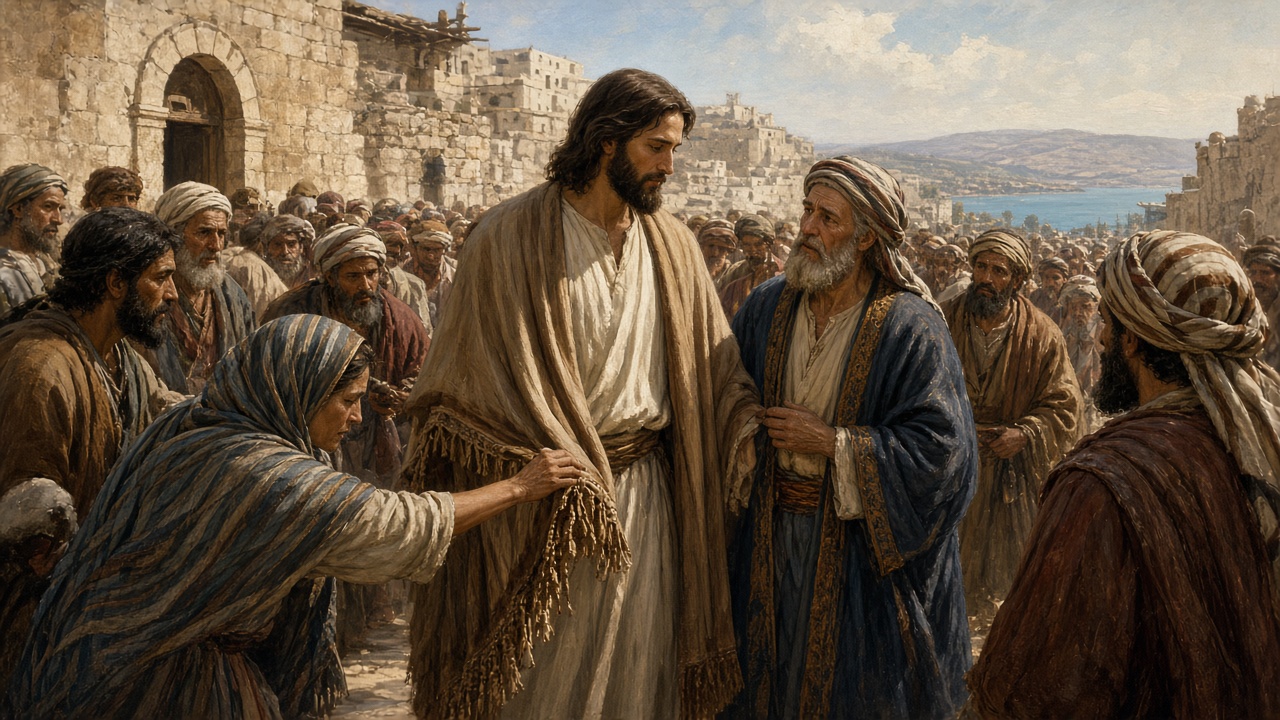
46Kanị Jizọsị nọ sị, “O nwọnghọ onyẹ mẹtụ m ẹka. A marịnghọ m nị o nwẹọlẹ ikẹn gha imẹ m pụ.” 47Ogẹn okpoho hụ gi hụn a n'ọ sakọ ẹka zueri, ọ nọ pụha—ẹhụ hụ a ma a nni; ọ nọ dan nị Jesu alị, nọ id'ẹnya ndị rị ebẹhụ gwa a ihiẹn haịn o gi mẹtụ a ẹka lẹ k'o dọn dịnhịn ozigbo. 48Jizọsị nọ sị, a, “Nwa m, okukwe i e mẹgụọ ị rị mma. Lama, udọn 'ya rị n'ị.”
49Ogẹn Jizọsị gi rị e ku ihiẹnni, onyẹ ohu nọ gha iwe onyẹ-isi ụlọ-ofufe hụ bịa d'a sị a, “Nwa ị a nwụnhụngụọ; eyezilẹ onyẹ-nkuzi nsọngbu.”
50Ogẹn Jizọsị gi nụ a, ọ nọ sị Jaịrọsị, “Atụlẹ egun; nwẹhụ okukwe; o jẹnkọ d'a dịnhịn.”
51Ogẹn Jesu gi ru iwe Jaịrọsị, ọ nịnị onyẹ ọwụlẹ sọn ẹ banye imẹ ụlọ hụ wezụka Pita lẹ Jọnụ lẹ Jemisi lẹzi ndị mụ nwata hụ. 52Wẹ ile rị ebahụn hụ a kwan, e goo nwata hụ. Kanị Jesu nọ sị wẹ,
“Akwanzilẹ ni; nwata hụ anwụnnị, ọ rịhụ ụran!”
53Wẹ nọ mụma Jizọsị ẹmụ, makẹni a marịngụọ wẹ nị nwata hụ a nwụnhụngụọ.
54Kanị Jizọsị nọ kwọndọn nwata hụ ẹka, sị, “Nwata, lihi ọtọ!”
55Mmọn nwata hụ nọ kinhẹn, ọ nọ rịzị ndụn; 'ya ọ nọ lihi ọtọ ozigbo. Jizọsị nọ sị wẹ ye nwata hụ ihiẹn-oriri. 56Ọ tụ ndị mụn'a ẹnya ọda-ọda, kanị Jizọsị nọ sị wẹ agwakwọlẹ onyẹ ọwụlẹ ihiẹn mẹni.
Did you know?
Good news on the Galilean road
- As Jesus went from town to town, some women traveled with him and the Twelve and supported them from their own means. Mary is called Magdalene from Magdala, her birthplace, to distinguish her from the other Marys; a reference work calls it a mistake to identify her with the woman described as a sinner in the previous story. Joanna was the wife of Chuza, steward of Herod Antipas, tetrarch of Galilee, and Susanna, whose name means lily, is named among them.Sources: Mary Magdalene · Joanna · Susanna · the Bible text itself
- Peter, James, and John, who appear with Jesus in this chapter, were fishermen on the Sea of Galilee. Peter's hometown, Bethsaida, lay on its western coast, where he was trained as a fisher; James, son of Zebedee and one of the Twelve, worked in partnership with him, and his brother John followed the same trade on the lake.Sources: Simon Peter · James (Son of Zebedee) · John the Apostle · the Bible text itself
- Jairus, who pleaded with Jesus to come because his only daughter was dying, is identified as a ruler of the synagogue at Capernaum. In the house, only Peter, James, and John were allowed to enter with the child's father and mother; after the girl got up, Jesus directed that she be given something to eat.Sources: Jairus · the Bible text itself
Notes written with AI assistance from open sources (Theographic Bible Metadata, CC BY-SA 4.0; Easton’s Bible Dictionary, public domain) and reviewed before publishing.
Places in this chapter
Only places identified with high confidence are shown (90% or more according to the scholarly sources compiled by OpenBible). Period map: DARE (Digital Atlas of the Roman Empire), CC BY 4.0; modern map: © OpenStreetMap contributors; places: OpenBible.info (CC BY 4.0).
Credits and license for this translation
Elu Ọhụn: Ẹkụkwọ-Nsọ (Azụụn Ọhụn rịn'a)
Revision of New Testament in Ika
copyright © 2010 Wycliffe
Language: Ika
Translation by: Wycliffe
Ika (ikk) Nigeria
In Nigeria the word Ika is not only the name of the Ika
people, but is also used to designate a local government area in the Akwa Ibom
State. The Ika people are a sub group of the Igbo people. It is interesting to note
that Ika is the name of a town in Croatia is one of the eight Annang local
government areas of the local government areas in Akwa Ibom State. An alternative
name for the Ika people is Ika-Annang. There appears to be another dialect of Ika
that is spoken in Delta State of Nigeria.
Copyright Information
© 2010, Wycliffe. All rights reserved.
This translation text is made available to you under the terms of the Creative
Commons License: Attribution-Noncommercial-No Derivative Works. ( http://creativecommons.org/licenses/by-nc-nd/3.0/ ) In addition, you have
permission to port the text to different file formats, as long as you do not change
any of the text or punctuation of the Bible.
You may share, copy, distribute, transmit, and extract portions or quotations from
this work, provided that you include the above copyright information:
You must give Attribution to the work.
You do not sell this work for a profit.
You do not make any derivative works that change any of the actual words or
punctuation of the Scriptures.
Permissions beyond the scope of this license may be available if you contact us
with your request.
Printed book ISBN 9789789037056
Revision
The New Testament
in Ika
© 2010, Wycliffe. All rights
reserved.
This translation is made available to you under the terms of the
Creative Commons Attribution-Noncommercial-No Derivatives license 4.0.
You may share and redistribute this Bible translation or extracts from it in any format, provided that:
You include the above copyright and source information.
You do not sell this work for a profit.
You do not change any of the words or punctuation of the Scriptures.
Pictures included with Scriptures and other documents on this site are licensed just for use with those Scriptures and documents.
For other uses, please contact the respective copyright owners.
2019-08-09
Source: http://ebible.org/ikkNT/ · eBible.org