Luke 2
Elu Ọhụn: Ẹkụkwọ-Nsọ (Azụụn Ọhụn rịn'a) · Tap a verse to see its cross-references.
Ọmụmụ Jizọsị
1Ogẹn hụ, eze-kanị w'a kpọ Siza Ọgọstusu nọ ye iwu, sị wẹ detuchanrịn ẹfan ịhịan ile rị ụwa—ebe ile rị okpuru ọkịkị ndị Rom. 2(Ọnwan wụ nke ibuzọ wẹ detu ẹfan ịhịan ile; ogẹn Kwịrịnọsị gi wụ Gọvanọ rị a kị alị Siria kẹ wẹ gi detu ẹfannị.) 3Onyẹ ọwụlẹ hụ e jẹn obodo ẹ d'e deye ẹfan.
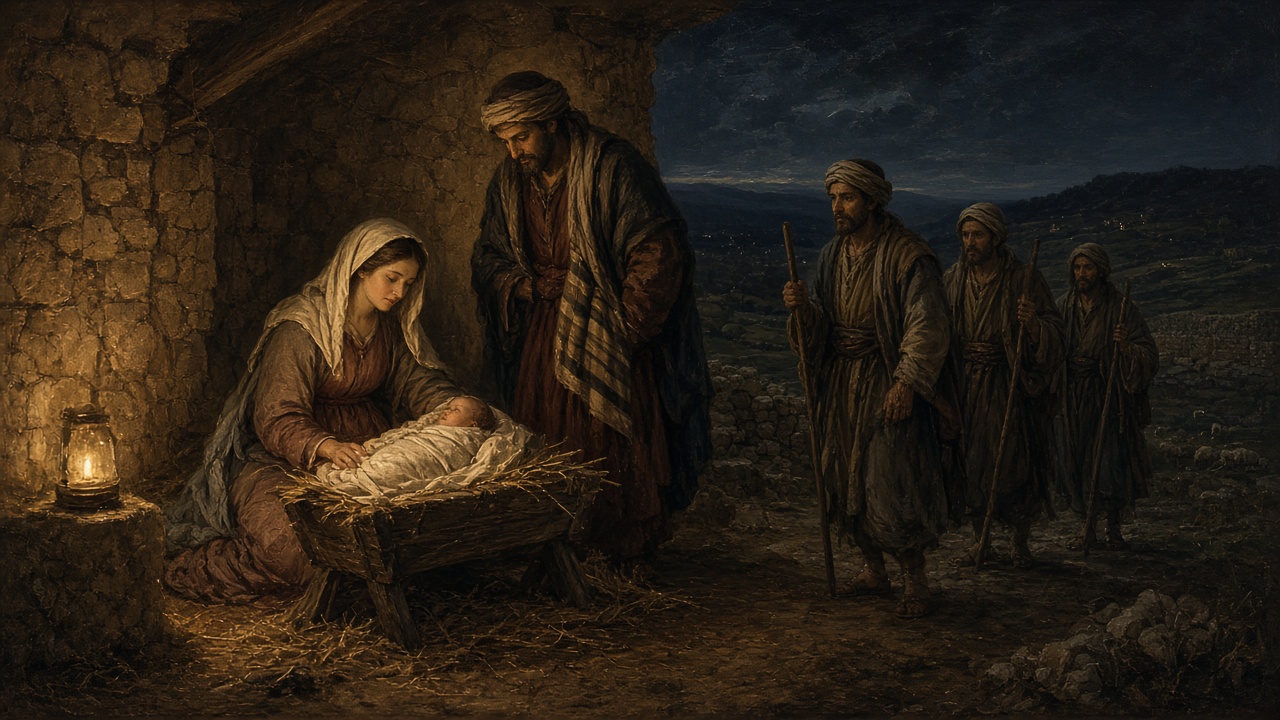
4'Ya Josẹfụ nọ gha obodo Nazarẹtị rị Galili si obodo Bẹtulẹhẹm hụn rị Judia, obodo wẹ nọ mụ Defidi—makẹni ikpun-ụlọ Defidi k'ọ gha pụha. 5Ịya lẹ Meri hụn wẹ ẹbụọ kwerigbama nị wẹ jẹnkọ d'a lụ wị jẹn d'e deye ẹfan. Meri rị imẹ ogẹn hụ. 6Ebe wẹ rị Bẹtulẹhẹm, ogẹn Meri k'e gi mụ nwa hụ e ru, imẹ nọ mẹmẹ ẹ. 7Ọ nọ mụ nwa ibuzọ a, mụ a okẹnnyẹ, gi ẹkwa wẹ gi a pa nwa fụma a, bu ẹ dinẹ imẹ ihiẹn anụ gi e ri ihiẹn-oriri—makẹni ụzọ arịa hụn wẹ sikọ d'a nọdị imẹ ụlọ ndị-ijẹn a nọdị.
Ozi Ndị Mmọn-ozi Wẹhẹ Ni Ndị-ndu Anụ Ahụn
8Uhinhin hụ, o nwẹ ndị e du anụ rị ọfịa ẹgbẹrẹ ahụn, e lepụ anụ wẹ ẹnya. 9Mmọn-ozi Di-nwọnni-ẹnyi nọ nwọnpụha ebe wẹ rị, ọghọ Di-nwọnni-ẹnyi nọ nwunhunmẹ wẹ lẹkẹ ukpẹ. 'Ya egun nọ tụma wẹ. 10Kanị mmọn-ozi hụ nọ sị wẹ, “Atụlẹ ni egun! M bịa d'e zi ọnụ ozi ọma hụn sikọ d'e wẹhẹni ịhịan ile ẹregede ịghọghọ. 11A mụgụọ nị wẹ ụnụ Onyẹ-nzụọpụha tannị imẹ obodo Defidi; ịya wụ Kraịstị, Onyẹ Hụ Osolobuẹ Tumẹ, hụn wụ Di-nwọnni-ẹnyi! 12Ọnwan kẹ ụnụ jẹnkọ d'e gi marịn a: ụnụ jẹnkọ d'a hụn nwa wẹ gi ẹkwa fụma, bu dinẹ imẹ ihiẹn anụ gi e ri ihiẹn-oriri.”
13Idẹnmizi, igunrun ndị mmọn-ozi elu-igwee nọ fopụha che ni mmọn-ozi hụ, a ja Chuku mma, a sị,
14“Ọghọ 'ya rị nị Osolobuẹ
ebẹhụ kachanrịn elu ejẹn;
udọn 'ya rị nị ndị rị imẹ ụwa,
ndị ọ rị e mẹni ọhụnma!”
15Mgbe ndị mmọn-ozi hụ gi lagụụ wẹ tọ, si elu-igwee, ndị-ndu anụ hụ nọ sị ibe wẹ, “Nị ẹnyi jẹnru Bẹtulẹhẹm d'a hụn ihiẹnni mẹni, hụn Di-nwọnni-ẹnyi gwa ẹnyi.” 16Wẹ nọ jẹnmẹ ozigbo-ozigbo. Wẹ nọ hụn Meri lẹ Josẹfụ lẹ nwa ahụn wẹ bu dinẹ imẹ ihiẹn anụ gi e ri ihiẹn-oriri. 17Ogẹn ndị hụ a zụn anụ gi hụn Jesu, wẹ nọ gwa wẹ ihiẹn mmọn-ozi hụ gwa wẹ banyeni nwa hụ. 18Ihiẹn ndị hụ e du anụ ku nọ tụ ndị ile nụn'a ẹnya. 19Kanị Meri e buchanrịn ihiẹn ndịnị ile tọ imẹ obi ẹ, e ro wẹ.
20Ndị hụ e du anụ nọ lama, e tuchan Osolobuẹ, a ja a mma, makẹni ihiẹn ile wẹ nụ lẹ ihiẹn ile wẹ hụn rịchanrịn kẹ mmọn-ozi hụ dọn gwa wẹ.
A Gụn Wẹ Jizọsị Ẹfan
21Nke akpụ-ụhụọhịn ẹsatọ, ogẹn wẹ jẹnkọ d'e gi kwa nwata hụ ugun nọ ru, wẹ nọ gụn a Jesu/Jizọsị, ẹfan hụ mmọn-ozi hụ ye ẹ nị nnẹ ẹ d'a tụ imẹ ẹ.
A Papụha Wẹ Jizọsị Imẹ Ụlọ-nsọ
22O ru ogẹn Josẹfụ lẹ Meri e gi mẹ Mmẹmmẹ Idọn-nsọ rịkẹ kẹ Iwu Mozizi dọn ku, 'ya wẹ nọ weri nwa hụ shi Jerusalẹm kẹni wẹ papụhanị Di-nwọnni-ẹnyi 'ya, 23(kẹ wẹ dọn de ẹ imẹ Iwu Di-nwọnni-ẹnyi, nị, “Wẹ sịkọ d'e wepụha nị Di-nwọnni-ẹnyi nwa-okẹnnyẹ ibuzọ ọwụlẹ wẹ mụ”). 24Wẹ nọ chụ ẹjan kẹ wẹ dọn de ẹ imẹ Iwu Di-nwọnni-ẹnyi, ebẹhụ Iwu nọ sị, “Nduru ẹbụọ mọbụ ụmụ oluikuku ẹbụọ.”
25Ogẹn hụ, o nwọn okẹnnyẹ ohu w'a kpọ Simiọnụ hụn bi Jerusalẹm. Onyẹ e mẹ ihiẹn Osolobuẹ chọ k'ọ wụ; o gi obi ẹ ile e fe Osolobuẹ, e che ni Osolobuẹ zụọpụha ndị Izrẹlụ. Mmọn-nsọ nọyen'ẹ anọyeni. 26Mmọn-nsọ mẹ ẹ marịn n'ọ nwụnkọ d'e ru n'ọ hụn Kraịstị, Onyẹ Hụ Di-nwọnni-ẹnyi Tumẹ. 27Mmọn-nsọ nọ duru Simiọnụ si imẹ Ụlọ-nsọ. Ogẹn ndị mụ nwa hụ wụ Jizọsị gi wẹhẹ ẹ d'e mẹ n'ẹ ihiẹn Iwu chọ, 28Simiọnụ nọ parị nwa hụ, ja Osolobuẹ mma, sị,
29“Di-nwọnni-ẹnyi,
ị rị nwan a sị odibo i ya gi udọn lama,
nọkẹ kẹ i dọn kụ;
30makẹlẹ e gigụọ m ẹnya m hụn nzụọpụha ị,
31hụn ị kwademẹ id'ẹnya ndị alị ile rị ichẹn-ichẹn:
32Ukpẹ hụn jẹnkọ d'a ghọsị ndị alị ndị ọzọ uche i,
ukpẹ hụn jẹnkọ d'e wẹhẹ ni ndị nke i wụ ndị Izrẹlụ ọghọ.”
33Ihiẹn ndị hụ wẹ ku banyeni nwata hụ nọ tụ nẹdi ẹ lẹ nnẹ ẹ wụ Josẹfụ lẹ Meri ẹnya. 34'Ya Simiọnụ nọ gọzi wẹ; ya ọ nọ sị nnẹ ẹ wụ Meri, “Gọn ntịn, wẹ tumẹ nwatanị n'ọ wụrụ onyẹ wẹ sikọ d'e gi budan ndị bu ọda imẹ Izrẹlụ, gizikwọ a busi ndị bu ọda elu imẹ Izrẹlụ.”
“O sikọ d'a wụ ahịma, hụn gha ẹka Osolobuẹ bịa, hụn ndị ịhịan jẹnkọ d'a lusọn, 35kẹni ihiẹn ndị bu ọda rị e ro hụn ụzọ pụha ifọn—ihiẹn ụfụ jẹnkọ d'e zupuzi ịyụ nwẹn obi rịkẹ ọpịa-agha makẹ ufiri nwatanị.”
36O nwọn onyẹ-amụma ohu wụ okpoho, hụn w'a kpọ Ana, nwa Fanụẹlụ, onyẹ ikpun-ụlọ Asha rọ; ọ kagụọ ẹgẹdi; di ẹ a nwụnhụngụọ—ahụa ẹsa sụọ kẹ ịya lẹ di ẹ bi nị di ẹ d'a nwụnhụn. 37Ọ rị nwan nwa ahụa ẹnọ kwasị ọgụn-ẹnọ. A ra gha Ụlọ-nsọ pụ, ọ hụ e fe Osolobuẹ ukinkin lẹ efinnaị, e bu ọnụ, e mẹ ekpere. 38Ogẹn ohu hụ k'o gi pụhazịkwọ, ye Osolobuẹ ekele, kumẹ oku nwa hụ kẹni ndị ile rị e che ni Osolobuẹ gbapụha Jerusalẹm nụ.
A Lakin Wẹ Nazarẹtị
39Ogẹn Josẹfụ lẹ Meri gi mẹgụụ ihiẹn ile Iwu Di-nwọnni-ẹnyi chọ, wẹ nọ lakin obodo wẹ bi wụ Nazarẹtị hụn rị imẹ Galili. 40Nwata ahụn e sue, ka ẹhụ, marịn ihiẹn ọda-ọda, ẹwẹrẹ Osolobuẹ hụ e sọn ẹ.
Ihiẹn Jesu Mẹ Imẹ Ụlọ-nsọ K'ọ Rị Nwata
41Ahụa ile kẹ ndị mụ Jizọsị gi e jẹn Jerusalẹm d'e mẹ Mmẹmmẹ-Nghafe. 42Ogẹn Jesu gi rị nwa ahụa mmẹbụọ, wẹ nọ jẹnzi mmẹmmẹ hụ kẹ wẹ dọn e jẹn mbụ. 43Ogẹn mmẹmmẹ gi gụgụụ, wẹ nọ lama, kanị nwata hụ wụ Jesu nọ dịnọ Jerusalẹm bụ ndị mụn'a a marịn.
44Wẹ rị e ro n'ọ rị imẹ igunrun ịhịan hụ wẹ ile gba lakọ, wẹ nọlẹni chọ a d'e ru nị e jẹnpụ wẹ ijẹn akpụ-ụhụọhịn ohu gbe-gbe-gbe—ya wẹ nọ nwan chọma a ebe ndị nke wẹ lẹ ndị ọwụ wẹ rị. 45a chọbe w'ẹ, ahụnnị w'a, ya wẹ nọ kin-azụụn, si Jerusalẹm d'a chọ a. 46Hụn mẹ akpụ-ụhụọhịn ẹtọ kẹ wẹ gi hụn a imẹ Ụlọ-nsọ, ebe ọ nọdịye ni ndị-nkuzi, e gọn wẹ ntịn, a jụ wẹ ọtaa. 47Nghọta a lẹ azịza a atụkẹnmẹ ndị ile rị e gọn ẹ ntịn ẹnya. 48Ogẹn ndị mụn'a gi hụn a, ndụn a gụụ wẹ; nnẹ ẹ nọ sị a, “Nwa m, kị mẹni ẹnyi ihiẹnni? Mmẹ lẹ nẹdi i hụ a gbaka-obi, a chọ ị.”
49Ọ nọ sị wẹ, “Kị ụnụ chọmazị nị m? Ụnụ amarịn nị m jẹnkọ d'a rịrịrị iwe Nẹdi m?” 50Kanị aghọtanị wẹ ihiẹn ọ za wẹ. 51'Ya Jesu nọ sọnmẹ wẹ, wẹ ile nọ lashi Nazarẹtị. Ọ hụ e humẹni wẹ isi; nnẹ ẹ a nachanrịn ihiẹn ndịnị ile tọ imẹ obi ẹ. 52Jesu hụ e sue, a ka ẹhịụ, a marịnwaye ihiẹn; ihiẹn ẹ hụ a sụọ kẹ Osolobuẹ kẹ ịhịan.
Did you know?
The Birth and Early Years of Jesus
- Luke places Jesus’ birth at the time of a decree from Caesar Augustus that a census be taken of the whole empire. Augustus was the cognomen of the first Roman emperor, C. Julius Caesar Octavianus; the title, meaning “majesty” or “venerable,” was first given by the senate. Luke calls this the first census while Quirinius was governor of Syria—Cyrenius being the Greek form of Publius Sulpicius Quirinus.Sources: the Bible text itself · Augustus · Cyrenius
- Joseph lived in Nazareth in Galilee, and he went up from there to Judea, to Bethlehem, the city of David, because he belonged to David’s house and line. Bethlehem lies in the hill country of Judah and was David’s own city: David, the eighth and youngest son of Jesse, was a citizen of Bethlehem. Mary, pledged to Joseph in marriage and expecting a child, traveled with him to register.Sources: the Bible text itself · Joseph (Mary's Husband) · Bethlehem · David
- When the time of purification required by the Law of Moses was complete, the parents brought the child to Jerusalem to present him to the Lord, offering a pair of turtledoves or two young pigeons. In the temple they met Simeon and Anna, a prophetess, daughter of Phanuel, of the tribe of Asher. She had been married for seven years and then was a widow to the age of eighty-four, and she never left the temple, worshiping night and day, fasting and praying.Sources: the Bible text itself · Anna
Notes written with AI assistance from open sources (Theographic Bible Metadata, CC BY-SA 4.0; Easton’s Bible Dictionary, public domain) and reviewed before publishing.
Places in this chapter
- Syria · Today: Syria 2 · 33.511, 36.306 · verse 2
- Bethlehem · 31.704, 35.208 · verses 4, 11, 15
- Galilee · 32.760, 35.527 · verses 4, 39
- Judea · Today: Judea 1 · 31.777, 35.234 · verse 4
- Nazareth · 32.702, 35.298 · verses 4, 39, 43, 51
- Jerusalem · 31.777, 35.234 · verses 22, 25, 38, 41, 42, 43, 45
Only places identified with high confidence are shown (90% or more according to the scholarly sources compiled by OpenBible). Period map: DARE (Digital Atlas of the Roman Empire), CC BY 4.0; modern map: © OpenStreetMap contributors; places: OpenBible.info (CC BY 4.0).
Credits and license for this translation
Elu Ọhụn: Ẹkụkwọ-Nsọ (Azụụn Ọhụn rịn'a)
Revision of New Testament in Ika
copyright © 2010 Wycliffe
Language: Ika
Translation by: Wycliffe
Ika (ikk) Nigeria
In Nigeria the word Ika is not only the name of the Ika
people, but is also used to designate a local government area in the Akwa Ibom
State. The Ika people are a sub group of the Igbo people. It is interesting to note
that Ika is the name of a town in Croatia is one of the eight Annang local
government areas of the local government areas in Akwa Ibom State. An alternative
name for the Ika people is Ika-Annang. There appears to be another dialect of Ika
that is spoken in Delta State of Nigeria.
Copyright Information
© 2010, Wycliffe. All rights reserved.
This translation text is made available to you under the terms of the Creative
Commons License: Attribution-Noncommercial-No Derivative Works. ( http://creativecommons.org/licenses/by-nc-nd/3.0/ ) In addition, you have
permission to port the text to different file formats, as long as you do not change
any of the text or punctuation of the Bible.
You may share, copy, distribute, transmit, and extract portions or quotations from
this work, provided that you include the above copyright information:
You must give Attribution to the work.
You do not sell this work for a profit.
You do not make any derivative works that change any of the actual words or
punctuation of the Scriptures.
Permissions beyond the scope of this license may be available if you contact us
with your request.
Printed book ISBN 9789789037056
Revision
The New Testament
in Ika
© 2010, Wycliffe. All rights
reserved.
This translation is made available to you under the terms of the
Creative Commons Attribution-Noncommercial-No Derivatives license 4.0.
You may share and redistribute this Bible translation or extracts from it in any format, provided that:
You include the above copyright and source information.
You do not sell this work for a profit.
You do not change any of the words or punctuation of the Scriptures.
Pictures included with Scriptures and other documents on this site are licensed just for use with those Scriptures and documents.
For other uses, please contact the respective copyright owners.
2019-08-09
Source: http://ebible.org/ikkNT/ · eBible.org