John 7
Elu Ọhụn: Ẹkụkwọ-Nsọ (Azụụn Ọhụn rịn'a) · Tap a verse to see its cross-references.
Ogẹn Umunẹ Jesu Kelẹni Kweri N'ẹ
1Omẹgụụ, Jesu nọ ghagbarị imẹ Galili, latọgụụ Judia; o jẹnhunmẹni imẹ Judia, makẹni ndị-ndu ndị Ju rị a chọ nị wẹ gbu ẹ. 2Ogẹn hụ, mmẹmmẹ ndị Ju gi a nọdịsọnmẹ imẹ Ọdụ e rugụọ. 3'Ya umunẹ Jesu nọ sị a, “O furu n'ị gha ebeni pụ, si Judia, kẹni ụmụ-azụụn ị hụn ọrụn-atụmẹnya ndị ị rị a rụn. 4Makẹni o nwọnni onyẹ hụn a rụn ọrụn imẹ nzuzue ọwụnị ọ chọ nị wẹ marịn a. Ebe o mẹ ni i rị e mẹ ihiẹn ndịnị ile, we nwan enwẹn i ghọsị ụwa.” 5(Ọnwan mẹ makẹni kẹ umunẹ ẹ dẹ e kwerini n'ẹ.)
6'Ya Jizọsị nọ sị wẹ, “Ogẹn furu ni m e ke ru, kanị ogẹn ile furu ụnụ. 7Izize ụnụ ezekọ ụwa, kalẹ izize m e ze wẹ makẹlẹ m rị a gwa wẹ nị ihiẹn w'e mẹ jọ njọ. 8Jẹnmẹ ni nwan mmẹmmẹni, mmẹ lẹ enwẹn m eke jẹnkọ mmẹmmẹ hụnnị, makẹni ogẹn furu ni m e ke ru.” 9O kugụụ ihiẹnni, ọ nọ nọdịkwọ imẹ Galili.
Jesu E Jẹn Mmẹmmẹ-ọdụ
10Kanị ogẹn umunẹ Jesu gi jẹnmẹgụụ mmẹmmẹ hụ, ọ nọzị jẹnmẹ, kanị nzuzue k'o gi jẹn.
11Ndị-ndu ndị-Ju hụ a chọ a imẹ mmẹmmẹ hụ, wẹ hụ a sị, “Elebe k'ọ rị?” 12Ndị rị igunrun rịsọnmẹ ebẹhụ hụ a kasọnmẹ murinmurin. Ndịnị sị, “Ezigbo ịhịan k'ọ wụ,” ndịnị sị, “Mba, ọ rịhụ e dufie ndị alị.” 13Kanị, makẹni egun ndị-ndu ndị Ju rị a tụ wẹ, o nwọnni onyẹ s'ẹka ku oku ẹ ifọnrin-ifọn.
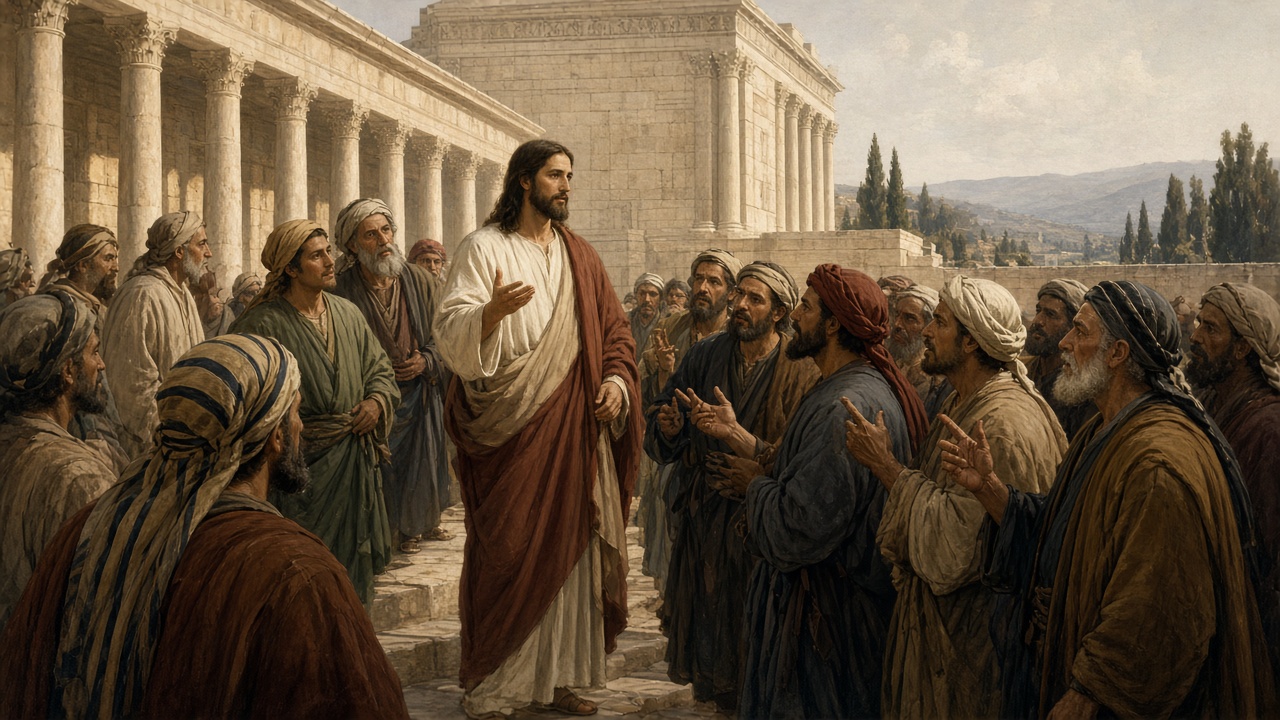
14Ogẹn mmẹmmẹ hụ gi rugụụ ahanmahan, Jizọsị nọ si Ụlọ-nsọ d'a kuzimẹ. 15Ọ nọ tụ ndị-ndu ndị Ju ẹnya, wẹ nọ sị, “Nanị kẹ okẹnnyẹni dọn marịn ihiẹn ọda ẹnịna, bụ o ke jẹntu ọzụnzụn ọwụlẹ?” 16Jesu nọ za wẹ, sị, “Nkuzi m ẹlẹ nke m kanị nke onyẹ zihẹ ni m rọ. 17Omẹni ịhịan a kwademẹ obi ẹ n'o jẹnkọ d'e mẹ uche Osolobuẹ, onyẹ hụ sikọ d'a marịn omẹni nkuzi m gha ẹka Osolobuẹ bịa ra m gi ikẹn m e ku. 18Onyẹ hụn e gi ikẹn ẹ e ku rị a chọ nị wẹ ja a mma; kanị onyẹ rị e mẹ nị wẹ ye onyẹ zihẹn'ẹ ọghọ wụ onyẹ ezioku, ntụ a rị imẹ ẹ.”
19“Mozizi ye ụnụ Iwu, ẹlẹ 'ya? Kanị o nwọnni onyẹ ohu imẹ ụnụ hụn e dọnmẹ Iwu hụ. Kị haịn ụnụ gi a chọ nị ụnụ gbu m?”
20Igunrun hụ nọ za, sị, “Eje-mmọn rị imẹ i! Onyẹ rị a chọ n'o gbu i?”
21Jesu nọ sị, “M rụn ọrụn-atụmẹnya ohu, ọ nọ tụ ụnụ ile ẹnya. 22Mozizi ye ụnụ iwu ịkwa-ugun. (Kanị ẹlẹ Mozizi bidọn ịkwa-ugun, ndị nẹdi ụnụ kanị bidọn ẹ.) Ụnụ a kwadẹ okẹnnyẹ ugun Ụhụọhịn Izu-ikẹn kẹni ụnụ hụn ụzọ mẹzu iwu hụ. 23Omẹni wẹ hụ a kwa okẹnnyẹ ugun Ụhụọhịn Izu-ikẹn amamgbe w'a dan Iwu Mozizi, kị haịn ụnụ gi e we ni m iwe makẹni m zụọchanrịn okẹnnyẹni ẹhụ a ile Ụhụọhịn Izu-ikẹn? 24Ahanzilẹ ni eṅẹn kẹ ụnụ hụn a, kama, e leban nị ihiẹn ẹnya ọhụnma kẹni ụnụ hụn ụzọ han eṅẹn rị mma.”
Onyẹ Kẹ Jesu Wụ?
25Ya ndị hụ imẹ ndị Jerusalẹm nọ sị, “Ẹlẹ ọnwan wụ okẹnnyẹ hụ ndị-ndu rị a chọ nị wẹ gbu? 26Lee ẹ nwan k'ọ rị ebeni e ku oku id'ẹnya ịhịan ile, a gba w'a nkịntịn! A marịngụọdẹ wẹ nwan nị 'ya wụ Kraịstị, Onyẹ Hụ Osolobuẹ Tumẹ ra? 27Kanị ẹnyi a marịnghọ ebe okẹnnyẹni gha bịa; ogẹn Kraịstị jẹnkọ d'e gi bịa, o nwọnni onyẹ jẹnkọ d'a marịn ebe ọ gha bịa.”
28Ogẹn Jesu gi rị a kuzi imẹ Ụlọ-nsọ, ọ nọ weshi olu elu, sị, “Eziẹ, ụnụ a marịngụọ m, marịnzịkwọ ebe m gha bịa! Kanị, egini m ihiẹn ẹka m bịa; onyẹ hụn zihẹ ni m furu wẹ gi dọn ẹnya—'ya kẹ ụnụ marịnlẹni! 29A marịnghọ m'a makẹni m gha ebe ọ rị bịa, 'ya zihẹ m.”
30'Ya wẹ nọ chọ nị wẹ nwụnrụn a; kanị o nwọnni onyẹ mẹtụ a ẹka, makẹni ogẹn ẹ e ke ru. 31K'osilẹrị, ndị bu ọda rị ebẹhụ nọ kwerini n'ẹ; wẹ hụ a sị, “Ogẹn Kraịstị wụ Mezaya, Onyẹ Hụ Osolobuẹ Tumẹ, k'e gi bịa, n'ọ rụnkarị okẹnnyẹni ọrụn-atụmẹnya?”
E Zi Wẹ Ndị-ụnakpa Ụlọ-nsọ D'a Nwụnhan Jesu
32Ndị Itu-Farisi a nụ kẹ igunrun hụ rị e ku ihiẹn ndịnị wẹ banyeni Jizọsị, 'ya ndị-isi nchụ-ẹjan lẹ ndị Itu-Farisi nọ zi ndị ụnakpa Ụlọ-nsọ d'a nwụnhan a.
33Jizọsị nọ sị, “M jẹnkọ d'e sọn ụnụ nọdị ẹkẹrẹ, omẹgụụ, a laburu m onyẹ hụn zihẹ ni m; 34ụnụ jẹnkọ d'a chọ m, kanị, ụnụ ahụnkọ m; ebe m rị, ụnụ e ri-ẹka bịa.” 35Ndị-isi ndị Ju nọ sị ibe wẹ, “Elebe kẹ okẹnnyẹni chọ n'o jẹn, hụn ẹnyi jẹnkọlẹni d'a hụn a? Ọ chọ n'o jẹn alị ndị Griki—alị ndị wụlẹni ndị Ju—ebe ndị nke ẹnyi rịsọnmẹ d'a kuzimẹ imẹ igunrun ndị wụlẹni ndị-Ju? 36K'o gi ihiẹnni e ku: ‘Ụnụ sikọ d'a chọ m, kanị, ụnụ ahụnkọ m; ebe m rị, ụnụ asakọ ẹka bịa a.’?”
Mirin Hụn E Ye Ndụn
37Ụhụọhịn ịkpazụụn mmẹmmẹ hụ, hụn wụ ụhụọhịn kachanrịn mkpa, Jesu nọ wuzo ọtọ, yi oro, sị, “Omẹni o nwọn onyẹ ẹgụn mirin rị a gụn, 'ya bịa d'e kunrun m n'ọ ra! 38Onyẹ ọwụlẹ hụn kwerini ni m, ya ra; o sikọ d'a rị n'a kẹ Ẹhụhụọ-nsọ dọn ku:
‘Mirin hụn e ye ndụn
jẹnkọ d'a gha imẹ ẹ
e hupụha kẹ iyi.’ ”
39Jizọsị gi ọnwan e ku oku Mmọn-nsọ hụn ndị kwerini n'ẹ jẹnkọ d'e nwẹhẹn. W'e ke ye wẹ Mmọn-nsọ ogẹn hụ makẹni Jesu e ke banye ọghọ a.
Igunrun Hụ E Kebe
40Ogẹn wẹ gi nụ oku ndịnị, ndị hụ imẹ igunrun hụ nọ sị, “Ezioku, ọnwan wụ onyẹ-amụma Hụ pụ-ichẹn.” 41Ndị ọzọ sị, “Ọnwan wụ Kraịstị, Onyẹ Hụ Osolobuẹ Tumẹ!” Kanị ndị hụ imẹ wẹ sị, “Kraịstị k'a ghadẹ nwan Galili bịa ra?! 42Ẹhụhụọ-nsọ e kugụọn'a nị Kraịstị, Onyẹ Hụ Osolobuẹ Tumẹ, sikọ d'a gha ebọn Defidi pụha; n'o sikọ d'a gha Bẹtulẹhẹm, obodo Defidi te bi bịa?” 43Oku banyeni Jizọsị nọ kebe igunrun ahụn. 44Ndị hụ imẹ wẹ te chọ nị wẹ nwụnrụn a, kanị o nwọnni onyẹ mẹtụ a ẹka.
Ndị-ndu Ndị Ju A Jụ N'e Kwerikọnị Wẹ Jesu
45Ogẹn ndị-ụnakpa Ụlọ-nsọ ahụn gi kinhẹn azụụn d'e kunrun ndị-isi nchụ-ẹjan lẹ ndị Itu-Farisi, wẹ nọ jụma wẹ, sị, “Kị haịn ụnụ gilẹni wẹhẹ ẹ?” 46Ndị ụnakpa Ụlọ-nsọ hụ nọ za, sị, “O nwọnni onyẹ kutu oku kẹ okẹnnyẹni!”
47Ndị Itu-Farisi nọ jụ wẹ, sị, “E dufiegụọzịdẹ wẹ nwan ụnụ nwẹn ra? 48O nwọnghọ kaka akpụ onyẹ-ndu mọbụ onyẹ Itu-Farisi ohu ụnụ marịn hụn kwerini n'ẹ? 49Igunrunni amarịn Iwu Mozizi, ndị wẹ bụ ọnụ kẹ wẹ wụ.”
50Nikodimọsị hụn jẹn d'e kunrun Jesu mbụ, hụn wụ onyẹ ohu imẹ wẹ nọ sị wẹ, 51“Iwu ẹnyi a madẹ ịhịan ikpe bụ ebuni wẹ ụzọ nụ ọnụ a mọbụ chọpụha ihiẹn o mẹ ra?”
52Wẹ nọ za, sị, “Ị wụzịdẹ onyẹ Galili ra? Mụ Ẹkụkwọ-nsọ n'ị marịn nị onyẹ-amụma ara gha Galili bịa.” [ 53Onyẹ ọwụlẹ nọ lashi iwe ẹ.
Did you know?
Jesus at the Feast of Tabernacles
- As the Jewish Feast of Tabernacles, a seven-day feast, drew near, Jesus stayed in Galilee and avoided Judea, where people were trying to kill him. In his time Judea was the southernmost of the three Roman divisions of Palestine, distinct from Galilee and Samaria; he later went up to the feast in secret and taught in the temple courts.Sources: the Bible text itself · Feast of Tabernacles · Judea
- The crowds were divided over where the Christ would come from. Some said that Scripture places him in David's line and in Bethlehem, the village where David, the eighth and youngest son of Jesse, lived; others objected that he could not come from Galilee, a region long called Galilee of the Gentiles, and the Pharisees insisted that no prophet comes from there.Sources: the Bible text itself · David · Galilee
- Nicodemus, a Pharisee and a member of the Sanhedrin, had earlier come to Jesus at night. When the officers sent to arrest Jesus returned without him, Nicodemus protested and asked whether their law condemned a man before hearing him and finding out what he had done.Sources: the Bible text itself · Nicodemus
Notes written with AI assistance from open sources (Theographic Bible Metadata, CC BY-SA 4.0; Easton’s Bible Dictionary, public domain) and reviewed before publishing.
Places in this chapter
- Galilee · 32.760, 35.527 · verses 1, 3, 9, 41, 52
- Judea · Today: Judea 1 · 31.777, 35.234 · verses 1, 3
- Jerusalem · 31.777, 35.234 · verse 25
- Bethlehem · 31.704, 35.208 · verse 42
Only places identified with high confidence are shown (90% or more according to the scholarly sources compiled by OpenBible). Period map: DARE (Digital Atlas of the Roman Empire), CC BY 4.0; modern map: © OpenStreetMap contributors; places: OpenBible.info (CC BY 4.0).
Credits and license for this translation
Elu Ọhụn: Ẹkụkwọ-Nsọ (Azụụn Ọhụn rịn'a)
Revision of New Testament in Ika
copyright © 2010 Wycliffe
Language: Ika
Translation by: Wycliffe
Ika (ikk) Nigeria
In Nigeria the word Ika is not only the name of the Ika
people, but is also used to designate a local government area in the Akwa Ibom
State. The Ika people are a sub group of the Igbo people. It is interesting to note
that Ika is the name of a town in Croatia is one of the eight Annang local
government areas of the local government areas in Akwa Ibom State. An alternative
name for the Ika people is Ika-Annang. There appears to be another dialect of Ika
that is spoken in Delta State of Nigeria.
Copyright Information
© 2010, Wycliffe. All rights reserved.
This translation text is made available to you under the terms of the Creative
Commons License: Attribution-Noncommercial-No Derivative Works. ( http://creativecommons.org/licenses/by-nc-nd/3.0/ ) In addition, you have
permission to port the text to different file formats, as long as you do not change
any of the text or punctuation of the Bible.
You may share, copy, distribute, transmit, and extract portions or quotations from
this work, provided that you include the above copyright information:
You must give Attribution to the work.
You do not sell this work for a profit.
You do not make any derivative works that change any of the actual words or
punctuation of the Scriptures.
Permissions beyond the scope of this license may be available if you contact us
with your request.
Printed book ISBN 9789789037056
Revision
The New Testament
in Ika
© 2010, Wycliffe. All rights
reserved.
This translation is made available to you under the terms of the
Creative Commons Attribution-Noncommercial-No Derivatives license 4.0.
You may share and redistribute this Bible translation or extracts from it in any format, provided that:
You include the above copyright and source information.
You do not sell this work for a profit.
You do not change any of the words or punctuation of the Scriptures.
Pictures included with Scriptures and other documents on this site are licensed just for use with those Scriptures and documents.
For other uses, please contact the respective copyright owners.
2019-08-09
Source: http://ebible.org/ikkNT/ · eBible.org