John 6
Elu Ọhụn: Ẹkụkwọ-Nsọ (Azụụn Ọhụn rịn'a) · Tap a verse to see its cross-references.
Jesu E Ye Mmadụ Ọgụn-iri kwasị nnụ-mmẹbụọ Ihiẹn-oriri
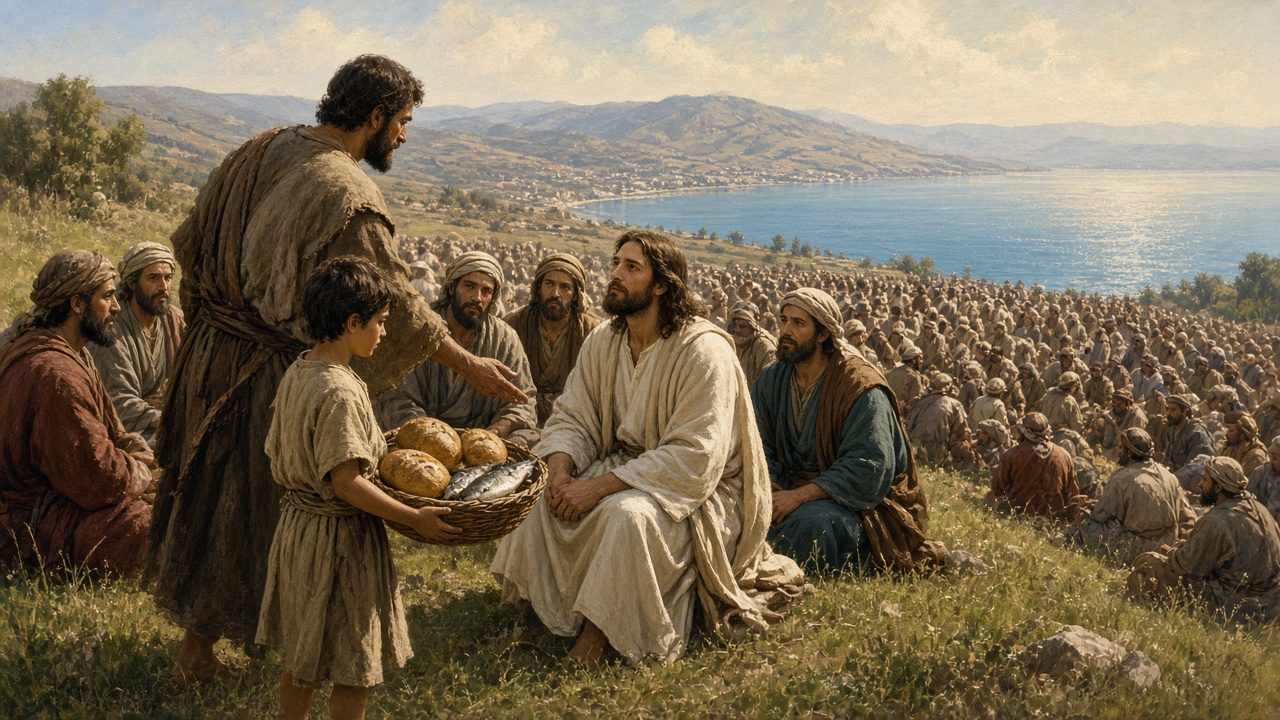
1Ọnwan e mẹgụụ, Jizọsị nọ fetu “Ohimin” Galili hụ shi azụụn hụn-ẹbọ. W'a kpọzị “Ohimin” Galili ohimin Taịberiasị. 2Igunrun hi-ogbe hụ e sọn ẹ, makẹni wẹ hụn ọrụn-atụmẹnya ndị ọ rị a rụnnị ndị emu rị a kụ. 3Jizọsị nọ si elu ugu, 'ya lẹ ụmụ-azụụn a nọ nọdị alị ebẹhụ. 4(Ogẹn hụ, mmẹmmẹ ndị Ju e mẹ ahụa-ahụa w'a kpọ Mmẹmmẹ-Nghafe e rumẹgụọ.) 5Jizọsị e wesi ẹnya elu, ọ nọ hụn igunrun ịhịan kẹ wẹ lala d'e kunrun ẹ. Ọ nọ sị Filipu, “Elebe kẹ ẹnyi a nọ ṅọn brẹdi kẹni ndịnị ri?” 6(O ku ihiẹnni n'o gi chọ ihiẹn rị Filipu ọnụ, makẹni 'ya lẹ enwẹn ẹ a marịngụọ ihiẹn o jẹnkọ d'e mẹ.) 7Filipu nọ za a, sị, “Egho ọrụn ifọn isin ezukọ ṅọn brẹdi sikọ d'e rusọnmẹ wẹ ẹka—ọsụọn'a ẹkẹrẹ-ẹkẹrẹ.” 8Onyẹ ohu imẹ ụmụ-azụụn Jesu w'a kpọ Andụrụ, hụn wụ nwẹnẹ Saịmọn' Pita, nọ sị a, 9“O nwọn nwata-okẹnnyẹ bu ogbe brẹdi isẹn wẹ gi ọka bali mẹmẹ lẹ azụn ẹbụọ ebeni; kalẹ, ebe wẹ sikọ d'a pụ igunrunni?” 10Jizọsị nọ sị, “Gwa nị wẹ nọdị alị.”
(Irurue rị ebẹhụ ọda.)
Ya ndị hụ nọ nọdị alị—ihiẹn rịkẹ ikẹnnyẹ ọgụn-iri-kwasị-nnụ-mmẹbụọ rị imẹ wẹ, ('ya wụ ihiẹn nọkẹ nnụ-uku isẹn). 11Jesu nọ weri ogbe brẹdi ndị hụ, o yegụụ Osolobuẹ ekele, ọ nọ keni ndị nọdị alị 'ya; ọ nọ mẹmẹzi azụn ẹrịra, wẹ nọ ri kẹ wẹ chọ. 12Ogẹn ẹfọ gi jungụụ wẹ, Jesu nọ sị ụmụ-azụụn a, “Kpọnkwama nị ifunfun ẹ họdụnị, amamgbe ihiẹn-anaị a la iwi.” 13'Ya wẹ nọ kpọnkwamẹ wẹ, che imẹ ụkpalị. Ifunfun brẹdi họdụnị imẹ ogbe-brẹdi bali isẹn hụ ogẹn ndị hụ gi rigụụ jun ụkpalị mmẹbụọ.
14Ogẹn ndị hụ gi hụn ọrụn-atụmẹnya hụn Jizọsị rụn, wẹ nọ gwama ibe wẹ, sị, “Ezioku-ezioku, ọnwan wụ onyẹ-amụma hụ ẹnyi rị e lee ẹnya a n'o jẹnkọ d'a bịa imẹ ụwa!”
15Ogẹn Jesu gi hụn nị w'e d'a bịa d'e gi ikẹn weri ẹ, kin ẹ eze, ọ nọ gha ebahụn pụ, 'ya sụọ nọ kin-azụụn shizi elu-ugu.
Jesu E Jẹn Ijẹn Elu Mirin
16O ru ogẹn ẹnyasị, ụmụ-azụụn Jesu nọ shi “Ohimin”, 17banye imẹ ụgbọ-mirin, buli, jẹnkọ Kapanọm. (Ọhịhị nọ gbachanrịn bụ Jesu eke bịakwọ d'e kunrun wẹ.) 18Mirin hụ e mẹhunmẹ ọda-ọda makẹlẹ okẹn-ufere rị a kpọ. 19Ogẹn wẹ gi nyanru ihiẹn rịkẹ maịlị ẹtọ mọbụ ẹnọ, wẹ nọ hụn Jesu kẹ o jẹnla ijẹn elu mirin, a nọkunmẹ ụgbọ. Egun nọ tụma wẹ. 20Kanị ọ nọ sị wẹ, “Mmẹ rọ, atụlẹ ni egun!” 21Wẹ nọ chọ n'ọ banye ni wẹ imẹ ụgbọ; ozigbo, ụgbọ hụ nọ ru mkpẹnrẹn mirin alị hụ wẹ jẹnkọ.
Igunrun Hụ A Chọma Jizọsị
22Eki e fọn, ọ nọ we ndị ahụn nọdị azụụn “Ohimin” hụ hụn-ẹbọ hụn ụmụ-azụụn Jizọsị gha bịa Kapanọm ẹnya nị ụgbọ ohu sụọ te rị ebẹhụ; nị Jesu esọnni ụmụ-azụụn a banye imẹ ụgbọ lẹ ni ụmụ-azụụn a sụọ gba gha ebẹhụ pụ. 23Kanị ogẹnni, ụgbọ ndị ọzọ gha Taịberiasị bịa rị nwan ẹhịụ ebahụn wẹ nọ ri brẹdi ogẹn Di-nwọnni-ẹnyi gi yegụụ ekele. 24Ogẹn ndị hụ gi nwan hụn nị kẹ Jesu kẹ ụmụ-azụụn a arịzị ebahụn, wẹ lẹ enwẹn wẹ nọ banye ụgbọ ndị hụ chọsọnmẹ Jesu shi Kapanọm'.
Jesu Wụ Ihiẹn-oriri Hụ Hụn E Ye Ndụn
25Ogẹn wẹ gi hụn Jesu azụụn “ohimin” hụ hụn-ẹbọ, wẹ nọ sị a, “Onyẹ-nkuzi, elee ogẹn k'i gi pụha ebeni?” 26Jesu nọ za wẹ, sị, “Ezioku kẹ m rị a gwa ụnụ, ụnụ rị a chọ m makẹni ụnụ ri brẹdi, o jun ụnụ ẹfọ, ẹlẹ makẹni ụnụ hụn ọrụn-atụmẹnya ndị hụn m rụn. 27Egilẹ ni ifiri ihiẹn-oriri hụn e wiwini a rụngbu enwẹn ụnụ, ka gi ni ifiri ihiẹn-oriri ahụn sikọ d'a tọ jẹnrin ejẹn, e ye ndụn itẹbitẹ, rụngbu enwẹn ụnụ, ihiẹn-oriri hụ Nwa nke Ịhịan jẹnkọ d'e ye ụnụ; makẹni ịya wụ Nwa nke Ịhịan kẹ Chuku wụ Nẹdi tumẹ.”
28Wẹ nọ sị a, “Kị ẹnyi jẹnkọ d'a rụn hụn wụ ọrụn Osolobuẹ chọ nị ẹnyi rụn?”
29Jesu nọ za wẹ, sị, “Ọnwan wụ ọrụn Osolobuẹ chọ nị ụnụ rụn: Ọ chọ nị ụnụ kweri ni onyẹ hụn o zihẹ.”
30Wẹ nọ sị a, “Elee ọrụn-atụmẹnya k'i jẹnkọ nwan d'a rụnghọsị ẹnyi kẹni ẹnyi hụn a, ẹnyi e kweyeni ihiẹn i ku? Kịnị kẹ i jẹnkọ d'e mẹ? 31Ndị nẹdi ẹnyi kanị ri mana imẹ atụ; ya kẹ wẹ de imẹ Ẹkụkwọ-nsọ, sị, ‘O ye wẹ brẹdi gha elu-igwee bịa ri.’ ” 32Jizọsị nọ sị wẹ, “Ezioku kẹ m rị a gwa ụnụ, ẹlẹ Mozizi ye ụnụ brẹdi gha elu-igwee bịa; Nẹdi m wụ hụn rị nwan e ye ụnụ ezigbo brẹdi gha elu-igwee bịa. 33Makẹni brẹdi Osolobuẹ wụ onyẹ hụ gha elu-igwee bịa, hụn e ye ụwa ndụn.” 34Wẹ nọ sị a, “Di-ọkpa, yemẹ ẹnyi brẹdini ogẹn ile.”
35Jizọsị nọ sị wẹ, “Mmẹ wụ brẹdi hụn e ye ndụn. Ẹgụn agụnkọ onyẹ hụn bịa d'e kunrun ni m; ẹgụn mirin agụnkọ onyẹ hụn kwerini ni m.
36Kanị, nọkẹ kẹ m dọn gwa ụnụ mbụ, ụnụ a hụnọlẹ m, kanị ụnụ e kwerini. 37Ndị ile Nẹdi m ye m sikọ d'a bịa d'e kunrun m; a chụpụkọ m onyẹ ọwụlẹ hụn bịa d'e kunrun ni m.” 38Makẹni ẹlẹ m gha elu-igwee bịa d'e mẹ uche m, kanị m bịa d'e mẹ uche onyẹ hụn zihẹ ni m. 39Ọnwan wụ uche onyẹ zihẹni m: nị etuhukọ m onyẹ ọwụlẹ imẹ ndị ile o ye m, kama, nị m jẹnkọ d'a gha ọnwụn weli wẹ Ụhụọhịn-ikpazụụn. 40Makẹni uche Nẹdi m wụ nị onyẹ ọwụlẹ hụn hụn Nwa, kweri n'ẹ, jẹnkọ d'e nwọn ndụn itẹbitẹ; m sikọ d'e weli ẹ Ụhụọhịn-ikpazụụn.
41Ndị Ju nọ dẹnwịnnwịnma n'a makẹni ọ sị, “Mmẹ wụ brẹdi hụ hụn gha elu-igwee bịa.” 42Wẹ hụ a sị, “Ẹlẹ Jesu nwa Josẹfụ wụ ọnwan—hụn ẹnyi marịn ndị mụn'a? Nanị k'o dọn nwan a sị, ‘M gha elu-igwee bịa?’ ”
43Jizọsị nọ za wẹ, sị, “Edẹnwịnnwịnzịlẹ ni. 44O nwọnni onyẹ jẹnkọ d'a s'ẹka bịa d'e kunrun m mmanị Chuku-Nẹdi hụn zihẹ ni m dọha a; m jẹnkọ d'e weli onyẹ ahụn Ụhụọhịn-ikpazụụn. 45Wẹ de ẹ imẹ Ẹkụkwọ ndị-amụma nị, ‘Osolobuẹ sikọ d'a kuzi wẹ ile.’ Onyẹ ọwụlẹ hụn rị e gọn Chuku-Nẹdi ntịn, a mụnarịn a, ịya wụ onyẹ hụn a bịa d'e kunrun ni m. 46(Ẹlẹ n'o nwẹ onyẹ hụn hụntu Chuku-Nẹdi—onyẹ hụ hụn gha ebe Chuku rị bịa, 'ya sụọ hụntu Chuku-Nẹdi.) 47Ezioku kẹ m rị a gwa ụnụ, onyẹ ọwụlẹ kwerini nwọn ndụn itẹbitẹ.
48Mmẹ wụ brẹdi hụn e ye ndụn. 49Ndị nẹdi ụnụ kanị ri mana hụ wẹ ri imẹ atụ, kanị, a nwụnhụnghọ wẹ. 50Kanị ọnwan wụ brẹdi hụn gha elu-igwee bịa hụn o mẹ ni onyẹ ri n'ẹ anwụnhụnkọ. 51Mmẹ wụ brẹdi hụ rị ndụn hụn gha elu-igwee bịa. Onyẹ ọwụlẹ ri brẹdini jẹnkọ d'a rị ndụn jẹnrin ejẹn. Brẹdi hụ m sikọ d'e ye makẹ ufiri ndụn ndị rị imẹ ụwa wụ ẹhụ m.”
52'Ya kẹ ndị Ju ahụn nọ dọma ndọndọ imẹ wẹ, a sị, “Nanị kẹ okẹnnyẹni a dọn ye ẹnyi ẹhụ a ri?”
53'Ya Jizọsị nọ sị wẹ, “Ezioku kẹ m rị a gwa ụnụ, mmanị ụnụ ri ẹhụ Nwa nke Ịhịan, ra ẹdeke ẹ,—ụnụ enwọnkọ ndụn imẹ ụnụ. 54Onyẹ ri ẹhụ m, ra ẹdeke m, ọ wụrụ onyẹ nwẹ ndụn itẹbitẹ; m sikọ d'e weli ẹ Ụhụọhịn-ikpazụụn. 55Makẹni, ẹhụ m wụ ezigbo ihiẹn-oriri, ẹdeke m wụzịkwọ ezigbo ihiẹn-ọrịra. 56Onyẹ hụn ri ẹhụ m ra ẹdeke m, bi imẹ m, mmẹ lẹ enwẹn m bi imẹ ẹ.”
57“Kẹ m dọn rị ndụn makẹni Chuku-Nẹdi hụn zihẹ ni m rị ndụn, ẹrịra kẹ onyẹ hụn ri ni m k'a dọn rị ndụn makẹ ufiri m. 58Ọnwan wụ ezigbo brẹdi hụn gha elu-igwee bịa; ọ nọnị kẹ ihiẹn ahụn ndị mbụ ri, omẹgụụ a nwụnhụnkwọ wẹ. Onyẹ hụn ri brẹdini jẹnkọ d'a rị ndụn jẹnrin ejẹn.”
59Ogẹn Jesu gi rị a kuzi imẹ ụlọ-ofufe ndị Ju rị imẹ obodo Kapanọm k'o gi ku ihiẹn ndịnị.
Oku Hụn E Ye Ndụn Itẹbitẹ
60Ndị bu ọda imẹ ụmụ-azụụn a a nụ ihiẹnni, wẹ nọ sị, “Okuni e zekẹkwọ! Onyẹ sikọ d'a saẹka nabanhan a?”
61Kanị, Jizọs' a marịngụọ nị ụmụ-azụụn a rị e dẹnwịnnwịn makẹ ihiẹnni o ku. Ọ nọ sị wẹ, “Ọnwan k'e mẹ ụnụ ekwerizilẹ? 62Kị ụnụ jẹnkọ d'e mẹzi nwan omẹni ụnụ a hụn Nwa nke Ịhịan k'o lakọ elu-igwee ebe ọ rị mbụ? 63Mmọn-nsọ ịya sụọ e ye ndụn, ihiẹn ịhịan mmaka ara ban erere ọwụlẹ: oku ndịnị m rị a gwa ụnụ wụ oku imẹ-mmọn lẹ oku hụn e ye ndụn. 64Kanị ndị hụ imẹ ụnụ ekwerini.” (Gha isi mbidọn lala, Jesu a marịngụọ ndị hụn jẹnkọlẹni d'e kweri lẹ onyẹ hụn jẹnkọ d'e re n'ẹ.) 65Ọ nọ sịzị, “Ọnwan haịn m gi sị ụnụ n'o nwọnni onyẹ jẹnkọ d'a saẹka bịa d'e kunrun m mmanị Chuku-Nẹdi mẹ ẹ n'ọ bịa.”
66Makẹ ọnwan, ụmụ-azụụn Jesu bu ọda nọ kin-azụụn, esọnzini w'ẹ.
67Ya Jizọsị nọ sị ụmụ-azụụn a mmẹbụọ hụ, “Ụnụ lẹ enwẹn ụnụ sikọ d'a pụzịdẹ nwan ra?” 68Saịmọnụ wụ Pita nọ za a, sị, “Di-nwọnni-ẹnyi, onyẹ kẹ ẹnyi jẹnburukọ? Ịyụ nwọn oku ndị e ye ndụn itẹbitẹ. 69Ẹnyi e kwerighọ, marịnzịkwọ, nị ịyụ wụ Onyẹ-nsọ Osolobuẹ.” 70Jizọsị nọ sị wẹ, “Mmẹ họrị ụnụ mmẹbụọ, ẹlẹ 'ya? Kanị onyẹ ohu imẹ ụnụ wụ Ekwensụ!” 71(Judasị nwa Saịmọnụ Iskarọtụ k'ọ rị e ku, makẹni ọ wụ onyẹ ohu imẹ ụmụ-azụụn mmẹbụọ hụ bụ 'ya jẹnkọ d'e re ẹ.)
Did you know?
The Bread of Life
- In this chapter John calls the lake both the Sea of Galilee and the Sea of Tiberias. Easton's Bible Dictionary describes it as twelve and a half miles long and from four to seven and a half miles wide, with its surface 682 feet below the Mediterranean. Tiberias, on the western shore, is said to have been founded by Herod Antipas in A.D. 16 and named for the emperor Tiberius; some boats from that city landed near the place where the people had eaten the bread.Sources: the Bible text itself · Sea of Galilee · Tiberias
- That evening the disciples set out by boat for Capernaum, and the next day the crowd crossed and found Jesus there. He delivered the teaching about the bread of life in the synagogue at Capernaum. Easton's Bible Dictionary notes that the city, not mentioned in the Old Testament, became Jesus' own city after his expulsion from Nazareth and was the scene of many episodes in his ministry.Sources: the Bible text itself · Capernaum
- As the crowd drew near, Jesus asked Philip where they could buy bread, a question the narrative says was meant to test him, for Jesus already knew what he would do. Philip, like Andrew and Peter, was from Bethsaida; he answered that two hundred denarii would not buy enough for each person to have a small piece. Andrew, Peter's brother, then pointed out a boy with five barley loaves and two small fish, and Easton's Bible Dictionary, citing this exchange among other passages, says Philip seems to have held a prominent place among the apostles.Sources: the Bible text itself · Phillip the Apostle · Andrew · Simon Peter
Notes written with AI assistance from open sources (Theographic Bible Metadata, CC BY-SA 4.0; Easton’s Bible Dictionary, public domain) and reviewed before publishing.
Places in this chapter
Only places identified with high confidence are shown (90% or more according to the scholarly sources compiled by OpenBible). Period map: DARE (Digital Atlas of the Roman Empire), CC BY 4.0; modern map: © OpenStreetMap contributors; places: OpenBible.info (CC BY 4.0).
Credits and license for this translation
Elu Ọhụn: Ẹkụkwọ-Nsọ (Azụụn Ọhụn rịn'a)
Revision of New Testament in Ika
copyright © 2010 Wycliffe
Language: Ika
Translation by: Wycliffe
Ika (ikk) Nigeria
In Nigeria the word Ika is not only the name of the Ika
people, but is also used to designate a local government area in the Akwa Ibom
State. The Ika people are a sub group of the Igbo people. It is interesting to note
that Ika is the name of a town in Croatia is one of the eight Annang local
government areas of the local government areas in Akwa Ibom State. An alternative
name for the Ika people is Ika-Annang. There appears to be another dialect of Ika
that is spoken in Delta State of Nigeria.
Copyright Information
© 2010, Wycliffe. All rights reserved.
This translation text is made available to you under the terms of the Creative
Commons License: Attribution-Noncommercial-No Derivative Works. ( http://creativecommons.org/licenses/by-nc-nd/3.0/ ) In addition, you have
permission to port the text to different file formats, as long as you do not change
any of the text or punctuation of the Bible.
You may share, copy, distribute, transmit, and extract portions or quotations from
this work, provided that you include the above copyright information:
You must give Attribution to the work.
You do not sell this work for a profit.
You do not make any derivative works that change any of the actual words or
punctuation of the Scriptures.
Permissions beyond the scope of this license may be available if you contact us
with your request.
Printed book ISBN 9789789037056
Revision
The New Testament
in Ika
© 2010, Wycliffe. All rights
reserved.
This translation is made available to you under the terms of the
Creative Commons Attribution-Noncommercial-No Derivatives license 4.0.
You may share and redistribute this Bible translation or extracts from it in any format, provided that:
You include the above copyright and source information.
You do not sell this work for a profit.
You do not change any of the words or punctuation of the Scriptures.
Pictures included with Scriptures and other documents on this site are licensed just for use with those Scriptures and documents.
For other uses, please contact the respective copyright owners.
2019-08-09
Source: http://ebible.org/ikkNT/ · eBible.org