Hebrews 11
Elu Ọhụn: Ẹkụkwọ-Nsọ (Azụụn Ọhụn rịn'a) · Tap a verse to see its cross-references.
Okukwe
1Kị wụ nwan okukwe? Okukwe wụ igi ẹ dọn n'i k'e nwọnhẹn ihiẹn ị rị a tụ ẹnya a; igi ihiẹn dọn, bụ y'a rịnị e leghan'a.
2Ufiri okukwe ndị mbụ ahụn nwẹ kẹ Osolobuẹ gi kunni wẹ ọhụnma. 3Okukwe kẹ ẹnyi gi a ghọta nị oku-ọnụ kẹ Osolobuẹ gi ke ụwa, ya wụ nị wẹ gha ihiẹn ẹnya ghalẹni a legha mẹmẹ ihiẹn ndị hụ ẹnya e legha. 4Ebẹlụ nwẹ okukwe: ịya k'o gi chụyeni Osolobuẹ ẹjan ka nke Keni mma. Ịya haịn Osolobuẹ gi ku ni Ebẹlụ ọhụnma, kpọ a onyẹ rị kẹ Osolobuẹ dọn chọ, shịa n'a ẹri nị oyiye o ye rị mma. Makẹni o nwẹ okukwe k'o gi wụrụ nị ọsụọn'a n'ọ nwụnhụngụọ ọ hụkwọ e ku oku. 5Ẹnọkụ nwọn okukwe: ịya haịn Osolobuẹ gi weri ẹ shi elu-igwee ebe ọ rị ndụn. Ọ nwụnhụnnị. A chọ w'a, ahụnzịnị w'a, makẹni Osolobuẹ e werigụọ a. Makẹni, nị Osolobuẹ d'e weri ẹ, Ẹkụkwọ-nsọ e kuọl'a nị “ó mẹ ihiẹn a sụọ Osolobuẹ.”
6Bụ ịhịan as'ẹka mẹ ihiẹn a sụọ Osolobuẹ, mmanị o nwẹghọ okukwe. Makẹni, onyẹ ọwụlẹ bịa d'e kunrun Osolobuẹ k'e girịrị a dọn n'ọ rị arị, n'ọ kụzịkwọ ndị a chọkẹnmẹn'ẹ ụgwọ. 7Nụa nwọn okukwe. Ifiri ẹ, ogẹn Osolobuẹ gi gwatọ a nị ihiẹn mẹtulẹni jẹnkọ d'e mẹ, ọ nọ gi ẹ dọn, gi egun Osolobuẹ rụn ụgbọ-mirin pụ-ichẹn, hụn Osolobuẹ gi nwan zụọpụha ezi-lẹ-ụlọ ya wụ Nụa. Ihiẹnni Nụa mẹ kẹ ikpe gi ma ụwa. Nua nọ gi ẹ wụrụ onyẹ rị kẹ Osolobuẹ dọn chọ, wụrụ a makẹni o nwẹ okukwe.
8Ebraham nwọn okukwe. Ịya haịn o gi kweri ogẹn Osolobuẹ gi kpọ a, sị a shi ebe o jẹnkọ d'e ye ẹ, ọ nọ jẹnmẹ bụ ọ marịn ebe o jẹnkọ. 9Okukwe k'o gi kwashi alị hụ Osolobuẹ kwe ẹ nkwa d'e biri kẹ otunmuyẹ—e bisọnmẹ imẹ ọdụ. Ẹrịra kẹ Aziki lẹ Jekọpụ, ndị rịzịkwọ ndị Osolobuẹ kwe ya wụ nkwa, bisọnmẹ imẹ ọdụ. 10Ebraham mẹ ẹrịra makẹni o bu obi lẹ ẹnya zinmẹ obodo ahụn nwọn iyetọ hụn k'a tọnị, obodo ahụn Osolobuẹ gi ẹka a rofụha, tụn.
11Okukwe kẹ Ebraham gi saẹka mụ nwa, ọsụọn'a n'ọ kagụọ ẹgẹdi ọda-ọda; ọsụọn'a nị Sara lẹ enwẹn ẹ wụ agan. Makẹni, Ebraham gi ẹ dọn nị Chuku hụn kwe nkwa, furu wẹ gi e dọn ẹnya, n'o jẹnkọ d'e mẹzu nkwa a. 12Ya okẹnnyẹ ohuni ẹhụ a nwụnhụngụụ ebe ịmụ-nwa rị nọ mụ ụmụ bukẹnmẹ ọda—nọkẹ kokisẹ rị elu-igwere, nọkẹ ẹjan rị mkpẹnrẹn ohimin hụn wẹ ghalẹni a saẹka a gụngụụ.
13Ndịnị ile kwọndọn okukwe nwụn, bụ w'e ke nwọnhẹn ihiẹn ndị hụ Osolobuẹ kwe wẹ nkwa, kanị, e lechegụọnị wẹ ihiẹn ndị hụ, gi ịghọghọ nabanhan wẹ. Wẹ kwerizikwọ nị wẹ wụ itumunyẹ imẹ ụwanị, e kuzikwọ a. 14Ndị e ku ẹnịna rị a ghọsị n'o nwọngụọ alị ẹnya wẹ rị hụn wụ nke wẹ. 15Omẹni alị hụ wẹ gha pụha kẹ wẹ te rị e ro, efe te hụ a w'e gi kin-azụụn. 16Kanị, wẹ rị a chọ alị hụn ka mma, ya wụ, nke elu-igwee. Ya haịn ifẹnrẹn gilẹni e mẹ Osolobuẹ ịza Osolobuẹ wẹ, makẹni, ezioku-ezioku, o nwẹghọ obodo ọ kwademẹni wẹ.
17Makẹni Ebraham nwọn okukwe, ogẹn Osolobuẹ gi lele ẹ, ọ nọ bịa d'e gi Aziki chụ ẹjan. Onyẹ nwẹn wẹ kwe nkwa ndị hụ nọ mẹmẹ n'ọ gi akpụ nwa a ohu chụ ẹjan! 18Nwa nwẹn wẹ gwa a oku ẹ, sị, “Ẹka Aziki kẹ ụmụ wẹ jẹnkọ d'a kpọ nke i k'a gha bịa.” 19Ebraham gi ẹ dọn ni Osolobuẹ k'a saẹka weli onyẹ nwụnnị. Kẹ ihiẹn ile dọn mẹ, ọ rịchanrịnhụ kẹ ebe ọ nọ gha imẹ ọnwụn nwẹhẹnzi Aziki nke-esi.
20Aziki nwọn okukwe. Ịya haịn o gi gọzi Jekọpụ lẹ Isọ—kusọnmẹ ihiẹn k'e mẹ imẹ ndụn wẹ ihun.
21Jekọpụ nwọn okukwe: o d'a nwụn, ọ nọ gọzi onyẹ-onyẹ imẹ ụmụ Josẹfụ ẹbụọ, gi ọkpọ a wuzo, hulụa isi, fe Osolobuẹ. 22Josẹfụ nwọn okukwe: ogẹn o gi jẹnkọ d'a nwụn, ọ nọ ku oku ọpụpụ ụmụ Izrẹlụ jẹnkọ d'a gha Ijiptu pụ, gwa wẹ kẹ wẹ k'e mẹ ọkpụkpụ a.
23Ndị mụ Mozizi nwọn okukwe. Ya haịn wẹ gi zuemẹ Mozizi gha ogẹn wẹ gi mụ a d'e ru ifọn ẹtọ, makẹni wẹ hụn a nị ọ wụ nwa pu mma ọda-ọda, atụnị wẹ egun iwu hụ eze ye.
24Mozizi nwọn okukwe: ogẹn o gi suepụha, ọ nọ jụ w'a kpọl'a nwa nwa-okpoho Fẹro, eze alị Ijiptu. 25Ọ hanrịn n'ọ ka mma nị ya lẹ ndị nke Osolobuẹ wịrị ta afụnfụn karị imẹ Osolobuẹ njọ ebe ọ n'a chọ n'o ri-ụwa, iri-ụwa hụn ghalẹni a tọ. 26O gi ẹ dọn nị mkpari lẹ nlegberi hụn gi ifiri Kraịstị bịanị ịhịan wụ akụ-lẹ-ụba hụn ka akụ-lẹ-ụba rị Ijiptu. O mẹ ẹrịra makẹni o bu ẹnya zinmẹ ụgwọ-ọrụn lalanị. 27Makẹni o nwẹ okukwe, ọ nọ gha Ijiptu pụ; egun atụn'a nị iwe jẹnkọ d'e we eze wụ Fẹro. O leni ẹnya azụụn, kama, o dinsọnmẹ lẹkẹ sị ọ rị e legha Osolobuẹ, onyẹ ahụn wẹ ghalẹni e legha ẹnya. 28Okukwe k'o gi mẹ Mmẹmmẹ-Nghafe lẹ Ifesọnmẹ ẹdeke ye ọnụmụzọ, hụn o gi mẹ ni mmọn-ozi hụ rị e gbu ụmụ ikẹnnyẹ ibuzọ ndị Ijiptu e gbuni ụmụ ikẹnnyẹ ibuzọ ndị Izrẹlụ.
29Okukwe kẹ ndị Izrẹlụ gi ghafe Ohimin-Ufie lẹkẹ sị wẹ ghakọ akpakalị. Kanị, ogẹn ndị Ijiptu gi chọ nị wẹ nwẹn ghafe, mirin nọ rukpumẹ wẹ, wẹ nọ ragbu enwẹn wẹ.
30Okukwe ndị Izrẹlụ nwẹ kẹ ụgba Jẹriko gi dan ogẹn wẹ gi jẹnhunmẹgụụ a akpụ-ụhụọhịn ẹsa. 31Okukwe ịgbaraja hụ wụ Rehabụ nwẹn haịn o gilẹni sọn ndị hụn nufụ isi la ntikpọ—makẹni o gi ifiri okukwe ẹ gi udọn nabanhan ndị Izrẹlụ hụ gi nzuzue bịa d'e lele alị wẹ wụ Jẹriko.
32Kị m k'e kuzi nwan? Ogẹn arịa, nkẹ m'e te kumẹ oku Gidiọnị lẹ Barakị lẹ Samsịnị lẹ Jẹfta; oku Defidi lẹ Samuẹlụ lẹ ndị-amụma mbụ-mbụ— 33ndịnị ile nwọn okukwe—gi ẹ mẹri alị rị ichẹn-ichẹn; gi ẹ kị ọkịkị zinrinni; gi ẹ nwọnhẹn ihiẹn Osolobuẹ kwe wẹ nkwa a; gi ẹ kpukinsọnmẹ ẹwọrọ ọnụ; 34gi ẹ tinyụn okẹn-ọkụn; gi ẹ wanahịn ogbugbu wẹ te k'e gi ọpịa-agha gbu wẹ; gi ẹ nwọnhẹn ikẹn ebe ndụn gụgụụ wẹ; gi ẹ kpa ikẹn agha; gi ẹ chụzịza ndị-agha ndị alị ọzọ. 35Ikpoho ndị hụ imẹ wẹ nwẹ okukwe, Osolobuẹ nọ gi ẹ welini wẹ ndị nke wẹ nwụnhụgụnị.
Nke ndị ọzọ wụ nị wẹ gi ifiri okukwe wẹ mẹshi wẹ ikẹn ọda-ọda, kanị a jụ wẹ w'a hatulẹ wẹ, hụn nkẹ w'e gi tuhu okukwe wẹ, makẹni wẹ nwụn, wẹ k'e lihizi rị ndụn ka mma.
36A kpa wẹ ndị ọzọ ye ẹmụ makẹ okukwe wẹ, gbu wẹ mkpịnsịn; e kẹndẹ wẹ ndị hụ imẹ wẹ ẹgbụn, tụ wẹ ye ụlọ-ngan—makẹ okukwe wẹ. 37E gi wẹ ọmụma magbu ndị hụ imẹ wẹ; a kpọwa wẹ ndị hụ imẹ wẹ ụzọ ẹbụọ; e gi wẹ ọpịa-agha gbu ndị hụ imẹ wẹ.
Akpụkpọ atụnrụn lẹ akpụkpọ ewu sụọ kẹ w'a hụn e yi, e nwẹ wẹ ihiẹn ọwụlẹ mọbụ ndị e yeni wẹ ẹka; e kpokpo wẹ wẹ; e mẹja wẹ wẹ! 38Ụwanị efuruni ndị nọ ẹrịra! W'a wahunmẹ imẹ atụ lẹ elu-ugu lẹ imẹ okporo lẹ ọnụ ndị rịsọnmẹ alị.
39Eziẹ, wẹ ku oku ndịnị ile ọhụnma makẹ okukwe wẹ, kanị, o nwọnni onyẹ ọwụlẹ imẹ wẹ hụn nwọnhẹn ihiẹn ahụn Osolobuẹ kwe nkwa a. 40Makẹni, Osolobuẹ kwademẹni ẹnyi ihiẹn ka mma, hụn o gi mẹ ni ezukọ wẹ oke bụ ẹnyi a rị a.
Did you know?
Examples of Faith Throughout History
- Hebrews 11 defines faith as the assurance of things hoped for and conviction regarding things not seen, presenting a chronological survey of figures from Genesis through the era of the prophets.Sources: the Bible text itself
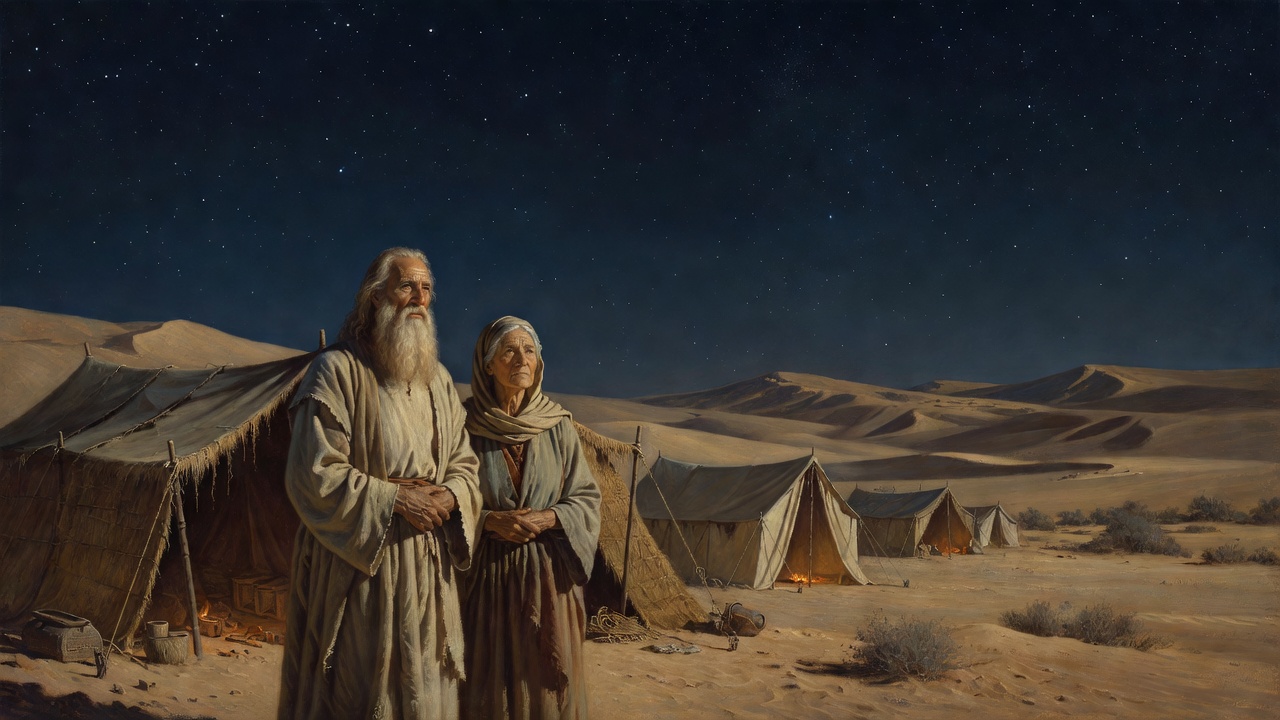
- The chapter highlights Abraham, Isaac, and Jacob dwelling in tents as strangers in the promised land, describing their nomadic lifestyle as an expression of looking forward to a permanent heavenly city.Sources: Abraham · Isaac · Jacob (Israel) · the Bible text itself
- The author traces Israelite history through key turning points, including Moses leaving the court and riches of Egypt, the crossing of the Red Sea, and the collapse of the fortified walls of Jericho.Sources: Egypt · Red Sea · Jericho
Notes written with AI assistance from open sources (Theographic Bible Metadata, CC BY-SA 4.0; Easton’s Bible Dictionary, public domain) and reviewed before publishing.
Places in this chapter
- Egypt · 30.129, 31.308 · verses 22, 26, 27
- Jericho · Today: Tell es Sultan · 31.872, 35.445 · verse 30
Only places identified with high confidence are shown (90% or more according to the scholarly sources compiled by OpenBible). Period map: DARE (Digital Atlas of the Roman Empire), CC BY 4.0; modern map: © OpenStreetMap contributors; places: OpenBible.info (CC BY 4.0).
Credits and license for this translation
Elu Ọhụn: Ẹkụkwọ-Nsọ (Azụụn Ọhụn rịn'a)
Revision of New Testament in Ika
copyright © 2010 Wycliffe
Language: Ika
Translation by: Wycliffe
Ika (ikk) Nigeria
In Nigeria the word Ika is not only the name of the Ika
people, but is also used to designate a local government area in the Akwa Ibom
State. The Ika people are a sub group of the Igbo people. It is interesting to note
that Ika is the name of a town in Croatia is one of the eight Annang local
government areas of the local government areas in Akwa Ibom State. An alternative
name for the Ika people is Ika-Annang. There appears to be another dialect of Ika
that is spoken in Delta State of Nigeria.
Copyright Information
© 2010, Wycliffe. All rights reserved.
This translation text is made available to you under the terms of the Creative
Commons License: Attribution-Noncommercial-No Derivative Works. ( http://creativecommons.org/licenses/by-nc-nd/3.0/ ) In addition, you have
permission to port the text to different file formats, as long as you do not change
any of the text or punctuation of the Bible.
You may share, copy, distribute, transmit, and extract portions or quotations from
this work, provided that you include the above copyright information:
You must give Attribution to the work.
You do not sell this work for a profit.
You do not make any derivative works that change any of the actual words or
punctuation of the Scriptures.
Permissions beyond the scope of this license may be available if you contact us
with your request.
Printed book ISBN 9789789037056
Revision
The New Testament
in Ika
© 2010, Wycliffe. All rights
reserved.
This translation is made available to you under the terms of the
Creative Commons Attribution-Noncommercial-No Derivatives license 4.0.
You may share and redistribute this Bible translation or extracts from it in any format, provided that:
You include the above copyright and source information.
You do not sell this work for a profit.
You do not change any of the words or punctuation of the Scriptures.
Pictures included with Scriptures and other documents on this site are licensed just for use with those Scriptures and documents.
For other uses, please contact the respective copyright owners.
2019-08-09
Source: http://ebible.org/ikkNT/ · eBible.org