Hebrews 10
Elu Ọhụn: Ẹkụkwọ-Nsọ (Azụụn Ọhụn rịn'a) · Tap a verse to see its cross-references.
Jizọsị E Gigụọ Ẹjan Ohu Hụ Ọ Chụ Chụchanrịn Ẹjan Ile
1Ebe o mẹ ni ihiẹn rị imẹ Iwu Mozizi wụhụ onyinyọn ihiẹn rị mma lalanị, ẹlẹ ezigbo ẹ; ya wụ nị ẹjan hụ w'a chụsọnmẹ ahụa-ahụa asakọ nwan ẹka chanchanfụ njọ ndị a bịa d'e fe Osolobuẹ, mẹ wẹ zu oke. 2Omẹni o te sa ẹka a chanchanpụ njọ, nkẹ ndị hụn e fe ofufe a chụbehi ẹjan. Makẹni, nkẹ njọ wẹ a wụrụ ihiẹn wẹ chanchanpụ mgbe ohu hụ, chanchanpụchanrịn a, obi e ke gha e gbuzi wẹ mgbu. 3Kanị, ẹjan ndị hụ w'a chụ a nyanhansọnmẹ ni ndị rị a bịa d'e fe ofufe njọ wẹ ahụa-ahụa, a nyanhan nị wẹ nị w'e mẹsọnmẹ njọ, 4makẹni ẹdeke okẹn-efin lẹ ewu asaẹka wepụ njọ. 5Ya haịn ogẹn Kraịstị gi bịa imẹ ụwa, ọ sị,
“Kẹ ẹjan-o, kẹ oyiye-o, o nwọnni hụn ị chọ;
kama, ẹhụ k'i kwademẹni m.
6Kẹ oyiye wẹ dụn ọkụn-o kẹ oyiye w'e ye makẹ ifiri njọ-o,
o nwọnni hụn a sụọ ị ụsụọ.
7Ya m nọ sị ‘Lee ẹ, Osolobuẹ, a bịaọlẹ m d'e mẹ uche i—
nọkẹ kẹ wẹ dọn de banyeni m imẹ Ẹkụkwọ-nsọ.’ ”
8Nke ibuzọ, ọ sị, “Kẹ ẹjan-o, kẹ oyiye-o, kẹ oyiye wẹ dụn ọkụn-o, kẹ oyiye w'e ye makẹ ifiri njọ-o—o nwọnni hụn ị chọ, o nwọnni hụn a sụọ ị ụsụọ” (ọsụọn'a nị Iwu sị w'e mẹsọnmẹ ihiẹn ndịnị). 9Ya ọ nọzị sị, “Lee ẹ, a bịaọlẹ m d'e mẹ uche i.”
Ya wụ nị o bugụọ nke ibuzọ che ụsụọ kẹni o tumẹ hụn mẹ ẹ ẹbụọ. 10Ịya wụ uche Osolobuẹ kẹ Kraịstị mẹ nwan, hụn wẹ gi nwan dọn ẹnyi nsọ ghahanị ẹjan Kraịstị gi ẹhụ a chụ, chụ a mgbe ohu, chụchanrịn a.
11Onyẹ nchụ-ẹjan ọwụlẹ a rụn ọrụn a ụhụọhịn-ụhụọhịn, a chụsọnmẹ ụdị ẹjan ohu hụ—ẹjan hụn ghalẹni asaẹka e wepụ njọ. 12Kanị, nke Kraịstị wụ nị ogẹn o gi gigụụ ifiri njọ chụ ẹjan ohu hụ o gi chụchanrịn ẹjan ile, ọ nọ nọdị alị ẹka-nni Osolobuẹ. 13Kete mgbe hụ, ọ rị e che mgbe Osolobuẹ k'e gi gi ndị iṅẹnrẹn ẹ mẹmẹ n'ẹ ihiẹn o gi a zọma ụkụ a, 14makẹni o gigụọ ẹjan ohu mẹ ndị hụ o dọn nsọ wụrụ ndị zu oke jẹnrin ejẹn. 15Mmọn-nsọ rịzịkwọ a shịa ẹri o gi a ghọsị ẹnyi ni ihiẹnni wụ ezioku. O bu ụzọ sị,
16“Di-nwọnni-ẹnyi sị,
‘Ọnwan wụ nkwerigbama hụn m jẹnkọ e tumẹ
ẹgbata mẹ lẹ wẹ ogẹn hụ:
m jẹnkọ e bu iwu m che imẹ obi wẹ,
m k'e de wẹ ye imẹ uche wẹ.’ ” 17Ọ nọ sịzị, “Anyanhankọzị m njọ wẹ lẹ mmẹfie wẹ.”
18Ya wụ, ebe wẹ nọ gbagharịgụhụ njọ ndịnị wẹ, w'a ra chụzị ẹjan wẹ gi e wepụ njọ.
Nị Ẹnyi Nọkunmẹ Osolobuẹ
19Umunẹ m, ẹnyi e nwẹgụọ nwan ihiẹn obi gi e ru ẹnyi alị a banye Ebe Osolobuẹ rị makẹ ihiẹn ẹdeke Jizọsị mẹ. 20Ẹghẹẹ, makẹni Jizọsị a kwagụọ nị ẹnyi ụzọ ọhụn hụ rị ndụn ghahanị ẹhụ a, ya wụ ọnwụn a, hụn o gi dọwapụ nị ẹnyi ẹkwa mgbọnbepụ hụ. 21Ọzọzị, ẹnyi nwọn okẹn onyẹ nchụ-ẹjan hụn ụlọ Osolobuẹ rị ẹka a. 22Ifiri ihiẹn ndịnị wẹ, nị ẹnyi gi ni nwan obi ẹnyi ile lẹ obi erumalị ndị gi ya wụ onyẹ nchụ-ẹjan dọn ẹnya buruhẹ Osolobuẹ. Nị ẹnyi bịa nwan makẹni o gigụọ ẹdeke ẹ fekpu obi ẹnyi, chanchanfụ ihiẹn ile obi te gi a ma ẹnyi ikpe, gi mirin nwunni wụchanpụ ẹnyi ẹhụ.
23Nị ẹnyi kwọnkẹnmẹ ni nwan olile-ẹnya hụ ẹnyi nwọn—makẹni Osolobuẹ hụn kwe ẹnyi nkwa furu onyẹ wẹ gi e dọn ẹnya. O k'e mẹzu nkwa a.
24Nị ẹnyi a chọsọnmẹ ni ụzọ ẹnyi e gi e mẹ ibe ẹnyi e nwẹ ihiẹn-ọsụsụọ, a rụnzịkwọ ọrụn rị mma. 25Ẹlẹ hụn ẹnyi e gi a latọ isọn ibe ẹnyi a gbakikomẹ kẹ ndị hụ imẹ ẹnyi dọn e mẹ. Kama, nị ẹnyi a kasị ibe ẹnyi obi, tụmadụ hụnnị ẹnyi rị a hụn kẹ ụhụọhịn Di-nwọnni-ẹnyi rị a rịwaye nsue.
26Makẹni, omẹni ẹnyi a kpachanpụ ẹnya tọ njọ e mẹ, ebe ẹnyi marịngụụ ezioku, o nwọnzini ẹjan ọwụlẹ họdụnị hụn wẹ jẹnkọ d'a chụ gi wepụ njọ. 27Kama, ihiẹn k'a gha e che onyẹ ahụn wụ ikpe-ọmụma hụn a tụ egun lẹ okẹn ọkụn hụn jẹnkọ d'a dụnpụchanrịn ndị-iṅẹnrẹn Osolobuẹ. 28Makẹni, ebe o mẹ ni onyẹ ọwụlẹ dan Iwu Mozizi, e gbu w'ẹ, emẹni wẹ omikẹn ẹ—madụ ẹbụọ mọbụ ẹtọ shịahụ ẹri n'o mẹ ihiẹn hụ, 29nanị k'i ro nị afụnfụn furu wẹ k'e ye ndị legberi Nwa Osolobuẹ k'a jọhan njọ—ndị lenịa ẹdeke nkwerigbama hụ wẹ gi dọn wẹ nsọ, kpasu Mmọn-nsọ wẹ gha mẹn'ẹ ẹfọma iwe? 30Makẹni ẹnyi a marịnghọ Osolobuẹ, onyẹ hụn sị, “Mmẹ nwẹ e mẹgwarị; m k'a kụkin ụgwọ;” sịzị, “Di-nwọnni-ẹnyi jẹnkọ d'e kin ndị nke ẹ ikpe.” 31Ihiẹn a tụ egun k'ọ wụ nị ịhịan danye ẹka Osolobuẹ hụn rị ndụn.
Nyanhan Nị Kẹ Ụnụ Dọn Bidọn
32Ka nyanhankwọ nị ọrụrụ-alị hụ ụnụ gi kweri, ogẹn hụ wẹ gi shịapụgụụ ụnụ ẹnya; nyanhankwọ nị kẹ ụnụ dọn dingbuchanrịn eje-afụnfụn bu ọda bịanị nị ụnụ; 33kẹ wẹ dọn kparisọnmẹ ụnụ, kpokposọnmẹ ụnụ, kẹ ụnụ dọn sọndẹ ndị ọzọ wẹ rị e mẹ ẹrịra ta afụnfụn. 34Ẹghẹẹ, ụnụ a tadẹ ni ndị rị ụlọ-ngan afụnfụn ogẹn hụ; ogẹn wẹ gi napụ ụnụ ihiẹn ụnụ, ụnụ e gidẹ ịghọghọ din ẹ, makẹni ụnụ a marịnghọ nị ụnụ lẹ enwẹn ụnụ nwọn hụn ka mma lẹ hụn k'a tọ jẹnrin ejẹn.
35Etuhukwọlẹ ni obi-erumalị hụ ụnụ nwọn imẹ Di-nwọnni-ẹnyi, makẹni ụgwọ-ọrụn rịn'a e hikẹkwọ ogbe. 36Makẹni, ọ rịka mkpa nị ụnụ din ndidi, kẹni ụnụ hụn ụzọ mẹsọnmẹ uche Osolobuẹ, gi e nwọnhẹn ihiẹn hụ o kwe nkwa a. 37Nọkẹ kẹ Ẹkụkwọ-nsọ dọn ku,
“Ọ họdụ ẹkẹrẹ,
onyẹ hụn lalanị a bịa—
o biekọ.
38Kanị,
okukwe kẹ onyẹ nke m hụn rị kẹ m chọ
k'e gi e bi.
Ọ gbakin azụụn,
ihiẹn ẹ asụọkọ m.”
39Kanị, ẹnyi a rị ndị hụn a gbakin-azụụn, gi ẹrịra tuhu; kama, ẹnyi rị ndị k'a gha e nwọn okukwe, Osolobuẹ e gi ifiri ẹ zụọpụha wẹ.
Did you know?
A Sacrifice Offered Once for All
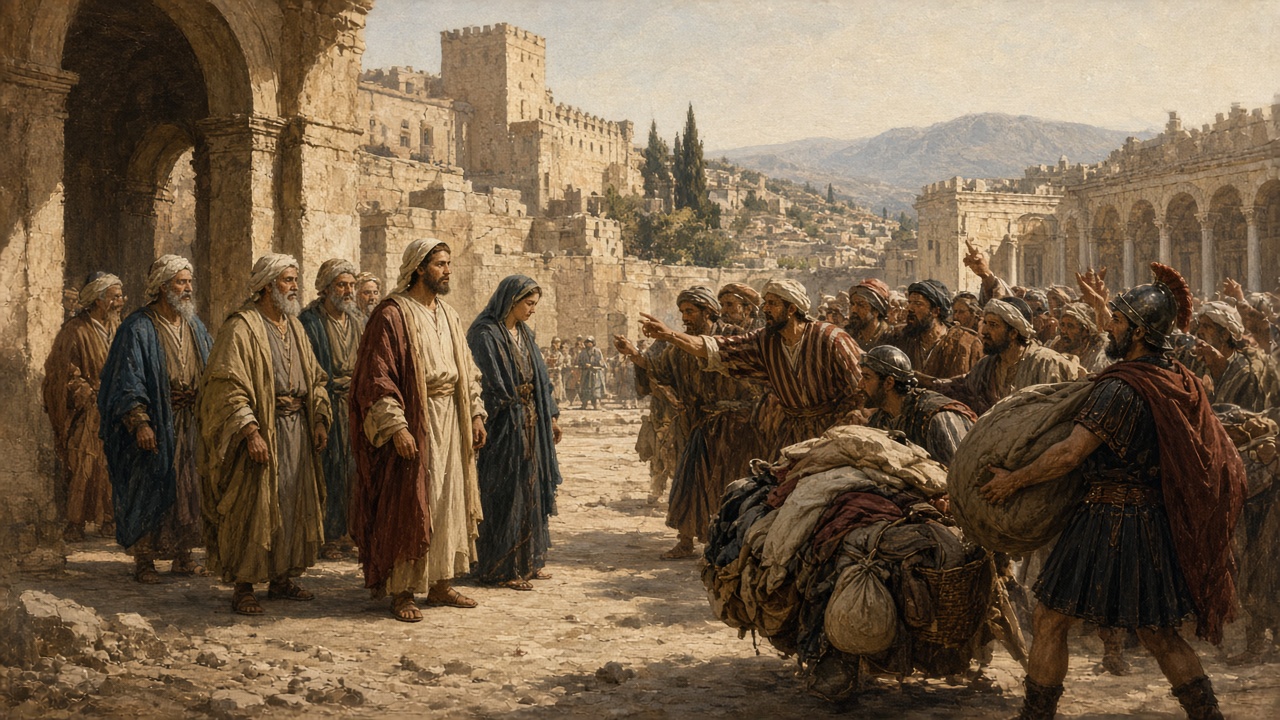
- The law is called only a shadow of the good things to come. Sacrifices repeated year after year, and the blood of bulls and goats, are said to remind worshipers of sins rather than take those sins away; by contrast, the sacrifice of the body of Jesus Christ is presented as sanctifying people once for all.Sources: the Bible text itself
- Every priest is pictured standing day after day to offer the same sacrifices, which can never take away sins. After one sacrifice for sins, this Priest is said to have sat down at the right hand of God, and the chapter speaks of a new and living way into the Most Holy Place through the curtain of his body.Sources: the Bible text itself
- Rejecting the law of Moses, the chapter says, brought death without mercy on the testimony of two or three witnesses. It then recalls an earlier time when the readers endured public ridicule and persecution, stood with those so treated, sympathized with people in prison, and joyfully accepted the confiscation of their property.Sources: the Bible text itself
Notes written with AI assistance from open sources (Theographic Bible Metadata, CC BY-SA 4.0; Easton’s Bible Dictionary, public domain) and reviewed before publishing.
Places in this chapter
Only places identified with high confidence are shown (90% or more according to the scholarly sources compiled by OpenBible). Period map: DARE (Digital Atlas of the Roman Empire), CC BY 4.0; modern map: © OpenStreetMap contributors; places: OpenBible.info (CC BY 4.0).
Credits and license for this translation
Elu Ọhụn: Ẹkụkwọ-Nsọ (Azụụn Ọhụn rịn'a)
Revision of New Testament in Ika
copyright © 2010 Wycliffe
Language: Ika
Translation by: Wycliffe
Ika (ikk) Nigeria
In Nigeria the word Ika is not only the name of the Ika
people, but is also used to designate a local government area in the Akwa Ibom
State. The Ika people are a sub group of the Igbo people. It is interesting to note
that Ika is the name of a town in Croatia is one of the eight Annang local
government areas of the local government areas in Akwa Ibom State. An alternative
name for the Ika people is Ika-Annang. There appears to be another dialect of Ika
that is spoken in Delta State of Nigeria.
Copyright Information
© 2010, Wycliffe. All rights reserved.
This translation text is made available to you under the terms of the Creative
Commons License: Attribution-Noncommercial-No Derivative Works. ( http://creativecommons.org/licenses/by-nc-nd/3.0/ ) In addition, you have
permission to port the text to different file formats, as long as you do not change
any of the text or punctuation of the Bible.
You may share, copy, distribute, transmit, and extract portions or quotations from
this work, provided that you include the above copyright information:
You must give Attribution to the work.
You do not sell this work for a profit.
You do not make any derivative works that change any of the actual words or
punctuation of the Scriptures.
Permissions beyond the scope of this license may be available if you contact us
with your request.
Printed book ISBN 9789789037056
Revision
The New Testament
in Ika
© 2010, Wycliffe. All rights
reserved.
This translation is made available to you under the terms of the
Creative Commons Attribution-Noncommercial-No Derivatives license 4.0.
You may share and redistribute this Bible translation or extracts from it in any format, provided that:
You include the above copyright and source information.
You do not sell this work for a profit.
You do not change any of the words or punctuation of the Scriptures.
Pictures included with Scriptures and other documents on this site are licensed just for use with those Scriptures and documents.
For other uses, please contact the respective copyright owners.
2019-08-09
Source: http://ebible.org/ikkNT/ · eBible.org