Matthew 2
Eta Táurinaquene máechajiriruvahi ema Viya eta viyehe, ticaijare puito Eta Nuevo Testamento · Tap a verse to see its cross-references.
Náejirapana ema amuya ena reye mágoana
1Eta máuchusinehi ema Jesús te avasare ticaijare Belén tayehe eta departamento Judea. Te jena año, ema Aluresi ema tayehehi rey eta Judea. Tásiha, títecapanapa te Jerusalén ena reye mágoana tiásihanahi te tayerehiquene avasare tinapaica te táuchusine eta sache. 2Nacayasesererupaipahi, ánipa nacahe:
—Víti, tímitecahavi eta vitanusirahi ema amuya máuchurehi rey-yarehi eyehe eti israelítana. Taicha vímahahi eta arairu jarairiqui, vémetearuhi máicutiarahi ema Viya eta máuchusinehi ema amuya rey-yare. Titupihapa eta te juca eyehe. Puiti vivarahahi véjirapanayare éma. ¿Távihapuca mávihahi ema amuya? —nacahepa.
3Te masamairiricapa ema Aluresi, ichaperinehi eta mapaneréqueneháirahi. Vaipa máurisamurehíni. Ena achaneana te tajuhe eta avasare, énerichuvare napaneréquenehahi éna apanavare eta juca téchacarehi. 4Tacahe, ema Aluresi máimichuhavacapa namutu ena tuparairucana énapa ena títuruequenehana eta Sagrada Escritura. Mayaserecavacapa:
—¿Távihapuca máuchusihayarehi ema vicuchapaquenehi ticaijareyare Cristo? —macahepa.
5Éna najicapapa:
—Te Belén te tachacaya eta juca viávasa Jerusalén. Taicha tacahehi eta májurehi ema víyarahaini profetaini Isaías. Máechajicahi éma eta avasare tímícutijiricavahi eta achanénahini. Ánipa macahe: 6“Piti avasare Belén, tachichavihi eta Judea, picunachacarepánayare píti. Taicha eta máuchusihayarehi piyehe ema ichapequeneyarehi eta maháquenucávayare. Éma, téchapajirimurihayare namutu ena vijaneanana israelítana”. Náejirahi ema amuya Jesús ena réye-magoana. Ticamavahuanapahivare.|src="Gospel 28" size="span" ref="Mt 2.11"
7Tacahe, te masamapa ema Aluresi, máichuhavacapa ena mágoana. Mañajichamuripa, taicha mavaraha máechaya tájamuhupuca te tépanavainapa náimahapa eta jarairiqui. 8Te máechapa, mavanecavacapa éna te Belén. Máichapa:
—Eyana etanuca ema amuya te Belén. Te étupiacapuca, echava emetacanuyare, apaesa nuyana núti apanavare néjirapanayare —máichavacapa.
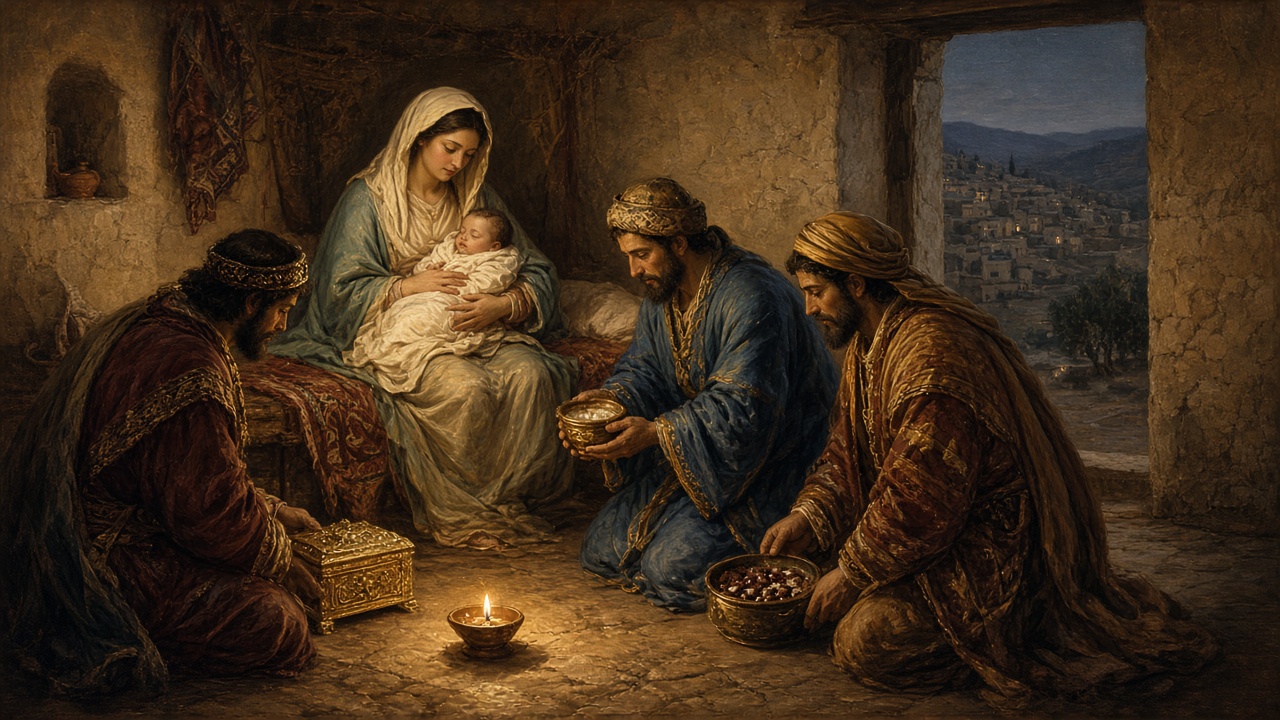
9Tacahe, ena mágoana, eta nasamirahi, tiyananavarepa. Tásiha, náimahavarepa eta jarairiqui náehirupahi. Tiyanapa te namirahu. Étapa te Belén eta tatupihaiyahi, te táinahu eta mávihahi ema amuya. 10Tétavicava eta náurisamurevahi ena mágoana eta náimairahi eta tatupihairaripa. 11Títecapánavanepa eta te peti mávihahi ema amuya. Náimahapa éma, ésupa esu maena María. Tásiha, tépuyucanapa natsiucapa ema amuya. Navecuhapa eta námavahuanapahi. Náijaracasichapa eta oro, eta incienso étapa eta táijiyequene perfume. 12Te táequenepa eta náejirairahi ema amuya, tichavanayarepa te návasa. Apanapasera eta achene eta nayanihapahi, taicha ticametacasianapa te navapure vaipa nacuetavajica te mávihahi ema Aluresi.
Ema José ésupa esu María náimijunapa ema amuya te Egipto
13Tacahe, te táequenepa eta nayanirahi ena mágoana, tiúcupaicapa ema émana ángele mavaneruhi ema Viya, mametapanayarehi ema José te mavapure. Ánipa máicha:
—Péchepuca, José. Piyana piáma ema amuya ésupa esu María tayehe eta Egipto. Pinasiyare ánaqui. Tiámainucava te numetacavivare eta pichavirainapa, taicha ema Aluresi títecayare matanucayare ema amuya, mavarairahi macapacayare —máichapa ema ángele.
14Tacahesera ema José téchepucapa. Tétupirícavanavanepa te jena yati. Tiyananapa námapa ema amuya tayehe eta Egipto. 15Nanasipa ánaqui. Tiámainucava te tépenapa ema Aluresi, ticavanahianavarepa mayehe ema ángele eta nachavirayare. Tamutu eta juca títauchavahi eta juca mametarapi ema Viya eta te Sagrada Escritura, ani macahehi: “Te Egipto nímijunaiyahi ema nuchicha. Te táequenepa, níchuhayarepa éma”.
Ema Aluresi máimicapapajicapa ena amuyanaini te avasare Belén
16Tacahe, ema Aluresi te masamairiricapa eta nánucuiraripa ena mágoana, tisemarinehi eta navayuasirahi. Máimivanerecapa nacapapajicapana namutu ena amuyana ajairana tiávihanahi te Belén énapa ena tiávihanahi te tachacayarahana, ena ticayeheanaripa apina año énapa ena náuchusirávana. Máepanaequenehapa eta táuchusihahi eta jarairiqui náimahaquenehi ena mágoana. 17Tacahe, te Belén eta táitauchiravahi eta májuchaquenehi ema víyarahaini profetaini Jeremías. Ani tacahehi: 18“Tétavicavahi eta najapanuiravahi ena esenana. Ichape eta náiyairahi taicha ena suntaruana nacapapajisirahi ena nachichanaveana. Nájina naratahahini nacamatinacahini taicha eta najapanuiravahi ichape” tacahepa.
19Tacahe, te jácani año te táequenepa eta máepenirahi ema Aluresi, tiápechavavarepa ema ángele máechajicahi ema José te mavapure ánaqui te Egipto. Ánipa maicha:
20—Péchepuca, José. Piveha ema amuya ésupa esu maena. Piyana pichava te piávasa Israel taicha vaipa táeñamavacare. Tépenaipahi ema tipanereuchainihi ticapacayarehini ema amuya —máichapa ema ángele.
21Jéhesare, ema José téchepucapa. Tétupiricavapa, ésupa esu maena ema amuya. Tiyananapa tichavanahi tayehe eta návasa. 22Tacahe, eta napaisirapahi eta nachavirapa tayehe eta návasa, masamairiricapa ema José eta maviravaipahi aquenuca ema Arquelao, machicha ema Aluresini. Tipicapa ema José machavahini tayehe eta Belén. Tásiha, ema ángele mápechavarepa máechajicahi te mavapure eta matupiruirayarepa te Nazaret te tinapaica Galilea. 23Te títecapanapa, ánaqui étapa náejasihahi. Tacahehi eta táitauchiravahi eta táechajiriruvanahi eta Sagrada Escritura nájureanahi ena profetanaini eta macaijarerayarehi Nazareno ema Jesús.
Did you know?
Magi, Herod, and Nazareth
- The King Herod of this chapter is Herod the Great. His son Archelaus, by Malthace, a Samaritan woman, inherited a third of the kingdom: Idumea, Judea, and Samaria. Until a few days before Herod's death another son, Antipas, had been named successor, but in his last moments Herod named Archelaus; for fear of him, Joseph turned aside from Judea and withdrew to Galilee.Sources: Archelaus · the Bible text itself
- Matthew links the deaths of the boys in Bethlehem to words spoken through the prophet Jeremiah: a voice in Ramah, Rachel weeping for her children. Rachel, one of Jacob's wives, died giving birth to Benjamin and was buried by the wayside on the road to Ephrath, that is Bethlehem, directly north of the town. Her sepulchre is regarded with great veneration by the Jews.Sources: the Bible text itself · Rachel · Bethlehem
- Bethlehem, in the hill country of Judah, was earlier called Ephrath and was also known as the city of David; under the Romans it lay in Judea, the southernmost of the three divisions of Palestine. Joseph and Mary went instead to Nazareth in Galilee, their home, a town not mentioned in the Old Testament. The name Nazareth is generally supposed to come from the Hebrew netser, a shoot or sprout, though some connect it with a word for guarding or watching.Sources: Bethlehem · Judea · Nazareth · the Bible text itself
Notes written with AI assistance from open sources (Theographic Bible Metadata, CC BY-SA 4.0; Easton’s Bible Dictionary, public domain) and reviewed before publishing.
Places in this chapter
- Bethlehem · 31.704, 35.208 · verses 1, 5, 6, 8, 9, 16
- East · Today: region around Amman · 31.955, 35.934 · verses 1, 2, 9
- Jerusalem · 31.777, 35.234 · verses 1, 3
- Judea · Today: Judea 1 · 31.777, 35.234 · verses 1, 5, 22
- Egypt · 30.129, 31.308 · verses 13, 14, 15, 19
- Galilee · 32.760, 35.527 · verse 22
- Nazareth · 32.702, 35.298 · verse 23
Only places identified with high confidence are shown (90% or more according to the scholarly sources compiled by OpenBible). Period map: DARE (Digital Atlas of the Roman Empire), CC BY 4.0; modern map: © OpenStreetMap contributors; places: OpenBible.info (CC BY 4.0).
Credits and license for this translation
Eta Táurinaquene máechajiriruvahi ema Viya eta viyehe, ticaijare puito Eta Nuevo Testamento
New Testament in Ignaciano (BL:ign:Ignaciano)
copyright © 2012 Wycliffe Bible Translators, Inc.
Language: Ignaciano
Translation by: Wycliffe Bible Translators, Inc.
Copyright Information
© 2012, Wycliffe Bible Translators, Inc. All rights reserved.
This translation text is made available to you under the
terms of the Creative Commons License: Attribution-Noncommercial-No Derivative Works.
( http://creativecommons.org/licenses/by-nc-nd/3.0/ )
In addition, you have permission to port the text to different file formats, as long as you
do not change any of the text or punctuation of the Bible.
You may share, copy, distribute, transmit, and extract portions
or quotations from this work, provided that you include the above copyright
information:
You must give Attribution to the work.
You do not sell this work for a profit.
You do not make any derivative works that change any of the actual words or punctuation of the Scriptures.
Permissions beyond the scope of this license may be
available if you contact
us with your request.
The New Testament
in Ignaciano
© 2012, Wycliffe Bible Translators, Inc. All rights reserved.
This translation is made available to you under the terms of the
Creative Commons Attribution-Noncommercial-No Derivatives license 4.0.
You may share and redistribute this Bible translation or extracts from it in any format, provided that:
You include the above copyright and source information.
You do not sell this work for a profit.
You do not change any of the words or punctuation of the Scriptures.
Pictures included with Scriptures and other documents on this site are licensed just for use with those Scriptures and documents.
For other uses, please contact the respective copyright owners.
2014-04-25
Source: http://ebible.org/ignNT/ · eBible.org