Acts 5
Eta Táurinaquene máechajiriruvahi ema Viya eta viyehe, ticaijare puito Eta Nuevo Testamento · Tap a verse to see its cross-references.
Eta mapecaturahi ema Ananías ésupa esu mayena Safira
1Matiarihihivare ema achane ticaijarehi Ananías ésupa esu mayena ticaijaru Safira. Énerichuvare náijararecapa éna eta nayehe apaquehe napenapahini. 2Ema maca achane macaerajicapa ticutimurihacaca eta plata tavachahi eta mayehe apaquehe. Esu mayena suéchahi eta mayumurusirahi eta ticutimurihacaca eta plata.
Tacahe, te títecapapa ema achane nayehe ena apóstoleana, máichapa:
—Níjararecahi eta nuyehe apaquehe. Júcahi tamutu eta plata tavachahi —macahepa.
3Tásiha, ema Pedro máichapa:
—Píti, Ananías, ¿tájaha tacayema písapavahi ticaetemavi ema Satanás? Pipanerechaipa pivayuaracayare ema Espíritu Santo eta piyumurusirahi ticutimurihacaca eta tavachahi eta piyehe apaquehe. 4Pímaha, Ananías. Piyeherichuhi eta apaquehe píjarareruhi. Nájina tipamicavinahi eta pinaquisiravaya. Puiti eta juca píjarasiravahi pinaquicava, pépiyahirahipaipa pímijachahi tamutu eta juca plata tavachahi eta piyehe apaquehe. Pátupiruvapaini eta pivarahaquenehi pinaquica. Émasera ema Viya máimararacahi eta juca pépiyahiraivahi. Vahi vítinahini pivayuaracahini —máichapa ema Pedro.
5Te masamapa ema Ananías eta juca, tiáquipaicavapa, matupiru tépena. Te nasamairiricapa ena achaneana, namuturinehi tipicana ichape. 6Tacahe, nararihi ena natuparaháichuhi técararecana. Navehapa eta máquehe ema Ananías. Náyuruacapa. Námapa te ecari, náecarapanapa.
7Te táequenepa eta mapanaquene hora, títecapapa esu Safira, mayena ema Ananías. Vuíchaha suéchahini eta máicharacavahi ema suima eta máepeniraipahi. 8Tacahe, ema Pedro mayaserecapa, ánipa maicha:
—Pimetacanu. Eta juca plata mámaquenepahi ema pima, ¿étahipuca tamutu eta tavachahi eta eyehe apaquehe? —máichapa ema Pedro.
Tásiha, sujicapapa:
—Eta tavachahi tamutu —suíchapa.
9Tacahe, ema Pedro máichapa:
—¿Tájaha tacayema ecuticacahi eta juca épiyahiraivahi evayuarasirahi ema Espíritu Santo? Ávane tichavana ena técarapananahi ema pímaini. Tásiha, puiti pítipavayare tiámavianayare —máichapa.
10Tacahe, eta máichirahi ema Pedro, enevanepa tiáquipaicavahi ésu te máivapechacaya ema Pedro. Tépenavarepa. Te tichavanapa ena técarapananahi ema suímaini, náimaharinehi ésu tépenaipavare. Navehavarepa esu, námavarepa náecarapana te machacaya ema suímaini. 11Te nasamairiricapa namutu ena achaneana, ichaperinehi eta napisira ema Viya, navetijipa eta napisirahi ena téhicanahi ema Cristo.
Máijaracahi ema Viya ena apóstoleana eta náimeresiraya eta tiáramicareana
12Tacahe, ena apóstoleana, ichape eta máijarasiravacahi ema Viya eta náimeresirayare eta tiáramicareana te namirahu ena apamuriana achaneana. Ticurujicacánahivare tamutu sácheana ena tisuapajirahiana te náurujisirareva te tajuhe eta Templo, te tayehe eta alar máepiyaruhi ema reyni Salomón. 13Namutu ena apamuriana achaneana máehicarahanaríchaha ema Jesucristo, vahi napatsicavahini nacanara taicha namutu napicauchahi. 14Camurianapaipasera ena ajairana énapa ena esenana ena téhicanapaipahi ema Jesús. 15Camurianaipa ena nacanararuanapáipahi ena apóstoleana. Tacahe, námavacapahi ena apamuriana nacajumaqueneana, nanaquicapaipa te calle mayanihayarehi ema Pedro. Eta máetavisirayarehi éma, távichayare eta macuna, tacanaracayarehi eta najumana. 16Énerichuvare, títecapanapa te Jerusalén ena achaneana tiásihana te avasareana nachacayarahanahi. Námapahi ena nacajumaqueneana énapa ena návaháruana ena éreanana. Namutu ena nani tinaracanapahi tayehe eta náichavaquenévanahi.
Naémeratacapa ema Pedro émapa ema Juan
17Váipasera máuricahini eta juca ema corregidor, énapa ena machamuriana. (Saducéoanahi éna.) Tisemanarinehi táichavenehi eta náehisirahi ena camuriqueneana achaneana eta náimiturapihi ena apóstoleana. 18Tacahe, nacavanairipipa nacaratatajica ena apóstoleana. Náimisiapapa te cárcel, ticaeratanapa. 19Émasera ema Viya majaneacavacahi éna. Te jena yati, mavanecapa ema mayehe ángele. Mavejiapana eta cárcel návihahi éna. Mavanecapa náuchuca, ánipa maicha:
20—Eyana ímerecava te jena Templo. Emetaca ena achaneana eta mavarairahi ema Viya máitsivachaya arairuya eta náitaresirayare ena téhicanaya ema Jesucristo —máichavacapa ema ángele.
21Náuchusihapa ena apóstoleana te cárcel, timapicucuhichaha te tiyananapa tayehe eta te Templo. Tinahacavanavarepa tímiturecana.
Tacahe, te jena yáticarahi ema corregidor mavanecapa ena comisarioana máimichuhapa namutu ena apamuriana tuparairucana énapa ena náiyacarana israelítana. Te tiúrujicavanapa namutu, nacavanairipipa náepana ena apóstoleana eta te cárcel. 22Te títecapanapa te cárcel ena suntaruana, navejiacapa eta tapaja. Nájinaripahisera. Tacahe, tichavanapa nayehe ena náquenuruhana. Nametacapa eta nájinaripahi ena apóstoleana. 23Tacahe, náichapa:
—Te vítecapauchapa eta cárcel, vímahapa tanasihi ticaeratahi eta tapaja. Natiarihivare ena séntinélana tijaneacanahi eta tapaja. Tacahe, te vivejiacapa eta tapaja, nájina émanainahini vichimapahini te tajuhe —nacahepa ena vanairucana.
24Te máechapa ema corregidor, énapa ena machamuriana tuparairucana, émapa ema náquenumuri ena tasuntarurana eta Templo, náramirinehi ichape. Tacahe, náichacacapa:
—¿Tájaha tacayema eta juca? Vaipa vímatiequeneha. ¿Tájahapuca vícharacavaya? —náichacacapa.
25Téchajiricavanarichaha éna, títecapanecha ema émana achane. Mametacavacapa éna. Ánipa macahe:
—Ena naena ajairana érataruanahi te cárcel, náenahi ánaqui te Templo tímiturecanahi nayehe ena achaneana —máichapa.
26Tacahe, ema náquenuruha ena suntaruana, émajacaruvapa tiyana. Mámamurihapaipahi ena suntaruana, náepanayarehi ena apóstoleana. Jéhesare, námamurihapa, tájinasera náicharacapahini eta námirapahi taicha napicahi ena apamuriana achaneana natupisicavacahini te márijahiana. 27Te nacaitecapapa, nacatupihapa te namuri ena tuparairucana. Tásiha, ema corregidor ánipa maicha:
28—Víti vivanecahehi muraca eta vaipa ecuapechava ecuimitureca eta máechepusirahipuca ema Jesús, tasiha, éti ímiyanavarichucha ímitureca. Namutupa ena achaneana tayehe eta juca viávasa Jerusalén náitucapa eta ímiturapiana éti. Visapihapa evaraha vítiyare táecatiha eta máepenirahi ema achane Jesús. ¿Tájaha tacayema vahi esuapahavihini? —macahepa.
29Tacahe, ema Pedro énapa ena apamuriana apóstoleana najicapapa, ánipa naicha:
—Tatúparáca mativayare visuapa ema Viya. Éma tisuapacarepana eyehe éti. 30Víti, véhicahi ema Viya, émarichuhi nacasiñaquenehi ena viáchucanaveanaini. Émahi ema ticaechepucahi ema Jesús, ema ímicaparuhi eta émetatasirahi te crusu. 31Tásiha puiti, ema Viya máunacahi te anuquehe anuma. Macaejacahi te mavaure tayehe eta trono. Máijaracaripa eta matuparahayarehi Aquenucayarehi Ticatiurahiyareva. Taicha mavarahahi ema Viya vimutuyare viti israelítana véneuchavaya mayehe, apaesa éma tiperdonachahaviyare tamutu eta vipecaturana. 32Víti véchajisihahi eta juca taicha vímahaquenehi eta mápechiravahi títareca. Víti véchajisihahi maicha ema Espíritu Santo máijararuhavihi ema Viya viyehe viti visuapana éma —náichapa ena apóstoleana.
33Te nasamapa eta juca ena aquenucana, tisemanapa. Navarahapa nacapacavacayarehini. 34Matiarihihisera te nataracu ema achane ticaijare Gamaliel. Ema tuparairucahi doctrinero fariseo. Ema maca achane ticapicahuhi nayehe namutu ena achaneana. Tacahe, titupihapa te namirahu. Macavanairipipa náuchucachaha ánipina ena apóstoleana. 35Tacahe, máichavacapa ena machamuriana aquenucarahana:
—Tátanaveana, nujaneanana israelítana. Échapava eta evarahaquenehi íchaya nayehe ena nani achaneana. 36Échapuca éti cape juca táitaresirahi, téchepucahi ema émana achane ticaijare Teudas. Éma macahehi eta máitupajijiásiravahi. Tásiha, camuriana ena achaneana téhicanahi. Cuátrocientoanahi ena ajairana ena machaneranahi. Tásihasera, nacapacahi ena mánarana. Tásiha, namutu ena téhicanainihi téjanerepaicanahi. Títavapa tamutu. 37Tásiha, te táequenevarepa, te jena sache eta nacatupairahi ena achaneana, téchepucavarepa ema apana ema ticaijare Judas, ema ticavasa te Galilea. Camurianavare ena téhicanahi. Énerichuhivareséra nacapacahi ena mánarana. Namutuhivare téjanerepaicana ena téhicanainihi. 38Tiuri puiti, esamanu eta juca numetaruheya. Ésamiricachucha ena nani achaneana. Vahi ecuimicasiapava nayehe. Taicha eta juca náichaquenehi te nayehechuchapuca éna, títavayarehi. 39Téheserapuca mayehehi ema Viya, vahi eratahaimahi ecamitiaca. Échapavachucha. Machu ecucaemuñava ecanara ema Viya —máichavacapa.
40Tacahe, tésamiricavanapa namutu. Náimisiapavarepa ena apóstoleana. Náestacavacapa. Tásiha, navanecavarepa eta vaipa nacuapechava nacuechajisiha eta máechepusirahi ema Jesús. Tásiha, nacaiticavacapa. 41Tacahe, tiúchucanapa ena apóstoleana te náurujisiavahi ena tuparairucana. Tiúrisamureanapáichucha eta nacaestairahi. Ánipa nacahe:
—Ema Viya máimararacahi eta vicamichirahi tamutu eta náimicatsiriasirahavihi táichavene eta véhisirahi ema Jesús —nacahepa.
42Váhiquene nacatsimavahini. Tímiturecanáichucha tamutu sácheana, náechajisihahi ema Jesucristo. Tímiturecanahi te Templo étapa te pétiana.
Did you know?
Deceit, wonders, and the Sanhedrin
- Ananias, a member of the Jerusalem church, and his wife Sapphira, whose name means beautiful, sold a piece of land and, with her knowledge, kept back part of the price while bringing the rest to the apostles. He could have kept the property; Peter reminded him that it remained at his disposal both before and after the sale. The wrong was the lie: he professed to give it all, Sapphira confirmed the false price, and both died, she sharing his guilt and his punishment.Sources: Ananias (Husband of Sapphira) · Sapphira · the Bible text itself
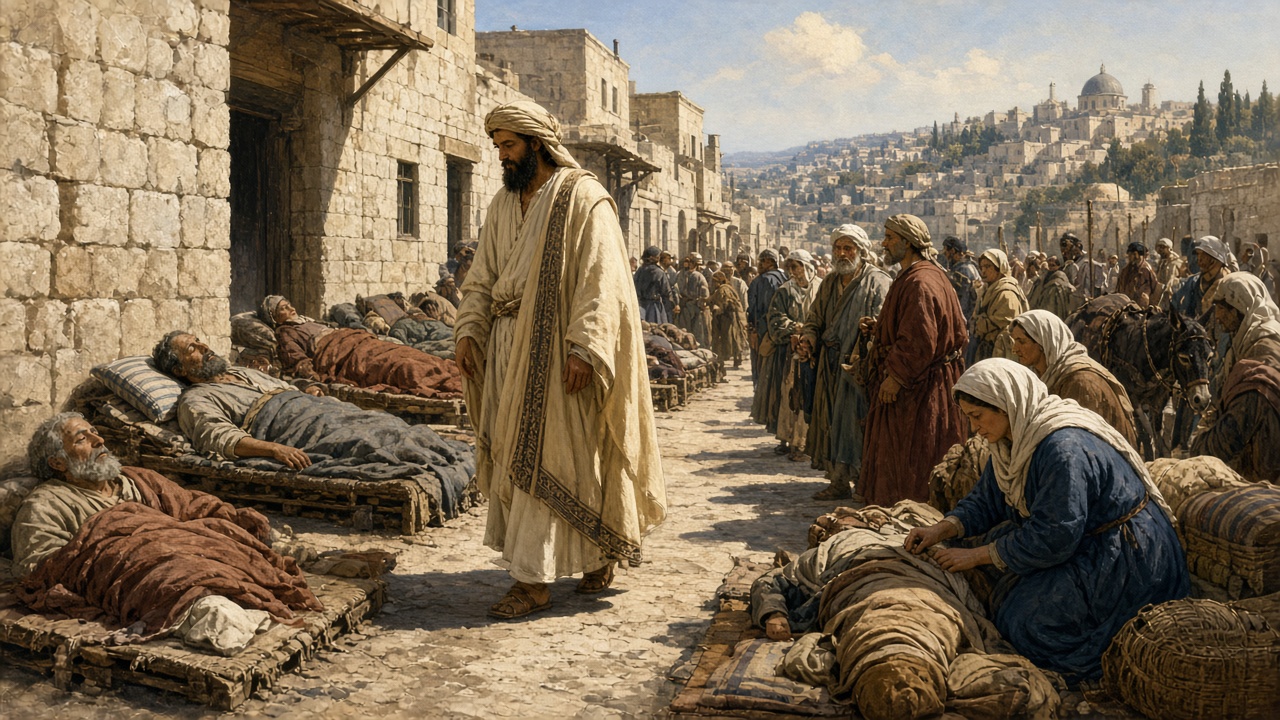
- The believers gathered with one accord in Solomon’s Colonnade, where the apostles performed many signs and wonders. That colonnade probably stood on the eastern side of the temple. It is not mentioned in connection with the first temple, though Josephus refers to a porch of that name in Herod’s temple.Sources: Solomon's Portico · the Bible text itself
- When the high priest and his associates, who belonged to the party of the Sadducees, had the apostles arrested, a Pharisee named Gamaliel stood up in the Sanhedrin. He is described as a teacher of the law honored by all the people, the son of Rabbi Simeon and grandson of the famous Rabbi Hillel, and as an opponent of the Sadducees; he urged the council to leave the men alone. He pointed to Theudas, who had led an insurrection against Roman authority and, as Gamaliel told it, gathered about four hundred men before the rising came to nothing—beyond that, nothing else is known of Theudas—and to Judas the Galilean, who perished in the days of the census.Sources: Gamaliel · Theudas · the Bible text itself
Notes written with AI assistance from open sources (Theographic Bible Metadata, CC BY-SA 4.0; Easton’s Bible Dictionary, public domain) and reviewed before publishing.
Places in this chapter
- Solomon’s Portico · Today: in Jerusalem · 31.777, 35.234 · verse 12
- Jerusalem · 31.777, 35.234 · verses 16, 28
- Galilee · 32.760, 35.527 · verse 37
Only places identified with high confidence are shown (90% or more according to the scholarly sources compiled by OpenBible). Period map: DARE (Digital Atlas of the Roman Empire), CC BY 4.0; modern map: © OpenStreetMap contributors; places: OpenBible.info (CC BY 4.0).
Credits and license for this translation
Eta Táurinaquene máechajiriruvahi ema Viya eta viyehe, ticaijare puito Eta Nuevo Testamento
New Testament in Ignaciano (BL:ign:Ignaciano)
copyright © 2012 Wycliffe Bible Translators, Inc.
Language: Ignaciano
Translation by: Wycliffe Bible Translators, Inc.
Copyright Information
© 2012, Wycliffe Bible Translators, Inc. All rights reserved.
This translation text is made available to you under the
terms of the Creative Commons License: Attribution-Noncommercial-No Derivative Works.
( http://creativecommons.org/licenses/by-nc-nd/3.0/ )
In addition, you have permission to port the text to different file formats, as long as you
do not change any of the text or punctuation of the Bible.
You may share, copy, distribute, transmit, and extract portions
or quotations from this work, provided that you include the above copyright
information:
You must give Attribution to the work.
You do not sell this work for a profit.
You do not make any derivative works that change any of the actual words or punctuation of the Scriptures.
Permissions beyond the scope of this license may be
available if you contact
us with your request.
The New Testament
in Ignaciano
© 2012, Wycliffe Bible Translators, Inc. All rights reserved.
This translation is made available to you under the terms of the
Creative Commons Attribution-Noncommercial-No Derivatives license 4.0.
You may share and redistribute this Bible translation or extracts from it in any format, provided that:
You include the above copyright and source information.
You do not sell this work for a profit.
You do not change any of the words or punctuation of the Scriptures.
Pictures included with Scriptures and other documents on this site are licensed just for use with those Scriptures and documents.
For other uses, please contact the respective copyright owners.
2014-04-25
Source: http://ebible.org/ignNT/ · eBible.org