2 Corinthians 8
Eta Táurinaquene máechajiriruvahi ema Viya eta viyehe, ticaijare puito Eta Nuevo Testamento · Tap a verse to see its cross-references.
Tatupiruvayare te visamure te vivaraha vicajirica
1Tiuri puiti, nuparapenaveana, vivaraha vimetacahe eta nanaquisiravahi ichape ena apamuriana vichamuriana ticavasanahi te avasareana tinapaica te juca Macedonia. Éna, nasuapavanepa eta manacasamurechirahi ema Viya eta nacajirisirayarehi. 2Ichapemurihinéni eta náichirahi ena ticatianacanahi náemepaurechavacahi, váhisera náinajicavahini. Tivapinavanarichucha. Tatupiruvahi te nasamureana eta náijarasirahi eta nanaquiruvana. Páureanahinéni, tímecavahisera eta nanaquiruvana, ticutirine rícoanainahini. 3Núti néchajisihahi eta juca taicha nunecapaequenehahi eta tápajusiravahi eta nanaquiruvana. Vahi náeñamahini, náijaracahi jácani nacayehequene. Vahi vipamicavacahini víti. 4Énasera, ichapemurihivare eta nayaseasirahavihi vísapahini tinaquicavana éna apanava, navarairahi nacajiyare ena vichamuriana ticavasanahi te Jerusalén. 5Éna, náetaviuchahi eta navapinairavahi. Tínapucapa tinaquicavanahi eta nacaemataneasirahi ema Viya, navarairahi nacurisamurecha éma. Tásiha, étapa eta náicurehi ena vichamuriana. Tiúrisamureanahi ena téhicanahi ema Jesus eta náimiamaresirahi eta nanaquiruvana mayehe ema Pablo, náicuchihi ena páureana.|src="Acts 122" size="span" ref="2 Co 8.6-7" 6Eta nímairahi núti eta navapinavairahi eta nacajirisiraya, nupanerechahi nuvanecaya ema Tito machava máiteca eta ara eyehe apaesa táitauchavapaini eta enaquiruvanahi éti apanava. Cape juca épaniravainapa. Puiti ítauchavanepaini. 7Taicha éti, ichapemuri eta ecasiñavairahi me Viya. Tétavicavahivare eta échemaraivahi. Camurihevare éti ímiturahiana. Evapinavahivare eta ecaemataneasirahi ema Viya. Tétavicavahivare eta émunaraivahi eta viyehe. Eta tacahe, táurica tápajucavahivaréni eta enaquiruvana ecajirisiraya.
8Váhisera nupamicahe eta nuvanesirahénahini. Nuvarahahisera ímatiequenehahi eta navapinaraivahi ena apamuriana vichamuriana apaesa ímerecahini éti apanava eta yátupiquenérahi émunaraivahi. 9Ímatirichuhi éti eta máemunasirahavihi ema Viáquenu Jesucristo. Éma, tamutu tiúricacarehi te mávihahi te anuma, tájinahinéni mácamunuhini. Étivenehisera tiúcupaicapa te juca apaquehe. Páurehi éma eta máitaresirahi apaesa éti ejacapahini eta iúricacareva maicha éma.
10Németeaca táurica ítauchavanéni eta juca enaquisiravahi, váchupa épanavaqueneripahi cape año. Táimiyanava eta evapinairavayarehi eta ítauchiraya eta enaquiruvanayare tásihaquenehi eta jácani tatiarihiqueneanahi ecayehequeneanahi. 12Etiarihi erataha enaquica apaesachicha. Etiarihivare erataha iápajucava eta enaquisiravahi. Etiarihi erataha enaquica camuri. Tacamunuchucha tátupiruva te esamureana, evapinavahi eta enaquiruvaya apaesa tijacapacareya mayehe ema Viya.
13Vahi nuyaseacahe échurihahini éti táichavénenahini eta ímicatasirayare ena apamuriana. 14Nuvarahahisera ímerecavahini eta ímicatasiravacayare ena vichamurianahi. Puiti ecaimahaquenevacahi, eratahahi ecajirica ena náechuriaruanahi. Tijuricati te apana año, étipavainapapuca échuriaca. Éna títsirijicavanainapa eta eyehe, énapavainapa tinaquicavanayare. Ene tacaheyare eta ítaresirayare, ecuticacayare. Nacuija nacucatajiva tayehe eta ecamunuqueneana. 15Vítauchayare eta tacayemaquenehi eta Sagrada Escritura, ani tacahe: “Namutuhi ticaniruana. Nájina nácatajivahini, nájinavare náechuriacahini, váhivare náemepururerecahini” tacahepa.
Ema Tito énapa ena apinana vanairucanahi mayehe ema Pablo
16Núti nuhasulupayachahi ema Viya eta manacasamurechirahi ema Tito máeñamiravahi eta eyehe, tacutihi eta nusamure néñamiravahi eta eyehe. 17Éma, matupiruvahi tijicapanuhi eta nutuparasirahi téchapajiricaheyare. Ichape eta mavarairahi téjirapanaheyare, taicha tétavicavahi eta máemunasirahehi.
18Eta mayanirayare ema Tito eta ara eyehe, vévatacayare macachaneyarepahi ema apana vichamurihivare. Tímaticarehi éma eta macunachacarevahi te jácani máimituresirapahi nayehe ena vichamuriana tayehe eta véhiruhi. 19Ema maca nerejihi ne vichamuriana eta máimicatasiranuyare eta vipaisirayare, víjarasirayare ena vichamuriana eta enaquiruvanahi. Víchahi eta juca, vivarairahi vicurisamurechaya ema Viáquenu. Vímereuchaheyareva eta evapinairavahi éti ecajiraivahi. 20Taicha núti eta viámirayare eta ichapequene enaquiruvana, nuvaraha nímerecayare eta táuriva eta víchira, apaesa vahi nacuechajisianu nácani achaneana. Ema Viya tímararacanuhi eta táuriva eta nupanereruana. Nuvarahavare tiuri eta náimairahi ena vichamuriana.
22Énerichuvare vévatacayareva ema apanavare vichamuri. Éma, ichapemurihi tímereuchava eta mavapinairahi eta macaemataneasirahi ema Viáquenu. Puiti éma, tivapinavavarepa eta máitecapauchiraheya, taicha macasiñavahi eta máimatirainapa eta evapinavahi eta ecajiraivahi éti. 23Núti nuvarahahi náimatiyarehi namutu ema Tito, eta émairahi nujupaha tayehe eta juca vématanerepi. Vicuticacahi eta vicaemataneasirahe, véchapajirisirahehi éti. Étaripa te nacayasesererupuca nayehe ena apinana vichamuriana macachanequeneanayarehi ema Tito, énerichuvare emetacayare eta nerejianahi ena apamuriana vichamuriana, táichavenehi eta táurivahi eta nacaemataneasirahi ema Cristo. 24Nuvarahahi ímerecavayare eta nayehe ena nani apinana vichamuriana eta yátupirahi eta émunaraivahi, apaesa ecurisamurecha namutu ena vichamuriana te nasamairiricapa, náimatirayare vahi támapuruji eta nucunachirahehi.
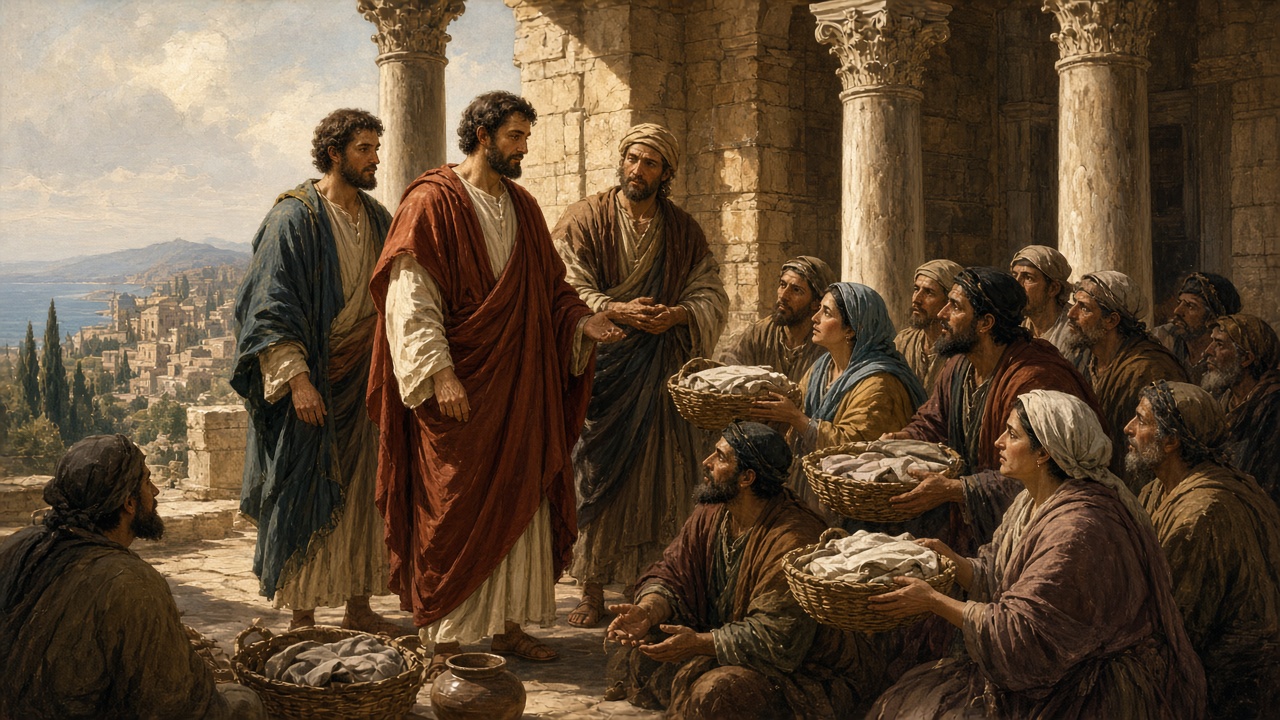
Did you know?
Generosity and the Jerusalem Collection
- In New Testament times Macedonia was a Roman province north of Greece. Paul was summoned by the vision of a man of Macedonia to preach the gospel there, and this chapter tells the Corinthians how those churches, in a terrible ordeal and deep poverty, gave joyfully and even beyond their ability.Sources: Macedonia · the Bible text itself
- Titus, whose name nowhere occurs in Acts, appears to have been a Gentile chiefly engaged in ministering to Gentiles. From Ephesus, Paul sent him to Corinth to forward the church's contributions for the poor saints at Jerusalem; in this chapter Paul urges him to complete that work, and Titus is coming eagerly of his own accord.Sources: Titus · the Bible text itself
- Along with Titus, Paul is sending a brother praised by all the churches for his work in the gospel and chosen by them to accompany the offering, and another brother whose earnestness has been proven many times and in many ways. He explains that this care is meant to avoid criticism of how the generous gift is administered, so that they do what is right not only in the eyes of the Lord but also in the eyes of other people.Sources: the Bible text itself
Notes written with AI assistance from open sources (Theographic Bible Metadata, CC BY-SA 4.0; Easton’s Bible Dictionary, public domain) and reviewed before publishing.
Places in this chapter
Only places identified with high confidence are shown (90% or more according to the scholarly sources compiled by OpenBible). Period map: DARE (Digital Atlas of the Roman Empire), CC BY 4.0; modern map: © OpenStreetMap contributors; places: OpenBible.info (CC BY 4.0).
Credits and license for this translation
Eta Táurinaquene máechajiriruvahi ema Viya eta viyehe, ticaijare puito Eta Nuevo Testamento
New Testament in Ignaciano (BL:ign:Ignaciano)
copyright © 2012 Wycliffe Bible Translators, Inc.
Language: Ignaciano
Translation by: Wycliffe Bible Translators, Inc.
Copyright Information
© 2012, Wycliffe Bible Translators, Inc. All rights reserved.
This translation text is made available to you under the
terms of the Creative Commons License: Attribution-Noncommercial-No Derivative Works.
( http://creativecommons.org/licenses/by-nc-nd/3.0/ )
In addition, you have permission to port the text to different file formats, as long as you
do not change any of the text or punctuation of the Bible.
You may share, copy, distribute, transmit, and extract portions
or quotations from this work, provided that you include the above copyright
information:
You must give Attribution to the work.
You do not sell this work for a profit.
You do not make any derivative works that change any of the actual words or punctuation of the Scriptures.
Permissions beyond the scope of this license may be
available if you contact
us with your request.
The New Testament
in Ignaciano
© 2012, Wycliffe Bible Translators, Inc. All rights reserved.
This translation is made available to you under the terms of the
Creative Commons Attribution-Noncommercial-No Derivatives license 4.0.
You may share and redistribute this Bible translation or extracts from it in any format, provided that:
You include the above copyright and source information.
You do not sell this work for a profit.
You do not change any of the words or punctuation of the Scriptures.
Pictures included with Scriptures and other documents on this site are licensed just for use with those Scriptures and documents.
For other uses, please contact the respective copyright owners.
2014-04-25
Source: http://ebible.org/ignNT/ · eBible.org