2 Corinthians 7
Eta Táurinaquene máechajiriruvahi ema Viya eta viyehe, ticaijare puito Eta Nuevo Testamento · Tap a verse to see its cross-references.
1Tacahe, némunaruqueneana nuparapenaveana, vahi távarahahini vínajicavahini tayehe eta juca vicuchapaquenehi puiti. Tacahe, vépachinachayarehi tamutu eta viáquehe étapa eta viáchaneva. Víjaracavayarehi tamutu te visamureana me Viya taicha eta vipicauchirahi éma.
Eta máurisamurevahi ema Pablo táurivaipa eta náitaresira ena machamuriana
2Nuparapenaveana, nuvaraha ímiyanavahini esuapanuhini. Taicha nájinahi te etaracu éti nacatajivahini náinajicavahini níchavenénahini núti. Nájinavare nucaetemaquenénahini, nímipananájicavacahipucaini. 3Váhivare nuvaraha nucajachahe puiti. Nutupiruvahi eta numetasirahehi cape juca: “Tétavicavahi eta nucasamurerahehi. Tájina ticamitisicanuimahi, tayanapanepuca népena”. 4Ichape eta nucasiñavairahi eta eyehe, nucunachahehi eta ecurisamurechiranuhi. Tayanapanehinéni ichape eta nucatajivairahi, tétavicavahisera eta étumechiranuhi ecurisamurechiranuhi.
5Étaripa te nítecapapa tayehe eta Macedonia, tájina nunarasirainahini. Ichape eta nucatajivairahi naicha ena ticatianacanuanahi. Ichaperinehivare eta néñamiravahi eta eyehe. 6Émasera ema Viya tétavicavahi eta máetumeraivahi nayehe nácani téñamavasamureanahi. Nútiripa nétumechavainehi maicha éma, eta nímairapa máitecapauchiranuhi ema Tito. 7Tavetijipa eta mametasiranupa ema Tito eta ecurisamurechirarinehi éma. Timetacanuvare ichape eta éñamiravahi eta nuyehe; evarairaipaicha ímahanu; ichapevare eta evarairahi esuapanu eta étupirisirahi ema maca achane téjecapavahi. ¡Eta juca, tétavicavainehi eta ecurisamurechiranuhi!
8Ichapehinéni eta táimipanereresirahehi eta nucartane. Nútiripa, ichaperinehivare eta táimipanereresiranuhi nucatisamurevahi te nucajurepa. Némitisicapasera puiti, taicha ánipi eta táimipanereresirahehi. 9Puítisera, tétavicavainehi eta núrisamurevahi ícha, eta táetaviasiraheripahi eta ecatisamurevahi. Eta núrisamurevahi, vahi étainahini taicha eta ecatisamurevahi. Núti núrisamurevahi taicha títsivachavaipahi eta táurivaipahi eta epanereruana, evarairahi ecurisamurecha ema Viya. Eta tacahe, víti tájinapa vácayemahini eta eyehe. 10Taicha tatiarihihi eta jácani máijararuhi ema Viya, táimipanereresirahehi, mavarairahi eta éneuchiravaya tayehe eta ejacapiravahi apaesa macuchucuhahe. Eta ecatisamurevahi tiámahi eta iúricacarevaya. Énasera ena apamuriana achaneana tayehe eta juca apaquehe, yátupi ticatisamurevanahi, váhisera náeneuchavahini eta me Viya. Éta, tiáma eta náepenira. 11Étisera, ¡tétavicavahi eta iúrivahi tásihaquenehi eta ecatisamurevairahi! Enevanerinehi ínajicahi eta éjecapiravahi taicha evarahahi ímiyanava ecurisamurecha ema Viya. Ichaperinehi eta nucunachirahehi taicha epicauchainehi ema Viya tayehe eta juca íchavaquenévahi. Evarahainehi níjahúchavahini nítecahini eta eyehe nímicatacahehini. Étisera enevanepa ecurujicacahi taicha eta esemanevahi maicha ema téjecapavahi te etaracu. Enevanepa émecharecapa éma. Ímerecavahi eta tamajinairahi éjecapiravainahini éti. 12Núti, te nucajurehénapa eta táinapure nucartane, vahi émainahíni máimipanererecanuhini ema téjecapavahi, váhivare émainahíni máimipanererecanuhini ema maiya, émaripa ema majarareruhi. Íchavenehi éti eta ímipanereresiranuhi te nucajurehénapa, nuvarairahi ímereuchavayarehi eta yátupipapuca eta esuapiranuinahini te mavahuana ema Viya. 13Eta tacahe, tétavicavainehi eta étumechiranuhi núti eta nusamairisirahehi eta esuapiranuipa.
Tavetijipa eta núrisamurevapa eta táurivahi eta ejacapirahi ema Tito. Tétavicavahi eta máurisamurevapahi ícha éti eta ésamirisiravaipa. 14Váhirichu támapurujihini eta nucunachirahehi mayehe ema Tito eta núrisamurevahi ícha éti. Puítiripa, ímereuchavapa yátupihi eta ecunachacarevahi. 15Éma, tiápajucavapaipa eta máemunasirahehi éti. Máecharairicahi eta táurivahi eta ejacapirahi éma, esuaparinehivare, táichavenehi eta emansuiravahi étapa eta epicauchirahi ichape ema Viáquenu. 16Núti apanavare, tétavicavahivare eta núrisamurevahi ícha éti. Nucasiñavahi táimiyanava eta esuapiranuina te tamutu.
Did you know?
Comfort after a painful letter
- Macedonia, where Paul says he arrived with no rest in his body—conflicts outside and fears within—was a Roman province north of Greece. There, he writes, the God who comforts the downcast comforted him by the arrival of Titus.Sources: Macedonia · the Bible text itself
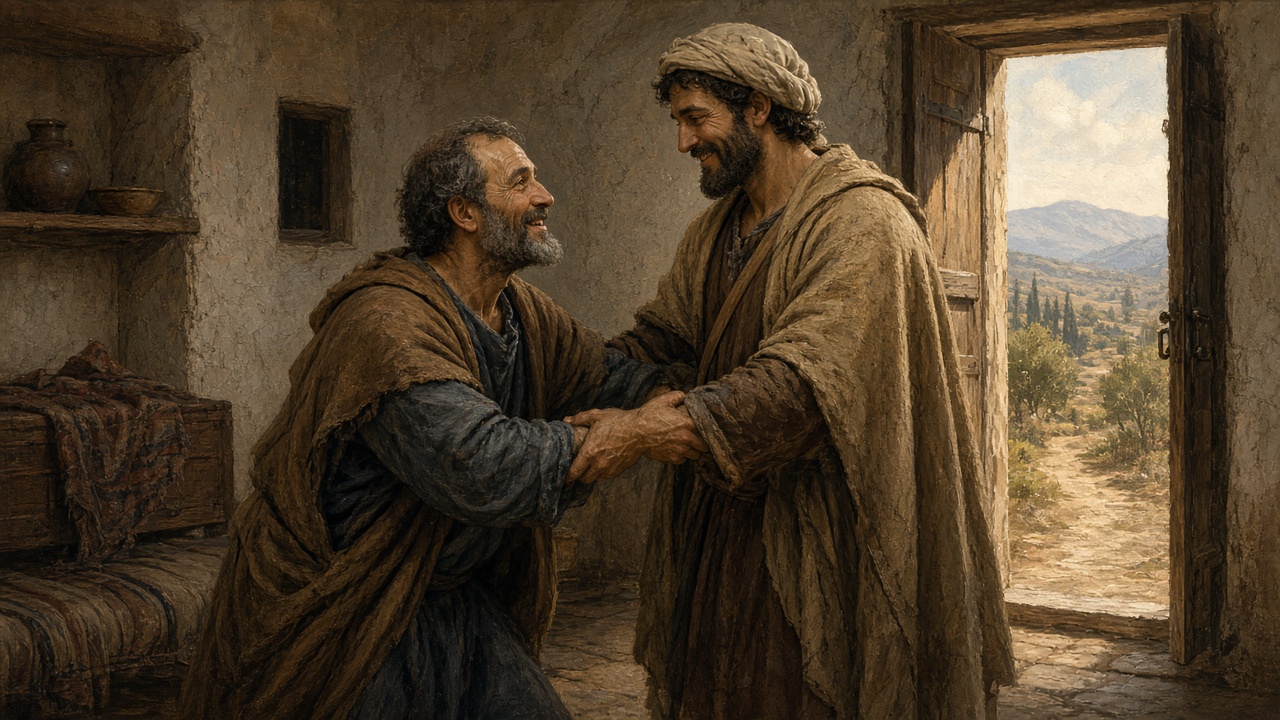
- Paul speaks of a letter that made them sorrowful, but only for a short time. He now rejoices not because they were sorrowful, but because that sorrow led them to repentance; he says they felt the sorrow God intended, were not harmed by him, and showed earnestness, zeal, and innocence in the matter.Sources: the Bible text itself
- A short account describes Titus as a companion of Paul, apparently a Gentile chiefly engaged in ministering to Gentiles. In this chapter Paul says Titus’s arrival comforted him, that Titus reported their longing, mourning, and zeal, and that they welcomed Titus with fear and trembling.Sources: Titus · the Bible text itself
Notes written with AI assistance from open sources (Theographic Bible Metadata, CC BY-SA 4.0; Easton’s Bible Dictionary, public domain) and reviewed before publishing.
Places in this chapter
- Macedonia · 41.600, 22.540 · verse 5
Only places identified with high confidence are shown (90% or more according to the scholarly sources compiled by OpenBible). Period map: DARE (Digital Atlas of the Roman Empire), CC BY 4.0; modern map: © OpenStreetMap contributors; places: OpenBible.info (CC BY 4.0).
Credits and license for this translation
Eta Táurinaquene máechajiriruvahi ema Viya eta viyehe, ticaijare puito Eta Nuevo Testamento
New Testament in Ignaciano (BL:ign:Ignaciano)
copyright © 2012 Wycliffe Bible Translators, Inc.
Language: Ignaciano
Translation by: Wycliffe Bible Translators, Inc.
Copyright Information
© 2012, Wycliffe Bible Translators, Inc. All rights reserved.
This translation text is made available to you under the
terms of the Creative Commons License: Attribution-Noncommercial-No Derivative Works.
( http://creativecommons.org/licenses/by-nc-nd/3.0/ )
In addition, you have permission to port the text to different file formats, as long as you
do not change any of the text or punctuation of the Bible.
You may share, copy, distribute, transmit, and extract portions
or quotations from this work, provided that you include the above copyright
information:
You must give Attribution to the work.
You do not sell this work for a profit.
You do not make any derivative works that change any of the actual words or punctuation of the Scriptures.
Permissions beyond the scope of this license may be
available if you contact
us with your request.
The New Testament
in Ignaciano
© 2012, Wycliffe Bible Translators, Inc. All rights reserved.
This translation is made available to you under the terms of the
Creative Commons Attribution-Noncommercial-No Derivatives license 4.0.
You may share and redistribute this Bible translation or extracts from it in any format, provided that:
You include the above copyright and source information.
You do not sell this work for a profit.
You do not change any of the words or punctuation of the Scriptures.
Pictures included with Scriptures and other documents on this site are licensed just for use with those Scriptures and documents.
For other uses, please contact the respective copyright owners.
2014-04-25
Source: http://ebible.org/ignNT/ · eBible.org