2 Kings 6
Biblica® Baịbụlụ Nsọ nʼIgbo Ndị Ugbu a nke dịrị onye ọbụla ịgụ · Tap a verse to see its cross-references.
Isi anyụike esee nʼelu mmiri
1Ụmụ ndị amụma gwara Ịlaisha okwu sị, “Lee, ebe a anyị bi nʼihu gị dị oke nta karịa. 2Ya mere, ka anyị gaa nʼakụkụ Jọdan gbute osisi anyị ga-eji wuo ụlọ ebe anyị ga-ebi.”
Ọ sịrị ha, “Meenụ ka unu kwuru.”
3Ma otu onye nʼime ha rịọrọ ya sị, “Biko, nna anyị ukwu, soronụ anyị.”
O kwenyere na ọ ga-eso ha. 4O sonyekwara ha.
Mgbe ha bịaruru nʼakụkụ Jọdan, ha malitere igbutu osisi. 5Ma mgbe otu nʼime ha nọ na-egbutu otu osisi, anyụike ya dabara nʼime mmiri. O tiri mkpu sị, “Ewoo, onyenwe m. Ọ bụkwanụ ihe a rịọtara arịọta.”
6Mgbe ahụ, onye nke Chineke jụrụ ya sị, “Ebee ka ọ dabara?” Mgbe o ziri ya ebe ọ dabara, Ịlaisha gbutere osisi tụba ya nʼebe ahụ, mee ka anyụike ahụ segolite na-erugharị nʼelu mmiri. 7Ọ sịrị, “Tụtụlite ya.” O setịrị aka ya wepụta ya.
Ìsì ekpuo ndị agha Siria
8Nʼoge a, eze ndị Aram na ndị Izrel nọ nʼagha. Mgbe ya na ndịisi agha ya kparịtachara, ọ sịrị, “Aga m eguzobe ọmụma ụlọ ikwu m nʼebe dị otu a na nʼebe dị otu a.”
9Ngwangwa, onye nke Chineke zigaara eze Izrel ozi sị, “Lezie anya, unu ejekwala nso nʼebe ahụ, nʼihi na eze Aram na ndị agha ya nọ nʼebe ahụ.” 10Nʼihi nke a, eze Izrel mere nchọpụta banyere ebe ahụ onye nke Chineke gwara ya. Ọtụtụ mgbe Ịlaisha dọrọ eze aka na ntị, nʼihi ya, ha nọrọ na nche nʼebe ahụ niile.
11Ihe ndị a mere ka iwe wee eze ndị Aram. Ọ kpọkọtara ndịisi ọrụ ya nye ha iwu sị, “Gwanụ m, onye nʼime anyị dịnyere eze Izrel?”
12Otu onye nʼime ndị ọchịagha ya sịrị, “O nweghị onye ọbụla nʼime anyị, onyenwe m bụ eze. Ọ bụ Ịlaisha, onye amụma Izrel, bụ onye na-agwa eze Izrel okwu niile i na-ekwu nʼime ebe ndina gị.”
13Ya mere, eze Aram nyere ha iwu sị ha, “Gaanụ, chọpụta ebe ọ nọ, ka m ziga ndị agha ga-aga jide ya.” Ha gara lọta, kọọrọ ya na Ịlaisha nọ na Dọtan. 14Nʼihi ya, nʼotu anyasị eze Aram zigara ọtụtụ ndị agha ya, ndị ji ịnyịnya na ụgbọ agha gbaa obodo ahụ gburugburu.
15Mgbe onye na-ejere onye nke Chineke ozi biliri ọtọ nʼisi ụtụtụ pụọ, ọ hụrụ ọtụtụ ndị agha na ịnyịnya na ụgbọala, ka ha gbara obodo ha nọ gburugburu. O tiri mkpu sị, “Ewoo, onyenwe m, gịnị ka anyị ga-eme ugbu a?”
16Ma Ịlaisha zara sị ya, “Atụla egwu, nʼihi na ndị nọnyere anyị dị ọtụtụ karịa ndị nọnyeere ha.”
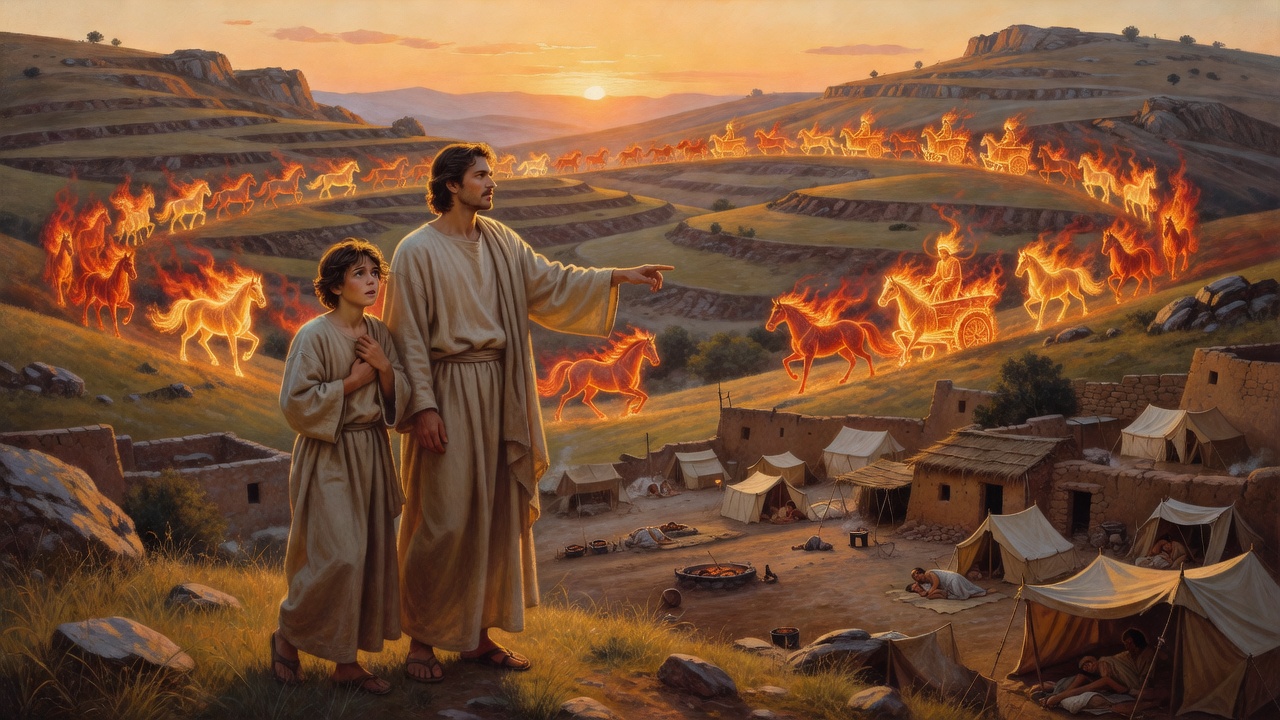
17Mgbe ahụ, Ịlaisha kpere ekpere sị, “ Onyenwe anyị, biko, saghee anya ya abụọ ka ọ hụ.” Onyenwe anyị meghere anya ohu Ịlaisha, mee ka ọ hụ ịnyịnya ọkụ, na ụgbọala ọkụ jupụtara nʼugwu dị gburugburu ebe ahụ niile.
18Mgbe ndị iro ahụ na-abịaru ya nso, Ịlaisha kpọkuru Onyenwe anyị nʼekpere sị, “Mee ka ìsì kpuo ndị agha niile.” O mekwara ka ìsì kpuo ha, dịka Ịlaisha rịọọrọ.
19Ịlaisha pụtara sị ha, “Nke a abụghị ụzọ, nke a abụkwaghị obodo unu na-achọ. Soronụ m, ka m gosi unu nwoke unu na-achọ.” O duuru ha jee Sameria.
20Mgbe ha bịaruru Sameria, Ịlaisha kpere ekpere sị, “Biko, Onyenwe anyị, ugbu a meghee anya ha, ka ha hụ ụzọ.” Onyenwe anyị meghere anya ha dịka Ịlaisha kpere nʼekpere; ha matakwara na ha nọ na Sameria.
21Mgbe eze Izrel hụrụ ha, ọ jụrụ Ịlaisha ajụjụ sị, “Nna m, ị chọrọ ka m gbuo ha?”
22Ịlaisha zara sị ya, “Egbula ha. Ị ga-egbu ndị i ji mma agha na ụta gị dọta nʼagha? Nye ha nri na mmiri, zilaga ha ka ha lakwuru onyenwe ha.” 23Ya mere, ọ kwadooro ha oke oriri dị ukwuu, mgbe ha riri, ṅụkwaa, o zilagara ha, ha lakwuuru nna ha ukwu. Site nʼoge ahụ gaa nʼihu, ndị otu Aram na-apụnara mmadụ ihe kwusịrị inye nsogbu nʼoke ala ndị Izrel.
Ụnwụ nʼobodo Sameria
24Ma mgbe ụfọdụ oge gasịrị, Ben-Hadad, eze Aram, chịkọtara ndị agha ya niile pụta bịa gbaa Sameria gburugburu. 25Nʼihi nke a, oke ụnwụ dara nʼobodo Sameria. Nri kọrọ nʼala ahụ ruo na e bidoro ire otu isi ịnyịnya ibu iri shekel ọlaọcha asatọ. E rekwara nsị nduru shekel ise.
26Mgbe eze Izrel na-agafe nʼelu mgbidi gbara obodo ahụ gburugburu, otu nwanyị kpọkuru ya sị ya, “Nyere m aka, onyenwe m eze.”
27Ma eze zara sị ya, “Ọ bụrụ na Onyenwe anyị ekweghị inyere gị aka, ebee ka m ga-esi nwetara gị inyeaka? Ọ bụ site nʼebe ịzọcha ọka? Ka ọ bụ nʼebe ịzọcha mmanya vaịnị?” 28Mgbe ahụ, eze jụrụ ya sị, “Gịnị na-eme?”
Ọ zara, “Nwanyị a sịrị, ‘Nye nwa gị nwoke ka anyị rie ya taa, echi anyị ga-eri nwa m nwoke.’ 29Ya mere, na anyị siri nwa m rie ya. Nʼụbọchị nke so ya asịrị m ya, ‘Wepụta nwa gị nwoke ka anyị rie ya,’ ma o zoola ya.”
30Mgbe eze nụrụ okwu nwanyị a, ọ dọwara uwe ya. Ma dịka ọ na-agabiga nʼelu mgbidi ahụ, ndị mmadụ lere anya hụ nʼokpuru uwe, akwa mkpe dị nʼime ahụ ya. 31Ọ sịrị, “Ka Chineke mesoo m mmeso, otu ọbụla mmeso ahụ si dị njọ, ma ọ bụrụ na isi Ịlaisha nwa Shafat anọgide nʼahụ ya taa.”
32Nʼoge a, Ịlaisha nọdụrụ ala nʼụlọ ya, ndị okenye sokwa ya nọdụ. Eze zipụrụ onyeozi, ma tupu o rute, Ịlaisha gwara ndị okenye ahụ okwu sị ha, “Unu ahụla na ogbu mmadụ a ezitela mmadụ ka ọ bịa gbupụ m isi. Mgbe onyeozi ya bịaruru, mechienụ ụzọ hapụ ya nʼezi, nʼihi na eze nʼonwe ya ga-eso ya nʼazụ bịa.” 33Mgbe Ịlaisha nọ na-agwa ha okwu, lee onyeozi ahụ ka ọ na-abịakwute ya.
Eze sokwa ya nʼazụ na-ekwu okwu na-asị, “ Onyenwe anyị emeela ka ihe ọjọọ dị otu a dakwasị anyị. Gịnị mere m ga-eji lee anya inyeaka site nʼaka Onyenwe anyị ọzọ?”
Did you know?
Chariots of Fire and the Siege of Samaria
- Dothan, located about 12 miles north of Samaria and known in earlier times as the place where Joseph was sold by his brothers, was the city where the Aramean army surrounded Elisha. When Elisha prayed for his frightened servant's eyes to be opened, the young man saw the surrounding hills filled with horses and chariots of fire.Sources: Dothan · the Bible text itself
- Samaria, the capital of Israel situated on a steep hill, was placed under a devastating siege by Ben-hadad of Aram. The resulting starvation became so severe that normally unusable items fetched exorbitant prices in silver, and citizens resorted to cannibalism.Sources: Samaria · Ben-hadad · the Bible text itself
- When Elisha led the temporarily blinded Aramean raiders directly into the walled capital of Samaria, he forbade the king of Israel from executing them. Instead, the king prepared a large feast for the enemy soldiers and sent them back unharmed to their master.Sources: the Bible text itself
Notes written with AI assistance from open sources (Theographic Bible Metadata, CC BY-SA 4.0; Easton’s Bible Dictionary, public domain) and reviewed before publishing.
Places in this chapter
- Jordan · Today: Jordan River · 31.761, 35.558 · verses 2, 4
- Syria · Today: Aram · 33.511, 36.306 · verses 8, 9, 11, 23, 24
- Aram · 33.511, 36.306 · verse 14
- Samaria · 32.276, 35.195 · verses 19, 20, 24, 25
Only places identified with high confidence are shown (90% or more according to the scholarly sources compiled by OpenBible). Period map: DARE (Digital Atlas of the Roman Empire), CC BY 4.0; modern map: © OpenStreetMap contributors; places: OpenBible.info (CC BY 4.0).
Credits and license for this translation
Biblica® Baịbụlụ Nsọ nʼIgbo Ndị Ugbu a nke dịrị onye ọbụla ịgụ The Holy Bible in the Igbo language of Nigeria: Biblica® Baịbụlụ Nsọ nʼIgbo Ndị Ugbu a nke dịrị onye ọbụla ịgụ copyright © 2020 Biblica, Inc. Language: Igbo Contributor: Biblica, Inc. This work is made available under the Creative Commons Attribution-ShareAlike 4.0 International License (CC BY-SA). To view a copy of this license, visit http://creativecommons.org/licenses/by-sa/4.0 or send a letter to Creative Commons, PO Box 1866, Mountain View, CA 94042, USA. Biblica® is a trademark registered by Biblica, Inc., and use of the Biblica® trademark requires the written permission of Biblica, Inc. Under the terms of the CC BY-SA license, you may copy and redistribute this unmodified work as long as you keep the Biblica® trademark intact. If you modify a copy or translate this work, thereby creating a derivative work, you must remove the Biblica® trademark. On the derivative work, you must indicate what changes you have made and attribute the work as follows: “The original work by Biblica, Inc. is available for free at www.biblica.com and open.bible.” Notice of copyright must appear on the title or copyright page of the work as follows: Biblica® Baịbụlụ Nsọ nʼIgbo Ndị Ugbu a nke dịrị onye ọbụla ịgụ Ndị Biblica, Inc. degharịrị ya nʼafọ © 1980, 1988, 2019, 2020 Biblica® Open Igbo Contemporary Bible™ Copyright © 1980, 1988, 2019, 2020 by Biblica, Inc. “Biblica” bụ akara e ji mara ụlọ ọrụ a, nke edebanyere dịka iwu si kwado nʼụlọ ọrụ dị nʼobodo United States, ebe a na-enye akara a na ikike maka azụm ahịa ndị Biblica, Inc. Ọ bụ ha ka e nyere ikike idenye ya. “Biblica” is a trademark registered in the United States Patent and Trademark Office by Biblica, Inc. Used with permission. You must also make your derivative work available under the same license (CC BY-SA). If you would like to notify Biblica, Inc. regarding your translation of this work, please contact us at https://open.bible/contact-us. This translation is made available to you under the terms of the Creative Commons Attribution Share-Alike license 4.0. You have permission to share and redistribute this Bible translation in any format and to make reasonable revisions and adaptations of this translation, provided that: You include the above copyright and source information. If you make any changes to the text, you must indicate that you did so in a way that makes it clear that the original licensor is not necessarily endorsing your changes. If you redistribute this text, you must distribute your contributions under the same license as the original. Pictures included with Scriptures and other documents on this site are licensed just for use with those Scriptures and documents. For other uses, please contact the respective copyright owners. Note that in addition to the rules above, revising and adapting God's Word involves a great responsibility to be true to God's Word. See Revelation 22:18-19. 2023-04-12
Source: http://ebible.org/ibo/ · eBible.org