Luke 3
Nin tének káwintal an okˀóxláb · Tap a verse to see its cross-references.
Na Juan xu pujax u tʼiltsix ban chabál xon ti yab kʼwajtsidh
1Tam ti lajubóꞌich i tamub ti takʼix an lej pulek takʼix Tiberio, na Ponsio Pilato u pulek awiltaláb ban chabál xi Judea. Na Erodes u pulek awiltaláb ban chabál xi Galilea, nin kidháb xin bij ta Felipe, u takʼix ban chabál xi Iturea ani xi Trakonite. Na Lisanias, u pulek awiltaláb ban chabál xi Abilinia. 2Na Anás ani na Kayfás, jaꞌich nu okʼlek páleꞌtsik. Tam ti jachanꞌ i kʼij, na Dios in tawnaꞌ na Juan ban chabál xon ti yab kʼwajtsidh. Jechéꞌ na Juan, jaꞌich xu chakámláb kʼal na Sakarías, 3watʼey putálkʼi an kwentsaltsik xi kʼunat ban waljaꞌ Jordán, in utsál an atiklábtsik ke yejatich kin jilaꞌtsik ti walablom ani ka pujanichtsik abal ka pakwlantsat an tin walastalábiltsik. 4Jechéꞌ támun anchanꞌ abal ka tʼájan jelt xan tin jilámal dhutsadh an tʼiltsix Isaías enchéꞌ:
Achʼat in káwintal jun xitaꞌ ban chabál xon ti yab kʼwajtsidh ani xu káw, in ulal kawidh enchéꞌ:
“Ka tʼojojontsíchtsik tin bélil an Ajátikláb;
ka júnaꞌichtsik jun i xeꞌchintaláb alwaꞌ abal anchanꞌ, ki kʼwajáchtsik tʼojojodh tam ka tsích an Ajátikláb.
5An chabál xi jokʼitsik neꞌech ka tsʼutsiyat,
ejtal an pakdhaꞌ chʼén ani an tsʼitsik chʼén neꞌech ka lujkuwat,
an bél xi kʼuchʼutsik neꞌech ka lujkuwat
ani an bél xi jókʼmáx neꞌech ka lejkiyat.
6Kʼal ejtal an atiklábtsik xi kʼwajat ban kʼayꞌlá ti neꞌech ka chuꞌtat an loꞌeltaláb xin pidhnál na Dios.”
7Tam ti an atiklábtsik u ulel abal ka pujyat kʼal na Juan, u usnaltsik enchéꞌ kʼal na Juan:
―¡Tatáꞌtsik a junwal jelti chan! Abal a léꞌtsik ka jekʼaꞌ kʼal i pujaxtaláb nin chákub na Dios xi exomich ti kʼunel. 8Ki kʼwajáchtsik alwaꞌ abal ka xalkʼan ke tsubax lejtal ta jilaꞌichtsik ta walablom ani yab ka chalpaytsik ta ejattal ke neꞌech ki loꞌeytsik abalkʼi i kidhtalábtsik kʼal na Abraham; pos tu utsáltsik ke na Dios neꞌech kin ejto kin káldhaꞌ in chakámiltsik a Abraham asta ba jechéꞌ an tʼujubtsik. 9Anchanꞌ jelt xan ti jun i inik in kwajlál ani in tsikál jun i teꞌ xi yab xataꞌ ti alwaꞌ, anchanꞌ jeye ti neꞌech kin tʼajaꞌ na Dios kʼunat i kʼij kʼal an iniktsik xi yab alwaꞌ.
10Konyat tám enchéꞌ kʼal an atiklábtsik:
―¿Jantʼéy yejat ki tʼajaꞌ?
11Tókʼoyattsik enchéꞌ kʼal na Juan:
―Xitaꞌ in koꞌol cháb in xekét, yejat kin pidhaꞌ jún xi yab in koꞌol ani xitaꞌ in koꞌol i kʼapnél, yejat jeye kin pidhaꞌ xi yab in koꞌol.
12Ulich jeye cháb óx i bachʼkʼul jalbixtaláb xin léꞌ ka pujyattsik ani konyat enchéꞌ na Juan kʼal jajáꞌtsik:
―Okʼtsix, ¿jantʼéy yejat ki tʼajaꞌ?
13Tókʼoyattsik enchéꞌ kʼal na Juan:
―Yab ka konoy watʼats an jalbixtaláb, tokotkʼi xowaꞌ in ulal an awiltalábtsik.
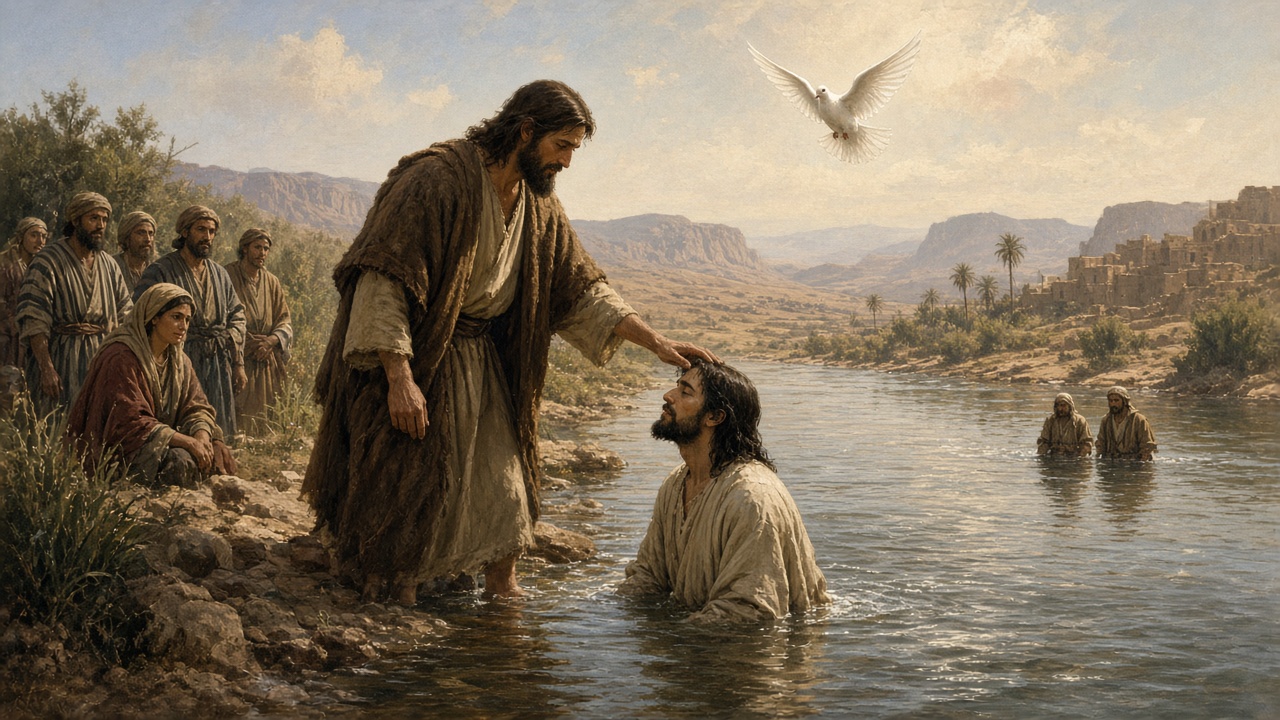
14Konyat jeye kʼal cháb óx i soldadotsik enchéꞌ:
―Ani wawáꞌ, ¿jantʼéy yejat ki tʼajaꞌ?
Tókʼoyattsik enchéꞌ kʼal na Juan:
―Yab ka kʼántsitsik xataꞌ ni jun xitaꞌ, nibal ka aniꞌ ólnaꞌ ni jun xitaꞌ xi yab in walám ani ki kulbétsik kʼal xowaꞌ a átál.
15Ejtal an atiklábtsik kʼwajat in aytsím an Kristo xi bijidh neꞌech ka tsích ani in chalpayaltsik max na Juan jaꞌchich an Kristo; 16por utsantsik ejtal enchéꞌ kʼal na Juan:
―Nanáꞌ tu pujyaltsik kʼal i jaꞌ, por taꞌ tál jun xitaꞌ xi más in koꞌol i awiltaláb ké nanáꞌ; nanáꞌ nibal elaꞌ xataꞌ u éy abal ku wiltsi tin wikʼáb nin pajab. Jajáꞌ neꞌech ti ki pujaytsik kʼal an Tʼokat Ejattaláb ani kʼal i kʼamal. 17In teykóm an pala abal kin jutsuy an trigo ani abal kin wixkʼintsích an ti amúl. Neꞌech kin junku an trigo bin wiltéꞌil, por an amúl neꞌech kin tsikaꞌ ban kʼamal xi yab jaykʼi u tepel.
18Enchéꞌ ani yán más xan ti, na Juan in takʼyal ani in tʼiltsal an ti alwaꞌ tʼilab an atiklábtsik. 19In kʼwiyaꞌ jeye an pulek awiltaláb Erodes abal in tʼajámal tin tomtal na Erodías, nin tomtal nin kidháb Felipe ani kʼal tin kwenta jeye xowaꞌ yab alwaꞌ in tʼajámal. 20Por na Erodes yab in tʼajaꞌ ti kʼij xowaꞌ utsan kʼal an Juan, más tokot in óntsi kin tʼajaꞌ xowaꞌ yab alwaꞌ: in baliy na Juan ban wikʼaxteꞌ.
Tam ti pujyat na Jesús
21Jun i kʼij, tam ti na Juan bél kʼwajat ti pújal an ti atiklábtsik, pujyat jeye na Jesús. Lejat na Jesús kʼwajat ti ól, jakʼpin an walkʼiꞌ, 22paꞌay an Tʼokat Ejattaláb ani buxkan tin éb Jajáꞌ. Tejwaꞌ tʼajat ti paꞌay jelti jun i kukuꞌ ani achʼatmé jun i káwintaláb túꞌ walkʼiꞌ, xu káw in ulu enchéꞌ:
―Tatáꞌ tu Chakámil ani tu kʼanidhál tʼajat. In kulbél tʼajat kʼal Tatáꞌ.
Nin wejeꞌ pakéliltsik na Jesukristo
23In koꞌol xónaꞌ jun inik láju i tamub tam ti na Jesús in tuju nin tʼojlábil. An atiklábtsik in chalpayal ke na Jesús u chakámláb kʼal na José. Na José u chakámláb kʼal na Elí, 24na Elí u chakámláb kʼal na Matat, na Matat u chakámláb kʼal na Lebí, na Lebí u chakámláb kʼal na Melki, na Melki u chakámláb kʼal na Jana, na Jana u chakámláb kʼal na José, 25na José u chakámláb kʼal na Matatías, na Matatías u chakámláb kʼal na Amós, na Amós u chakámláb kʼal na Naúm, na Naúm u chakámláb kʼal na Esli, na Esli, u chakámláb kʼal na Nagai, 26na Nagai u chakámláb kʼal na Mát, na Mát u chakámláb kʼal na Matatías, na Matatías u chakámláb kʼal na Semei, na Semei u chakámláb kʼal na José, na José u chakámláb kʼal na Judá, 27na Judá u chakámláb kʼal na Joana, na Joana u chakámláb kʼal na Resa, na Resa u chakámláb kʼal na Sorobabel, na Sorobabel u chakámláb kʼal na Salatiel, na Salatiel u chakámláb kʼal na Neri, 28na Neri u chakámláb kʼal na Melki, na Melki u chakámláb kʼal na Adi, na Adi u chakámláb kʼal na Kosam, na Kosam u chakámláb kʼal na Elmodam, na Elmodam u chakámláb kʼal na Er, 29na Er u chakámláb kʼal na Josué, na Josué u chakámláb kʼal na Elieser, na Elieser u chakámláb kʼal na Jorim, na Jorim u chakámláb kʼal na Matat, 30na Matat u chakámláb kʼal na Lebí, na Lebí u chakámláb kʼal na Simeón, na Simeón u chakámláb kʼal na Judá, na Judá u chakámláb kʼal na José, na José u chakámláb kʼal na Jonán, na Jonán u chakámláb kʼal na Eliakim, 31na Eliakim u chakámláb kʼal na Melea, na Melea u chakámláb kʼal na Mainán, na Mainán u chakámláb kʼal na Matata, na Matata u chakámláb kʼal na Natán, 32na Natán u chakámláb kʼal na Dabid, na Dabid u chakámláb kʼal na Isaí, na Isaí u chakámláb kʼal na Obed, na Obed u chakámláb kʼal na Bós, na Bós u chakámláb kʼal na Salmón, na Salmón u chakámláb kʼal na Násón, 33na Násón u chakámláb kʼal na Aminadab, na Aminadab u chakámláb kʼal na Aram, na Aram u chakámláb kʼal na Esrom, na Esrom u chakámláb kʼal na Fares, na Fares u chakámláb kʼal na Judá, 34na Judá u chakámláb kʼal na Jakob, na Jakob u chakámláb kʼal na Isák, na Isák u chakámláb kʼal na Abraham, na Abraham u chakámláb kʼal na Taré, na Taré u chakámláb kʼal na Nakor, 35na Nakor u chakámláb kʼal na Serug, na Serug u chakámláb kʼal na Ragaw, na Ragaw u chakámláb kʼal na Peleg, na Peleg u chakámláb kʼal na Eber, na Eber u chakámláb kʼal na Sala, 36na Sala u chakámláb kʼal na Kainán, na Kainán u chakámláb kʼal na Arfaksad, na Arfaksad u chakámláb kʼal na Sem, na Sem u chakámláb kʼal na Noé, na Noé u chakámláb kʼal na Lamek, 37na Lamek u chakámláb kʼal na Matusalén, na Matusalén u chakámláb kʼal na Enok, na Enok u chakámláb kʼal na Jared, na Jared u chakámláb kʼal na Málalél, na Málalél u chakámláb kʼal na Kainán, 38na Kainán u chakámláb kʼal na Enós, na Enós u chakámláb kʼal na Set, na Set u chakámláb kʼal na Adán ani na Adán tʼajadh kʼal na Dios.
Did you know?
John the Baptist prepares the way
- Luke sets John's preaching in the fifteenth year of Tiberius Caesar, the stepson of Augustus, who succeeded him in A.D. 14 and died in A.D. 37. Easton's Bible Dictionary (1897) notes that John began his public ministry in that year, and that Pontius Pilate, the sixth Roman procurator of Judea from A.D. 26 to 36, kept his headquarters at Caesarea during a term that covered the ministries of John and Jesus. Herod Antipas, a son of Herod, was then tetrarch of Galilee.Sources: the Bible text itself · Tiberius · Pontius Pilate · Herod Antipas
- The chapter dates these events during the high priesthood of both Annas and Caiaphas. Easton's Bible Dictionary (1897) records that Annas was high priest from A.D. 7 to 14 and was deposed by the Roman procurator, and that Caiaphas, who had married Annas's daughter, was raised to that office in A.D. 25. The same entry suggests that the Jews may still have regarded Annas as the lawful high priest, since Mosaic law held the office for life, and that he probably served with Caiaphas as president of the Sanhedrin or as the high priest's deputy.Sources: the Bible text itself · Annas
- John, son of Zechariah, was of priestly descent: his father was a priest of the course of Abia, and his mother, Elizabeth, belonged to the daughters of Aaron. Easton's Bible Dictionary (1897) notes that his mission was the subject of prophecy, including Isaiah's voice crying in the wilderness, and that his birth came six months before the birth of Jesus. In this chapter he preaches a baptism of repentance throughout the region around the Jordan, and Herod the tetrarch later imprisons him after John rebukes him over Herodias.Sources: the Bible text itself · John the Baptist
Notes written with AI assistance from open sources (Theographic Bible Metadata, CC BY-SA 4.0; Easton’s Bible Dictionary, public domain) and reviewed before publishing.
Places in this chapter
- Abilene · 33.627, 36.106 · verse 1
- Galilee · 32.760, 35.527 · verses 1, 19
- Ituraea · 33.400, 35.850 · verse 1
- Judea · Today: Judea 1 · 31.777, 35.234 · verse 1
- Trachonitis · Today: Lajat · 32.969, 36.455 · verse 1
- Jordan · Today: Jordan River · 31.761, 35.558 · verse 3
Only places identified with high confidence are shown (90% or more according to the scholarly sources compiled by OpenBible). Period map: DARE (Digital Atlas of the Roman Empire), CC BY 4.0; modern map: © OpenStreetMap contributors; places: OpenBible.info (CC BY 4.0).
Credits and license for this translation
Nin tének káwintal an okˀóxláb
New Testament in Huastec Aquiche; hus (MX:hus:Huastec)
copyright © 2005 Wycliffe Bible Translators, Inc.
Language: Huastec
Translation by: Wycliffe Bible Translators, Inc.
Huasteco, Veracruz [hus], Mexico
Copyright Information
© 2005, Bible League International
This translation text is made available to you under the
terms of the Creative Commons License: Attribution-Noncommercial-No Derivative Works.
( http://creativecommons.org/licenses/by-nc-nd/3.0/ )
In addition, you have permission to port the text to different file formats, as long as you
do not change any of the text or punctuation of the Bible.
You may share, copy, distribute, transmit, and extract portions
or quotations from this work, provided that you include the above copyright
information:
You must give Attribution to the work.
You do not sell this work for a profit.
You do not make any derivative works that change any of the actual words or punctuation of the Scriptures.
Permissions beyond the scope of this license may be
available if you contact
us with your request.
The New Testament
in Huastec
© 2005, Bible League International
This translation is made available to you under the terms of the
Creative Commons Attribution-Noncommercial-No Derivatives license 4.0.
You may share and redistribute this Bible translation or extracts from it in any format, provided that:
You include the above copyright and source information.
You do not sell this work for a profit.
You do not change any of the words or punctuation of the Scriptures.
Pictures included with Scriptures and other documents on this site are licensed just for use with those Scriptures and documents.
For other uses, please contact the respective copyright owners.
2014-04-25
Source: http://ebible.org/husNT2005/ · eBible.org