Luke 2
Nin tének káwintal an okˀóxláb · Tap a verse to see its cross-references.
Xan ti waꞌchin ti chakam na Jesús
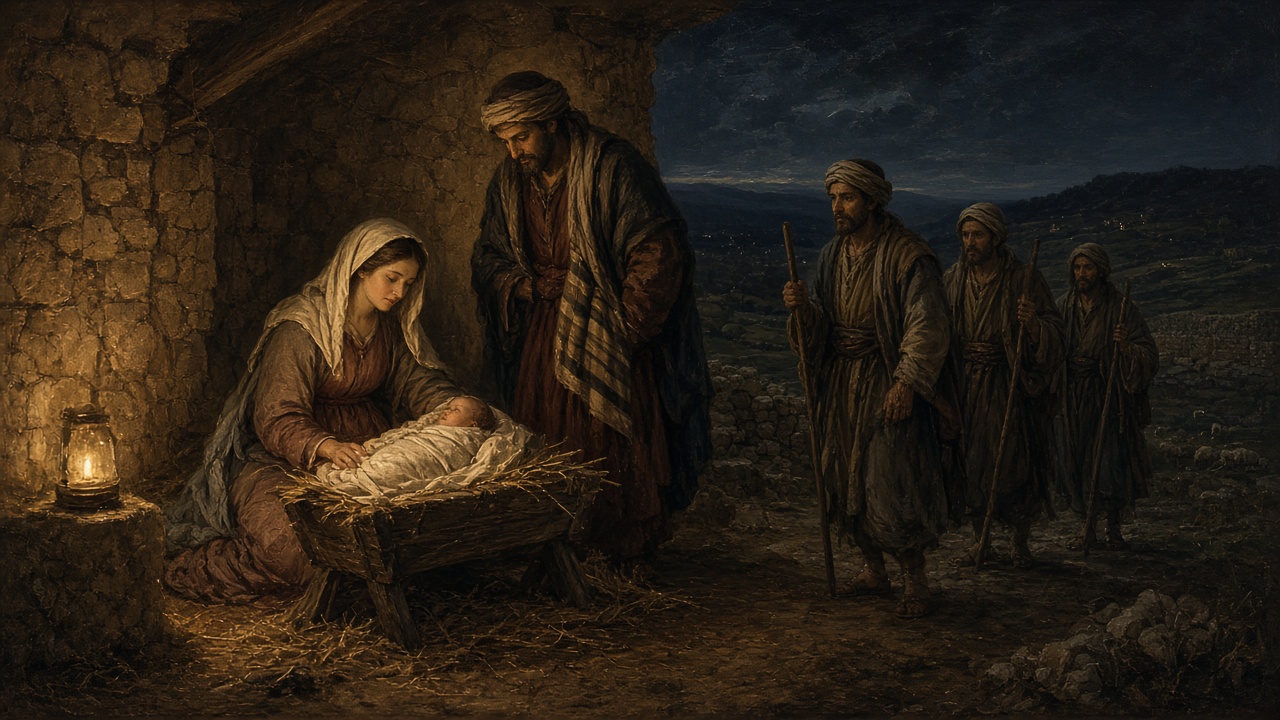
1Tam ti jachanꞌ i kʼij, an lej pulek takʼix xu bijyáb ta Awgusto in ulu abal ka ajyat putálkʼi ejtal an atiklábtsik. 2Jechéꞌ an jidhtal ajumtaláb, tʼajan tam ti na Sirenio kʼwajat ti pulek awiltaláb ban chabál xi Siria. 3Ejtaltsik koꞌol ka witsiy bin bitsówil abal ka ájin tajaꞌ. 4Jaxtám, na José kale Nasaret, an bitsow xi kʼwajat Galilea ani kʼale ban chabál xi Judea ban bitsow xu bijyáb Belén xon tu chakam an pulek takʼix Dabid, kom na José u kidhtaláb kʼal na Dabid. 5Kʼale Belén abal ka ájin tajaꞌ junax kʼal na María, xi konodhich tin koꞌol abal ka tomkin kʼál ani kʼwajatich kóꞌodh. 6Lejat kʼwajattsik Belén, in bajaw xowkʼi na María ti neꞌech kin waꞌchiy an chakam. 7Tajaꞌ tin waꞌchiy nin jidhtal chakámil, in dhantsiy, in boliy kʼal i kʼudhkʼum ani in kwachbaꞌ xon tu mujtsinal tin kʼapwál an koꞌnéltsik, pos yab in elaꞌtsik ejtidh xon ti ka koyóch ba jachanꞌ an atá xon tu koynáb.
An tʼokat abatwáletsik ani an belkol koꞌnéltsik
8Kʼunat Belén, taꞌ ti kʼwajat cháb óx i belkol koꞌnéltsik xin beletnál nin koꞌwáltsik tam akal. 9Jun jikʼtowále tin chuꞌutsik jun in tʼokat abatwálejil an Okʼóxláb, nin labidh tʼokát an Okʼóxláb tajkʼan malilíl xon ti kʼwajattsik ani jikʼeytsik tʼajat. 10Por utsantsik enchéꞌ kʼal an tʼokat abatwále:
―Yab ki jikʼeytsik, pos tu tsiꞌdhantsaltsik jun i alwaꞌ tʼilab ani yán neꞌech ka kulbé kʼal jechéꞌ tin kwenta: 11ke xoꞌ waꞌchinich ti chakam bin bitsówil na Dabid jun i Loꞌox abal tatáꞌtsik, jaꞌich na Kristo an Ajátikláb. 12Ti exól, neꞌech ka elaꞌtsik an chakam dhantsidh, bolilidh kʼal i kʼudhkʼum ani kwachat xon tu mujtsinal tin kʼapwál an koꞌnéltsik.
13Támkʼi jachanꞌ, xalkʼan tin wál an tʼokat abatwále yán i tʼokat abatwáletsik xi tál walkʼiꞌ, in pubédhantsaltsik tin bij na Dios ani in ulaltsik enchéꞌ:
14¡Kin kóꞌoy an labidh tʼokattaláb na Dios túꞌ walkʼiꞌ
ani ban chabál, kin kóꞌoy an kʼijidhtaláb an iniktsik xu kʼanidhábtsik kʼal na Dios!
15Tam ti an tʼokat abatwáletsik kʼadhíchtsik juní walkʼiꞌ, an belkol koꞌnéltsik tujey ti útsáx jún ani jún enchéꞌ:
―Pos wana pé asta Belén abal ki chuꞌu jechéꞌ xowaꞌ támnék, xi tu óltsích an Okʼóxláb.
16Kʼaletsik jikʼat ani in elaꞌ na María ani na José ani an chakam xi taꞌ ti kwachat xon tu mujtsinal tin kʼapwál an koꞌnéltsik. 17Tam tin chuꞌutsik, in tʼilaꞌtsik xantʼéy usnéktsik kʼal an tʼokat abatwále kʼal tin kwenta jechéꞌ an chakam. 18Ejtal xi kʼál ti achʼan xowaꞌ in ulutsik, labantsik kʼal xowaꞌ in achʼaꞌ. 19Por na María in chalpóm tokot tin itsích ejtal jechéꞌ. 20Más tayíl, an belkol koꞌnéltsik kʼaléchtsik tám, por in pubédhantsal ani in kʼakʼnantsal tin bij na Dios kʼal tin kwenta xowaꞌ in achʼaꞌtsik ani in chuꞌutsik, abal anchanꞌ ti támnék jelt xan ti usnéktsik.
Na Jesús júná ban pulek atá xon tu kʼakʼnáb na Dios
21Tam ti kidhey waxik a kʼítsá ti waꞌchinék an chakam, tʼajtsin ti exól bin tʼuꞌúl jelt xan ti usnék na Abraham ani bijyat ta Jesús. Jachanꞌ an bijláb, jaꞌich xi usnék na María kʼal an tʼokat abatwále tam ti jajáꞌ yabél kóꞌodh.
22Tam ti kidhey an kʼij xowkʼi jajáꞌtsik yejat kin tʼoko tinbáꞌ jelt xan tin ulal nin takʼixtal na Dios xin jilám dhutsadh na Moisés, in júnaꞌtsik an chakam ban bitsow Jerusalén abal kin utu ban Okʼóxláb. 23In tʼajaꞌtsik anchanꞌ kom bin takʼixtal an Okʼóxláb kʼwajat dhutsadh enchéꞌ: “Ejtal an tsʼitsik kwitól xi jidhtal ka waꞌchin ti chakam, yejat ka pidhná abal an Okʼóxláb.” 24Kʼalnektsik jeye abal kin pikbaꞌ cháb i bókʼ o cháb i tsʼitsik kukuꞌ jelt xan tin ulal nin takʼixtal an Okʼóxláb.
25Tam ti jachanꞌ i kʼij, taꞌ ti kʼwajat Jerusalén jun i inik xu bijyáb Simeón. Jajáꞌ jaꞌich jun i lujat inik xin kʼakʼnál na Dios ani in aytsím jeye ka loꞌwat an israelitatsik. Jajáꞌ teykómte tʼajat kʼal an Tʼokat Ejattaláb 26ani usnék kʼal an Tʼokat Ejattaláb abal yab neꞌech ka chemech max yab kin chuꞌu okʼox an Kristo xi neꞌech ka aban kʼal an Okʼóxláb. 27Jechéꞌ na Simeón kʼale ban pulek atá xon tu kʼakʼnáb na Dios ijtsidh kʼal an Tʼokat Ejattaláb. Tam ti na Jesús júná kʼal nin tátaꞌtsik ban pulek atá xon tu kʼakʼnáb na Dios abal ka tʼajtsin xan tin ulal an takʼixtaláb ke yejat ka tʼajtsin, 28na Simeón in mulukʼnaꞌ an chakam ani in pubédhantsi tin bij na Dios enchéꞌ:
29Okʼóxláb, awilich ti kin walkaꞌ kin chemech tsububudh u itsích
abal a tʼajaꞌich jelt xan ta utsámal na tʼójontsixil.
30Pos xoꞌ u chuꞌúch kʼal nanáꞌ tʼajat u wal an Loꞌox
31xa kʼwajbámal tin tamét ejtal an atiklábtsik.
32Jajáꞌ jaꞌich jelti an tajaxtaláb xi neꞌech kin tajbay ejtalkʼi an bitsowtsik xi yab u israelitatsik ani neꞌech kin pidhaꞌ ti labidh tʼokattaláb an israelitatsik.
33Nin tátaꞌ ani nin nánaꞌ na Jesús labantsik kʼal xowaꞌ in achʼál in ulal na Simeón kʼal tin kwenta an chakam. 34Lábtʼajantsik kʼal na Simeón ani utsan enchéꞌ na María nin nánaꞌ na Jesús:
―Ka achʼaꞌ, jechéꞌ an chakam kʼwajbá abal kin tʼajaꞌ ke yán i israelitatsik ka kʼale ban kʼibeltaláb o ka loꞌeytsik. Jajáꞌ jaꞌich jun i exól xi neꞌech ka pojká kʼal yán xitaꞌ. 35Anchanꞌ neꞌech ka choꞌóbná xowaꞌ in chalpayal jun xitaꞌ tin itsích. Por abal tatáꞌ, ejtal jechéꞌ neꞌech kin junu jelti max exom ta tʼidhbantsáb ta ejattal kʼal jun i machét.
36Táꞌ jeye ti kʼwajat jun i mímláb púlekich tʼajat xu tʼiltsix jeye, jajáꞌ in bij ta Ana ani u chakámláb kʼal na Fanuel, xu kidhtaláb kʼal na Aser. Jechéꞌ an mímláb, tsidhan tʼajat ti tomkinék ani tokot búk i tamub kʼwajay kʼal nin tomkíl. 37Jajáꞌ jaꞌich xoꞌ jun i chemtsidh mímláb xin koꞌolich cheꞌ inik kʼal chéꞌ i tamub ti kwetém. Echʼekʼi kʼwajat ban pulek atá xon tu kʼakʼnáb na Dios, akal i kʼij in tʼójontsal an Okʼóxláb kʼal i kʼílixnich ani kʼal i óláb. 38Na Ana ulich jeye támkʼi jachanꞌ, in tuju kin pidhaꞌ ti jalbintsixtaláb na Dios ani kin tʼiltsi an atiklábtsik kʼal tin kwenta jachanꞌ an chakam xu bijyáb ta Jesús. Jachanꞌ an atiklábtsik xu kʼwajíl Jerusalén, jaꞌich xin aytsím ka loꞌwat abal yabich más ka kóꞌyattsik takʼnél kʼal i kʼeꞌet bitsow.
Tam ti witsíchtsik juní Nasaret
39Tam ti na José ani na María in tʼajaꞌichtsik ejtal xowaꞌ in ulal nin takʼixtal an Okʼóxláb, witsiytsik Nasaret, an bitsow xu takʼnal ban chabál xi Galilea. 40Tsudhél u tajkʼanal an chakam u pubel, u likel ani más u chalpadhmél. Ani echʼekʼi in bachʼwal nin alwaꞌtal na Dios.
Xowaꞌ in tʼajaꞌ tam ti chipíl na Jesús ban pulek atá xon tu kʼakʼnáb na Dios
41Tamub ti tamub nin tátaꞌtsik na Jesús u kʼalel Jerusalén abal kin ajíbnaꞌ an paskwa, an ajib xin ajíbnál an judíotsik. 42Tam ti na Jesús in kidhbay lajucháb i tamub, kʼaletsik ejtal ti éb Jerusalén, jelt xan tin ujnámalichtsik in tʼajál tam kin bajaw an ajib. 43Tam ti okʼonich an ajib, kaletsik tám abal ka witsích tin kʼimáꞌ, por na Jesús jilkʼonék Jerusalén ani nin tátaꞌtsik yab in choꞌób max Jajáꞌ jilkʼonék tajaꞌ. 44Jajáꞌtsik in chalpay ke na Jesús taꞌ jeye ti tál bin yaníl an atiklábtsik ani anchanꞌ ti beleytsik putál a kʼítsá; por tam ti alyat na Jesús bin kidhtaltsik ani bin exlowáltsik, yab elan. 45Kom yab elan, witsiytsik tám Jerusalén nin tátaꞌtsik abal kin aliy tajaꞌ.
46Xeꞌchintsik kin aliy ani tin óxláb a kʼítsá in elaꞌ ban pulek atá xon tu kʼakʼnáb na Dios. Tajaꞌ ti buxúl junax kʼal an okʼtsixtsik xin wilál nin takʼixtal na Dios xin jilám dhutsadh na Moisés. In ochʼówiyal xantʼéy in tʼiláltsik ani in konyal ka wiltsin xowaꞌ Jajáꞌ in léꞌ kin exbay. 47Ejtaltsik xin achʼál u labnal abal in chuꞌtal chalpadh tʼajat na Jesús ani abal in tókʼoyal jeye alwaꞌ xowaꞌ u konyáb kʼal jajáꞌtsik. 48Tam ti chuꞌtat kʼal nin tátaꞌtsik, labantsik ani utsan enchéꞌ kʼal nin nánaꞌ:
―Chakam, ¿jantʼókʼi tu tʼajtsámal anchanꞌ? Na tátaꞌ ani nanáꞌ neye u kʼwajinekich tʼajat tu álim ani tu chalpax abal i kʼibchonék.
49Tókʼoyat tám enchéꞌ kʼal na Jesús:
―¿Jantʼókʼi tin ayaltsik? ¿Yabxeꞌ a choꞌóbtsik ke yejat kin kʼwajay techéꞌ abal ku tʼajaꞌ xowaꞌ in jilám ka tʼajan nu Tátaꞌ?
50Por nin tátaꞌtsik yab in exbay xantʼókʼi ti tókʼoyattsik anchanꞌ.
51Junaxich tám ti witsiy ban bitsow Nasaret. Tajaꞌ ti kʼwajay ani in tʼajál ejtal xowaꞌ u usnal kʼal jajáꞌtsik. Ani nin nánaꞌ echʼekʼi in chalpóm tin itsích ejtal xowaꞌ támun. 52Na Jesús neꞌech u pubel ani más u chalpadhmél, in tʼajál ejtal xowaꞌ alwaꞌ tin tamét na Dios ani tin tamét an atiklábtsik.
Did you know?
The Birth and Early Years of Jesus
- Luke places Jesus’ birth at the time of a decree from Caesar Augustus that a census be taken of the whole empire. Augustus was the cognomen of the first Roman emperor, C. Julius Caesar Octavianus; the title, meaning “majesty” or “venerable,” was first given by the senate. Luke calls this the first census while Quirinius was governor of Syria—Cyrenius being the Greek form of Publius Sulpicius Quirinus.Sources: the Bible text itself · Augustus · Cyrenius
- Joseph lived in Nazareth in Galilee, and he went up from there to Judea, to Bethlehem, the city of David, because he belonged to David’s house and line. Bethlehem lies in the hill country of Judah and was David’s own city: David, the eighth and youngest son of Jesse, was a citizen of Bethlehem. Mary, pledged to Joseph in marriage and expecting a child, traveled with him to register.Sources: the Bible text itself · Joseph (Mary's Husband) · Bethlehem · David
- When the time of purification required by the Law of Moses was complete, the parents brought the child to Jerusalem to present him to the Lord, offering a pair of turtledoves or two young pigeons. In the temple they met Simeon and Anna, a prophetess, daughter of Phanuel, of the tribe of Asher. She had been married for seven years and then was a widow to the age of eighty-four, and she never left the temple, worshiping night and day, fasting and praying.Sources: the Bible text itself · Anna
Notes written with AI assistance from open sources (Theographic Bible Metadata, CC BY-SA 4.0; Easton’s Bible Dictionary, public domain) and reviewed before publishing.
Places in this chapter
- Syria · Today: Syria 2 · 33.511, 36.306 · verse 2
- Bethlehem · 31.704, 35.208 · verses 4, 11, 15
- Galilee · 32.760, 35.527 · verses 4, 39
- Judea · Today: Judea 1 · 31.777, 35.234 · verse 4
- Nazareth · 32.702, 35.298 · verses 4, 39, 43, 51
- Jerusalem · 31.777, 35.234 · verses 22, 25, 38, 41, 42, 43, 45
Only places identified with high confidence are shown (90% or more according to the scholarly sources compiled by OpenBible). Period map: DARE (Digital Atlas of the Roman Empire), CC BY 4.0; modern map: © OpenStreetMap contributors; places: OpenBible.info (CC BY 4.0).
Credits and license for this translation
Nin tének káwintal an okˀóxláb
New Testament in Huastec Aquiche; hus (MX:hus:Huastec)
copyright © 2005 Wycliffe Bible Translators, Inc.
Language: Huastec
Translation by: Wycliffe Bible Translators, Inc.
Huasteco, Veracruz [hus], Mexico
Copyright Information
© 2005, Bible League International
This translation text is made available to you under the
terms of the Creative Commons License: Attribution-Noncommercial-No Derivative Works.
( http://creativecommons.org/licenses/by-nc-nd/3.0/ )
In addition, you have permission to port the text to different file formats, as long as you
do not change any of the text or punctuation of the Bible.
You may share, copy, distribute, transmit, and extract portions
or quotations from this work, provided that you include the above copyright
information:
You must give Attribution to the work.
You do not sell this work for a profit.
You do not make any derivative works that change any of the actual words or punctuation of the Scriptures.
Permissions beyond the scope of this license may be
available if you contact
us with your request.
The New Testament
in Huastec
© 2005, Bible League International
This translation is made available to you under the terms of the
Creative Commons Attribution-Noncommercial-No Derivatives license 4.0.
You may share and redistribute this Bible translation or extracts from it in any format, provided that:
You include the above copyright and source information.
You do not sell this work for a profit.
You do not change any of the words or punctuation of the Scriptures.
Pictures included with Scriptures and other documents on this site are licensed just for use with those Scriptures and documents.
For other uses, please contact the respective copyright owners.
2014-04-25
Source: http://ebible.org/husNT2005/ · eBible.org