Matthew 8
Juziñamui Ñuera Uai · Tap a verse to see its cross-references.
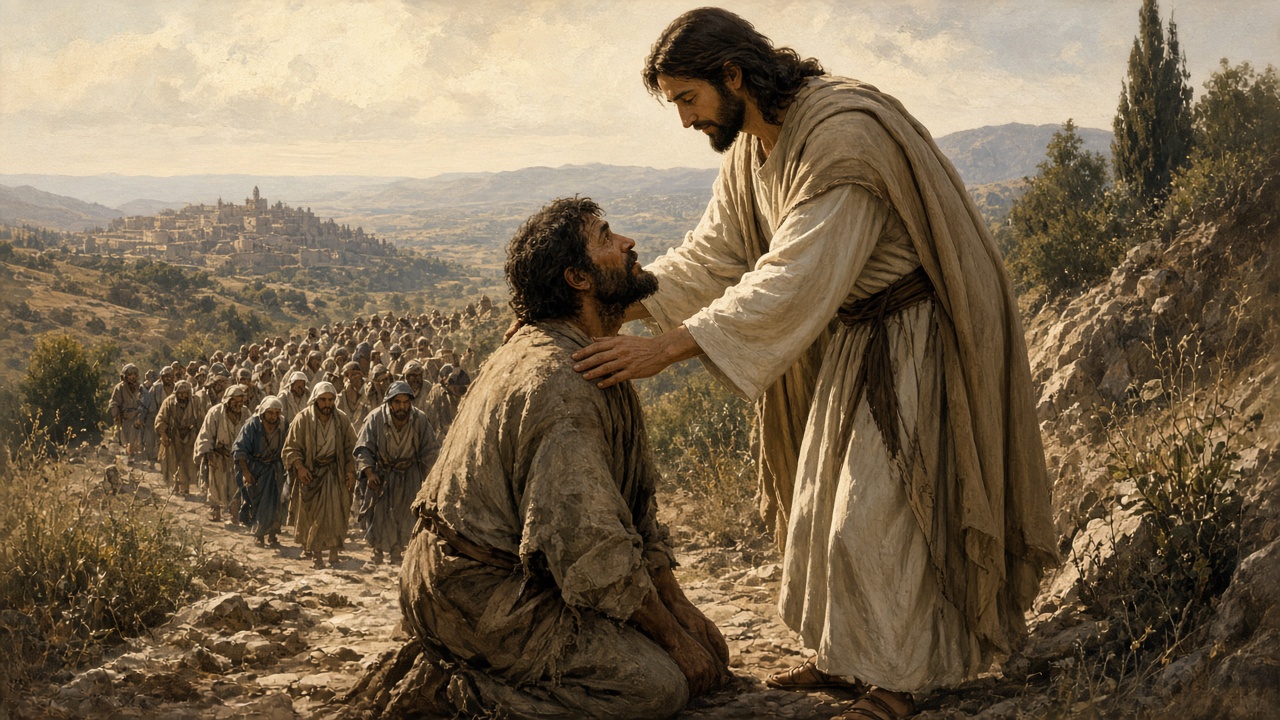
Jesús chíinaitɨmɨe jíllotate
1Jesús caifónedumona ana billa llezica, dɨga comɨnɨ afémɨedo jáidiaɨoɨ. 2Iemo ɨrárede chíinaitɨmɨe Jesumo áɨnozide. Afémɨe Jesús anamo dújuillano daɨde:
—Ocuíraɨma, o jitáiadɨ bie duícona cúemona oréredɨo. Cúemona oreri, —daɨde.
3Iemona Jesús ie ónoɨdo afémɨena jétano daɨde:
—Jii, ona jíllotaiacadɨcue. Benómona ja ɨ́aɨnitɨoza, —daɨde.
Daɨí daɨna llezica ie ɨráretade chiie jacáibicaide. 4Iemo Jesús íena daɨde:
—Cácarei, bifue bumo lloñeno iri. Dama lletáriraɨmamo o abɨ o ácatairi. Afe llezica Moisés ocuica o abɨ ja ɨ́aɨnide daɨítate raa afénomo mai o fecari. Afemona nana comɨnɨ o chiie ja jacáillana ónoitiaɨoɨ, —daɨde.
Romano illaɨma ocuífɨregamɨena Jesús jíllotate
5Capernaum jófuemo Jesús jailla llezica, Romano illaɨma Jesumo billano izire jɨcade:
6—Ocuíraɨma, cue ócuifɨrega jitócome ɨere ɨrárede. Batɨ́ jofomo bɨ́ide. Afémɨe tɨ́zieri ɨere jamánomo izi cácade, —daɨde.
7Jira Jesús íena daɨde:
—O jofomo jaillano afémɨena jíllotaitɨcue, —daɨde.
8Jira illaɨma Jesús uai ote:
—Ocuíraɨma, cue jofomo o jáillena, cue ɨere jamáimɨedɨcue. Jɨcana o uaido o ocuiri, afémɨe jílloilleza. 9Mei dama cue jɨáɨllaɨma uai anamo itɨcue. Daje izói cue anamo cue úiñoga fuiríraɨnɨ ite. Dáamɨena “Bi” cue daɨía, afémɨe bírede. Jɨáɨmɨena “Jai” cue daɨía afémɨe jaide. Daje izói cue ocuífɨregamɨena “Bie fɨno” cue daɨía, afémɨe áfena fɨnode, —daɨde.
10Jesús áfena cacáillano, caɨmare fáɨgacaillano afémɨedo jáidɨnona daɨde:
—Uáfuena ómoɨna daɨdɨcue: Nana Israel náɨraɨmo bie izói ɨ́ɨnote come jaca baiñédɨcue. 11Omoɨna daɨdɨcue, nágafeniaɨmona aillo oni jɨcánemacɨ bíitiaɨoɨ. Afémacɨ monamo ite Juzíñamui illáɨmana illánomo jofo ráɨnazaillano, daane Abraham, Isaac, Jacob dɨga güítiaɨoɨ. 12Mei íadɨ fueñe jáiredɨno, jino jítɨnomo dotálliaɨoɨ. Afénomo afémacɨ ɨere éenaicana murímuritiaɨoɨ, —daɨde.
13Iemona afe illáɨmana daɨde:
—Mai o jofomo jai. O ɨ́ɨnuaze íiteza, —daɨde.
Daɨí daɨna llezica afe ɨrárede jitócome jíllode.
Jesús Pedro jɨfaiño jíllotate
14Afe mei Jesús Pedro jofomo jaide. Afénomo Pedro jɨfaiño abɨ cuaríllari ɨrare bɨ́inana cɨóizaide. 15Iemo Jesús afengo onoɨ llɨ́ɨnua llezica ie abɨ cuarilla llɨ́ɨcaide. Afemona afengo náidacaillano afémacɨ jitailla baɨ atɨde.
Jesús aillo ɨráredɨnuiaɨ jíllotate
16Aferui jitoma jímaɨcaidemo dɨga fɨénide jóriaɨ ogano Jesumo atɨ́diaɨoɨ. Iemona daade uaido afe fɨénide jóriaɨ jino orede. Daje izói nane nana duícotaidɨnuiaɨ afémɨe jíllotate. 17Nana bie izói zúide, jaiai uai lloraɨma Isaías lloga uai fuitállena. Be afe uai: “Caɨ ɨ́ranɨaɨ afémɨe uite. Daje izói caɨ duícuaɨ afémɨe oni orede.” Daɨí Isaías llote.
Jesudo jáiacadɨno bie izói írediaɨoɨ
Afe mei jorai fuédamo illa llezica, 18dɨga comɨnɨ Jesús abɨdo nágafene gaɨríllana cɨ́oillano, afémɨe “Mai jorai ruicáfenemo caɨ jai,” daɨde. 19Iemo ocuica uai llófueraɨma Jesumo billano daɨde:
—Llófueraɨma, nana o jáiacana dɨné odo jáiacadɨcue, —daɨde.
20Jira Jesús ie uai ote:
—Nana jazicɨ rɨ́llenɨaɨ uái ífɨreillɨno ite. Daje izói caifodo féedɨnuiaɨ uái íaɨoɨ ráɨillɨno ite. Mei íadɨ Nanoide Ɨima Jitódɨcueza, dáanori uái cue illɨno iñede, —daɨde.
21Iemo jɨáɨe ie llófuegamacɨmona dáamɨe íena daɨde:
—Odo jáiacadɨcue, mei íadɨ fueñe cue ore cue moo tɨ́ille dɨnó cue ílleza, íemo íena ráɨiacadɨcue; afe méifomo odo jáitɨcue, —daɨde.
22Jira Jesús ie uai ote:
—Mai cuedo bi. Juzíñamuimo náfueñedɨno tɨ́ide izóidɨmacɨ; mai mei jadíe ua tɨ́itɨmɨe afémacɨ ráɨlleza. O cuedo bi, —daɨde.
Jesús jairifo naa jorai bagua dɨga llɨ́ɨcaitate
23Ie mei Jesús naa ie llófuegamacɨ dɨga áillue nocaedo jáidiaɨoɨ. 24Afe mei jorai ruicáfenemo jáidiaɨoɨmo, daa jamánomo rɨírede jairifo náidacailla. Afe jairífomona jorai bagua afecae acónillaɨna ɨbáiacade izoide. Mei íadɨ afe llezica Jesús ɨnɨde. 25Iemona ie llófuegamacɨ ie cazítatiaɨoɨ. Cazítajano íena daɨdíaɨoɨ:
—¡Ocuíraɨma, caɨ jíllota! ¡Ja buízaidɨcaɨza! —daɨdíaɨoɨ.
26Jira afémɨe uai ote:
—¿Nɨbái mei ɨere jacɨ́naitɨomoɨ? ¡Omoɨ naɨ fɨgo ɨ́ɨnoñedɨomoɨ! —daɨde.
Iemona afémɨe náidacaillano jairifo naa jorai dɨga lletade. Daɨí ie daɨna llezica jorai bagóñeno uái ite. 27Iemona afécaemo itɨ́mɨiaɨ caɨmare fáɨgacaidiaɨoɨ. Fáɨgacaillano daɨdíaɨoɨ:
—Bie mei, ¿nɨɨe come? ¡Bímɨe daɨna uaina jairifo naa jorai dɨga ɨ́ɨnote! —daɨdíaɨoɨ.
Gerasa énɨemo ite fɨénide jóriaɨ úicaiga íaillɨnoɨ rafue
28Afe mei Jesús jorai enéfenemo Gerasa énɨemo dúcɨdemo, mena ɨima raɨáfuaɨmona Jesús dɨné bite. Afe íaillɨnoɨ fɨénide jóriaɨ úicaiga. Afe íaillɨnoɨ jamánomo jacɨre illáɨrede. Afedo jóide iodo buna jáinide. 29Jesús afe íaillɨnoɨ lleta llezica caillɨ́oidiaillɨnoɨ:
—Jesús, Juzíñamui Jitódɨoza. ¿Nɨbái mei cócomo jíricaidɨo? ¿Naɨ aferui dúcɨñedemo benó coco duere fɨ́nuaɨbitɨo? —daɨdíaillɨnoɨ.
30Afe llezica afe áɨnori tóɨca merónɨaɨ güitíaɨoɨ. 31Jira afe fɨénide jóriaɨ Jesumo izire jɨcádiaɨoɨ:
—Bie come íaillɨnoɨmona jino caɨ o oréadɨ, táɨnomo oréñeno baie merónɨaɨmo caɨ oreri, —daɨdíaɨoɨ.
32Jira Jesús íaɨoɨna daɨde:
—Mai afénomo omoɨ jai, —daɨde.
Afe fɨénide jóriaɨ afe íaillɨnoɨmona jino billano merónɨaɨmo jaide. Afe mei afe merónɨaɨ jorai arɨmo ite íconɨdo jabɨda jóraimo cocɨ́diaɨoɨ. Afénomo coróbaizɨdiaɨoɨ.
33Iemona afe merónɨaɨ úiñotɨno jacɨ́naillano botádiaɨoɨ. Jófuemo dúcɨillano nana aféfuiaɨ llotíaɨoɨ. Daje izói fɨénide jóriaɨ uícaiga íaillɨnoɨmo fɨnócafue llotíaɨoɨ. 34Iemona nana afe jofue comɨnɨ Jesús illánomo jáidiaɨoɨ. Afémɨena cɨ́oillano, afe íaɨoɨ énɨemona oni jáillena izire jɨcádiaɨoɨ.
Did you know?
Healings, faith, and the sea
- Capernaum, which Jesus enters in this chapter, was a Galilean city not named in the Old Testament. Easton's Bible Dictionary (1897) says it became his “own city” after he left Nazareth, and it lists the centurion’s appeal and the healing at Peter’s house among the events set there.Sources: Capernaum · the Bible text itself
- Jesus says that many will come from east and west to share the banquet with Abraham, Isaac, and Jacob in the kingdom of heaven. Easton's Bible Dictionary (1897) calls Abraham the son of Terah and heir of the promises, Isaac Abraham’s only son by Sarah, and Jacob—also known as Israel—the younger twin son of Isaac and Rebekah.Sources: the Bible text itself · Abraham · Isaac · Jacob (Israel)
- Matthew presents that evening’s healings as fulfilling words spoken through the prophet Isaiah: “He took on our infirmities and carried our diseases.” Easton's Bible Dictionary (1897) identifies Isaiah as the son of Amoz, who prophesied in the reigns of Uzziah, Jotham, Ahaz, and Hezekiah.Sources: the Bible text itself · Isaiah
Notes written with AI assistance from open sources (Theographic Bible Metadata, CC BY-SA 4.0; Easton’s Bible Dictionary, public domain) and reviewed before publishing.
Places in this chapter
- Gadara · Today: Umm Qais · 32.656, 35.679 · verse 28
Only places identified with high confidence are shown (90% or more according to the scholarly sources compiled by OpenBible). Period map: DARE (Digital Atlas of the Roman Empire), CC BY 4.0; modern map: © OpenStreetMap contributors; places: OpenBible.info (CC BY 4.0).
Credits and license for this translation
Juziñamui Ñuera Uai
New Testament in Huitoto, Minica
copyright © 2011 Wycliffe Bible Translators, Inc.
Language: Minica Huitoto (Huitoto, Minica)
Translation by: Wycliffe Bible Translators, Inc.
Copyright Information
© 2011, Wycliffe Bible Translators, Inc. All rights reserved.
This translation text is made available to you under the
terms of the Creative Commons License: Attribution-Noncommercial-No Derivative Works.
( http://creativecommons.org/licenses/by-nc-nd/3.0/ )
In addition, you have permission to port the text to different file formats, as long as you
do not change any of the text or punctuation of the Bible.
You may share, copy, distribute, transmit, and extract portions
or quotations from this work, provided that you include the above copyright
information:
You must give Attribution to the work.
You do not sell this work for a profit.
You do not make any derivative works that change any of the actual words or punctuation of the Scriptures.
Permissions beyond the scope of this license may be
available if you contact
us with your request.
The New Testament
in Huitoto, Minica
© 2011, Wycliffe Bible Translators, Inc. All rights reserved.
This translation is made available to you under the terms of the
Creative Commons Attribution-Noncommercial-No Derivatives license 4.0.
You may share and redistribute this Bible translation or extracts from it in any format, provided that:
You include the above copyright and source information.
You do not sell this work for a profit.
You do not change any of the words or punctuation of the Scriptures.
Pictures included with Scriptures and other documents on this site are licensed just for use with those Scriptures and documents.
For other uses, please contact the respective copyright owners.
2014-08-06
Source: http://ebible.org/hto/ · eBible.org