John 7
Juziñamui Ñuera Uai · Tap a verse to see its cross-references.
Jesús ámatɨaɨ íena ɨ́ɨnoñediaɨoɨ
1Afe méifodo, Jesús Galilea énɨedo macade. Judéamo íacañede, dɨnomo judíuaɨ ie íaɨoɨ fáiacana jira. 2Ja bɨzáinillaɨmo ɨráɨzillafue áɨnozide. Afefue judíuaɨ rafue. 3Aɨnozillamona ie ámatɨaɨ íena daɨde:
—Benó fɨébiñeno. Judéamo o jairi, dɨnomo ite odo jáidɨno o fɨnócafuena cɨ́oillena. 4Dáamɨe nana comɨnɨ íena íaɨoɨ onóillena jitáiadɨ, ie raana báinino fɨnóñede. Afe áillofuiaɨ o fɨnóadɨ nana comɨnɨ uícomo fɨnori, —daɨdíaɨoɨ.
5Bie izói daɨdíaɨoɨ, mei naɨ ie ámatɨaɨ íena ɨ́ɨnoñediaɨoɨza. 6Jira Jesús daɨde:
—Cue ñue illɨ́ruimo naɨ dúcɨñede. Mei íadɨ ómoɨmona nano nɨ́garui ñuera. 7Enɨe imacɨ ómoɨna éoinide, mei íadɨ cuena éoidiaɨoɨ, nɨbaɨ íaɨoɨ fɨeni fɨnócafuiaɨ uai nabáiraɨmadɨcueza. 8Mai ráfuemo omoɨ jai. Naɨ jáiñeitɨcue, cue ñue illɨ́ruimo naɨ dúcɨñede.
9Daɨí daɨna mei Galiléamo fɨébide.
Jesús bɨzáinillaɨ ɨráɨzillafuemo jaide
10Ie ámatɨaɨ jailla mei, Jesús daje izói ráfuemo jaide, mei íadɨ uáfodo jáiñede. Jabo báinino jaide. 11Judíuaɨ afe rafue ana íena jenódiaɨoɨ. Daɨdíaɨoɨ:
—¿Nɨnomo mei afe ɨima ite? —daɨdíaɨoɨ.
12Comɨnɨ cɨ́gɨedo aillo afémɨeri úritiaɨoɨ. Dáarie, “Ñúemɨe,” daɨdíaɨoɨ. Jɨáɨmacɨ, “Fɨénidɨmɨe; mei comɨ́nɨna jɨ́fueteza,” daɨdíaɨoɨ.
13Mei íadɨ judíuaɨna jacɨ́ruillano buna afémɨeri uáfodo úriñede.
14Ja rafue cɨgɨ iruido Jesús Juzíñamui gaɨríracomo jofo jaide. Jaillano dɨnomo llófuellena taɨnede. 15Iemona judíuaɨ fáɨgacaillano daɨdíaɨoɨ:
—¿Nɨe izói bie ɨima dɨga ráfuiaɨna onode, afémɨe naɨ llófueñegamo? —daɨdíaɨoɨ.
16Jira Jesús uai ote:
—Cue llófuegauai cúeɨeñede; mei íadɨ cue orédɨmɨe ie. 17Dáamɨe Juzíñamui jitailla izói fɨnóacania, afémɨe cue llófuegauai Juzíñamuimona bitɨ́uaina ónoite. Afe llezica dama cue jitailla izói llófueñedɨcuena ónoite. 18Dama ie comecɨ jitailla izói úritɨmɨe, comɨnɨ íemo ñúefuena nitállena úrite. Mei íadɨ íena orédɨmɨemo ñuera ráfuena nitáacadɨmɨe uáfuena dáɨite. Afémɨemo jɨ́fuiafuena iñede.
19¿Omoɨmo ocuica uaillaɨ Moisedo ómoɨmo iga? ¿Ero ua? Mei íadɨ buna ómoɨmona aféuai jeire oñena. Aféuai jeire oñédɨmɨedɨcue izói, ¿nɨbái mei cue fáiacadɨomoɨ? —daɨde.
20Jira comɨnɨ uai ote:
—Omo fɨénide jóriaɨ illa. ¿Bu o fáiacana? —daɨdíaɨoɨ.
21Jira Jesús daɨde:
—Daa raa ocózinaillaruimo cue fɨ́nuari nana fáɨgacaidɨomoɨ. 22Mei íadɨ úrue bacano ɨcoɨ quétajana facátafue Moisés ómoɨmo iga. Jira ɨ́iza bacano ɨcoɨ quetádɨomoɨ ocózinaillaruido íadɨ. (Moisés afefue táɨneñegaza; jáiairagɨmacɨ taɨneca.) 23Mei jira Moisés ocuica uaillaɨ nana ñue fuizáillena, ɨ́iza bacano ɨcoɨ omoɨ quetáadɨ ocózinaillarui íadɨ, ¿nɨbái rɨ́icaidɨomoɨ ɨima abɨ námɨena cue jíllotaia ocózinaillaruimo? 24Mai jinófene éroillano comɨnɨ ifue nitátañeno. Omoɨ nitáadɨ jaɨ́cɨna uáfuena nitari.
Jesús ie comuíllanodo úrite
25Ie mei Jerusalemo dáarie itɨ́nomona jɨcánuaidiaɨoɨ:
—¿Bímɨe íaɨoɨ fáiacagamɨeñede? 26Mei íadɨ batɨ́nomo comɨnɨ cɨ́gɨmo úrite íadɨ buna nɨe izói daɨíñena. ¿Uáfuena caifóidɨmacɨ bímɨe Crístoza ɨ́ɨnotiaɨoɨ? 27Mei íadɨ caɨ, afémɨe nɨnómona ie bíllana onódɨcaɨ. Iadɨ ɨbana Cristo bíadɨ, buna nɨnómona ie bíllana ónoñeite, —daɨdíaɨoɨ.
28Afena cacáillano Jesús naɨ gaɨríracomo llófuia llezica rɨire daɨde:
—¿Cuena onódɨomoɨza? ¿Nɨnómona bitɨ́cueza onódɨomoɨ? Mei íadɨ dama cue comecɨ izói biñédɨcue, íadɨ caade cue orédɨmɨemona bitɨcue. Afémɨe jaca itɨ́mɨe. Afémɨena onóñedɨomoɨ. 29Afémɨena onódɨcue, afémɨemona bitɨ́cueza, ie orécacueza, —daɨde.
30Iemona íena lláviano úiacadiaɨoɨ. Mei íadɨ naɨ buna íena llaɨtáñede, naɨ ie llaɨtáillɨruimo dúcɨñedeza. 31Mei íadɨ aillo comɨnɨ íemo ɨ́ɨnotiaɨoɨ; daɨdíaɨoɨ:
—Cristo bíadɨ ¿bímɨe fɨnoca cɨ́ofɨnina onótafuiaɨ baɨmo fɨ́noite? —daɨdíaɨoɨ.
Fariséuaɨ llaɨzɨ́riraɨnɨ orede, Jesús lláviano úillena
32Fariséuaɨ comɨnɨ Jesuna dáɨnana cacádiaɨoɨ. Jira lletáriraɨnɨ illaɨnɨ, gaɨríraco jabóidɨllaɨmaɨaɨ orede Jesús llaɨtada úillena. 33Jira Jesús uai ote:
—Omoɨ cɨ́gɨri dama íanori nɨé dɨno íitɨcue. Ie méifodo cue orédɨmɨe dɨné jáitɨcue. 34Cuena jénoitɨomoɨ mei íadɨ cuena báiñeitɨomoɨ, cue illɨ́nomo jáinidɨomoɨza, —daɨde.
35Ie mei judíuaɨ danɨ íaɨoɨmo jɨcánuaidiaɨoɨ:
—¿Bímɨe nɨnomo jáite, íena caɨ báiñeillena? ¿Judíuaɨ júdaɨcamacɨ griego énɨemo afémɨe jáite, griego imacɨ llófuellena? 36Ie dáɨnana, “Cuena jénoitɨomoɨ mei íadɨ cuena báiñeitɨomoɨ, cue illɨ́nomo jáinidɨomoɨza,” ¿nɨe izói daɨde? —daɨdíaɨoɨ.
Jesús, jaɨnoi izói cómena cáatate
37Rafue íiraɨruimo jamánomoidɨrui. Aféruido Jesús naidáillanona como aillo uaido úrite:
—Nana jiróacadɨmɨe cuemo bi; jíruaɨbi. 38Cuegáuai daɨna izói, cuena ɨ́ɨnotɨmɨe ie comécɨmona áillue imani tua izói aillo ñue cáataitɨfuiaɨ biite, —daɨde.
39Aféfuedo nana afémɨena ɨ́ɨnotɨno Ñuera Joreño llɨ́ɨnoitiaɨoɨ daɨde. Ua mei, Ñuera Joreño naɨ biñede, Jesús ie cáɨmafue ebíredɨfue dɨga naɨ llɨ́ɨnoñena jira.
Comɨnɨ Jesuna daɨnáfuiaɨ jɨáɨfodorie jóide
40Dáarie comɨnɨ cɨ́gɨmona aféfuena cacáillano daɨde:
—Uáfuena bímɨe uai llóraɨma, jaiai nɨnomo bíacadɨmɨe, —daɨde.
41Jɨáɨmacɨ daɨdíaɨoɨ:
—Bie ua Cristo.
Mei íadɨ jɨáɨmacɨ daɨdíaɨoɨ:
—¿Nɨe izói Cristo dɨno Galilea ímɨeite? 42Cuegáuai llote: “Jáiaidɨllaɨma David, ie izíe ímɨena Cristo iite. Ua Belén ímɨena iite, afe jófuemo naui David íteza,” —daɨdíaɨoɨ.
43Daɨí nana comɨnɨ Jesús ɨ́coɨnia dázierie bózietaidiaɨoɨ. 44Dámɨerie Jesús maɨáno úiacadiaɨoɨ, mei íadɨ buna daɨí ñeñena.
Caifoide rɨ́iredɨno Jesuna ɨ́ɨnoñediaɨoɨ
45Gaɨríraco jabóllaɨnɨ abɨdo fariséuaɨ illánomo, daje izói lletáriraɨnɨ illaɨnɨ illánomo bitíaɨoɨ. Afémacɨ íaɨoɨmo jɨcánote:
—¿Nɨbái mei íena atɨ́ñedɨomoɨ? —daɨde.
46Jira jabóllaɨnɨ (jɨáɨfodo mameina llavériraɨnɨ) uai otíaɨoɨ:
—Jaca nɨnomo buna afémɨe úrilla izói úriñede, —daɨdíaɨoɨ.
47Jira fariséuaɨ daɨdíaɨoɨ:
—¿Omoɨ daje izói ja jɨ́fuegamacɨdɨomoɨ? 48¿Caɨ illáɨcomɨnɨ dáarie íena ja ɨ́ɨnotiaɨoɨ fariséuaɨ dɨga? ¡Jaca ɨ́ɨnoñediaɨoɨ! 49Mei íadɨ bie comɨnɨ ocuícafuiaɨ onóñediaɨoɨ, ja faidócaiaɨoɨza, —daɨdíaɨoɨ.
50Nicodemo, naɨo Jesumo eróizaɨbitɨmɨe daa fariseo imácɨmona. Iaɨoɨna daɨde:
51—Caɨ ocuícafue daɨna izói buna duere fɨnónidɨcaɨ, nano fueñe íena caɨ cácañeniadɨ, ie fɨnócafuena caɨ ónoillena, —daɨde.
52Mei jira uai otíaɨoɨ:
—¿O jɨáɨ daje izói Galilea ímɨedɨoza? Cuegáuai fácado. Dɨnomo cɨ́oitɨo buna uai llóraɨma Galiléamona biñede, —daɨdíaɨoɨ.
Jɨruíredɨngo Jesumo atɨ́diaɨoɨ
53Mei íemona naga come íaɨoɨ jofomo jaide.
Did you know?
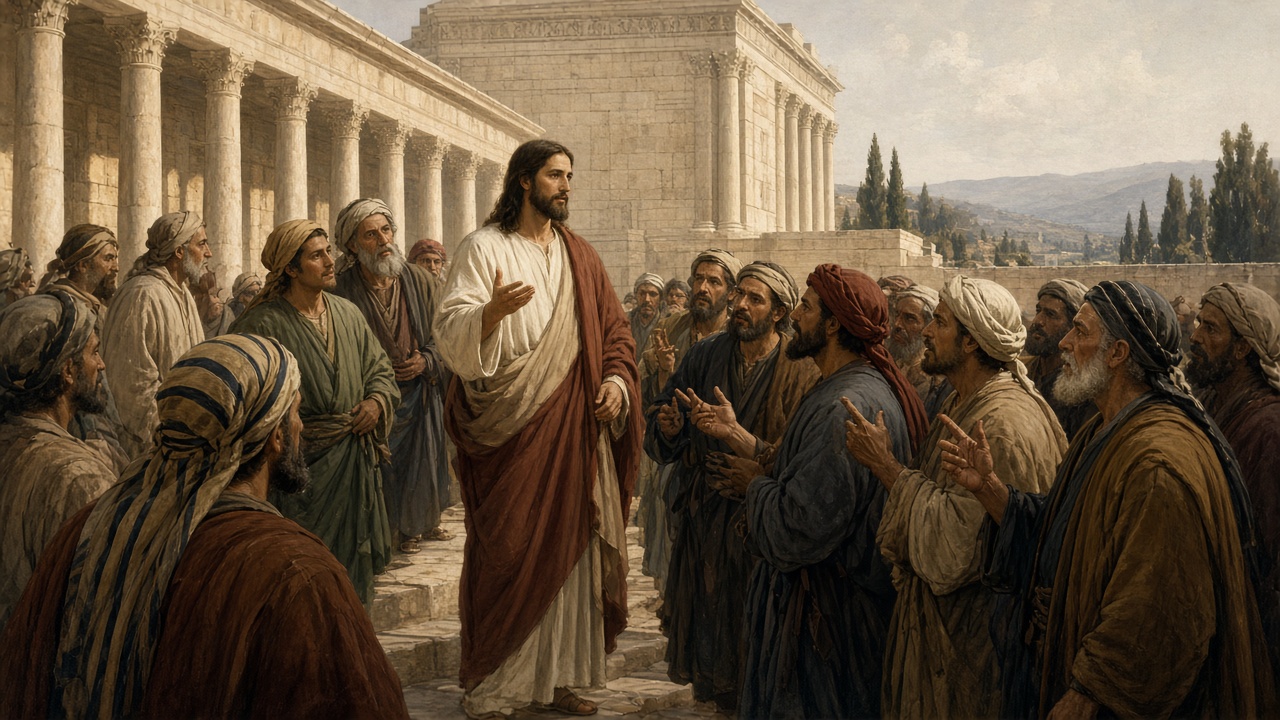
Jesus at the Feast of Tabernacles
- As the Jewish Feast of Tabernacles, a seven-day feast, drew near, Jesus stayed in Galilee and avoided Judea, where people were trying to kill him. In his time Judea was the southernmost of the three Roman divisions of Palestine, distinct from Galilee and Samaria; he later went up to the feast in secret and taught in the temple courts.Sources: the Bible text itself · Feast of Tabernacles · Judea
- The crowds were divided over where the Christ would come from. Some said that Scripture places him in David's line and in Bethlehem, the village where David, the eighth and youngest son of Jesse, lived; others objected that he could not come from Galilee, a region long called Galilee of the Gentiles, and the Pharisees insisted that no prophet comes from there.Sources: the Bible text itself · David · Galilee
- Nicodemus, a Pharisee and a member of the Sanhedrin, had earlier come to Jesus at night. When the officers sent to arrest Jesus returned without him, Nicodemus protested and asked whether their law condemned a man before hearing him and finding out what he had done.Sources: the Bible text itself · Nicodemus
Notes written with AI assistance from open sources (Theographic Bible Metadata, CC BY-SA 4.0; Easton’s Bible Dictionary, public domain) and reviewed before publishing.
Places in this chapter
- Galilee · 32.760, 35.527 · verses 1, 3, 9, 41, 52
- Judea · Today: Judea 1 · 31.777, 35.234 · verses 1, 3
- Jerusalem · 31.777, 35.234 · verse 25
- Bethlehem · 31.704, 35.208 · verse 42
Only places identified with high confidence are shown (90% or more according to the scholarly sources compiled by OpenBible). Period map: DARE (Digital Atlas of the Roman Empire), CC BY 4.0; modern map: © OpenStreetMap contributors; places: OpenBible.info (CC BY 4.0).
Credits and license for this translation
Juziñamui Ñuera Uai
New Testament in Huitoto, Minica
copyright © 2011 Wycliffe Bible Translators, Inc.
Language: Minica Huitoto (Huitoto, Minica)
Translation by: Wycliffe Bible Translators, Inc.
Copyright Information
© 2011, Wycliffe Bible Translators, Inc. All rights reserved.
This translation text is made available to you under the
terms of the Creative Commons License: Attribution-Noncommercial-No Derivative Works.
( http://creativecommons.org/licenses/by-nc-nd/3.0/ )
In addition, you have permission to port the text to different file formats, as long as you
do not change any of the text or punctuation of the Bible.
You may share, copy, distribute, transmit, and extract portions
or quotations from this work, provided that you include the above copyright
information:
You must give Attribution to the work.
You do not sell this work for a profit.
You do not make any derivative works that change any of the actual words or punctuation of the Scriptures.
Permissions beyond the scope of this license may be
available if you contact
us with your request.
The New Testament
in Huitoto, Minica
© 2011, Wycliffe Bible Translators, Inc. All rights reserved.
This translation is made available to you under the terms of the
Creative Commons Attribution-Noncommercial-No Derivatives license 4.0.
You may share and redistribute this Bible translation or extracts from it in any format, provided that:
You include the above copyright and source information.
You do not sell this work for a profit.
You do not change any of the words or punctuation of the Scriptures.
Pictures included with Scriptures and other documents on this site are licensed just for use with those Scriptures and documents.
For other uses, please contact the respective copyright owners.
2014-08-06
Source: http://ebible.org/hto/ · eBible.org