John 6
Juziñamui Ñuera Uai · Tap a verse to see its cross-references.
Jesús cinco mil ɨíñɨaɨ ecade
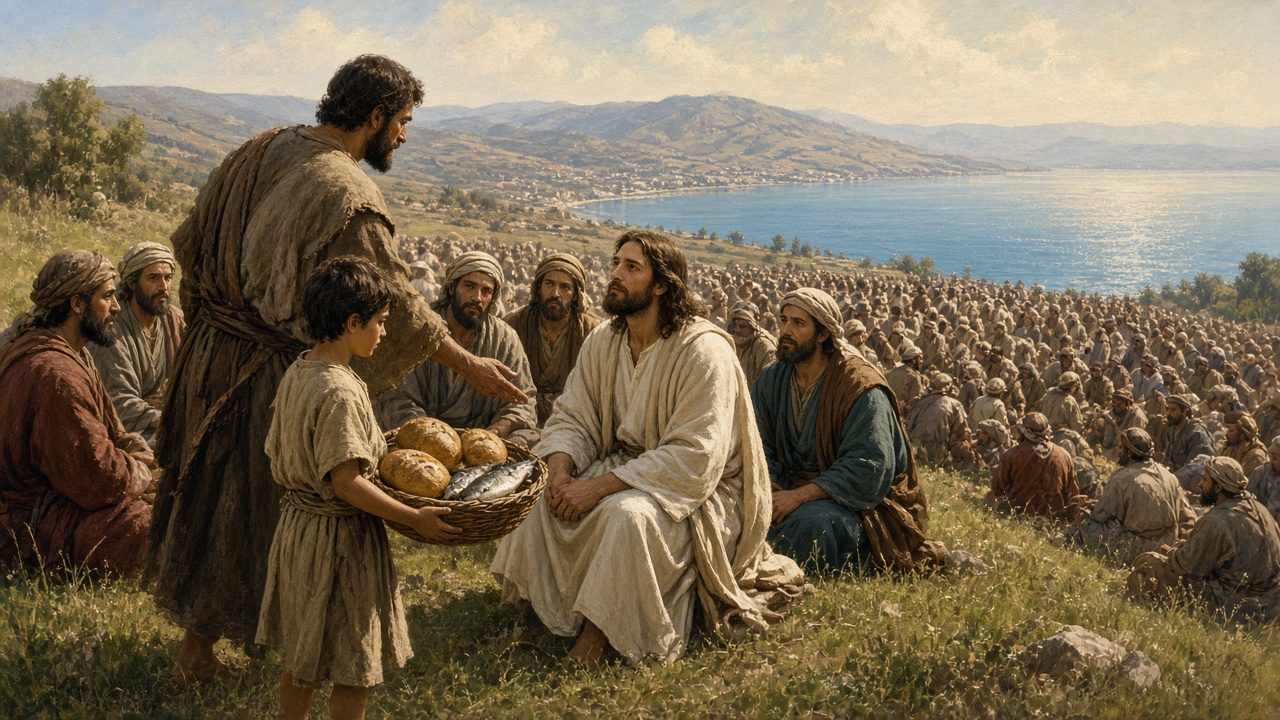
1Afe meífodo Galilea jorai ruícaferaimo jaide. Afe jorai jɨáɨfodo mameina: Tiberias. 2Aillo comɨnɨ íedo jáidiaɨoɨ, cɨ́ofɨnina ráanɨaɨ ie fɨ́nuana íaɨoɨ cɨónamona. Ua ɨráredɨno jíllotana cɨódiaɨoɨ. 3Ie mei Jesús ídumo ráɨizaide ie llófuegamacɨ dɨga. 4Ja judíuaɨ rafue páscuafue áɨnozide. 5Jesús érocaillano aillo afémɨe óodana bitɨ́nona cɨode. Jira Felípena daɨde:
—¿Nɨnómona nana bimacɨ ecállena ɨ́baitɨcaɨ? —daɨde.
6Afe daɨí jɨcánote, Felipe uai úana onóillena. Jesús dama ie fɨnóllɨfue ñue onode. 7Iemo Felipe uai ote:
—Doscientos dɨ́gabe fɨdɨ pan dúcɨñeite naga come jéenino óllena, —daɨde.
8Ie jira jɨáɨe llófuegamɨe Andrés, Simón Pedro ama, Jesuna daɨde:
9—Benó daa dúemɨemo cinco dɨga panes ite mena chamu dɨga. (Bie pan cebada fɨnoina.) Mei íadɨ ɨere duera; aillo comɨnɨ íllaza, —daɨde.
10Ie mei Jesús daɨde:
—Nana íaɨoɨ ráɨilleza afémacɨna omoɨ daɨíri, —daɨde.
Afénomo aillo raitɨre ite. Iemo cinco mil ɨíñɨaɨ raɨzɨ́daitiaɨoɨ.
11Ie mei Jesús pan llɨ́ɨnota Juzíñamuina “Ɨere fɨgora” daɨde.
Dáɨnamona llófuegamacɨmo fecade. Afemona llófuegamacɨ nana ráɨiedɨnodo fecade. Jesús daje izói fɨnode mena chámuna, ua nana rɨ́iacadɨnodo fecade. 12Jae íaɨoɨ jeɨ́rilla mei ie llófuegamacɨna daɨde:
—Fɨébidɨnuiaɨ nana ɨráɨri, daa báɨiñelleza, —daɨde.
13Fɨébidɨnuiaɨ doce dɨga cɨrɨgaɨ ɨraɨca. Ua cinco dɨga panes fɨébidɨnomona dɨga cɨrɨgaɨ oruítaga. 14Ie mei comɨnɨ bie cɨ́ofɨnina raa Jesús fɨ́nua cɨónamona daɨdíaɨoɨ:
—Uafue bímɨe afe jaiai nanómona lloga ana énɨemo bíacade uai lloraɨma, —daɨdíaɨoɨ.
15Mei íadɨ comɨnɨ íena rɨire lláɨtano illáɨmana jóoneacana Jesús fɨdɨ́bicaide. Fɨdɨ́illanona Jesús dama meine idu caifónedumo jaide.
Jesús jaɨnoi emódodo macade
16Ja nauídemo Jesús llófuegamacɨ ana jóraimo jáidiaɨoɨ. 17Dúcɨillano nocaemo jaillano, jorai ruícaferaimo Capernaúmo jaitádiaɨoɨ. Jae jítɨredemo, mei íadɨ naɨ Jesús meine abɨdo biñede. 18Iemo aillo jairifo daɨngo náidacaide. Iemona bagua móonaioicaide. 19Due baɨ jáidiaɨoɨmo Jesús nocaemo áɨnozillana cɨódiaɨoɨ. Jaɨnoi emódodo macade. Iemo jacɨ́ruitiaɨoɨ. 20Mei jira íaɨoɨna daɨde:
—Cueza, omoɨ jacɨ́ruiñeno, —daɨde.
21Iemona caɨmare nocaemo íena llɨ́ɨnotiaɨoɨ. Iemona íaɨoɨ jáillɨnomo nitaca izói jarire dúcɨdiaɨoɨ.
Comɨnɨ Jesús jénua
22Jɨáɨrui meífodo jorai enéferaimo fɨébidɨmacɨ, llófuegamacɨ daa ite nocaedo jáillana fɨdɨ́diaɨoɨ. Iadɨ Jesús afémacɨri jáiñede. 23Mei íadɨ biruícana jɨáɨe nocáiaɨ Tiberias jófuemona dúcɨzaide. Ua pan güilla áɨnori Ocuíraɨma Jesús “Ɨere fɨgora” dáɨnamona, ua afénomo dúcɨzaidiaɨoɨ. 24Daɨí Jesús dɨnomo iñénana cɨóillano ie llófuegamacɨ dɨga, afécaiaɨmo jofo jáidiaɨoɨ. Iemona Capernaúmo íena jénuaidiaɨoɨ.
Jesús, zíiñona cáaille paana maméidɨmɨe
25Jorai ruícaferaimo dúcɨillano, Jesús baitíaɨoɨ. Baillano íena jɨcánotiaɨoɨ:
—Llófueraɨma ¿nɨruido benomo dúcɨdɨo? —daɨdíaɨoɨ.
26Jira Jesús daɨde:
—Uáfuena ómoɨna dáɨitɨcue, güíllena omoɨ jeɨ́rillamona cuena jénuaɨbitɨomoɨ. Cue fɨnoca cɨ́ofɨnina raa omoɨ onónamona cuena jenóñedɨomoɨ. 27Fúifɨrede güíllemo táɨjɨñeno iri. Mei íadɨ fúiñeite güíllemo táɨjɨiri. Afe güille ómoɨna zíiñona itátaite. Afe bie güille ómoɨmo íitɨcue mei Nanoide Ɨima Jitódɨcueza. Mei ua, omoɨ uáfuena ɨ́ɨnogamɨena jae Moo Juzíñamui jóonegacueza.
28Jira jɨcánotiaɨoɨ:
—¿Mɨnɨ́cana fɨ́noitɨcaɨ Juzíñamui jitaille raa caɨ fuitállena? —daɨdíaɨoɨ.
29Jesús uai ote:
—Juzíñamui orécamɨena omoɨ ɨ́ɨnollena jitáirede, —daɨde.
30Iemo jɨcánotiaɨoɨ:
—¿Mɨnɨca onótaite raa caɨmo ácataredɨo, afe cɨóillano ona caɨ ɨ́ɨnollena? ¿Mɨnɨ́cafue fɨ́noitɨo? 31Caɨ jaiáidɨgɨma zaféredɨzicɨmo maná güitíaɨoɨ; Juzíñamui Cuegáuai daɨna izói: “Juzíñamui monámona ana baɨítaga güíllenɨaɨ áfena íaɨoɨ güitátate,” —daɨde.
32Jesús uai ote:
—Uáfuena dáɨitɨcue: monámona baɨide güíllenɨaɨ fecáraɨma Moiséñede. Mei íadɨ uáfuena monámona baɨide güíllenɨaɨ fecáraɨma cue Moo. 33Juzíñamui fecaca güíllenɨaɨ, monámona ana bitɨ́mɨe. Afémɨe cáaille paana maméidɨmɨe. Afémɨe énɨe itɨ́macɨmo zíiñona cáallɨnona itátaite, —daɨde.
34Iemo íena daɨdíaɨoɨ:
—Ocuíraɨma, bie güíllenɨaɨ nágarui caɨ ine, —daɨdíaɨoɨ.
35Jira Jesús daɨde:
—Cue cáatate güílledɨcue. Cuemo bitɨ́mɨe jaca júfiruiñeite. Cuemo ɨ́ɨnotɨmɨe jaca nɨnomo jíroacañeite.
36Mei íadɨ ómoɨna cue daɨna izói, cuemo ɨ́ɨnoñedɨomoɨ naɨ cuena cɨódɨomoɨ íadɨ. 37Nana Juzíñamui cuemo fecácamacɨ cuemo bífɨreitiaɨoɨ. Cuemo bífɨreitɨnona jino dótañeitɨcue. 38Uafue, cue comecɨ jitaina izói fɨnóllena, monámona ana biñédɨcue, mei íadɨ cue orédɨmɨe comecɨ jitaina izói ana fɨ́nuaɨbitɨcue.
39Cue Moo, ua cue orédɨmɨe, nana cuemo igánomona buna oni nɨnó báɨiñeillena jítaide. Ua nana afémacɨ íiraɨruido cáadɨnona itátaitɨcue. 40Cue orédɨmɨe nana Juzíñamui Jitona cɨódɨmacɨ íena ɨ́ɨnollena jitaide. Daɨí íaɨoɨ ɨ́ɨnuamona zíiñona cáaillɨnona íaɨoɨmo íllana cue orédɨmɨe daje izói jitaide; ie mei íiraɨruido cáadɨnona íaɨoɨna itátaitɨcue, —daɨde.
41Iemona judíuaɨ Jesuri gugúritiaɨoɨ. Ua ie daɨnáfueri: “Monámona ana baɨíde güíllenɨaɨna maméidɨmɨedɨcue” íeri gugúritiaɨoɨ. 42Daɨdíaɨoɨ:
—¿Bímɨe José jitó Jesúñede? Ie moona onódɨcaɨ ie ei dɨga. ¿Nɨe izói “Monámona ana bitɨ́mɨedɨcue” daɨírede? —daɨdíaɨoɨ.
43Jira Jesús íaɨoɨna daɨde:
—Gugúriñeno. 44Buna cuemo bínide, cue Moo, cue orédɨmɨe naɨ átɨñenia. Ie mei íiraɨruido afémɨena cáadɨmɨena itátaitɨcue. 45Uai lloraɨnɨ cuegánicuaɨ llote: “Nana afémacɨ Juzíñamui llófuegamacɨza íitiaɨoɨ.” Daɨí nana Moomo cacádɨno, afémɨemona fɨbítagamacɨ cuemo bitíaɨoɨ.
46Bie izói cue daɨna dáarie Moo Juzíñamuina cɨona daɨíacañede. Dama Juzíñamuimona bitɨ́mɨe Moona cɨona. 47Uáfuena ómoɨna dáɨitɨcue: cuemo ɨ́ɨnotɨmɨemo zíiñona cáaillɨnona ite. 48Cue cáatate güílledɨcue. 49Omoɨ jáiairagɨma zaféredɨzicɨmo manana güitíaɨoɨ, mei íadɨ nana jae tɨ́idɨmacɨ. 50Iadɨ cue daɨna monámona ana bite güílledɨcue güitɨno tɨ́iñeitiaɨoɨ. 51Cue dama afe bie monámona ana bite cáatate güílledɨcue. Bie güille güitɨ́mɨe zíiñona iite. Bie cue ille güille dama cue ɨ́eizɨ. Afena íitɨcue nana énɨe imacɨ cáallena, —daɨde.
52Iemona judíuaɨ danɨ íaɨoɨri júfidotiaɨoɨ. Daɨdíaɨoɨ:
—¿Nɨe izói bímɨe dama ie ɨ́eizɨna caɨna écaite? —daɨdíaɨoɨ.
53Jesús íaɨoɨna daɨde:
—Uáfuena ómoɨna dáɨitɨcue: Nanoide Ɨima Jitódɨcueza; cue ɨ́eizɨ omoɨ rɨ́ñeniadɨ, daje izói cue dɨe omoɨ jíroñeniadɨ naɨ omoɨ cáaillɨnona iñede, dájena cuemo jaɨnáiñena jira. 54Cue ɨ́eizɨ rɨtɨ́mɨemo, daje izói cue dɨe jiródɨmɨemo comecɨ zíiñona cáaillɨnona ite; ie mei íiraɨruido afémɨena cáadɨmɨena itátaitɨcue. 55Cue abɨ uafue güille. Cue dɨe uafue jiróllɨi. 56Cue ɨ́eizɨ rɨtɨ́mɨe, jɨáɨ cue dɨe jiródɨmɨe ja cuemo dájena ite. Daje izói afémɨemo dájena itɨcue. 57Cue caade Moo orécacue, jira afémɨedo cáadɨcue; daje izói cue rɨ́itɨmɨe cuedo cáaite. 58Monámona ana bite güílleri úritɨcue. Bie güille omoɨ jaiáidɨgɨma güiga maná izóiñede. Nana afémacɨ tɨ́idɨmacɨ; mei íadɨ bie güille güitɨ́mɨe zíiñona iite, —daɨde.
59Jesús Capernaúmo ite Juzíñamui uai llófueriracomo nana bífuiaɨ íaɨoɨmo llófuete.
Zíiñona cáatate uaillaɨ
60Bie llófuiana cacáillamona, aillo Jesudo jáidɨmacɨ daɨdíaɨoɨ:
—Bie afémɨe daɨna afe jeire ollɨ́uai ɨere féirede. ¿Bu áfena jeire órena? —daɨdíaɨoɨ.
61Iemona Jesús íaɨoɨ gugúrillana onóbicaide. Onóillano jɨcánote:
—¿Aféfuiaɨ ómoɨna ɨáɨruificaitade? 62Ie mei Nanoide Ɨima Jitó nano ie illánomo caifo ie jáillana omoɨ cɨóadɨ, ¿nɨɨe izói íitɨomoɨ? 63Caɨ joreño caɨ cáatate. Ɨeizɨ cáatañede. Omoɨna cue daɨnáuaillaɨ joreño izoide uafue uaillaɨ. Cáataitiaɨoɨ. 64Mei íadɨ ómoɨmona dámɨerie naɨ ɨ́ɨnoñediaɨoɨ, —daɨde.
Jesús afe ɨ́ɨnoñedɨmacɨ nanómona onode. Afe llezica íena éoidɨmacɨmo fécaitɨmɨena onode. 65Ie mei daɨde:
—Ɨemona ómoɨna dáɨitɨcue, Moo átɨñenia buna cuedo bínide, —daɨde.
66Aféruimona aillo Jesudo jáidɨno íena fɨénocaidiaɨoɨ. Ja íedo macáñediaɨoɨ. 67Ie jira ie doce dɨga llófuegamacɨmo jɨcánote:
—¿Omoɨ daje izói jáiacadɨomoɨ? —daɨde.
68Mei íadɨ Simón Pedro uai ote:
—Ocuíraɨma, ¿bumo jáiredɨcaɨ? Zíiñona cáatate uaillaɨ omo ite. 69Ja caɨ ɨ́ɨnotɨcaɨza. Onódɨcaɨ caade Juzíñamui Jitódɨoza. Crístodɨo, —daɨde.
70Jesús íaɨoɨna daɨde:
—Jae doce dɨ́gamɨe nɨzédɨcue; mei íadɨ omoɨ cɨ́gɨmona dámɨe Taɨfe izoide, —daɨde.
71Afe dáɨnado Jesús Júdari úrite. Judas Iscariote Simón jitó. Afémɨe Jesuna éoidɨmacɨmo fécaitɨmɨe, mei íadɨ afémɨe doce dɨ́gademona.
Did you know?
The Bread of Life
- In this chapter John calls the lake both the Sea of Galilee and the Sea of Tiberias. Easton's Bible Dictionary describes it as twelve and a half miles long and from four to seven and a half miles wide, with its surface 682 feet below the Mediterranean. Tiberias, on the western shore, is said to have been founded by Herod Antipas in A.D. 16 and named for the emperor Tiberius; some boats from that city landed near the place where the people had eaten the bread.Sources: the Bible text itself · Sea of Galilee · Tiberias
- That evening the disciples set out by boat for Capernaum, and the next day the crowd crossed and found Jesus there. He delivered the teaching about the bread of life in the synagogue at Capernaum. Easton's Bible Dictionary notes that the city, not mentioned in the Old Testament, became Jesus' own city after his expulsion from Nazareth and was the scene of many episodes in his ministry.Sources: the Bible text itself · Capernaum
- As the crowd drew near, Jesus asked Philip where they could buy bread, a question the narrative says was meant to test him, for Jesus already knew what he would do. Philip, like Andrew and Peter, was from Bethsaida; he answered that two hundred denarii would not buy enough for each person to have a small piece. Andrew, Peter's brother, then pointed out a boy with five barley loaves and two small fish, and Easton's Bible Dictionary, citing this exchange among other passages, says Philip seems to have held a prominent place among the apostles.Sources: the Bible text itself · Phillip the Apostle · Andrew · Simon Peter
Notes written with AI assistance from open sources (Theographic Bible Metadata, CC BY-SA 4.0; Easton’s Bible Dictionary, public domain) and reviewed before publishing.
Places in this chapter
Only places identified with high confidence are shown (90% or more according to the scholarly sources compiled by OpenBible). Period map: DARE (Digital Atlas of the Roman Empire), CC BY 4.0; modern map: © OpenStreetMap contributors; places: OpenBible.info (CC BY 4.0).
Credits and license for this translation
Juziñamui Ñuera Uai
New Testament in Huitoto, Minica
copyright © 2011 Wycliffe Bible Translators, Inc.
Language: Minica Huitoto (Huitoto, Minica)
Translation by: Wycliffe Bible Translators, Inc.
Copyright Information
© 2011, Wycliffe Bible Translators, Inc. All rights reserved.
This translation text is made available to you under the
terms of the Creative Commons License: Attribution-Noncommercial-No Derivative Works.
( http://creativecommons.org/licenses/by-nc-nd/3.0/ )
In addition, you have permission to port the text to different file formats, as long as you
do not change any of the text or punctuation of the Bible.
You may share, copy, distribute, transmit, and extract portions
or quotations from this work, provided that you include the above copyright
information:
You must give Attribution to the work.
You do not sell this work for a profit.
You do not make any derivative works that change any of the actual words or punctuation of the Scriptures.
Permissions beyond the scope of this license may be
available if you contact
us with your request.
The New Testament
in Huitoto, Minica
© 2011, Wycliffe Bible Translators, Inc. All rights reserved.
This translation is made available to you under the terms of the
Creative Commons Attribution-Noncommercial-No Derivatives license 4.0.
You may share and redistribute this Bible translation or extracts from it in any format, provided that:
You include the above copyright and source information.
You do not sell this work for a profit.
You do not change any of the words or punctuation of the Scriptures.
Pictures included with Scriptures and other documents on this site are licensed just for use with those Scriptures and documents.
For other uses, please contact the respective copyright owners.
2014-08-06
Source: http://ebible.org/hto/ · eBible.org