Luke 9
Aka (Hrusso) Bible · Tap a verse to see its cross-references.
Shürhaw ĝüyo ksü ná jidügyew
1Sündatcholye i na ĝüyo ksü shürhaw na balañe ná ĝuló mauw seyo so naw na dagyow dajo gow bó vye. 2Sünda ná Tawgyew i ñe go shi-ñu uw truw, seyo so naw na dagyowe cheñe ki. 3Sünda i ná che, “Jiw ge haje djulawe: shobo je djulawe, kapüĝa je, odje je, bo je seyo polu ksü ksü djulawe. 4Seyo dju ñe yedamje ba ĝyogoima, se a ĝyojodawe; sünda se yo kahuajodawe. 5Dju bala maĝokyema se ñetrü yo kahuañe ishigo ñelümo na pafiajodawe, hado chemeje nadru ge na je truksüfijo.” 6Sünda: na jihuañe ñetrü, ñetrü shi-ñu uw tru kaahi, seyo nüna ná djuje djuje dagyoñe kaahi.
Herodas í velamow
7Seyo ñetrü go psüĝi fum yo nugo Herodes i he í dzühulyeñe mavenghuag, hado chemeje küña nüna na trudabya, Se i Yohañ dzüdo go üshükülyetchoda cheñe. 8Sünda küña nüna na he i, se Eliya i hohuda: utro na ana je chetcho, ahugo ñihow truw mügaw namko yo djuma üshükülyetchoda. 9Seŝo Herodes i che, “Yohañ ükye bo no poskeadügyembi, he ye djutchoa, djufo go ana ñu dzühumkotchoiya?” Sünda i í hoĝoñikülye.
Nüna hadza pom ná gyew
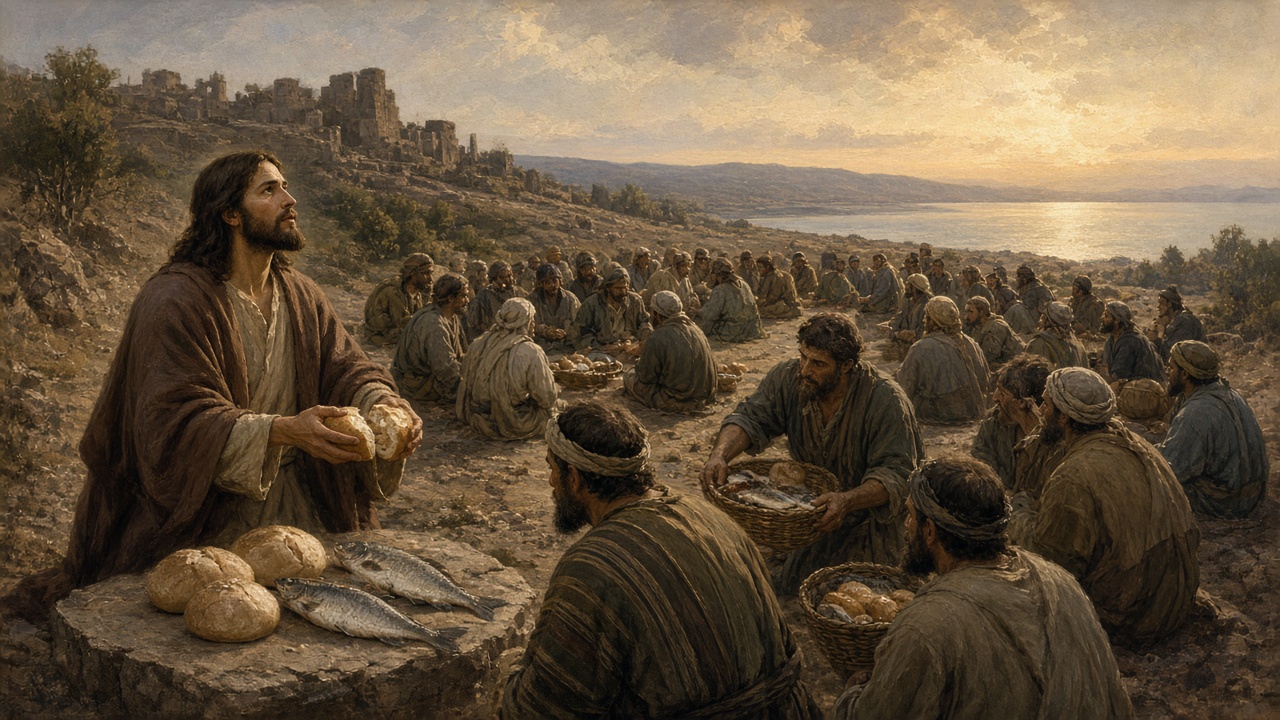
10Sünda í shürhaw na kakuñe na ha ha dalyedama ná í truatsü. Sünda i ná utro ge lagañe, Betseda cheñe ñetrü a ge lañe kakye. 11He i danghulyeñe nüna na ufum fupuloatsü, sünda í ná lüshüw yo tüvatsü, seyo ná i Tawgyew i Nogofo shi-ñu trukye, sünda djú dagyodügyeĝoñdama, ná dagyo. 12Ñeto kapsealaibi a, se í shürhaw ĝüyo ksü jikuñe che, “Upu na kadügyejodabe, kañe na ñetrü ge ná ĝyojo seyo tsajo bühohidame, hado chemeje ñi ĝüdzüw ñetrü ge dume.” 13I ná che, “Djo ná tsajo djübalabya.” Na cheñ, “Ñichi ge odje pom seyo tchükro ksü yo haje ñime; sé ñi jihuañe vyow nabo tsaw-tuw prülameje, se ye dujome.” 14(Hado chemeje sa yo sa a muhu fo pom kuw du.) Sünda i í shürhaw na che, “Ná pom ĝü, pom ĝü dañe ĝyodügyewe.” 15Na süna dabadába, seyo vyow ná ĝyodügye. 16Sese Tawgyew i ülgü odje pom seyo tchükrosa ksü í la, seyo ñedzüdru ge hotroñe na gaĝüzü djü, sünda tchekuĝi, tchekuĝiñe í shürhaw na djü nüna na hawe cheñe. 17Sünda: vyow na tsalyeñe tsaŝelatsüdabi, seyo godza daw yo mo ĝü yo ksü guw trügula.
Patras i Jisu í Tawgyewñe vyew
18Se i akasa ĝüdzüw ge kagañe küĝümkoi sese, seyo idra ye ichi shürhaw na idra dusa, sündawñe i ná dzü, “Nüna na nó ha cheiya?” 19Na che, “Yohañ baptisma djui ye, seyo kagua na mügaw Eliya, seyo kagua na chew ye ahugo ñihow truw mügaw nangko yo a üshükülye da.” 20I ná dzü, “Seŝo djo nó ha cheiya?” Patras i che, “Tawgyew i üsaw Masi.” 21Sündawñe Jisu ná züpsüĝeñe che, “He ana djúje djuchewe.”
Jisu i í nudzo dzüjo í ñihow tru
22Sünda i che, “Nüna üsaw í duhu paketrajobamme, seyo dasüñejome seyo kew mügaw na seyo mügaw sawlyiw seyo shizew-ñuzew na í hosügaw vyeñe shijobamme, sünda i ñegi dzü ye üshükülyetchojome.”
Jisu ufum kasaw ye
23I vyow ná che, “djuma no fum kasajo vedama, nudzoĝ yo makasajoñe trawe seyo shüwa nudzo shokru i gilañe no fum kasajodawe. 24Hado chemeje dju yo nudzoĝ shüw ye fupojome vedama na shokru í moajome, sé djudamje nobo nudzoĝ uluvyu takyoima se iyo í fupojome. 25Nüna na vyow druguw-drulyiw í patsülameje, seyo nudzoĝ uluvyu ye takyoame, semome ñiku-ñisüw pa, se yo ha palajowa? 26Djudamje no yo seyo no ñu yo ñimtchüñjema; nüna üsaw ye je ichi seyo i awu ichi sünda güdraw sorgomuko ichi lüshüw pawñe, ije ñimtchüñjome. 27No djo umso trungkoime, dju ayo ha a gudzudama, namko he a üchea na ana dame Tawgyew i ñetrü mahohumdoluye, na dzüw ye künama madanghujome.”
Musa ñe Iliya naksüdra Jisu
28He ñu na chelye ñegi ŝügzü fum sa a Patras, Yohañ seyo Yakub na üdra küĝüw pu a ge lañe jike. 29I küĝüngkolui ye, ukrumro utro a lya, seyo i gye ye grobülaŝüksüñe lüna-lünakülye. 30Sese, muhu ksü se ye Musa ñe Eliya naksü üdra ñu chitrungkoi. 31Na ĝulo güdrawdra hohu, sünda i dzüjo go ñu poĝi, se ye Yarusalem ge dajo. 32Patras ñe üdraw na drumuĝoñatsüdabi, sünda na pakülyewñe, i ĝulo güdraw; seyo se nüna ksü ye dju üdra gudzüsadama, hohu. 33Na ichi yo kajoñe dawñe, Patras i Jisu í che, “He übrawwa, ñi ha a ĝyow ye uwme: sünda: ñi lañe ulügü dzü dajome, a ye babo, a ye Musa ibo, seyo a ye Eliya ibo.” I madanghu, i ha chengkoima. 34I ana chengkobaiye, ná mumu yo boshiĝiag, ná mumu yo bolyangkoi ye na ĝeatsüg. 35Sünda se mumu yo ana ñu a zekülye, “He ye nosaw seyo no i golawme, i chew dzüwe.” 36He ñu i dzühungkoi ge, Jisu i akasa hohuda; sünda i mazüda ĝyoda, sünda ha hohudama, se ñu í se ñeto ge djuje malakülye.
Muhusa í ĝulo mauw yo lahua
37Seyo se draha na pu goŝü kagaahuñe, upu dyew a í jiñe tüva. 38Sündawñe, upumko yo nüna a ye ŝogzuñe che, “He dadrüwa, no ba chengkoime, nosaw i nülvow hoijodawe; hado chemeje i nosaw akasame. 39Sünda howe, ĝulo mauw a usso ge kamyo, sünda i ülya akaye ŝogzukülyeg; seyo i se í ana ĝüshülyiĝiada, se i üga ge üzetcho fegukülye; seyo í ana damgzüw yo ñiku-ñisüw da tra. 40Seyo no bachi shürhaw ná che, í lahuawe; séŝo na malahuafi.” 41Jisu i che, “He maküĝü seyo bolu datchüw shürhaw nawa, no djodra küña kuw ĝyofisajowa, seyo djó daw na vejowa? I muhu i cheñ, basaw i age la jekuha.” 42I jimkolai ye ĝulo mauw ye í lola padubug, sé Jisu i ñiŝgzüñ ĝulo í miĝiñe seyo muhusa í uw dagyoñe uyow ügzü ge djü. 43Sündawñe vyow na Tawgyew i gow yo mavenghutsü. Sé vyow na í ha ha chiĝa dadama se na trongkoiye, sese i í shürhaw na che. 44“He ñu ye djo djofu ge vejodawe, hado chemeje nüna üsaw í nüna nagzü yo kigo ladügyejome.” 45Sé na he ñu i madzüsü; se i í madanghdügye; seyo na he ñu ífo go idra dzüjoje ĝetcho.
Vyow namko yo dyewfo djuwa?
46Sünda shürhaw naĝütchü ge ñu a kakülye, se i ye nangko a dju dyewfoma? 47Seŝo Jisu i nalu ge vedaw í danghula, sünda muhumsasa a í lañe idra a gudzudügye, 48Sünda i che, “Dju damje noñiñi yo he muhusa i hutroima, se i nó hutrolawme; seyo dju nó hutroima, se na nó kidaw na je hutrolawbamme, hado chemeje djomko yo imisa yo imisafodama, se ye dyewfobamme.”
Dju maveñisama, na udraŝome
49Sündawñe Yohañ i che, “He übrawwa, ñí nüna a ye bañiñi lañe ĝulo mauw í lahuahuw hohudame, sündada ñi í gohame, hado chemeje i ñidra ñisañe bafum makasa.” 50Jisu i ná che, “Í djugohajo dawe; hado chemeje dju djo mauw madama, na djodra dujome.”
Jerusalem ge jiw
51Se í sorgo ge lalyimdrü ñeto kakusalaibi sese, sündawñe i Yarusalem ge jijoñe vye. 52Seyo i ivro ge mukow ki: i Samariya na ñetrü a ge ji, ibó ĝyojo dashütrüivojoñe. 53Sé na i magyogadügye, hado chemeje i Yarusalem ge jingkoida. 54Se i hoñe í shürhaw Yakub ñe Yohañ naksü che, “He Tawgyewwa; ba ha tsüda, se i ñi dügye, se i ñedzü go mi gaañe ná damyaweñe ma?” 55Séŝo i tcholtruĝiañe na ze, [Seyo che “Ba madanghuwa ba ha uĝulo yo ma. Hado chemeje nüna üsaw ye nüna nachi luvyu ye damütrajoñe madaw se í ĝaksüijoñe kakuwme.”] 56Sündalye iñe i shürhaw na ñetrü utro ge jitrükralye.
Jisu ufum kasaw chemeje
57Se i ĝabo jimkoi ge, se djuma a ye í che, “Ba hange hange jiyima, no bafum kasajome.” 58Jisu i í che, “Ŝelü ichi uksu seyo ñedzü go musu nachi üdrü duwme, sé nüna üsaw ichi ükye vejo je ñe ñime.” 59I utro nüna a i che, “Nofum jisawe.” I che, “He Tawgyewwa, nó uvromashü kadügyevzüwe, no awu í ĝuavzüjome.” 60I í che, “Dzüdaw na ná nudzoĝ dzüw í büĝudame, sé ba jiñe Tawgyew ichi ñetrü go shi-ñu trujodawe.” 61Utro a ye je che, “He Tawgyewwa, no bafum kasajome; sé uvromashü nó kadügyevzüwe no nochi ñe go nüna na yo mülüñ kajoñe.” 62Jisu i í che, “Djudamje nudzo ügzü i luksungkuĝu ge kiñe fum ge homeje, i Tawgyew i ñetrü ge ĝyofiwjome.”
Did you know?
Mission, identity, and the road to Jerusalem
- Herod the tetrarch, perplexed by reports about Jesus, is Herod Antipas, Herod's son by Malthace. He said he had beheaded John, while some claimed that John had risen from the dead, others that Elijah the Tishbite, the "Elias" of the New Testament, had appeared, and still others that a prophet of old had arisen. One chronology of these events dates John's beheading to AD 29.Sources: Herod Antipas · Elijah · John Beheaded · the Bible text itself
- After the apostles returned, Jesus withdrew with them to a town called Bethsaida, where he welcomed the crowds, spoke about the kingdom of God, and fed about five thousand men with five loaves and two fish. Easton's Bible Dictionary (1897) places this Bethsaida on the east side of the lake, two miles up the Jordan, in the region of Gaulonitis; Philip the tetrarch enlarged it and called it Julias, after the emperor's daughter. Some have supposed there was only one Bethsaida, built on both sides of the lake near where the Jordan enters it; the entry identifies the ruins as et-Tel.Sources: Bethsaida · the Bible text itself
- Peter, originally called Simon, answered that Jesus is "the Christ of God." About eight days later Jesus took Peter, James, and John up a mountain to pray; Moses and Elijah appeared in glory and spoke about the departure Jesus was about to accomplish at Jerusalem. James, elder brother of John and a fisherman in partnership with Peter, was with them; he and John were called Boanerges, "sons of thunder," probably because of their boldness and energy, and later they asked whether they should call down fire from heaven on a village of the Samaritans that would not welcome Jesus because he was heading for Jerusalem.Sources: Simon Peter · James (Son of Zebedee) · the Bible text itself
Notes written with AI assistance from open sources (Theographic Bible Metadata, CC BY-SA 4.0; Easton’s Bible Dictionary, public domain) and reviewed before publishing.
Places in this chapter
Only places identified with high confidence are shown (90% or more according to the scholarly sources compiled by OpenBible). Period map: DARE (Digital Atlas of the Roman Empire), CC BY 4.0; modern map: © OpenStreetMap contributors; places: OpenBible.info (CC BY 4.0).
Credits and license for this translation
Aka (Hrusso) Bible
Hruso: Aka (Hrusso) Bible (Portions) for India
copyright © 2024 Bridge Connectivity Solutions Pvt. Ltd.
Language: (Hruso)
Contributor: Bridge Connectivity Solutions Pvt. Ltd.
This translation is made available to you under the terms of the
Creative Commons Attribution Share-Alike license 4.0.
You have permission to share and redistribute this Bible translation in any format and to make reasonable revisions and adaptations of this translation, provided that:
You include the above copyright and source information.
If you make any changes to the text, you must indicate that you did so in a way that makes it clear that the original licensor is not necessarily endorsing your changes.
If you redistribute this text, you must distribute your contributions under the same license as the original.
Pictures included with Scriptures and other documents on this site are licensed just for use with those Scriptures and documents.
For other uses, please contact the respective copyright owners.
Note that in addition to the rules above, revising and adapting God's Word involves a great responsibility to be true to God's Word. See Revelation 22:18-19.
2025-05-03
Source: http://ebible.org/hru/ · eBible.org