Luke 7
Aka (Hrusso) Bible · Tap a verse to see its cross-references.
Kulokyew ichi umsow vyedaw ye Jisu i vyelamoa
1I í ñu ná nüna na trumdzoalyeñe Kafarnahum ñetrü ge jiku. 2Sünda mükaw a ichi kulom djú i, í ñeŝümbo veduw vewma, usso nañe dzüjo veduw lyada. 3Jisu iñiñ hutraw-notraw dzühulyeñe Yahudi ñetrü go nugow na ütrü ge í kulo í jikuñe dagyoiwe cheñe ki. 4Na Jisu ichi ge jikuñe ishitrü ge gaañe ana che, “Ba ibo he i daijo dawe 5Hado chemeje i ñí ĝübye na nülvo daw, sünda ñi melye ñe ije i daihu.” 6Jisu i nadra nadra hutro jisa, sünda i ñe yo añe üĝa ñibisa sa a, mükaw i üdraw na yo ana cheñe ki, “He Tawgyewwa, ba ñikuñisüw djudajodawe, hado chemeje nochi ge übadzü ñime, ba no ñelütsü pudaw ge jimyojo. 7Sündada nudzo no bachi ge jikujo übadzü duñe mavemme, sé ba bá ñu i truñe no kulo usso dagyoiijodawe. 8Noje nüna na üla yo nünabame; sünda shipashi na nogzü geme, sünda nüna a í ‘Kab’ chewñe se nüna ye kaw, sünda ütro a í ‘age kab’ chewñe i kaku; sünda no kulo na ‘He i da’ chewñe na se chiĝa i daag.” 9He ñu í dzühulye Jisu i lumashüw vea, sünda i ufum ge nüna upu kalasalai nachi ge tcholtruĝiañe cheñ, “No djo he trungkoi heme, Israyel ge je no ana veksüw mapame.” 10Sünda nüna kidaw na ñe kaku hobanda, kulo usso nadaw i dagyovodabi.
Dzüdo í shüdügye
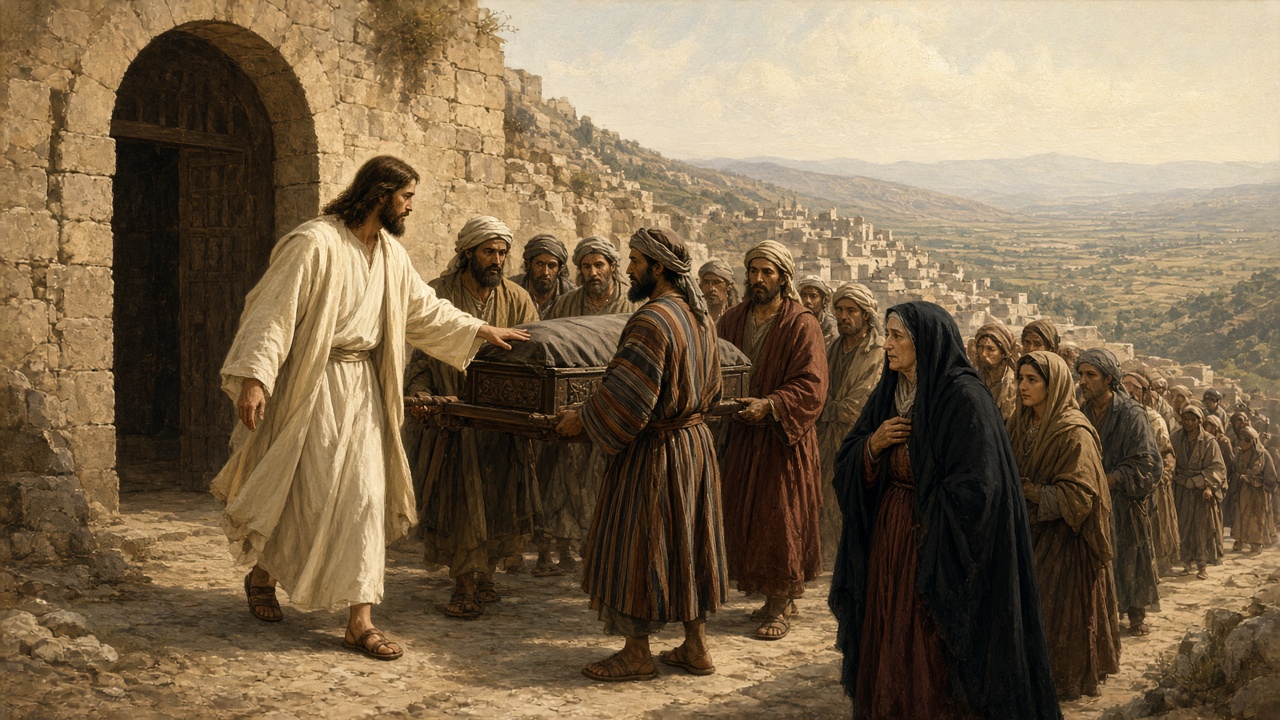
11Me ñegi fum sa a i Nayan cheñe ñetrü a ge ji, ichi shürhaw nañe seyo nüna upu üdra jisa. 12I se ñetrü gow füta ütrü iñisa jiku, hojodawe, nüna na ñimo a í ñepsü ge la kahuangkoi; se ye üyan üsaw akasa ba, sünda i müjem: sünda ñetrü gow ŝüpo nüna añe üdra dusa. 13Í hoñe Prabu üdrapra-ulupra na, sünda i cheñ, “Dju ksewe.” 14Sündawñe i iñisa ge jikuñe ñimo vedaw i ki; sünda gidaw na ĝogog jebi, sündawñe i cheñ, “O muhumya, No ba chengkoime, pakülyejodawe.” 15Sündawñe se dzüdaw ye pakülye ĝyo, sünda ütrü zekülye: sünda i í üyañ i djülye. 16He yo vyew na ĝeatsü, sünda na Tawgyew ibo gow troñe ana che, “Ñimko a ŝüpo dyew ñihow truw a kakülyadame, sünda Tawgyew i í nülvow í nüna na she.” 17Sünda ibo gow ñu ye vyew Yahudiya seyo iñisa gow vyew ñetrü ge truzeĝiatsü.
Yohañ Baptisma djüw í dzüw
18Sünda Yohañ i í shürhaw na he ñu na trutsü. 19Sündawñe Yohañ i í shürhaw nangko yo ksü i balalyeñe Prabu ichi ana dzüw ki, “Kakujo ye babamma, mo no utro na ĝyokrüjoma?” 20Na ichi ge jikuñe cheñ, “Yohañ baptisma djüw i ñi bachi ge ana a dzüw kidame, se ye kakujo ye babamma, mo no utro ĝyokrüjoma?” 21Sa yo sa a i ŝüpo na usso naw yo seyo duhu yo lahuaida; sünda mütü kamyodaw seyo ŝüpo iñi ĝiw na iñi djü. 22Sünda i í che, “Djo ha ha hohuñe dzühudama, kañe Yohañ i trujo dawe; iñi ĝyew hohungkoimme, üshi lyew kahingkoimme, ĝoĝo nadaw i dagüdrajemme, ufu vaw dzühungkoimme, sünda dzüdaw ye üshükülyejemme, sünda sapse na Tawgyew i shi-ñu trujeme. 23Tawgyew i ŝüvzüw djudra duma na ushi mahütrüjome.” 24Yohañ i kidaw nüna na kawñe, Jisu i Yohañ ubo gow nüna na ana tru, “Djo bye ge ha how jiña? Ha, ñedzülyiw yo age ngüa süge ngüa daw müsuĝ i? 25Nameje djo ha how jibaña? Ha, nüna gye howsa shedaw í? Howe, dju gye-ĝuvo uw sheima sünda ñe uw ge gyoima, na mahal ge ĝyowwa. 26Nameje ha how jimdobaña? Ha, djuma a ñihow í? Am, no djo trungkoime, ñihow truw ije dyewfo. 27He ye sebamme, djubo ĝidama: ‘Howe, no muko í bavro bavro kijome, dju bavro ge kañe ĝabo gudow davojome.’” 28“No djo trungkoime, mim naluhu yow sadaw na, namko ye Yohañ i dyewfo djuje mome sé dju Tawgyew i ñe ge imisafo dama, i se ije dyewfo me i.” 29Sünda vyew nüna na seyo patso-lavow naje dzühuñe Yohañ ichi gow baptisma lañe Tawgyew i umso ve. 30Sé Farisi seyo shotuko-kunu davow na ichi baptisma malañe Tawgyew i ĝabo shedaw i madzü. 31“Sündada: no he shültsongkoi gow nüna na ha üdra tsojowa? Na ha veduda? 32Na se angasa na veduw dju bajar ge ĝyoñe naĝütchü ĝuksuĝiñe ana cheĝiw, ‘Ñi babo bzüva viw, se ba ñuksu je mada, sünda ñi duhu dawgeje ba kseje makse.’ 33Hado chemeje Yohañ baptisma djüw i odje je matsaw kakülyada seyo tsü je matuw kakülyada, sé ba cheiye, usso ge mütü du. 34Nüna üsaw na tsa tuñe kakülyahume; se ba chewye, ‘Howe, tsaĝotüw sünda tsü tujetchüw nüna nawa, patso-law üdraw seyo lalo gifuĝuw nadraw.’ 35Sé patsü-sholu ye nasaw nachi í umsoñe da veda.”
Simon Faresi ichi ñe ge lalobram í muchoahuw
36Sünda Farisi a ye í üdra ava tsasaweñe bakuda; sündawñe: i se Farisi i ñe ge jiñe ava tsajone ĝyoha. 37Süge se ñetrü yo lalobram a ye, i Farisi i ñe ge ava tsaw jikuñe ĝyoda che danghulye, kunulübzü yo daw shüve a ge ŝowsa ŝow uhu lajikuda. 38Sünda üshi ütrü ge, fum gow gudzüñe kseñe üshi i üñiŝü yo daĝüñe sünda nudzo ükye gow ükyetrü yo dügüdra sünda üshi ge umdzu yo tsa tsañe, ŝowsa ŝow uhu yo ŝüi. 39He í holyeñe, se Farisi dju í baladama, üdrü-ulu ve vemche, “I ñihow truw nünan meje i danghujobi, dju i kingkoima, se ye djuma seyo küna mimma cheñe? Hado chemeje ibo lalobrambabi.” 40He í dzühulye Jisu i hutrolañe cheñ, “Simonña, no ba hadamje a chejome.” 41“Bo djüw a ichi gudzuvaw ksü duw, a ye lumu yo bosüñ fo pom, seyo utro a ichi ge lumu yo bosüñ pomĝü duw. 42Ichi ge domĝütchojo ñiahuñe, sündawñe i naksü maksü i ujobammeñe traaha. Sünda: naksümko a dju í nülvo fo vejowa?” 43Simon i cheñ, “no vew ge, i djú añe traafodama.” I í cheñ, “Ba uw vebadamme.” 44Sünda se mim ichi ge tcholtrüñe i Simon i che, “Ba he mim i homa? No ba ñe ge jikuwbi sé ba nó üshi chejo hu je madjü, se i noshi i iñiŝü yo dagzüida, seyo i nudzo ükyetrü yo dügüdraida.” 45Ba no umdzo yo bubu matsa, se no jikuw yo i noshi i umdzo yo bubu madamdu. 46Ba no kye ge tel je maŝüi; se i noshi ge ŝowsa ŝow uhu ŝüida. 47“Sündada no ba chengkoime; i lalo ŝüpo duw ye, muchoihumme, hado chemeje i ŝüpo nülvo dada; sé djuchi mesame muchodama, i nülvow je mesame dawba.” 48Sünda i mim í che, “Ba lalo muchoajemme.” 49Sündawñe üdra a ava tsaw ĝyosadaw na, nadrü-nalu ve vetsü, “He lalo na muchoihu ye djubajema?” 50Se i mim i che, “Ba küĝüw ye ba ĝaksüi damme, lüshüw yo kajodabe.”
Did you know?
Faith, compassion, and a prophet's question
- Easton's Bible Dictionary (1897) describes Capernaum as a Galilean town not mentioned in the Old Testament, which became the city Jesus treated as his own after he was expelled from Nazareth and the scene of many episodes in his life. In this chapter he arrives there to find a centurion's highly valued servant near death, and Jewish elders plead that the officer loves their nation and has built their synagogue.Sources: Capernaum · the Bible text itself
- Easton's Bible Dictionary (1897) links the name Nain to a Hebrew word meaning green pastures or lovely, and identifies the town with the village of Nein on the northwestern slope of Jebel ed-Duhy, also called the hill Moreh or Little Hermon, about four miles from Tabor and twenty-five miles southwest of Capernaum, above the plain of Esdraelon. At the town gate Jesus met the funeral of a widow's only son, and awe spread through the crowd.Sources: Nain · the Bible text itself
- John the Baptist is described as the forerunner of the Lord and as a man of priestly descent: his father Zacharias was a priest of the course of Abia, and his mother Elisabeth was one of the daughters of Aaron. His mission is described as the subject of prophecy, and in this chapter Jesus tells the crowds that John is more than a prophet, the messenger sent ahead to prepare the way, while John's disciples ask whether Jesus is the one who was to come.Sources: John the Baptist · the Bible text itself
Notes written with AI assistance from open sources (Theographic Bible Metadata, CC BY-SA 4.0; Easton’s Bible Dictionary, public domain) and reviewed before publishing.
Places in this chapter
Only places identified with high confidence are shown (90% or more according to the scholarly sources compiled by OpenBible). Period map: DARE (Digital Atlas of the Roman Empire), CC BY 4.0; modern map: © OpenStreetMap contributors; places: OpenBible.info (CC BY 4.0).
Credits and license for this translation
Aka (Hrusso) Bible
Hruso: Aka (Hrusso) Bible (Portions) for India
copyright © 2024 Bridge Connectivity Solutions Pvt. Ltd.
Language: (Hruso)
Contributor: Bridge Connectivity Solutions Pvt. Ltd.
This translation is made available to you under the terms of the
Creative Commons Attribution Share-Alike license 4.0.
You have permission to share and redistribute this Bible translation in any format and to make reasonable revisions and adaptations of this translation, provided that:
You include the above copyright and source information.
If you make any changes to the text, you must indicate that you did so in a way that makes it clear that the original licensor is not necessarily endorsing your changes.
If you redistribute this text, you must distribute your contributions under the same license as the original.
Pictures included with Scriptures and other documents on this site are licensed just for use with those Scriptures and documents.
For other uses, please contact the respective copyright owners.
Note that in addition to the rules above, revising and adapting God's Word involves a great responsibility to be true to God's Word. See Revelation 22:18-19.
2025-05-03
Source: http://ebible.org/hru/ · eBible.org