Luke 11
Aka (Hrusso) Bible · Tap a verse to see its cross-references.
Tawgyew Küĝüw í dadrüw
1Sündatcholye ahua ye i nolu a ye küĝüngkoi. Seyo i se küĝüfiahuwñe, ichi shürhaw namko yo a ye í che, “He Tawgyewwa, Yohañ i í shürhaw ná küna veduw küĝüdrüdama baje ñi süna veduw küĝüdrüwe.” 2I í che, “kye damje djo küĝümkoime, sese chejodawe:
‘He Awa,
Bañiñ güdraw vejome, ba ĝadzü kakülyawe.’”
3“‘Ñichi muhu muhu yo tsajo-tujo í ñi djüijodawe.’
4‘Seyo ñi lalo na muchoaijo dawe,
Hado chemeje ñi je, ñi mauw dado na muchoaijome,
Sünda ñi mauw uw dajo yo ĝaksüiwe.’”
Prünggudruwe
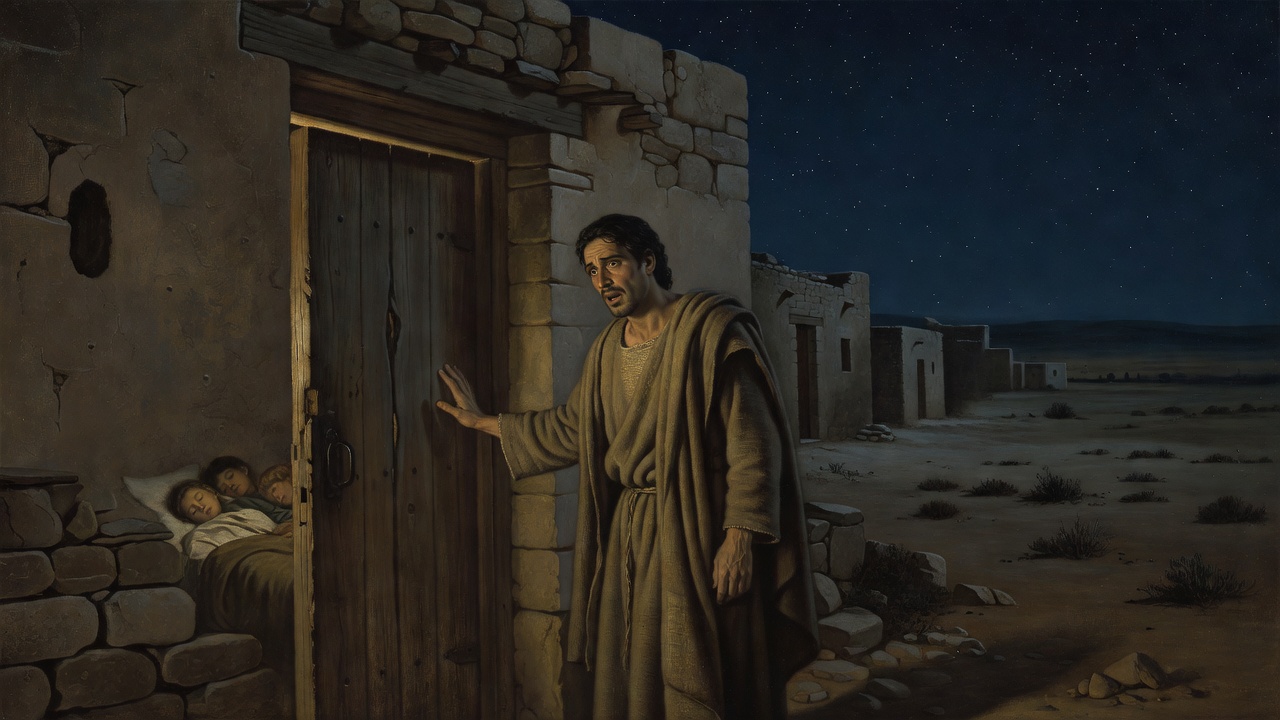
5Sünda Jisu i ná che, “Djumko ye üdraw a duw ye djuwa, sünda i ñegimko ge pakülyeñe ichi ge ji í chewe, ‘He drawwa; nó odje üka dzü djüwe. 6Hado chemeje, kasew-biŝew go draw a ye nochi ge jikuda, sünda ivro ge veijo nochi ge haje ñime.’” 7Sünda i ulung goŝü ñu tru, se nó afafsüw djudjüwe; yabó ñegüdrüŝü je dugoadammje, sünda nosa ye nodra buĝo ge ĝüsadame, sündada no bá pakülyeñe haje madjüfijomme. 8No ba trungkoime, se üdraw duñ sese je í pakülyeñe haje madjüfisabamme, sedamje i ñimtchüñ ye tralye prüdo ye í küña tsüdama süña pakülyeñe djüjoŝo. 9Sünda no djó cheime; prümeje, djo djüjome; tchümeje djo pajome; dümeje, djobo voaijome. 10Hado chemeje dju prüima, ná pajome; sünda dju tchüima, na pajome; seyo dju düima, nabo voaijome. 11Djomko ye dju ana awu duwa, se üsaw ye odje prüme, se í kunnu djü, seyo sündalye tchü prümeje, se tchü madjüw byu djü? 12Semome jeje prülaime, se í mütü güdzü djü? 13Sünda, ba maulyeñe je basa ná gañ uw djüjo danghumeje, se djo ñedzü go Awu, i ichi nudzoĝ nüna prüi ná hado ĝulo güdraw madjüjowa.
Jisu ñe mütü na go dyewfo
14Sündatcholye Jisu i ügadow ĝulo mauw a í lahuatcho; se ĝulo mauw ye kahuahuñe, ügadodo ye ütrü zekülye; sünda nüna na mavenghuatsü. 15Séŝo namko ye küña na cheda, “I bó ĝuló mauw nachi go dyewfow mütü ichi datunow yo lahuabaiwa.” 16Utro na í dafidama hojoñe í ñedzü udru ge hadamge sheweñe cheshew shewe che. 17Séŝo Jisu i, nadrü-nalü ge vedaw i danghulyeñe, na che, “Ha ha ñetrüĝüfo ge braĝidama, se ñetrüĝüfo ye mütrüajome; sünda ha ñe ye braĝidama, se ñe ye je mümyajome. 18Seyo sünda mütü ye í nudzo íbo magotchow dame, se ichi ñetrüĝüfo kündañe dujowa? Hado chemeje djo nofo go ana cheŝoibi, se mütü i datunow yo se mauw ná lahuabaibi cheñe. 19Senameje no mütü i datunow yo ĝuló mauw ná lahuabaimeje, se djó agü na dju tunow yo kakülyebaiya? Sündada ná djo niyay djüw nüna chejome. 20Séŝo no Tawgyew udruyo yo uĝulo mauw na lahuameje, Tawgyew i ñetrüĝüfo ye djotrü ge kakujome. 21Nüna gow na nachi ñe i ĝaksüw chiaĝi pyogoñe ñe í hokrüimeje, se ichi gañ-miĝi na ĝüdzüw dujo. 22Seŝo ije gofotchow na djuma a í tumuvojoñe í dafoahuñe, í se chiaĝi na ha ye i veksüdama, sena laĝalag seyo ichi gañ-miĝi na laĝañe habraĝiame. 23Dju nodra ñima se i no mavyewme, seyo dju nodra dukyeĝiyima se i trabraĝiajome.”
Ĝuló ñiŝgzüñ ye ñe tchüw
24“Nüna usso go ñiŝügzüñ ĝulo kahuahuñe nokro ge ĝyogojo tchüĝijome, sünda mapawñe i chejome, no ha ñe yo kahua dama se ñe ge kamyotchojome. 25Sünda kakuwñe i gümsa-gümĝañe howsa hohujome. 26Sündawñe i idra ye í je mofokow uĝulo mauw mro ye idra ye lakujome, sünda na ilunge kamyoñe sayo sa ĝyojome, sünda se nüna ye uvro gow ije mokofow mauw lyajome.” 27Sese i he ñu i trungkoi ye upumko go mim a ye gow yo che, “Ŝüvzüwme se uluhu ye hayo sa a ba ĝyodama seyo se apu ye ha ye ba mütsüdama.” 28I che, “Am; séŝo ŝüvzüwme i, dju Tawgyew i ñu dzüñe i chew dzüima.”
Ñedzü go ñu prüw
29Se ŝüpyo upu kyeĝipyo dawñe, i che, “He ñishü yo nüna na maume; na chishew tchünggudru; se ná Yona i chishew í tralye seyo haje chi mashejome. 30Yona í küna veduw Ninwe ñetrü go chishew vewma, sünambo nüna üsa ye he ñishü yo nüna na chishew vedujome. 31Müdzavye go nugom niyay djüw se ñetomüdrü ayo nüna nadra gudzuñe, í datrüwñe chejome, hado chemeje i Suleman i ñu dzüjoñe druguw-drulyiw udza go jikuda, sünda holabya he ayo he a Suleman ije dyewfo a du. 32Ninwe go nüna na Niyay djüw ñetomdrü ye hesalu yo nüna nadra gudzuñe, naso ge truchoaijome; hado chemeje na Yona i ñu tru í dzüñe nadra-nalu muchoagye sünda howe, age Yona ije dyewfo a dume.”
Usso go mütrü
33“Dju nüna je bela ge mütrü tchühoñe ĝumŝü ge seyo ñeshü ge mavewme, seŝo mütrü ubo ge dzugo vewme hado chemeje nüna jikui na hohujoñe. 34Baso go mütrü ye bañi ye me, sündada bañi güdrameje, se basso naje vyow müsajome; séŝo se ye maumeje, basso ge je nukuĝujome. 35Sündada ufu je ksü-üñi je ksü dañe ĝyowe, se müsaw ye baso duwye nukuĝuañeme. 36Sündada baso ye vyow müsazeĝiame, seyo se ichi hangeje manukrumeje, se sündame se vyow na müsajome, süna vyeduw ñeto ge dadawa, se mütrü ye ichi lünaw yo djó müsaw djüiwa.”
Mim na seyo Farisi na gohaw
37Jisu i ñu trungkoi ye, djudamje Farisi a ye i che, se nochi ge jiñe ava tsawe; sünda i ñelu ge djemyoñe ava tsajoñe ĝyoag. 38Farisi na basha go na ava matsalu üshi-upo machew í holyeñe mavyenghua. 39Tawgyew i í che, “O Farisi, ba bekasa seyo bela na udru udru go güdrawŝo, séŝo balung ge vyesbiw seyo mauw vyesumokradama. 40Budzu ñiw nawa, dju ñepsü go vye ye dadama, hawa se i ulung go i madaima? 41Am séŝo, ulung go gañ-miĝi duw na chi djüajo dawe, sündameje bábo vyow güdraw lyajome.” 42“Se Farisi nawa, djo tui me! Ba pudina ñe sudab yo, seyo vyow ñomñow sheĝe baĝüdo yo ülye ĝü tronguaña djüŝoma, séŝo Niay i seyo Tawgyew i nülvo í mahutroiwa; tsüwbo tsüda hena je dañgudru seyo sena je tratcho. 43Farisia nawa, djo druge tui me! Djo ñegru ge nugo buĝo uw vye seyo badzaĝ ge ye djó gaga tsüw.” 44“Djo tui me! Hado chemeje djo se pelyado nuĝu vedudame, süge nüna na udru ge dügrüñe kahi, se madanghuw nuĝu du cheñe.” 45Sündawñe mükyew a ye í che, “Dadrüwa, he ana cheñe ba ñi tchüĝoime.” 46Jisu che, “Oi shotuko-kunu dakyew nawa, djoje tui me! Djo ana lojemalofiw gañ me, nüna nadrü ge joŝoi seŝo yabó djo djogzütsü a je madadü.” 47Djo je tui! Djo se ñihow truw na nuĝu chiw, dju djo aki-awu na shilyedama. 48Sünda: djo truksüw nüna me, seyo djo aki-awu na dalyedaw yo uw vye; hado chemeje na bó ná shidabi sünda djo ná nuĝu í daw. 49Sündada Tawgyew i patsü-sholu je chedame, se no nachi ge ñihow truw seyo shürhaw kiajome, seyo na naĝiyo küña na shijojema seyo küña na daŝe-damejojema. 50Se i ye küña ñihow truw duma naŝü í he druguw-drulyiw í dakülyejobo a fualyedame, vyew na ĝilyedo ye he ñefo ayo nüna nachi yo lajodawe. 51Habil í üŝü yo dalalye Jakaria í shiw kuw se psüĝañe mügañe naksümko ye shiw: no djo umso truime; ichi ĝidoye he ñefo syo shüdo nüna nachi go lajome. 52Shotuko-kunu dakyew djo tui me! Se djo je patsü-sholu veĝiw bo ladaŝome, séŝo djo djoluvyo makakume, seyo kakujoñe dado na dugo vye. 53Sündalye i sa yo kahuahuñe, sese shizew-ñuzew nañe seyo Farisi ŝüpyo ifum kase seyo i dagtso-damrhüñe, ha ha ñu bütruluweñe da, se i ŝüpyo ñu ufo bütruluweñe 54sünda na i ha ñu chehualaima ĝyokrü ĝyo, se umdzu yo ha damje ñu zetruahuw ye kigolajoñe.
Did you know?
Prayer, Signs, and Woes
- Jesus speaks of the blood of all the prophets, from the blood of Abel to the blood of Zechariah, who was killed between the altar and the sanctuary. Abel was the second son of Adam and Eve and was killed by his brother Cain. Easton's Bible Dictionary (1897) identifies this Zechariah as the son or grandson of the high priest Jehoiada, stoned at the king's command in the court of the house of the Lord after he condemned the king and the people, and notes that Jesus alludes to that murder in this chapter.Sources: the Bible text itself · Abel · Zacharias
- Jesus says this generation will be given no sign except the sign of Jonah: as Jonah was a sign to the Ninevites, so the Son of Man will be a sign to this generation, and the men of Nineveh, who repented at his preaching, will condemn it at the judgment, because someone greater than Jonah is here. Easton's Bible Dictionary (1897) describes Jonah, son of Amittai of Gath-hepher, as a prophet of Israel and a missionary to Nineveh, and calls him a type of the Son of Man. It describes Nineveh as a great and populous city, the flourishing capital of the Assyrian empire.Sources: the Bible text itself · Jonah · Nineveh
- After Jesus drives out a demon that was mute, some say he does it by Beelzebul, the prince of the demons. Easton's Bible Dictionary (1897) explains the name Satan as adversary or accuser, says the New Testament uses it interchangeably with the devil, and lists Beelzebub among his titles. Jesus answers that every kingdom divided against itself will be laid waste, and asks how Satan's kingdom can stand if Satan is divided against himself.Sources: the Bible text itself · Satan
Notes written with AI assistance from open sources (Theographic Bible Metadata, CC BY-SA 4.0; Easton’s Bible Dictionary, public domain) and reviewed before publishing.
Places in this chapter
Only places identified with high confidence are shown (90% or more according to the scholarly sources compiled by OpenBible). Period map: DARE (Digital Atlas of the Roman Empire), CC BY 4.0; modern map: © OpenStreetMap contributors; places: OpenBible.info (CC BY 4.0).
Credits and license for this translation
Aka (Hrusso) Bible
Hruso: Aka (Hrusso) Bible (Portions) for India
copyright © 2024 Bridge Connectivity Solutions Pvt. Ltd.
Language: (Hruso)
Contributor: Bridge Connectivity Solutions Pvt. Ltd.
This translation is made available to you under the terms of the
Creative Commons Attribution Share-Alike license 4.0.
You have permission to share and redistribute this Bible translation in any format and to make reasonable revisions and adaptations of this translation, provided that:
You include the above copyright and source information.
If you make any changes to the text, you must indicate that you did so in a way that makes it clear that the original licensor is not necessarily endorsing your changes.
If you redistribute this text, you must distribute your contributions under the same license as the original.
Pictures included with Scriptures and other documents on this site are licensed just for use with those Scriptures and documents.
For other uses, please contact the respective copyright owners.
Note that in addition to the rules above, revising and adapting God's Word involves a great responsibility to be true to God's Word. See Revelation 22:18-19.
2025-05-03
Source: http://ebible.org/hru/ · eBible.org