Exodus 22
Hset Hadròeh · Tap a verse to see its cross-references.
Wèq kùng hang
1Cabô atùng ƀo qnì loq trìu qnì, khoe aih bùh jam tech qnì, aih èh haq ep am hlài padam toq ƀo ka moèq toq ƀo, èh pôn toq trìu ka mòeq toq.
2Tàng mangai atùng qnang àu qmang èh wì jah rùp rai jêh đac ka cachìt, mangai ma jêh aih ùh hìaq pòq tuiq jêh đac mangai.
3Mahaq jêh ka cachìt jò mahì khoe tŏc, aih pòq tuiq jêh đac mangai. Mangai ma atùng ep padreo hlài, tàng ùh i cleq hu qnoh hlài, aih èh wì ep tech cla haq ka tuiq atùng. 4Mahaq yiniq cleq mangai atùng ma khoe yŏc, yac ka ƀo, ka trìu, ka lùa, hnoq oe raq rìh jang tì kŏng haq, aih èh mangai ma atùng ep đèn hlài loh baiq phàn.
5Tàng cabô broq kan haƀo ka ruàng qnì, wuàn nho qnì, caqnaih dèh ngè đeh ma aban mùt kaq taruàng mangai qnoeq, mangai aih ep yŏc dahwèq ma yeo lem dŏng deh enh ruàng, tàng ùh meh enh wuàn nho da cla đòeq hu pachàuq hlài da wì.
6Tàng ùnh khàng cheo trùh xèm yila èh cheo hlàng trùh ta qmau neo gat, qmau qnhòq gat, dìq ka ruàng, mangai bùh ùnh aih ep am hlài rìm yiniq ma khoe cheo.
7Jò i cabô jao deh ƀac jèn loq dahwèq cleq ka mangai haten hatìa don wèq, tàng beq ƀài ngè kô hnhung tahnim mangai ten tìa aih, tàng khoe jah rùp mangai atùng, mangai atùng aih ep đèn hlài loh baiq. 8Tàng mangai atùng aih ùh jah rùp, aih èh ep aràng cla craq hnim ma am wì gòe lam trùh enh ngèa ƀài hadrah, đòeq hapah tì rađeh joq ùh i bèq ta dahwèq da mangai haten hatìa.
9Tarìm trong wì ma tarahen trùh dahwèq leq aih, yac ka mòeq toq ƀo, lùa, eo cwàn tàng ùh meh yac ka cleq ma khoe hnhung, yàng èh i mangai doe: Kô da au, aih èh dìq baiq ka wa ep aràng ngè aih trùh enh ngèa ƀài hadrah, mangai leq ƀài hadrah ma doe haq i tuiq, haq aih ep đèn loh baiq am deh ka mangai haten hatìa.
10Tàng i cabô jao deh lùa, ƀo, trìu, ùh meh ngè aban qnoeq ka mangai haten hatìa rađeh wèq ngan, yàng èh ngè aih cachìt, loh ka habau, tàng ùh meh hnhung lac, ùh i cabô hnoq.
11Aih èh dìq baiq ka wa ep yŏc yiniq Chuaq Jêhowa đòeq hapah, đòeq jah loq mangai ma wèq ngan aih i poh tì ta kùng hang da mangai haten tìa đeh loq ùh. Cla mangai ma i dèh ƀài ngè aih ep dì bàu hapah aih, qmang aih èh mangai tau ùh hìaq ep đèn cleq.
12Mahaq tàng ngè aih hnhung ka wì atùng, aih èh mangai ma chìuq wèq ngan ep đèn hlài da cla mangai ma i dèh ngè aih. 13Tàng joq ngè aban aih cachìt ka ngè tarôm kap cachìt, mangai ma ngan ep ahlài hanang haq đòeq panhìn, aih èh haq ùh hìaq ep đèn ngè aih.
14Tàng cabô muàn baha da mangai haten hatìa rađeh mòeq toq kon cleq aih, yàng èh haq tagoh mòeq toq jo, ùh meh cachìt, mahaq ùh i ka mat cla wì, aih èh mangai aih ep đèn hlài da wì. 15Tàng i mat cla wì ta aih, aih ùh ep đèn. Tàng joq ngè aih khoe am muàn kaq baha, kùng ma baha aih broq ƀac đèn.
Ranenh trong padô...
16Tàng cabô padô kùi ti mòeq ngai adrùh sriu qnhòq capoch am ka cabô, mangai aih èh clìh ƀac pachàuq rai yŏc haq broq mai.
17Tàng baq haq blinh ùh caqnaih deh kon, mangai aih ep clìh ka ƀac troq jaq ƀac pachàuq ka mangai adrùh sriu. 18Ìh apaq rong ƀài gucadrì rìh ka patìh abroq ka pajàu kiac.
19Mangai leq tango ka ngè aban, mangai aih èh ep jêh đac cachìt.
20Mangai leq dèch ramènh tadreo ka kiac qnoeq enh gùng ka moeq ngai Chuaq Jêhowa, mangai aih ep cachìt.
21Pì ùh khòh tabroq ùh loh cleq ka mangai diac wì hanoh ùh khòh loq làn wì haq, majah qmang aih pì hadai khoe broq tamoe rìh đeh ta Êdip.
22Pì ùh khòh loq glua yac ka mangai cadrì hadrô qnì, yac ka mangai lac qnì.
23Tàng loq làn wì, èh wì haq creo dang au, joq qnàng aih èh au tamàng bàu wì haq. 24Kan tôq da au plôh tŏc, èh au yŏc chang jêh đac pì, aih èh mai pì hadai loh ka hadrô, èh kon pì hadai wìa qyoh lac.
25Taqne ƀài mangai da au, i mangai pa oe ti pì, tàng pì am haq muàn ƀac, apaq broq tìah ka mangai am lình, hadai paq panan haq ep pòq ƀac goe.
26Tàng pì i wê yŏc eo da mangai haten hatìa đòeq panan haq baxon hlài, aih ep padreo da haq adroe ka mat mahì clìh; 27majah qmang aih, dìq dèh toq aih raq dahwèq đòeq taqmàn deh chac, aih eo đòeq taqmàn deh akia; haq yŏc cleq đòeq kùi? Tàng haq creo dang ka au, joq qnàng aih èh au tamàng bàu haq, majah qmang aih au kô mangai loq ha-och.
28Ìh ùh khòh capoch ùh hòq ka Boc Plình, hadai paq ra-òh hamaiq ka bài bùa ka bài cla craq da mangai da ìh. 29Ìh apaq trò đòeq dèch ka au ramènh riang plì gàu mùa da ìh ma don đòeq ta hapom, xam alac hoch loh enh cabong padit. Ìh hanoh ep dèch ka au kon calô ramua ìh.
30Yac ka trìu bo ìh hanoh broq qmang aih; ta tapèh hì baxèm, kon ma ramua oe deh ti kan, trùh hì rahem ìh ep dèch haq ka au. 31Pì jah broq mangai hadròeh da au, apaq acaq jam cleq ngè rôm ma hit tagùng, drah khwênh am koq kaq.
Did you know?
Restitution and care for the vulnerable
- Exodus 22 sets a higher repayment when a stolen animal is gone: five oxen for an ox that is slaughtered or sold, and four sheep for a sheep. If the ox, donkey, or sheep is found alive, the thief pays double, and if he has nothing, he himself is sold for the theft. If a thief caught breaking in is beaten to death, no one is guilty of bloodshed; but if it happens after sunrise, there is guilt for his blood.Sources: the Bible text itself
- A man who lets livestock stray into another’s field must make restitution from the best of his own field or vineyard, and whoever starts a fire that spreads to thornbushes and consumes stacked or standing grain, or the whole field, must make full restitution. If goods left for safekeeping are stolen and the thief is not found, the householder appears before the judges. An oath before the LORD settles whether a neighbor has taken an animal left in his care when no one was watching.Sources: the Bible text itself
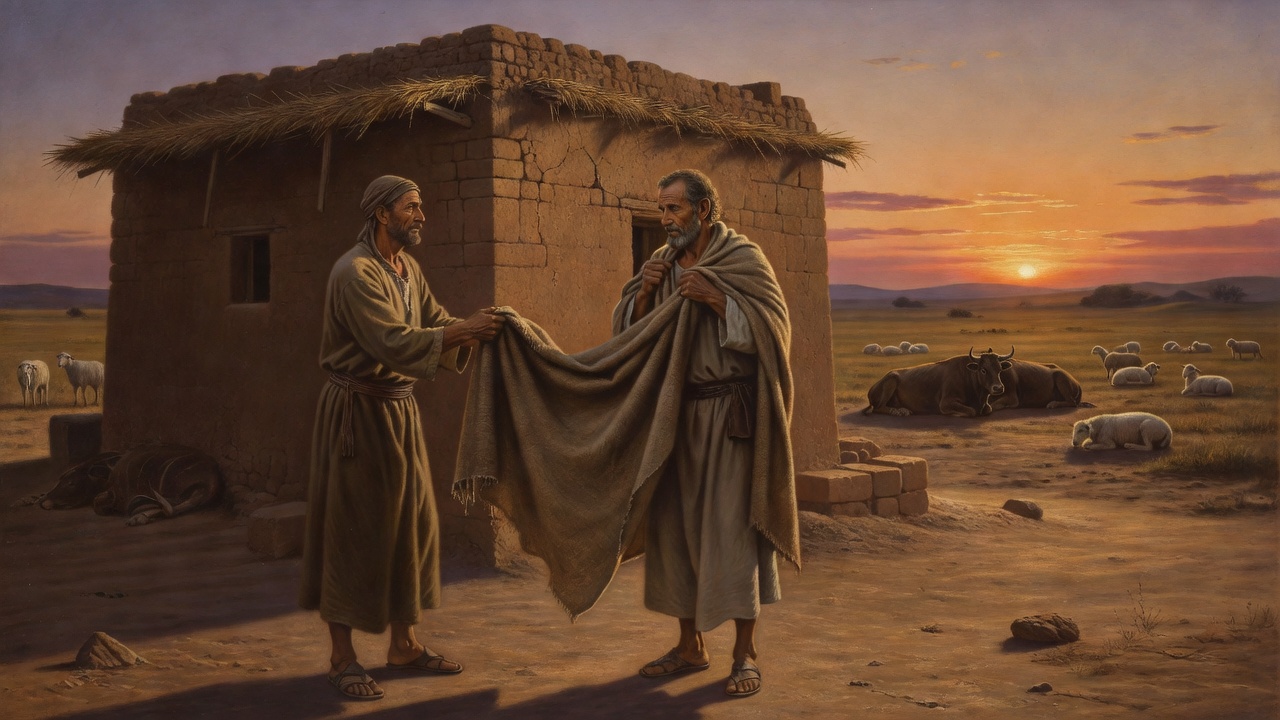
- The people are told not to exploit or oppress a foreign resident, because they themselves were foreigners in Egypt, the land of the Nile. They must not mistreat a widow or an orphan, and they must not charge interest when lending to the poor. A neighbor’s cloak taken as collateral is to be returned by sunset, because it is his only covering for sleep.Sources: the Bible text itself · Egypt
Notes written with AI assistance from open sources (Theographic Bible Metadata, CC BY-SA 4.0; Easton’s Bible Dictionary, public domain) and reviewed before publishing.
Places in this chapter
- Egypt · 30.129, 31.308 · verse 21
Only places identified with high confidence are shown (90% or more according to the scholarly sources compiled by OpenBible). Period map: DARE (Digital Atlas of the Roman Empire), CC BY 4.0; modern map: © OpenStreetMap contributors; places: OpenBible.info (CC BY 4.0).
Credits and license for this translation
Hset Hadròeh
The New Testament in the Hre language of Vietnam, translated by Baq Thi
Copyright © 2024 Baq Thi
Language: (Hre)
This translation is made available to you under the terms of the
Creative Commons Attribution Share-Alike license 4.0.
You have permission to share and redistribute this Bible translation in any format and to make reasonable revisions and adaptations of this translation, provided that:
You include the above copyright and source information.
If you make any changes to the text, you must indicate that you did so in a way that makes it clear that the original licensor is not necessarily endorsing your changes.
If you redistribute this text, you must distribute your contributions under the same license as the original.
Pictures included with Scriptures and other documents on this site are licensed just for use with those Scriptures and documents.
For other uses, please contact the respective copyright owners.
Note that in addition to the rules above, revising and adapting God's Word involves a great responsibility to be true to God's Word. See Revelation 22:18-19.
2026-07-18
Source: http://ebible.org/hrebt/ · eBible.org