Micah 1
परमेश्वर उन वचन · Tap a verse to see its cross-references.
About this book
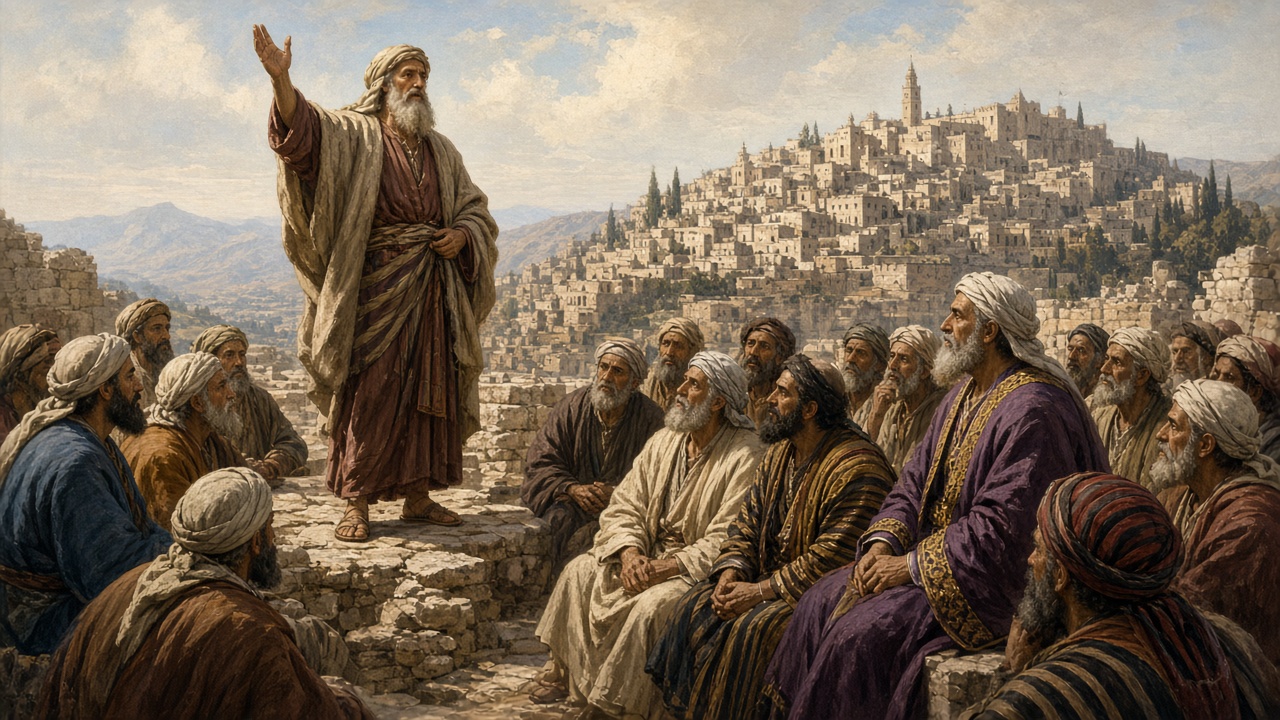
About Micah
- According to the superscription, as Easton's Bible Dictionary (1897) records it, Micah exercised his office in the reigns of Jotham, Ahaz, and Hezekiah. Easton offers two ways of reckoning that ministry: from the beginning of Jotham's reign to the end of Hezekiah's (B.C. 759-698), about fifty-nine years, or from Jotham's death to Hezekiah's accession (B.C. 743-726), only sixteen years.Sources: Easton: Micah, Book of
- Easton's entry on Micah calls him the Morasthite, to distinguish him from Micaiah the son of Imlah. It describes him as a prophet of Judah, a contemporary of Isaiah, and a native of Moresheth of Gath, and notes that very little is known of the circumstances of his life.Sources: Micah
- The kings named in the superscription ruled Judah in succession. Easton says that Jotham, son of Uzziah, reigned in the fear of God and prospered; that Ahaz turned to idolatry and appealed to Tiglath-pileser of Assyria against Rezin of Damascus and Pekah of Israel; and that Hezekiah, Ahaz's son, carried out a reformation to abolish idolatry in Judah, including worship of the bronze serpent.Sources: Jotham · Ahaz · Hezekiah
- Easton's Bible Dictionary (1897) places the book sixth among the so-called minor prophets and describes three sections, each opening with a rebuke, "Hear ye," and closing with a promise: chapters 1-2; chapters 3-5, addressed especially to the princes and heads of the people; and chapters 6-7, in which Jehovah is represented as holding a controversy with his people. The whole concludes with a song of triumph over the great deliverance the Lord will achieve for his people.Sources: Easton: Micah, Book of
- Easton notes that the book opens with words also spoken by Micaiah the son of Imlah: "Hearken, O people, every one of you." He records that the prediction in Micah 5:2 about the place where Christ should be born is quoted in Matthew 2:6, and lists further links: Micah 5:2 with John 7:42, Micah 7:6 with Matthew 10:21, 35-36, and the closing verse, Micah 7:20, with the song of Zacharias in Luke 1:72-73.Sources: Easton: Micah, Book of
Notes written with AI assistance from open sources (Theographic Bible Metadata, CC BY-SA 4.0; Easton’s Bible Dictionary, public domain) and reviewed before publishing.
1यहोवा अन वचन, जो यहूदा अन राजा योताम, आहाज अदिक हिजकिय्याह अन दिनगोळ दा मोरेशेतवासी मीका अक पोहचुस्त, यदरी आव सामरी नगर अदिक यरूशलेम इन बारा दा अरतुन.
सामरिया अदिक यरूशलेम इन साटी विलाप
2हे राज्य राज्य अन सप्पा लॉकुरा, केळी! हे धरती नी आ सप्पा सांगुळ जो नीन दा आद, ध्यान कोळ! यहोवा नीन खिलाप प्रभु तान पवित्र मंदिर दा टु नीन मा गवाही कोळुल. 3यतिकी नोळ, यहोवा तान पवित्र जागा दा टु व्हार्या होळेत्यान, अदिक आव ईळुकु धरती इन ऊचा स्थानगोळ मा नळदान. 4पहाळीगोळ आऊन ल्यालमा गलुसेदाव, अदिक ऊतार भाग हिंग हरदाव, जसा मोम बेक्की इन आच देल, अदिक नीर जो घाट से ल्यालमा वाहुसतद. 5ई सप्पा याकूब उन अपराध अदिक इस्त्राएल इन घराना अन कारण आगतद. याकूब उन अपराध येन आद? येन सामरिया आल्लच? अदिक यहूदा उन ऊचा स्थान येन हुव? येन यरूशलेम आल्लच? 6परमेश्वर अंदुन, ई कारण ना सामरिया अक मैदान इन ढेर माळ बुळाईन, अदिक अंगुर इन बेली बनुसाईन; अदिक ना अऊर कल्लगोळी गड्डा दा ढकलुस बुळाईन, अदिक अदुर्द पायवा कित्त बुळाईन. 7अऊर्द सप्पा माळदव मुर्तीगोळ तुकळा तुकळा माळकु आदव; अदिक जो येनारा आव कसुकु कमुस्यान अद बेक्की देल भस्म माळकु आदीत, अदिक आऊन सप्पा प्रतिमागोळी ना चुरचुर माळाईन; यतिकी वेश्यावृत्ति इन कमाई देला आव अऊर्द जमावळा माळ्यान, अदिक अद मात्त वेश्यावृत्ति घाई कमाई आगेदीत. 8ई कारण ना याद्दा बडुकु हाय, हाय, माळाईन; ना उगळा काल अदिक बिन फळक्या देल ओयाळतोगाईन; ना कोल्यागोळ घाई चिल्लासाईन, अदिक शुतुरमुर्ग उन घाई वर्लाईन. 9यतिकी आऊन घाव यागलु तुम सकाल; अदिक विपत्ति यहूदा मा भी बंदकु बित्त, उलटा आव नान लॉकुर मा बिदकु यरूशलेम इन फाटक ताका पोहचुसेग्याद.
दुश्मन उन यरूशलेम दी वाळुसोद
10गत नगर दा ईदुर्द चर्चा माळबाळी, अदिक वर्लबाळी; बेतआप्रा दा धूलि दा लोटपोट माळी. 11हे शापीर इन ईरावळ्त बिना कपळा अन आगकु निर्लज होटोग; सानान इन ईरावळ्त होळ सकालुर; बेतसेल इन ओर्लोद कारण अदुर्द शरण इन जागा नीन से ताकोमकु आदीत. 12यतिकी मारोत उन ईरावळ्त रा मदत इन हादी काईत काईत दुखी आगेग्यार, यतिकी यहोवा अन दी टु यरूशलेम इन फाटक ताका विपत्ति बंदकु बिदाद. 13हे लाकीश इन ईरावळ्त तान रथगोळ दा वेग देल नळावाळा घ्वाळागोळ जोत्स; नीन देला सिय्योन इन प्रजा अन पाप इन सुरवात आत, यतिकी इस्त्राएल इन अपराध नींदा का कांळ्सकु बिद्दव. 14ई कारण नी गत इन मोरेशेत इक दान कोटकु दुर माळबुट्या; अकजीब इन मान्ना से इस्त्राएल इन राजागोळ ध्वाका अच तिंदार. 15हे मारेशा अन ईरावळती ना मात्त नीन मा ऊंद अधिकारी ठहरूसाईन, अदिक इस्त्राएल इन प्रतिष्ठित लॉकुरी अदुल्लाम इन गुफा दा बरोद बिद्दीत. 16तान प्यारा चिकोर साटी दुख दा तान ताल्ला चुट्टी कोय, उलटा तान पुरा ताल्ला गिधाळ घाई टक्कल माळ कोम, यतिकी आंदुर बन्दी आगकु नीन हात्ती टु होटोग्यार.
Did you know?
Judgment on Samaria and Jerusalem
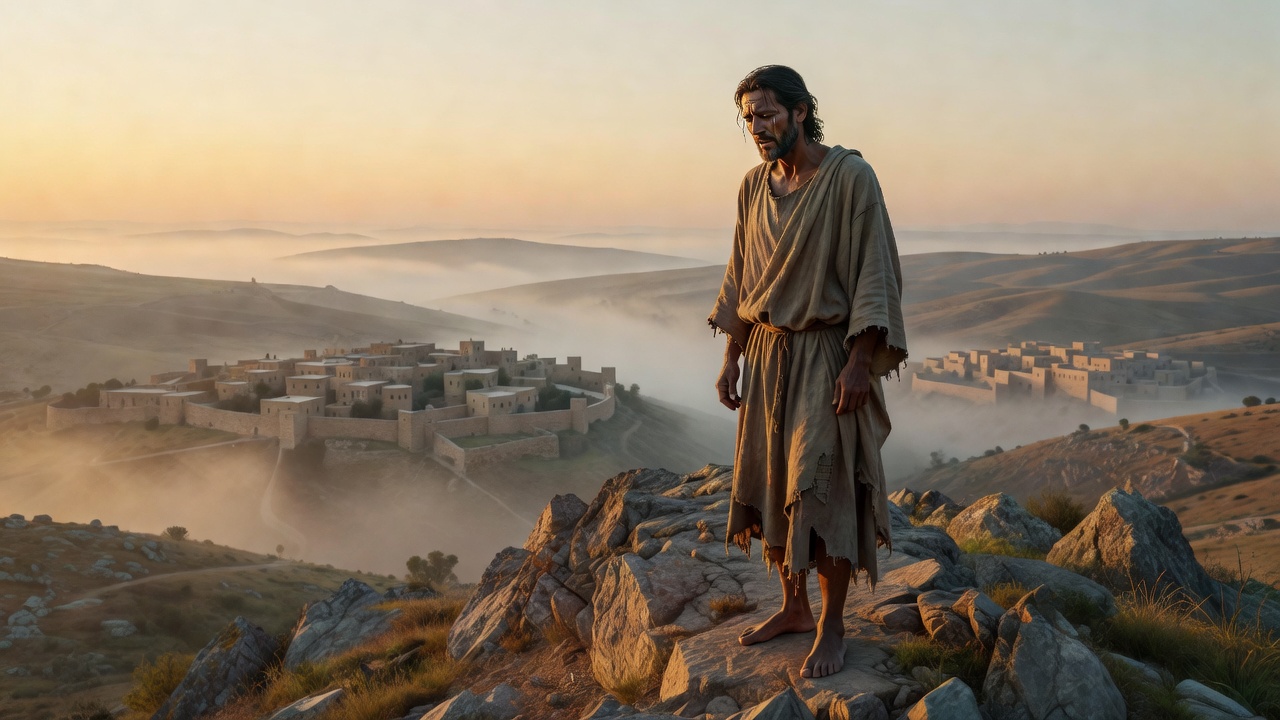
- Micah was a prophet from the town of Moresheth in Judah who ministered during the reigns of kings Jotham, Ahaz, and Hezekiah. His opening message pronounces impending divine judgment on both Samaria, the capital of the northern kingdom of Israel, and Jerusalem, the capital of Judah.Sources: Micah · the Bible text itself
- The chapter includes a poetic lament over several settlements in the Judean foothills and low country, such as Lachish, Zaanan, and Beth-le-aphrah (meaning house of dust, where inhabitants are told to roll in dust). Micah warns that the devastation reaching Samaria would advance directly to the gates of Jerusalem.Sources: Beth-le-aphrah · the Bible text itself
Notes written with AI assistance from open sources (Theographic Bible Metadata, CC BY-SA 4.0; Easton’s Bible Dictionary, public domain) and reviewed before publishing.
Places in this chapter
- Jerusalem · 31.777, 35.234 · verses 1, 5, 9, 12
- Samaria · 32.276, 35.195 · verses 1, 5, 6, 9
- Lachish · Today: Tell ed Duweir · 31.565, 34.849 · verse 13
- Zion · Today: Jerusalem · 31.777, 35.234 · verse 13
- Mareshah · Today: Tel Maresha · 31.593, 34.898 · verse 15
Only places identified with high confidence are shown (90% or more according to the scholarly sources compiled by OpenBible). Period map: DARE (Digital Atlas of the Roman Empire), CC BY 4.0; modern map: © OpenStreetMap contributors; places: OpenBible.info (CC BY 4.0).
Credits and license for this translation
परमेश्वर उन वचन The Holy Bible in the Holiya language of India: परमेश्वर उन खरा वचन copyright © 2020 The Word for the World International Language: Gohllaru (Holiya) Contributor: The Word for the World International परमेश्वर उन वचन हाळोद नियम, 2025 The Old Testament Books in Holiya Language The Word for the World International This translation is made available to you under the terms of the Creative Commons Attribution Share-Alike license 4.0. You have permission to share and redistribute this Bible translation in any format and to make reasonable revisions and adaptations of this translation, provided that: You include the above copyright and source information. If you make any changes to the text, you must indicate that you did so in a way that makes it clear that the original licensor is not necessarily endorsing your changes. If you redistribute this text, you must distribute your contributions under the same license as the original. Pictures included with Scriptures and other documents on this site are licensed just for use with those Scriptures and documents. For other uses, please contact the respective copyright owners. Note that in addition to the rules above, revising and adapting God's Word involves a great responsibility to be true to God's Word. See Revelation 22:18-19. 2025-07-11
Source: http://ebible.org/hoy/ · eBible.org