Psalms 99
Baibal Olcim · Tap a verse to see its cross-references.
Manghai he Cim
1BOEIPA he a manghai coeng dongah, pilnam rhoek loh tlai uh saeh. Cherubim dogah ngol tih, diklai khaw tuen saeh.
2BOEIPA tah Zion ah len tih, pilnam boeih soah pomsang hang.
3Na ming aka tanglue tih, a cim dongah rhih om te uem uh saeh.
4Te dongah manghai kah sarhi loh tiktamnah te a lungnah tih, vanatnah la na sikim sak. Jakob khuiah khaw tiktamnah neh duengnah na saii.
5Mamih kah BOEIPA Pathen he pomsang uh lamtah, a kho taengkah khotloeng cim taengah bawk uh.
6Amah kah khosoih rhoek khuiah Moses neh Aron, a ming a khue khuikah Samuel, amih loh BOEIPA a khue uh vaengah, BOEIPA loh amih te a doo.
7Amih te cingmai tung lamkah a voek tih, amih taengah a paek olphong neh oltlueh te a ngaithuen uh.
8Kaimih kah BOEIPA Pathen namah loh amih te na doo. Amih kah khoboe te phu a loh dae amih taengah khodawk aka ngai Pathen la na om.
9Mamih kah BOEIPA Pathen te pomsang uh lah . Mamih kah BOEIPA Pathen tah a cim dongah, a tlang cim ah bawk uh lah .
Did you know?
The Holy King and His Intercessors
- Psalm 99 is structured around a recurring threefold declaration of God's holiness (verses 3, 5, and 9). It depicts the Lord as a sovereign king enthroned above the cherubim, reigning with justice and equity from Mount Zion.Sources: the Bible text itself · Zion
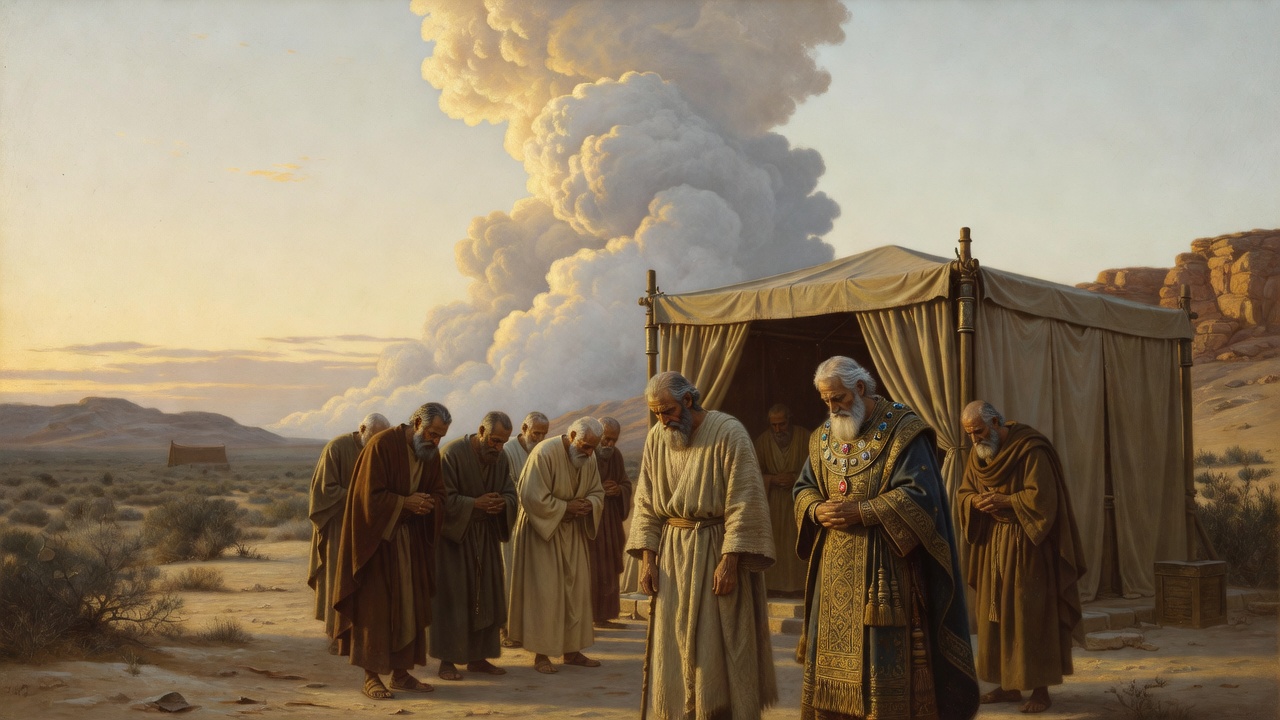
- The psalm highlights Moses, Aaron, and Samuel as exemplary intercessors who called upon God and kept His statutes. It recalls how God answered their cries and communicated from the pillar of cloud, offering forgiveness while maintaining divine justice.Sources: the Bible text itself · Moses · Aaron · Samuel
Notes written with AI assistance from open sources (Theographic Bible Metadata, CC BY-SA 4.0; Easton’s Bible Dictionary, public domain) and reviewed before publishing.
Places in this chapter
Only places identified with high confidence are shown (90% or more according to the scholarly sources compiled by OpenBible). Period map: DARE (Digital Atlas of the Roman Empire), CC BY 4.0; modern map: © OpenStreetMap contributors; places: OpenBible.info (CC BY 4.0).
Credits and license for this translation
Baibal Olcim
The Holy Bible in the Matupi Chin language of Mynmar. Matupi Chin Standard Bible
Public Domain
Language: Matupi Chin (Chin, Matu)
Published in Mynmar, which is not a signatory to international copyright treaties. Copyright may apply locally in Mynmar, where this is released under a Creative Commons Attribution Share-Alike 4.0 license.
2026-09-21
Source: http://ebible.org/hltmcsb/ · eBible.org