Habakkuk 2
Baibal Olcim · Tap a verse to see its cross-references.
BOEIPA kah Hlatnah a Rhing
1Ka tuemkoi dongah ka cak vetih vongup soah khaw ka pai ni. Te vaengah kai taengah metla a thui khaw hmuh ham neh kai kah toelthamnah soah metla thuung ham ka dawn ni.
BOEIPA kah Hlatnah Pabae
2Tedae BOEIPA loh kai n'doo tih, “Mangthui he daek lamtah cabael dongah thuicaih laeh. Te daengah ni aka tae loh te te a yong puei eh.
3Mangthui he tingtunnah ham pueng oe akhaw a bawtnah te thoeng. Uelh cakhaw a laithae mahpawh. Amah te rhing lah ha pawk rhoe ha pawk bitni, uelh mahpawh.
4Calak he a khui ah a hinglu a dueng moenih ne. Tedae aka dueng tah a uepomnah neh hing.
5Misurtui dongah khaw hlang hnukpoh. Moemlal khaw a uem uh moenih. Anih te saelkhui bangla a hinglu ka tih amah khaw dueknah bangla hah tlaih pawh. Te dongah namtom boeih te amah hamla a kol tih pilnam boeih te amah hamla a coi.
Olrhuh Panga
6Amih boeih he amah taengkah moenih a? neh anih te nuettahnah olkael a phueih uh bitni. Te vaengah, “Anunae, amah kah pawt neh me hil nim a kum vetih amah hamla amthah a ludoeng ve,” a ti ni.
7Nang aka tuk rhoek te buengrhuet thoo tih n'haeng vaengah nang n'tonga sak vetih amih kah maehbuem la na om mahpawt nim?
8Namah loh namtom muep na buem dongah khaw, hlang thii phu dongah khaw, khohmuen khorha neh nang n'ngaeh a khui khosa boeih kah kuthlahnah dongah khaw pilnam aka coih boeih loh nang n'buem uh ni.
9Anunae a im hamla aka thae mueluemnah neh aka mueluem tih yoethae kut lamloh huul uh hamla hmuensang ah a bu aka khueh aih.
10Na imkhui kah yahpohnah te na taeng tih pilnam muep na kuet dongah na hinglu tah tholh coeng.
11Te dongah pangbueng lamloh lungto te pang vetih thing dong lamkah yael loh a doo ni.
12Anunae, thii neh kho aka thoong tih dumlai neh khorha aka saelh aih.
13Te te caempuei BOEIPA taeng lamkah moenih a te? Pilnam a kohnue he hmai hamla rhoeh coeng. Namtu loh a poeyoek la a tawnba te rhoeh coeng.
14Tui loh tuitunli soah a khuk bangla BOEIPA kah thangpomnah aka ming te diklai ah bae ni.
15Anunae, kosi na poem te a hui aka tul tih amih a tlingyal te paelki hamla aka rhuihmil sak.
16Thangpomnah lamloh yahpohnah na hah bitni. Namah khaw o lamtah hli vaikhai. BOEIPA bantang kah boengloeng namah taengah m'vael vetih nang kah thangpomnah soah yahrhai na poh bitni.
17Hlang thii long tih khohmuen khorha neh a khuikah khosa boeih sokah kuthlahnah dongah Lebanon kah kuthlahnah loh nang n'khuk vetih rhamsa kah rhoelrhanah loh n'rhihyawp sak ni.
18Mueithuk he balae a hoeikhang? Te te a saek mueihlawn khaw a picai mai. Tedae amah kah benbonah a hlinsai te a pangtung dongah ni mueirhol olmueh saii hamla ni a khuiah a honghi a thuinuet.
19Anunae thing taengah 'Haenghang laeh'ngolsut lungto taengah 'Haenghang laeh' aka ti nah aih. Te loh n'thuinuet tang aya te? Te te sui neh cak la a boh thil. Tedae hil pakhat khaw a khui ah a om moenih ta.
20BOEIPA tah a hmuencim bawkim ah om. Saah lah, diklai pum he a mikhmuh ah om.
Did you know?
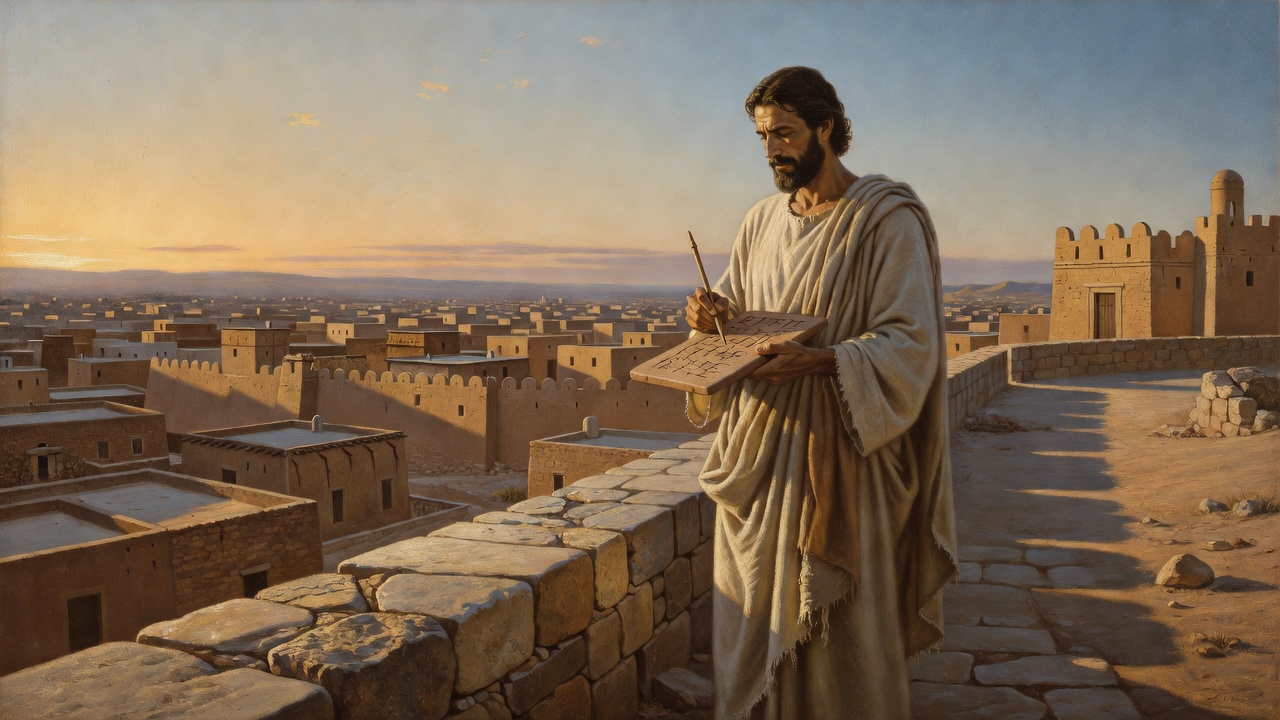
The Vision on the Ramparts and the Five Woes
- Habakkuk depicts himself stationed at a guard post on the city ramparts to await God's answer. The LORD instructs him to write the vision clearly on tablets so that a herald may easily run and proclaim the message.Sources: the Bible text itself
- The chapter pronounces a series of woes against arrogant conquerors who plunder nations, build cities through bloodshed, worship lifeless idols overlaid with gold and silver, and ravage Lebanon, a prominent Syrian mountain range.Sources: Lebanon · the Bible text itself
Notes written with AI assistance from open sources (Theographic Bible Metadata, CC BY-SA 4.0; Easton’s Bible Dictionary, public domain) and reviewed before publishing.
Places in this chapter
- Lebanon · 33.540, 35.584 · verse 17
Only places identified with high confidence are shown (90% or more according to the scholarly sources compiled by OpenBible). Period map: DARE (Digital Atlas of the Roman Empire), CC BY 4.0; modern map: © OpenStreetMap contributors; places: OpenBible.info (CC BY 4.0).
Credits and license for this translation
Baibal Olcim
The Holy Bible in the Matupi Chin language of Mynmar with Strong's numbers
Public Domain
Language: Matupi Chin (Chin, Matu)
Published in Mynmar, which is not a signatory to international copyright treaties. Copyright may apply locally in Mynmar.
2026-07-16
Source: http://ebible.org/hlt/ · eBible.org