Ecclesiastes 6
Baibal Olcim · Tap a verse to see its cross-references.
1Khomik hmuiah ka hmuh he boethae la om tih te te hlang soah yet coeng. 2Pathen loh hlang te a taengah khuehtawn, koeva, neh thangpomnah a paek. Te dongah a ngaidam boeih khui lamloh a hinglu te talh pawh. Tedae te te a caak hamla Pathen loh anih a taemrhai sak moenih. Te te kholong hlang a cah he a honghi neh tloh thae ni. 3Hlang long he yakhat a sak tih kum a yet a hing mai khaming, a kum khohnin khaw muep lo mai khaming. Tedae a hinglu loh hnothen te cung pawt tih phuel ah khaw amah taengah a om pah moenih. Anih lakah aka rhumpu te then lah ka ti. 4Anih te a honghi la ha thoeng tih a hmuep ah a caeh dongah a ming khaw a hmuep ah a vuei pah. 5Khomik hmu pawt mai cakhaw mongnah he tah a tloe loh anih lakah a ming moenih. 6Kum thawngkhat a rhaep la hing sitoe cakhaw hnothen a hmuh hae moenih. Hmuen pakhat la boeih a caeh moenih a? 7Hlang kah thakthaenah boeih he a ka ham ni. Tedae a hinglu khaw a cung tlaih moenih. 8Aka ang lakah aka cueih taengah balae a hoeikhang? Mulhing taengah aka pongpa mangdaeng te balae a ming? 9Hinglu a van lakah tah mik kah a hmuethma he then. He khaw a honghi neh khohli doinah mai ni. 10Mebang khaw aka om coeng te tah a ming oepsoeh la a sui dongah hlang he amah ah ming uh coeng. Tedae amah lakah thaom neh aka khulae taengah tah laitloek ham a noeng moenih. 11Ol muep a lo vaengah a honghi khaw ping tih hlang hamla balae a hoeikhang? 12Hingnah khohnin tarhing kah hingnah dongah a honghi neh khokhawn bangla a khum te hlang hamla metla a then khaw unim aka ming? Khomik hmuiah anih hnukla aka om te hlang taengah ulong a thui thai?
Did you know?
The Vanity of Unsatisfied Wealth
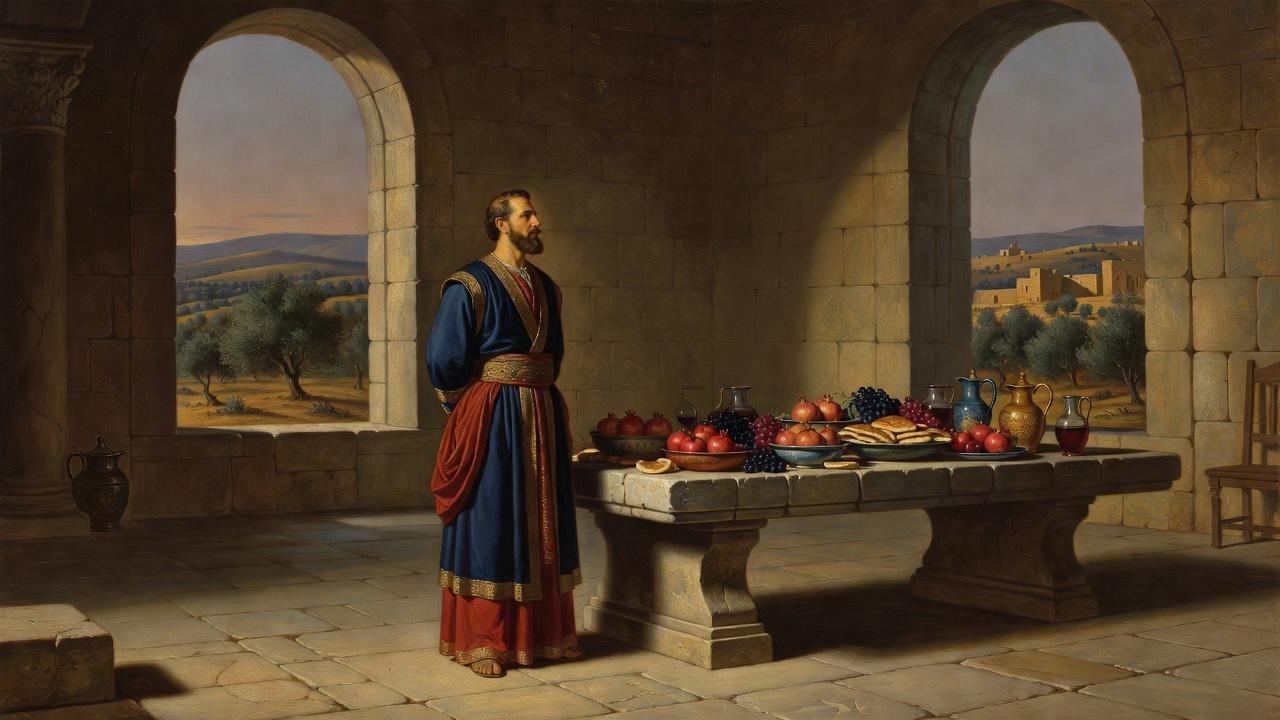
- In ancient thought, having a long life and fathering many children were considered the highest signs of blessing. Ecclesiastes observes, however, that even living two thousand years and fathering a hundred children is hollow if a person cannot enjoy their prosperity or receive a proper burial.Sources: the Bible text itself
- The author points out that although human labor is spent satisfying basic physical needs such as food, human appetite and desire remain continually unfulfilled. He contrasts enjoying what is directly present before the eyes with the ceaseless wandering of unsatisfied cravings.Sources: the Bible text itself
- The chapter emphasizes human limitations, noting that mortals cannot dispute with what has been established by one stronger than they are. Because life is fleeting like a shadow, humans cannot fully know what is truly good for them or foresee what will happen after they are gone.Sources: the Bible text itself
Notes written with AI assistance from open sources (Theographic Bible Metadata, CC BY-SA 4.0; Easton’s Bible Dictionary, public domain) and reviewed before publishing.
Credits and license for this translation
Baibal Olcim
The Holy Bible in the Matupi Chin language of Mynmar with Strong's numbers
Public Domain
Language: Matupi Chin (Chin, Matu)
Published in Mynmar, which is not a signatory to international copyright treaties. Copyright may apply locally in Mynmar.
2026-07-16
Source: http://ebible.org/hlt/ · eBible.org