Ecclesiastes 5
Baibal Olcim · Tap a verse to see its cross-references.
Pathen Taengah Ngaithuen
1Pathen im la na caeh vaengkah bangla na kho neh na khokan te ngaithuen. Te dongah hnatun hamla n'tawn uh he aka ang kah hmueih nawn lakah then. Amih loh boethae a saii te khaw ming uh pawh. 2Pathen mikhmuh ah ol aka thak la na ka te let sak boel lamtah na lungbuei loe boel saeh. Pathen tah vaan ah om tih nang tah diklai ah ni na om. Te dongah na ol yol saeh. 3Bibi a cungkuem vaengah mueimang khaw om tih olka a cungkuem vaengah hlang ang ol la poeh. 4Pathen taengah olcaeng na caeng vaengah na thuung ham uelh boeh. Na caeng bangla a thuung te aka ang kah kongaih moenih. 5Na caeng tih na thuung pawt lakah na caeng pawt te then. 6Na pumsa te tholh sak hamla na ka te khueh boeh. Tohtamaeh kah te puencawn mikhmuh ah thui boeh. Na ol dongah balae tih Pathen thin a toek? Te dongah na kut dongkah bibi te a phae. 7Mueimang a yet vaengah a honghi neh ol khaw yet. Te dongah Pathen te rhih laeh.
Khuehtawn kah Coengnah
8Paeng ah khodaeng hnaemtaeknah khaw, tiktamnah neh duengnah lamloh pitnah na hmuh. Te te ngaihnah dongah khaw na ngaihmang sak boeh. A sang soah a sang la a dawn tih amih lakah sang lah ko. 9Amah khohmuen aka tawn manghai loh a cungkuem dongah khohmuen kah rhoeikhangnah te amah la a dang. 10Tangka aka lungnah khaw tangka hah pawt tih boeinah aka lungnah te khaw a vueithaih a dang moenih. He khaw a honghi mai ni. 11Hnothen a ping ham vaengah te te aka ca rhoek khaw pungtai uh. Te dongah a kungmah te tah a mik loh danyoe sawthong phoeiah tah balae a thoemthainah voel. 12Aka thotat tah a yol akhaw, a yet a caak akhaw a ih tui. Tedae hlanglen kah khobuh long tah amah te ih sak ham pataeng duem sak pawh. 13Boethae a om he khomik hmuiah a tloh la ka hmuh. Khuehtawn he a kungmah loh a ngaithuen akhaw amah yoethaenah ham ni. 14Khuehtawn he bibi thae ah a paltham mai. Te dongah capa a sak akhaw a kut dongah pakhat pataeng a om moenih. 15A manu bung lamloh pumtling ha thoeng tih a caeh vaengah khaw a thoeng vaengkah banglam ni a mael. A thakthaenah lamkah te pakhat pataeng a kut dongah a khuen hamla a phueih moenih. 16Ha thoeng vaengkah bangla voeivang a caeh he khaw boeih thae tih tlo bal. Te dongah khohli hamla a thakthae he anih ham balae a rhoeikhangnah. 17Amah tue khuiah khaw hmaisuep ah a caak tih a tlohtat neh a thinhul ah muep hue a sak. 18Sakthen la caak ham neh ok ham khaw, hnothen a hmuh ham khaw a then la ka hmuh coeng ne. Khomik hmui kah a hingnah khohnin tarhing la a thakthaenah cungkuem neh thakthae. A hingnah te Pathen loh anih taengah amah kah hamsum la a paek. 19Pathen loh hlang boeih te a taengkah khuehtawn neh koeva a paek pai. Te dongah te lamloh a caak ham neh a hamsum a duen ham khaw, a thakthaenah khui lamloh kohoe sak ham khaw a taemrhai. He tah Pathen kah kutdoe rhoe ni. 20Pathen loh kohoenah neh a lungbuei a phaep pah dongah a hingnah khohnin te puet poek pawh.
Did you know?
Reverence, Justice, and the Limits of Wealth
- The author cautions against hasty speech in worship, reminding worshippers that God is in heaven while mortals are on earth. Vows made to God were considered serious commitments; the text warns that delaying or failing to fulfill a vow is foolish, making it better not to make a vow at all.Sources: the Bible text itself
- When addressing injustice and the oppression of the poor within a province, the author points to layered government bureaucracy, where each official is watched by a higher authority. Despite this administrative hierarchy, all tiers, including the king, ultimately depend on the produce of the fields.Sources: the Bible text itself
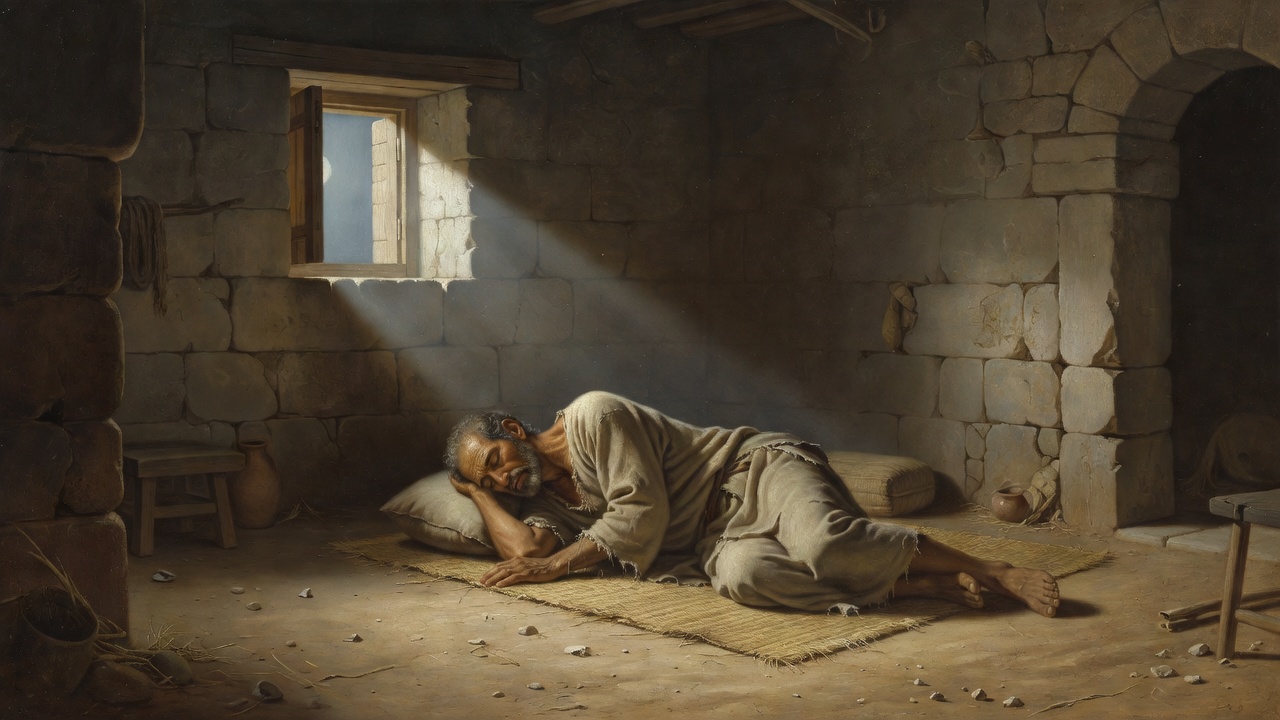
- The chapter contrasts the restless sleeplessness of the wealthy with the sweet sleep of a common laborer, noting that the pursuit of riches brings no lasting satisfaction. True contentment comes when a person accepts their lot and enjoys food, drink, and honest labor as gifts from God.Sources: the Bible text itself
Notes written with AI assistance from open sources (Theographic Bible Metadata, CC BY-SA 4.0; Easton’s Bible Dictionary, public domain) and reviewed before publishing.
Credits and license for this translation
Baibal Olcim
The Holy Bible in the Matupi Chin language of Mynmar with Strong's numbers
Public Domain
Language: Matupi Chin (Chin, Matu)
Published in Mynmar, which is not a signatory to international copyright treaties. Copyright may apply locally in Mynmar.
2026-07-16
Source: http://ebible.org/hlt/ · eBible.org