Psalms 130
KAKAƗYARI NIUKIEYA XAPAYARI WIXARIKAKƗ · Tap a verse to see its cross-references.
Ku'uwamete wakwikari.
1Yawé, ne yemekɨ 'ekɨ karima nepɨmetsihahɨawe
waɨkawa netiuka'eniwatɨ kwie 'ameukatewatsie.
2Ti'aitame, neniuki keneu'eni.
Yemekɨ heitseriemekɨ keneneu'eni waɨkawamekɨ kenemetiwawirie.
3'Ekɨ Yawé, xɨka naime ke'axatemɨte'uyurikɨ pekatatsixeiriekake,
Yawé, ¿kamɨtsɨ kemɨ'ane hetsie pɨkatiuhɨiyawe?
4Peru 'ekɨ pepɨtareuyehɨwiriwa,
'ayumieme peuyewetse temɨmetsi'ayemakaxenikɨ.
5Ne Yawé nepɨtakwewie, ne'iyarikɨ naimekɨ nekanitakwewieka,
niukieya kemaine mɨpaɨ nepɨtita'ikwewa.
6Ne'iyarikɨ naimekɨ Yawé nepɨtakwewie,
matsi waɨkawa tehɨwemete kememɨkateta'ikwewa ximeri mayanikɨ.
Tehɨwemete ximeri kememɨtetakwewie hepaɨ,
7xemeta mɨpaɨ, 'ixaheritsixi, Yawé xeketenetakwewieka.
Hetsiena waɨkawa naki'eriya muxuawekɨ,
meta mɨkɨ yurikɨ tatsixɨname mɨhɨkɨkɨ.
8Mɨkɨ 'ixaheritsixi kaniwaxɨnamɨkɨ
naime ke'axamemɨte'uyuri hepaɨtsita.
Did you know?
A Cry from the Depths and Hope for Redemption
- Psalm 130 is identified in its opening heading as a song of ascents, beginning with a personal plea from the depths where the speaker acknowledges that no one could stand if the LORD kept track of iniquities.Sources: the Bible text itself
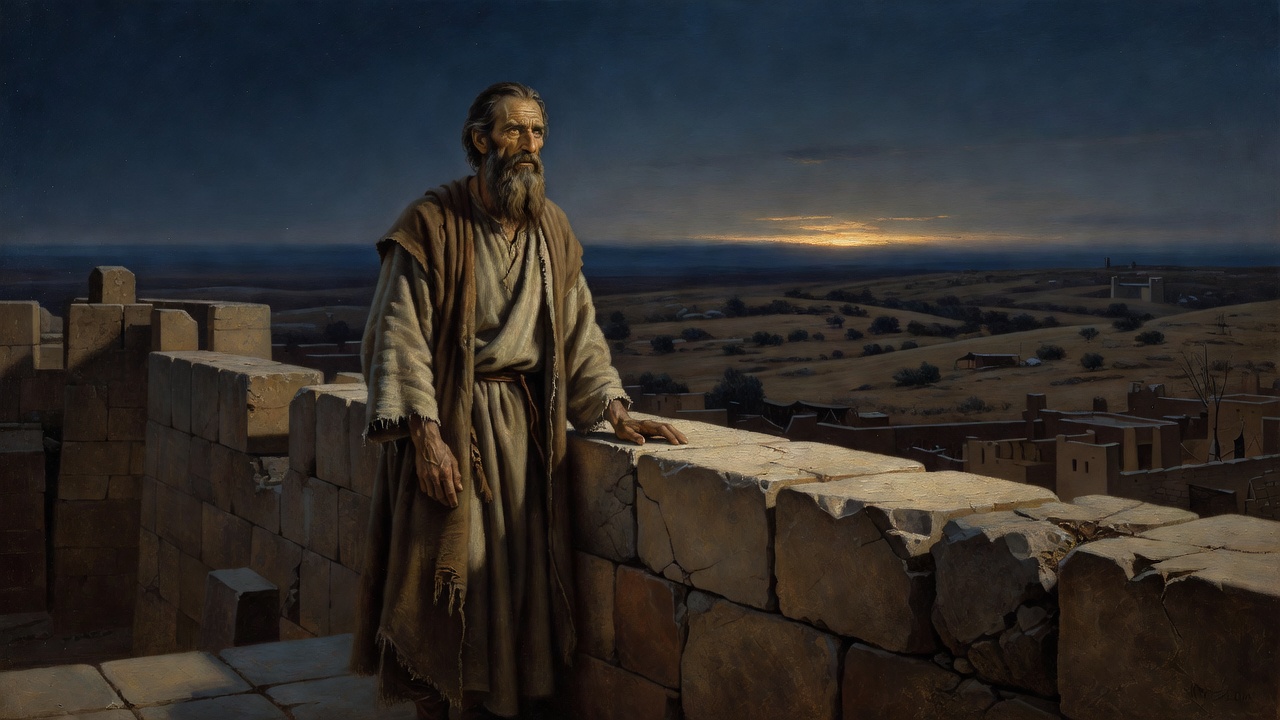
- The psalm uses the vivid image of night watchmen eagerly waiting for the morning light to describe deep longing and patience for the Lord, before expanding this hope to all of Israel for full redemption from iniquity.Sources: the Bible text itself
Notes written with AI assistance from open sources (Theographic Bible Metadata, CC BY-SA 4.0; Easton’s Bible Dictionary, public domain) and reviewed before publishing.
Places in this chapter
- Jerusalem · 31.777, 35.234 · verse 1
Only places identified with high confidence are shown (90% or more according to the scholarly sources compiled by OpenBible). Period map: DARE (Digital Atlas of the Roman Empire), CC BY 4.0; modern map: © OpenStreetMap contributors; places: OpenBible.info (CC BY 4.0).
Credits and license for this translation
KAKAƗYARI NIUKIEYA XAPAYARI WIXARIKAKƗ
The Holy Bible in the in Huichol language of Mexico, 2020 edition
La Santa Biblia en lengua huichol de México, edición 2020
copyright © 2020 Wycliffe Bible Translators, Inc.
Language: Huichol
Translation by: Wycliffe Bible Translators, Inc.
Huichol [hch], Mexico
Copyright Information
© 1988-2020, Wycliffe Bible Translators, Inc.
This translation text is made available to you under the
terms of the Creative Commons License: Attribution-Noncommercial-No Derivative Works.
( http://creativecommons.org/licenses/by-nc-nd/3.0/ )
In addition, you have permission to port the text to different file formats, as long as you
do not change any of the text or punctuation of the Bible.
You may share, copy, distribute, transmit, and extract portions
or quotations from this work, provided that you include the above copyright
information:
You must give Attribution to the work.
You do not sell this work for a profit.
You do not make any derivative works that change any of the actual words or punctuation of the Scriptures.
Permissions beyond the scope of this license may be
available if you contact
us with your request.
The Holy Bible
in Huichol
© 1988-2020, Wycliffe Bible Translators, Inc.
This translation is made available to you under the terms of the
Creative Commons Attribution-Noncommercial-No Derivatives license 4.0.
You may share and redistribute this Bible translation or extracts from it in any format, provided that:
You include the above copyright and source information.
You do not sell this work for a profit.
You do not change any of the words or punctuation of the Scriptures.
Pictures included with Scriptures and other documents on this site are licensed just for use with those Scriptures and documents.
For other uses, please contact the respective copyright owners.
2025-09-03
Source: http://ebible.org/hch/ · eBible.org