Amos 6
KAKAƗYARI NIUKIEYA XAPAYARI WIXARIKAKƗ · Tap a verse to see its cross-references.
1Xɨa'ui xeme Kerutsareme xemɨtama kayuwatɨ xemexeiya,
xɨa'ui meta xeme Tsamariya hɨriyaritsie xemɨtama 'aixɨa 'iyari xemu'uwa.
Xɨa'ui xeme xemɨmamariwawe 'ikɨ kwieyaritsie xemu'uwa,
teɨteri 'ixaheritsixi memɨxe'ayexeiya xeikɨa.
2Karine xekenehu, xekenexeiya,
manata Kamati mɨmariwe hetsie xekenehu,
metatsiere Kahati xekenehu piritsiteutsixi wakiekaritsie.
¿Kamɨtsɨ xeme matsi waɨkawa xetemamariwawe keyuri mɨkɨ te'aitamete,
matsi xekwieyari 'atiyewa?
3Xeme mɨpaɨ xepɨtemate 'uximatɨarika tukariyari xe'uku'eirieme xepuyu'erie,
matsi te'aitamete memɨxekwinikɨ hurawa xekaniuhuni.
4Xeme hupume witsimɨ'anenetsie xemahipite 'eripanite 'awateyakɨ ra'utɨkaime,
xe'uheitɨ xepaka'iyuniwa,
muxatsi 'aixɨa memɨ'anene xemɨwakwa'a
meta tsikerutsixi memɨwaiyatɨarietɨka,
5Rawiri hepaɨ xeikɨa,
kwikari xepɨ'aita kaitsa hayuanekaku,
meta xepinetɨa tiyuitɨwamete yukɨ 'aneneme,
6winu xepɨye'e watsu 'amɨneneta
meta witsimu'ɨa xepɨyutiwiriwa 'aixɨa mɨ'ane,
xekayu'iyaritɨatɨ Kutse kemɨtika'unarieni,
7xeme meri xe'anuyetetɨ xekananuhapaniekuni,
mɨpaɨ katineutiparimɨkɨ 'ikwai memuxuawitɨa 'atsimekateyurietɨ.
8Yawé naimekɨmɨyɨwe mɨpaɨ kaniutayɨni yɨhɨritɨatɨ,
Yawé Kakaɨyari Naimekɨmɨtɨrɨkaɨye mɨpaɨ kanaineni:
«'Ixaheritsixi kememɨteyuti'ɨre nepɨxani'erie,
waparatsiyu nepu'uxiwe'erie,
'ayumieme wakiekari nepɨyetuani mɨwaraye'unie hetsɨa,
meta naime mana mɨtiyepine».
9Mɨpaɨ katiniyɨmɨkɨ xɨka xeikiiyarita tamamata teɨteri meyuhayewa, mɨkɨ yunaitɨ mekanikwikuni. 10Kepauka memɨ'axɨani mɨkite mewaku'ɨtɨwetɨ mewatitaiyake, xewitɨ mɨpaɨ katinitahɨawimɨkɨ yu'iwa: «¿Xewitɨ 'akuxi 'ahamatɨa tiuyeika?» 'Iya mɨpaɨ katinita'eiyamɨkɨ: «Hawaikɨ». Hikɨta mɨpaɨ katinitahɨawimɨkɨ: «Kayuwatɨ». Yawé kemɨtitewa tepɨka'ikuxatani».
11Neuxei, Yawé katini'aitani
mɨta'unarienikɨ kii 'amɨpa 'etsipepetɨ kanitaxɨriexɨamɨkɨ
meta kii 'etsimupepe kanika'unamɨkɨ.
12¿Kamɨtsɨ kawayutsixi 'aitsie mete'utinanautsa yatɨni
'ayeparitsie tuurutsixi metekwietsana?
Peru xeme 'aixɨa mɨti'ane 'uaye mumɨya xepayeitɨa,
meta tita mɨtiheitserie 'ikwaxi hatsiwime xepayeitɨa.
13Xeme xepɨyutemamawie Ru-Rewaxi kiekariyari xema'iwaxɨkɨ,
mɨpaɨ xeputiyuane: «¿Tatɨrɨkariyakɨ tepɨte'uyuri
Kaxinahini tema'iwaxɨ?»
14«'Ayumieme, 'ixaheritsixi
xehetsɨa xeime nepanunɨ'ani
mɨmatita'aitɨanikɨ waɨriyarika Rewu-Kamati xeyeta,
meta 'Arawa 'akiyari manuyeka xehetɨapai ye'atɨkaime»,
Yawé mɨpaɨ kanaineni, Kakaɨyari Naimekɨmɨtɨrɨkaɨye.
Did you know?
Complacency and Impending Exile
- Amos addresses the ruling elite who felt secure in both Zion, the fortified hill of Jerusalem, and Mount Samaria, the capital of the northern kingdom built on an elevated summit by King Omri. Despite the natural defenses and prestige of these cities, their leaders are warned that their ease and overconfidence would end in captivity.Sources: Zion · Samaria · the Bible text itself
- The prophet challenges Israel to look at renowned foreign cities such as Calneh near the Euphrates, Hamath on the Orontes in Upper Syria, and the Philistine stronghold of Gath. These neighboring powers were neither smaller nor less protected, yet they could not escape destruction.Sources: Calneh · Hamath · Gath · the Bible text itself
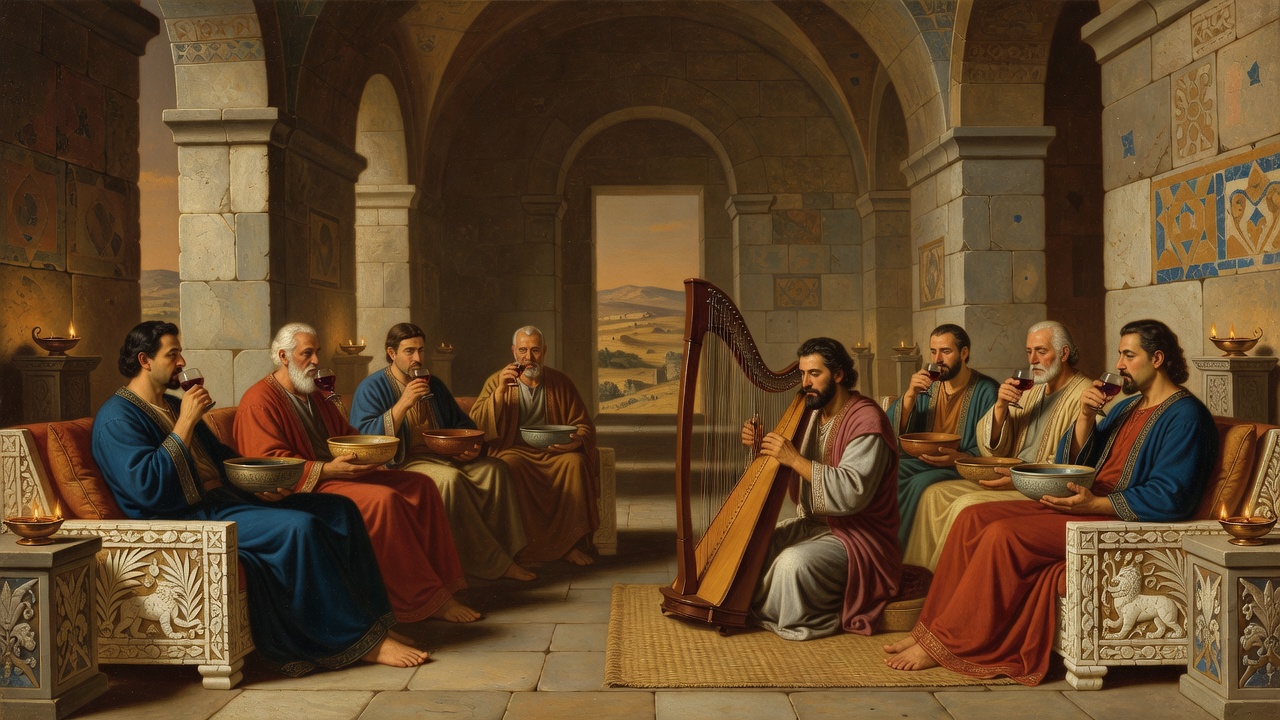
- Amos criticizes the aristocracy for indulging in extravagant banquets, resting on beds inlaid with ivory, and improvising music on harps like David, all while ignoring the impending ruin of Joseph. The name Joseph here designates the northern tribes of Israel, whose moral decay and social injustice were neglected by their wealthy leaders.Sources: David · Joseph (son of Jacob) · the Bible text itself
Notes written with AI assistance from open sources (Theographic Bible Metadata, CC BY-SA 4.0; Easton’s Bible Dictionary, public domain) and reviewed before publishing.
Places in this chapter
- Samaria · 32.276, 35.195 · verses 1, 8
- Zion · Today: Jerusalem · 31.777, 35.234 · verse 1
- Hamath · Today: Hama · 35.136, 36.750 · verse 2
- Philistia · 31.664, 34.546 · verse 2
Only places identified with high confidence are shown (90% or more according to the scholarly sources compiled by OpenBible). Period map: DARE (Digital Atlas of the Roman Empire), CC BY 4.0; modern map: © OpenStreetMap contributors; places: OpenBible.info (CC BY 4.0).
Credits and license for this translation
KAKAƗYARI NIUKIEYA XAPAYARI WIXARIKAKƗ
The Holy Bible in the in Huichol language of Mexico, 2020 edition
La Santa Biblia en lengua huichol de México, edición 2020
copyright © 2020 Wycliffe Bible Translators, Inc.
Language: Huichol
Translation by: Wycliffe Bible Translators, Inc.
Huichol [hch], Mexico
Copyright Information
© 1988-2020, Wycliffe Bible Translators, Inc.
This translation text is made available to you under the
terms of the Creative Commons License: Attribution-Noncommercial-No Derivative Works.
( http://creativecommons.org/licenses/by-nc-nd/3.0/ )
In addition, you have permission to port the text to different file formats, as long as you
do not change any of the text or punctuation of the Bible.
You may share, copy, distribute, transmit, and extract portions
or quotations from this work, provided that you include the above copyright
information:
You must give Attribution to the work.
You do not sell this work for a profit.
You do not make any derivative works that change any of the actual words or punctuation of the Scriptures.
Permissions beyond the scope of this license may be
available if you contact
us with your request.
The Holy Bible
in Huichol
© 1988-2020, Wycliffe Bible Translators, Inc.
This translation is made available to you under the terms of the
Creative Commons Attribution-Noncommercial-No Derivatives license 4.0.
You may share and redistribute this Bible translation or extracts from it in any format, provided that:
You include the above copyright and source information.
You do not sell this work for a profit.
You do not change any of the words or punctuation of the Scriptures.
Pictures included with Scriptures and other documents on this site are licensed just for use with those Scriptures and documents.
For other uses, please contact the respective copyright owners.
2025-09-03
Source: http://ebible.org/hch/ · eBible.org