Amos 5
KAKAƗYARI NIUKIEYA XAPAYARI WIXARIKAKƗ · Tap a verse to see its cross-references.
Mari'itɨarika meta heiwerika
1'Ikɨ niuki xekeneu'eni, 'ixaheritsixi teɨteriyari,
'ikɨ heiwerika kwikariyari 'ahetsiemieme neminɨawa:
2«'Ari 'Ixaheri 'uka 'ɨimari kanatiweni,
tawariri pɨka'anukukeni,
yukwiepa kaniukani,
pumaweni kemɨ'ane menukuhana».
3Yawé naimekɨmɨyɨwe mɨpaɨ 'Ixaheri kwieyari katinahɨaweni:
«'Iya kiekari kuyaxa mɨwewienekai xeimiriyari warawitɨtɨ kuyaxi
mɨkɨ xeitsienituyari warexeiyatɨ xeikɨa payani,
meta xeitsienituyari kuyaxi warawitɨtɨ muyumienekai
tamamata xeikɨa warexeiyatɨ kanayeimɨkɨ».
4Yawé mɨpaɨ 'Ixaheri kwieyari katinahɨaweni:
«Xekeneneutiwawa hikɨ 'ana xe'ayeyuyuritɨ xepakɨne.
5Peru Weteri xepɨkaheta'axeni,
meta Kirikari xepɨkahekɨkani,
meta Weritsewa xepɨka'uyekɨkani,
mɨkɨ Kirikari kananuhaniemɨkɨ 'ateewa paitɨ,
meta Weteri, nitixaɨtɨ pɨkarayeitɨarieni».
6Yawé xekeneutiwawa xe'ayeyuyuritɨ xemakɨnekɨ,
kapa mɨkɨ tai hepaɨ 'anetɨ 'ukawenikɨ,
Kutse nuiwarimama wahetsie,
tai Weteri kaniutataiyaweni
nixewitɨ pɨka'itɨwe.
7Xeme tita mɨtiheitserie ratsiwime xepɨtehayeitɨwa
meta 'aixɨa mɨti'ane kwiepa xepehɨpa.
8Yawé Tsimanixi meta Terɨka puwarutiwewi,
yɨriya xawatɨriya payeitɨwa
meta tukari tɨkari payeitɨwa.
Mɨkɨ haa haramaratsie mieme putahɨawe
'ana kwie pukahatuiya.
Mɨkɨ Yawé katinitewaka.
9Mɨkɨ, naime 'aixɨa mɨrekukurarutɨiyarie nitixaɨtɨ pɨkarayeitɨwa
meta kii mɨmamariwawe 'u'unime payeitɨwa.
10Xeme xepi'uxiwe'erie tita mɨtiheitserie hetsie munua 'itsɨkate wahɨxie
meta xepixani'erie kemɨ'ane yurikɨ mɨtikuxata.
11Haweri memɨ'anene xemɨwaketsitɨwekɨ
meta waɨkawa 'anamanemekɨ xemɨtewawawirie 'ikukɨ meteyutuakaku,
'ayumieme xeme yutetexi kiiyarita xepɨka'ayeyaxe xemitiwewi,
meta winu xepɨka'anu'ieni yukaxietsie mieme xemika'e.
12Ne nepɨtimate kepaɨmeme xemɨte'apine,
pɨmɨireri ke'axaxemɨte'uyuri.
Xeme xepɨwananaima heitseriemekɨ yamemɨtekahu, waɨriyarika xepɨtewawawirie
meta 'itsɨkate wahɨxie mɨreuyehɨwa xepekahɨpa.
13'Ayumieme mɨya mɨ'anekɨ mɨtimaiwe kayuwatɨ pɨta puyeika,
'ikɨ tukari 'aixɨa mɨka'anenekɨri.
14'Aixɨa mɨti'ane xeketenekuwawa 'axamɨti'ane xepɨkatewautɨweni, hikɨ 'ana xepu'uwani,
mɨpaɨ xe'anenekaku Yawé Kakaɨyari Naimekɨmɨtɨrɨkaɨye xehamatɨa puyeikani,
xeme kexemaitɨka.
15'Axamɨti'ane xeketenexani'erieka matsi 'aixɨa mɨti'ane xeketenenaki'erieka.
Tita mɨtiheitserie keti'aitani memati'iwawiyarɨwatsie,
mɨpaɨ heiwatɨ Yawé, Kakaɨyari Naimekɨmɨtɨrɨkaɨye,
Kutse nuiwarimama memuyuhayewatɨwe warutinenimayata.
16'Ayumieme Yawé naimekɨmɨyɨwe, Kakaɨyari Naimekɨmɨtɨrɨkaɨye mɨpaɨ kanaineni:
«Naitsarie teɨteri memayukuxexeɨriwatsie kani'enieriemɨkɨ hiwerika,
meta naitsarie kayetetsie 'uximatɨarika hiwariyari puxuaweni.
Memɨte'uximayatatɨwe yu'etsita mepɨta'inierieni memɨyuhiweriekakɨ,
meta waɨkawa memeutatsuawawe mepɨta'inierieni memɨtitsuanikɨ memɨwahiweritɨanikɨ.
17Pɨ'enierieni tsuari naitsarie kaxie haraweriyaritetsie
kepauka ne mana 'ahetsɨa nemunuani»,
Yawé mɨpaɨ kanaineni.
18Xɨa'ui xeme, kekuta tekanitakwewieka,
xemaitɨka Yawé munuanikɨ.
'Ana kuhekɨareke xepɨka'erieka
matsi yɨriya kaninuamɨkɨ 'axa'anemekɨ.
19Mɨpaɨ katiniyɨmɨkɨ xewitɨ maye 'umakarɨmetɨ
matsi hutse pɨta mitakwani hepaɨ,
yatɨni xewitɨ nuame yukie
yukitenie mɨrawiyakekai
kuu hetsie mumei mikei hepaɨ.
20Yawé munuanitsie pɨkakuhekɨare matsi pɨkɨyɨre.
Yurikɨ temawierika pɨkaxuaweni matsi pɨta nutuixiya puxuaweni.
21«Ne nepi'uxiwe'erie 'ixɨarari kexemɨte'ayexeiya,
nepɨkanaki'a tsepa patsiekamekɨ xemɨyukuxexeɨriwa nehetsiemieme.
22Tsepa xemɨnetsi'atɨiriwa mawari taiyariyari meta hatsi mawariyari,
ne nepɨka'itanaki'erieni,
meta nepɨkaxe'enieni
tsepa tsikeru xemɨnetsi'utimawiri 'aixɨa temɨteyuxeiyanikɨ mawariyari.
23'Akwikari pepɨkanetsi'enitsitɨaka,
'akanari yuariyaya nepɨkaheu'enimɨkɨ.
24Matsi pɨta 'aixɨa mɨti'ane kexuaweni,
mɨtiheitserie ke'uhaneni haixa mɨka'ukawauke hepaɨ.
25»Teɨteri 'ixaheritsixi, mawari xepɨkanetsi'uwewiri meta 'imikieri,
makumawetsie xe'uhutɨ huta tewiyari wiyari.
26Hikɨ xeme xekanititɨkuni Tsikuti 'ɨkiyari ti'aitame xemɨte'iterɨwa,
metatsiere Kiyuni,
xurawetsixi wa'ɨkiyari
xemetɨtɨ xemɨwarutiwewi.
27Hikɨ nekanixe'anunɨ'amɨkɨ xemanuhapanienikɨ Ramatsiku yeta paitɨ»,
Yawé mɨpaɨ kanaineni, Kakaɨyari Naimekɨmɨtɨrɨkaɨye mɨtitewa.
Did you know?
A Call to Justice and Lamentation
- Amos urged the northern kingdom of Israel not to seek ancient pilgrimage sites such as Bethel, Gilgal, or Beersheba, warning that these sanctuaries would not save them from destruction. Bethel and Gilgal were prominent historical worship centers, while Beersheba lay far to the south, but the prophet insisted that ritual devotion at these locations was worthless without moral obedience.Sources: the Bible text itself · Bethel (of Palestine) · Gilgal · Beersheba
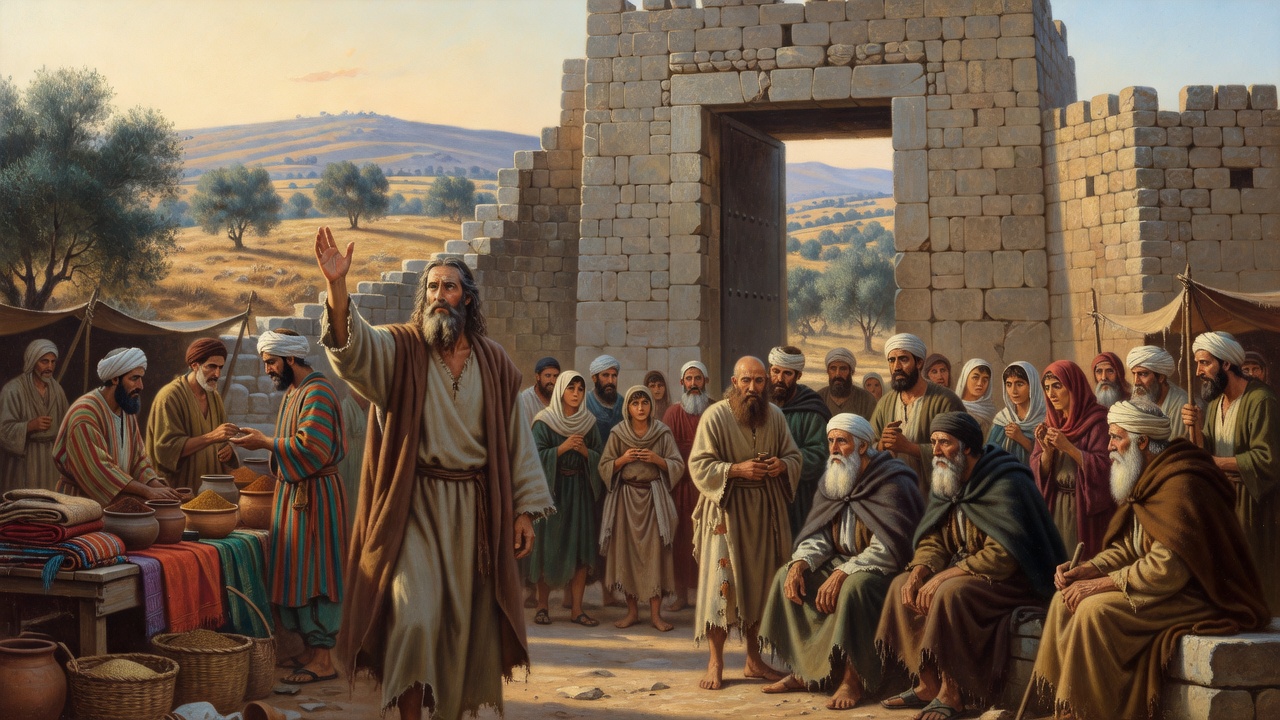
- In ancient Israelite cities, the gate served as the primary civic and judicial center where legal disputes were heard and elders administered justice. Amos condemned the ruling elite for accepting bribes, silencing honest witnesses, and trampling the rights of the poor in these legal assemblies.Sources: the Bible text itself
- The warning that Israel would be exiled beyond Damascus pointed to a coming defeat and deportation far northeast of the ancient Syrian capital. Damascus was a major political and commercial power located north of Jerusalem, marking a key geographical boundary for northern campaigns.Sources: the Bible text itself · Damascus
Notes written with AI assistance from open sources (Theographic Bible Metadata, CC BY-SA 4.0; Easton’s Bible Dictionary, public domain) and reviewed before publishing.
Places in this chapter
- Damascus · 33.511, 36.306 · verse 27
Only places identified with high confidence are shown (90% or more according to the scholarly sources compiled by OpenBible). Period map: DARE (Digital Atlas of the Roman Empire), CC BY 4.0; modern map: © OpenStreetMap contributors; places: OpenBible.info (CC BY 4.0).
Credits and license for this translation
KAKAƗYARI NIUKIEYA XAPAYARI WIXARIKAKƗ
The Holy Bible in the in Huichol language of Mexico, 2020 edition
La Santa Biblia en lengua huichol de México, edición 2020
copyright © 2020 Wycliffe Bible Translators, Inc.
Language: Huichol
Translation by: Wycliffe Bible Translators, Inc.
Huichol [hch], Mexico
Copyright Information
© 1988-2020, Wycliffe Bible Translators, Inc.
This translation text is made available to you under the
terms of the Creative Commons License: Attribution-Noncommercial-No Derivative Works.
( http://creativecommons.org/licenses/by-nc-nd/3.0/ )
In addition, you have permission to port the text to different file formats, as long as you
do not change any of the text or punctuation of the Bible.
You may share, copy, distribute, transmit, and extract portions
or quotations from this work, provided that you include the above copyright
information:
You must give Attribution to the work.
You do not sell this work for a profit.
You do not make any derivative works that change any of the actual words or punctuation of the Scriptures.
Permissions beyond the scope of this license may be
available if you contact
us with your request.
The Holy Bible
in Huichol
© 1988-2020, Wycliffe Bible Translators, Inc.
This translation is made available to you under the terms of the
Creative Commons Attribution-Noncommercial-No Derivatives license 4.0.
You may share and redistribute this Bible translation or extracts from it in any format, provided that:
You include the above copyright and source information.
You do not sell this work for a profit.
You do not change any of the words or punctuation of the Scriptures.
Pictures included with Scriptures and other documents on this site are licensed just for use with those Scriptures and documents.
For other uses, please contact the respective copyright owners.
2025-09-03
Source: http://ebible.org/hch/ · eBible.org