Ecclesiastes 8
כתבי הקודש · Tap a verse to see its cross-references.
1מִ֚י כְּהֶ֣חָכָ֔ם וּמִ֥י יוֹדֵ֖עַ פֵּ֣שֶׁר דָּבָ֑ר חָכְמַ֤ת אָדָם֙ תָּאִ֣יר פָּנָ֔יו וְעֹ֥ז פָּנָ֖יו יְשֻׁנֶּֽא׃ 2אֲנִי֙ פִּי־מֶ֣לֶךְ שְׁמ֔וֹר וְעַ֕ל דִּבְרַ֖ת שְׁבוּעַ֥ת אֱלֹהִֽים׃ 3אַל־תִּבָּהֵ֤ל מִפָּנָיו֙ תֵּלֵ֔ךְ אַֽל־תַּעֲמֹ֖ד בְּדָבָ֣ר רָ֑ע כִּ֛י כָּל־אֲשֶׁ֥ר יַחְפֹּ֖ץ יַעֲשֶֽׂה׃ 4בַּאֲשֶׁ֥ר דְּבַר־מֶ֖לֶךְ שִׁלְט֑וֹן וּמִ֥י יֹֽאמַר־ל֖וֹ מַֽה־תַּעֲשֶֽׂה ׃ 5שׁוֹמֵ֣ר מִצְוָ֔ה לֹ֥א יֵדַ֖ע דָּבָ֣ר רָ֑ע וְעֵ֣ת וּמִשְׁפָּ֔ט יֵדַ֖ע לֵ֥ב חָכָֽם׃ 6כִּ֣י לְכָל־חֵ֔פֶץ יֵ֖שׁ עֵ֣ת וּמִשְׁפָּ֑ט כִּֽי־רָעַ֥ת הָאָדָ֖ם רַבָּ֥ה עָלָֽיו׃ 7כִּֽי־אֵינֶ֥נּוּ יֹדֵ֖עַ מַה־שֶּׁיִּֽהְיֶ֑ה כִּ֚י כַּאֲשֶׁ֣ר יִֽהְיֶ֔ה מִ֖י יַגִּ֥יד לֽוֹ׃ 8אֵ֣ין אָדָ֞ם שַׁלִּ֤יט בָּר֙וּחַ֙ לִכְל֣וֹא אֶת־הָר֔וּחַ וְאֵ֤ין שִׁלְטוֹן֙ בְּי֣וֹם הַמָּ֔וֶת וְאֵ֥ין מִשְׁלַ֖חַת בַּמִּלְחָמָ֑ה וְלֹֽא־יְמַלֵּ֥ט רֶ֖שַׁע אֶת־בְּעָלָֽיו׃ 9אֶת־כָּל־זֶ֤ה רָאִ֙יתִי֙ וְנָת֣וֹן אֶת־לִבִּ֔י לְכָֽל־מַעֲשֶׂ֔ה אֲשֶׁ֥ר נַעֲשָׂ֖ה תַּ֣חַת הַשָּׁ֑מֶשׁ עֵ֗ת אֲשֶׁ֨ר שָׁלַ֧ט הָאָדָ֛ם בְּאָדָ֖ם לְרַ֥ע לֽוֹ׃ 10וּבְכֵ֡ן רָאִיתִי֩ רְשָׁעִ֨ים קְבֻרִ֜ים וָבָ֗אוּ וּמִמְּק֤וֹם קָדוֹשׁ֙ יְהַלֵּ֔כוּ וְיִֽשְׁתַּכְּח֥וּ בָעִ֖יר אֲשֶׁ֣ר כֵּן־עָשׂ֑וּ גַּם־זֶ֖ה הָֽבֶל׃ 11אֲשֶׁר֙ אֵין־נַעֲשָׂ֣ה פִתְגָ֔ם מַעֲשֵׂ֥ה הָרָעָ֖ה מְהֵרָ֑ה עַל־כֵּ֡ן מָלֵ֞א לֵ֧ב בְּֽנֵי־הָאָדָ֛ם בָּהֶ֖ם לַעֲשׂ֥וֹת רָֽע׃ 12אֲשֶׁ֣ר חֹטֶ֗א עֹשֶׂ֥ה רָ֛ע מְאַ֖ת וּמַאֲרִ֣יךְ ל֑וֹ כִּ֚י גַּם־יוֹדֵ֣עַ אָ֔נִי אֲשֶׁ֤ר יִהְיֶה־טּוֹב֙ לְיִרְאֵ֣י הָאֱלֹהִ֔ים אֲשֶׁ֥ר יִֽירְא֖וּ מִלְּפָנָֽיו׃ 13וְטוֹב֙ לֹֽא־יִהְיֶ֣ה לָֽרָשָׁ֔ע וְלֹֽא־יַאֲרִ֥יךְ יָמִ֖ים כַּצֵּ֑ל אֲשֶׁ֛ר אֵינֶ֥נּוּ יָרֵ֖א מִלִּפְנֵ֥י אֱלֹהִֽים׃ 14יֶשׁ־הֶבֶל֮ אֲשֶׁ֣ר נַעֲשָׂ֣ה עַל־הָאָרֶץ֒ אֲשֶׁ֣ר ׀ יֵ֣שׁ צַדִּיקִ֗ים אֲשֶׁ֨ר מַגִּ֤יעַ אֲלֵהֶם֙ כְּמַעֲשֵׂ֣ה הָרְשָׁעִ֔ים וְיֵ֣שׁ רְשָׁעִ֔ים שֶׁמַּגִּ֥יעַ אֲלֵהֶ֖ם כְּמַעֲשֵׂ֣ה הַצַּדִּיקִ֑ים אָמַ֕רְתִּי שֶׁגַּם־זֶ֖ה הָֽבֶל׃ 15וְשִׁבַּ֤חְתִּֽי אֲנִי֙ אֶת־הַשִּׂמְחָ֔ה אֲשֶׁ֨ר אֵֽין־ט֤וֹב לָֽאָדָם֙ תַּ֣חַת הַשֶּׁ֔מֶשׁ כִּ֛י אִם־לֶאֱכ֥וֹל וְלִשְׁתּ֖וֹת וְלִשְׂמ֑וֹחַ וְה֞וּא יִלְוֶ֣נּוּ בַעֲמָל֗וֹ יְמֵ֥י חַיָּ֛יו אֲשֶׁר־נָֽתַן־ל֥וֹ הָאֱלֹהִ֖ים תַּ֥חַת הַשָּֽׁמֶשׁ׃ 16כַּאֲשֶׁ֨ר נָתַ֤תִּי אֶת־לִבִּי֙ לָדַ֣עַת חָכְמָ֔ה וְלִרְאוֹת֙ אֶת־הָ֣עִנְיָ֔ן אֲשֶׁ֥ר נַעֲשָׂ֖ה עַל־הָאָ֑רֶץ כִּ֣י גַ֤ם בַּיּוֹם֙ וּבַלַּ֔יְלָה שֵׁנָ֕ה בְּעֵינָ֖יו אֵינֶ֥נּוּ רֹאֶֽה׃ 17וְרָאִיתִי֮ אֶת־כָּל־ מַעֲשֵׂ֣ה הָאֱלֹהִים֒ כִּי֩ לֹ֨א יוּכַ֜ל הָאָדָ֗ם לִמְצוֹא֙ אֶת־הַֽמַּעֲשֶׂה֙ אֲשֶׁ֣ר נַעֲשָׂ֣ה תַֽחַת־הַשֶּׁ֔מֶשׁ בְּ֠שֶׁל אֲשֶׁ֨ר יַעֲמֹ֧ל הָאָדָ֛ם לְבַקֵּ֖שׁ וְלֹ֣א יִמְצָ֑א וְגַ֨ם אִם־יֹאמַ֤ר הֶֽחָכָם֙ לָדַ֔עַת לֹ֥א יוּכַ֖ל לִמְצֹֽא׃
Did you know?
Wisdom in the Face of Power and Injustice
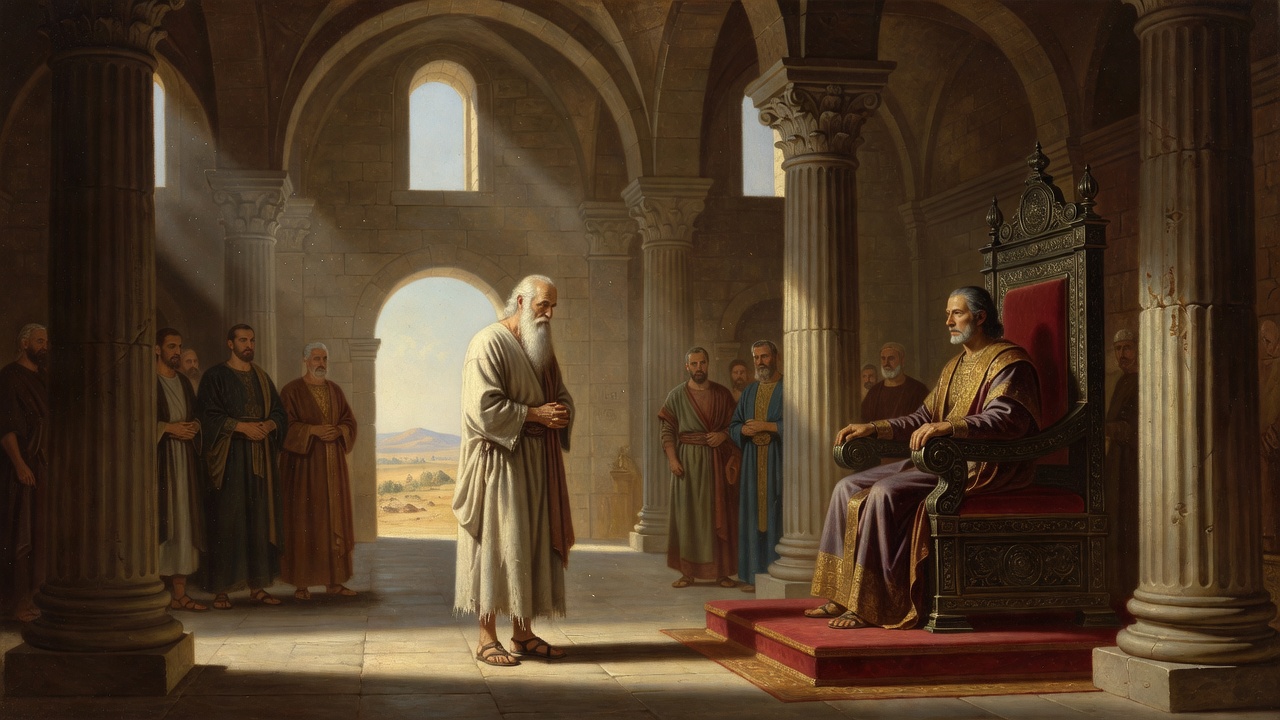
- The author counsels caution when dealing with royal authority, noting that a king holds supreme power and can act at will. A wise person is advised to keep the king's commands, respect solemn oaths made before God, and discern the right timing and manner to act.Sources: the Bible text itself
- The passage addresses the frustration of delayed justice, noting that when sentences for wrongdoing are not carried out promptly, people are emboldened to commit evil. It also observes life's baffling anomalies, where righteous people sometimes receive what the wicked deserve, and vice versa.Sources: the Bible text itself
- In evaluating human effort to grasp divine providence, the text concludes that even the wisest person cannot fully discover or comprehend the work of God on earth, regardless of relentless search day and night.Sources: the Bible text itself
Notes written with AI assistance from open sources (Theographic Bible Metadata, CC BY-SA 4.0; Easton’s Bible Dictionary, public domain) and reviewed before publishing.
Credits and license for this translation
כתבי הקודש
The Hebrew Old Testament, Westminster Leningrad Codex
Public Domain
Language: עברית (Hebrew)
Dialect: Biblical/Ancient
Lemma and morphology data are licensed under a Creative Commons Attribution- ShareAlike license (http://creativecommons.org/licenses/by-sa/3.0/). For attribution purposes, credit the Open Scriptures Hebrew Bible Project. The text of the WLC remains in the public domain.
2017-12-27
Source: http://ebible.org/hboWLC/ · eBible.org