Ecclesiastes 7
כתבי הקודש · Tap a verse to see its cross-references.
1ט֥וֹב שֵׁ֖ם מִשֶּׁ֣מֶן ט֑וֹב וְי֣וֹם הַמָּ֔וֶת מִיּ֖וֹם הִוָּלְדֽוֹ׃ 2ט֞וֹב לָלֶ֣כֶת אֶל־בֵּֽית־אֵ֗בֶל מִלֶּ֙כֶת֙ אֶל־בֵּ֣ית מִשְׁתֶּ֔ה בַּאֲשֶׁ֕ר ה֖וּא ס֣וֹף כָּל־הָאָדָ֑ם וְהַחַ֖י יִתֵּ֥ן אֶל־לִבּֽוֹ׃ 3ט֥וֹב כַּ֖עַס מִשְּׂחֹ֑ק כִּֽי־בְרֹ֥עַ פָּנִ֖ים יִ֥יטַב לֵֽב׃ 4לֵ֤ב חֲכָמִים֙ בְּבֵ֣ית אֵ֔בֶל וְלֵ֥ב כְּסִילִ֖ים בְּבֵ֥ית שִׂמְחָֽה׃ 5ט֕וֹב לִשְׁמֹ֖עַ גַּעֲרַ֣ת חָכָ֑ם מֵאִ֕ישׁ שֹׁמֵ֖עַ שִׁ֥יר כְּסִילִֽים׃ 6כִּ֣י כְק֤וֹל הַסִּירִים֙ תַּ֣חַת הַסִּ֔יר כֵּ֖ן שְׂחֹ֣ק הַכְּסִ֑יל וְגַם־זֶ֖ה הָֽבֶל׃ 7כִּ֥י הָעֹ֖שֶׁק יְהוֹלֵ֣ל חָכָ֑ם וִֽיאַבֵּ֥ד אֶת־לֵ֖ב מַתָּנָֽה׃ 8ט֛וֹב אַחֲרִ֥ית דָּבָ֖ר מֵֽרֵאשִׁית֑וֹ ט֥וֹב אֶֽרֶךְ־ר֖וּחַ מִגְּבַהּ־רֽוּחַ׃ 9אַל־תְּבַהֵ֥ל בְּרֽוּחֲךָ֖ לִכְע֑וֹס כִּ֣י כַ֔עַס בְּחֵ֥יק כְּסִילִ֖ים יָנֽוּחַ׃ 10אַל־תֹּאמַר֙ מֶ֣ה הָיָ֔ה שֶׁ֤הַיָּמִים֙ הָרִ֣אשֹׁנִ֔ים הָי֥וּ טוֹבִ֖ים מֵאֵ֑לֶּה כִּ֛י לֹ֥א מֵחָכְמָ֖ה שָׁאַ֥לְתָּ עַל־זֶֽה׃ 11טוֹבָ֥ה חָכְמָ֖ה עִֽם־נַחֲלָ֑ה וְיֹתֵ֖ר לְרֹאֵ֥י הַשָּֽׁמֶשׁ׃ 12כִּ֛י בְּצֵ֥ל הַֽחָכְמָ֖ה בְּצֵ֣ל הַכָּ֑סֶף וְיִתְר֣וֹן דַּ֔עַת הַֽחָכְמָ֖ה תְּחַיֶּ֥ה בְעָלֶֽיהָ׃ 13רְאֵ֖ה אֶת־מַעֲשֵׂ֣ה הָאֱלֹהִ֑ים כִּ֣י מִ֤י יוּכַל֙ לְתַקֵּ֔ן אֵ֖ת אֲשֶׁ֥ר עִוְּתֽוֹ׃ 14בְּי֤וֹם טוֹבָה֙ הֱיֵ֣ה בְט֔וֹב וּבְי֥וֹם רָעָ֖ה רְאֵ֑ה גַּ֣ם אֶת־זֶ֤ה לְעֻמַּת־זֶה֙ עָשָׂ֣ה הָֽאֱלֹהִ֔ים עַל־דִּבְרַ֗ת שֶׁלֹּ֨א יִמְצָ֧א הָֽאָדָ֛ם אַחֲרָ֖יו מְאֽוּמָה׃ 15אֶת־הַכֹּ֥ל רָאִ֖יתִי בִּימֵ֣י הֶבְלִ֑י יֵ֤שׁ צַדִּיק֙ אֹבֵ֣ד בְּצִדְק֔וֹ וְיֵ֣שׁ רָשָׁ֔ע מַאֲרִ֖יךְ בְּרָעָתֽוֹ׃ 16אַל־תְּהִ֤י צַדִּיק֙ הַרְבֵּ֔ה וְאַל־תִּתְחַכַּ֖ם יוֹתֵ֑ר לָ֖מָּה תִּשּׁוֹמֵֽם׃ 17אַל־תִּרְשַׁ֥ע הַרְבֵּ֖ה וְאַל־תְּהִ֣י סָכָ֑ל לָ֥מָּה תָמ֖וּת בְּלֹ֥א עִתֶּֽךָ׃ 18ט֚וֹב אֲשֶׁ֣ר תֶּאֱחֹ֣ז בָּזֶ֔ה וְגַם־מִזֶּ֖ה אַל־תַּנַּ֣ח אֶת־יָדֶ֑ךָ כִּֽי־יְרֵ֥א אֱלֹהִ֖ים יֵצֵ֥א אֶת־כֻּלָּֽם׃ 19הַֽחָכְמָ֖ה תָּעֹ֣ז לֶחָכָ֑ם מֵֽעֲשָׂרָה֙ שַׁלִּיטִ֔ים אֲשֶׁ֥ר הָי֖וּ בָּעִֽיר׃ 20כִּ֣י אָדָ֔ם אֵ֥ין צַדִּ֖יק בָּאָ֑רֶץ אֲשֶׁ֥ר יַעֲשֶׂה־טּ֖וֹב וְלֹ֥א יֶחֱטָֽא׃ 21גַּ֤ם לְכָל־הַדְּבָרִים֙ אֲשֶׁ֣ר יְדַבֵּ֔רוּ אַל־תִּתֵּ֖ן לִבֶּ֑ךָ אֲשֶׁ֥ר לֹֽא־תִשְׁמַ֥ע אֶֽת־עַבְדְּךָ֖ מְקַלְלֶֽךָ׃ 22כִּ֛י גַּם־פְּעָמִ֥ים רַבּ֖וֹת יָדַ֣ע לִבֶּ֑ךָ אֲשֶׁ֥ר גַּם־את קִלַּ֥לְתָּ אֲחֵרִֽים׃ 23כָּל־זֹ֖ה נִסִּ֣יתִי בַֽחָכְמָ֑ה אָמַ֣רְתִּי אֶחְכָּ֔מָה וְהִ֖יא רְחוֹקָ֥ה מִמֶּֽנִּי׃ 24רָח֖וֹק מַה־שֶּׁהָיָ֑ה וְעָמֹ֥ק ׀ עָמֹ֖ק מִ֥י יִמְצָאֶֽנּוּ׃ 25סַבּ֨וֹתִֽי אֲנִ֤י וְלִבִּי֙ לָדַ֣עַת וְלָת֔וּר וּבַקֵּ֥שׁ חָכְמָ֖ה וְחֶשְׁבּ֑וֹן וְלָדַ֙עַת֙ רֶ֣שַׁע כֶּ֔סֶל וְהַסִּכְל֖וּת הוֹלֵלֽוֹת׃ 26וּמוֹצֶ֨א אֲנִ֜י מַ֣ר מִמָּ֗וֶת אֶת־הָֽאִשָּׁה֙ אֲשֶׁר־הִ֨יא מְצוֹדִ֧ים וַחֲרָמִ֛ים לִבָּ֖הּ אֲסוּרִ֣ים יָדֶ֑יהָ ט֞וֹב לִפְנֵ֤י הָאֱלֹהִים֙ יִמָּלֵ֣ט מִמֶּ֔נָּה וְחוֹטֵ֖א יִלָּ֥כֶד בָּֽהּ׃ 27רְאֵה֙ זֶ֣ה מָצָ֔אתִי אָמְרָ֖ה קֹהֶ֑לֶת אַחַ֥ת לְאַחַ֖ת לִמְצֹ֥א חֶשְׁבּֽוֹן׃ 28אֲשֶׁ֛ר עוֹד־בִּקְשָׁ֥ה נַפְשִׁ֖י וְלֹ֣א מָצָ֑אתִי אָדָ֞ם אֶחָ֤ד מֵאֶ֙לֶף֙ מָצָ֔אתִי וְאִשָּׁ֥ה בְכָל־אֵ֖לֶּה לֹ֥א מָצָֽאתִי׃ 29לְבַד֙ רְאֵה־זֶ֣ה מָצָ֔אתִי אֲשֶׁ֨ר עָשָׂ֧ה הָאֱלֹהִ֛ים אֶת־הָאָדָ֖ם יָשָׁ֑ר וְהֵ֥מָּה בִקְשׁ֖וּ חִשְּׁבֹנ֥וֹת רַבִּֽים׃
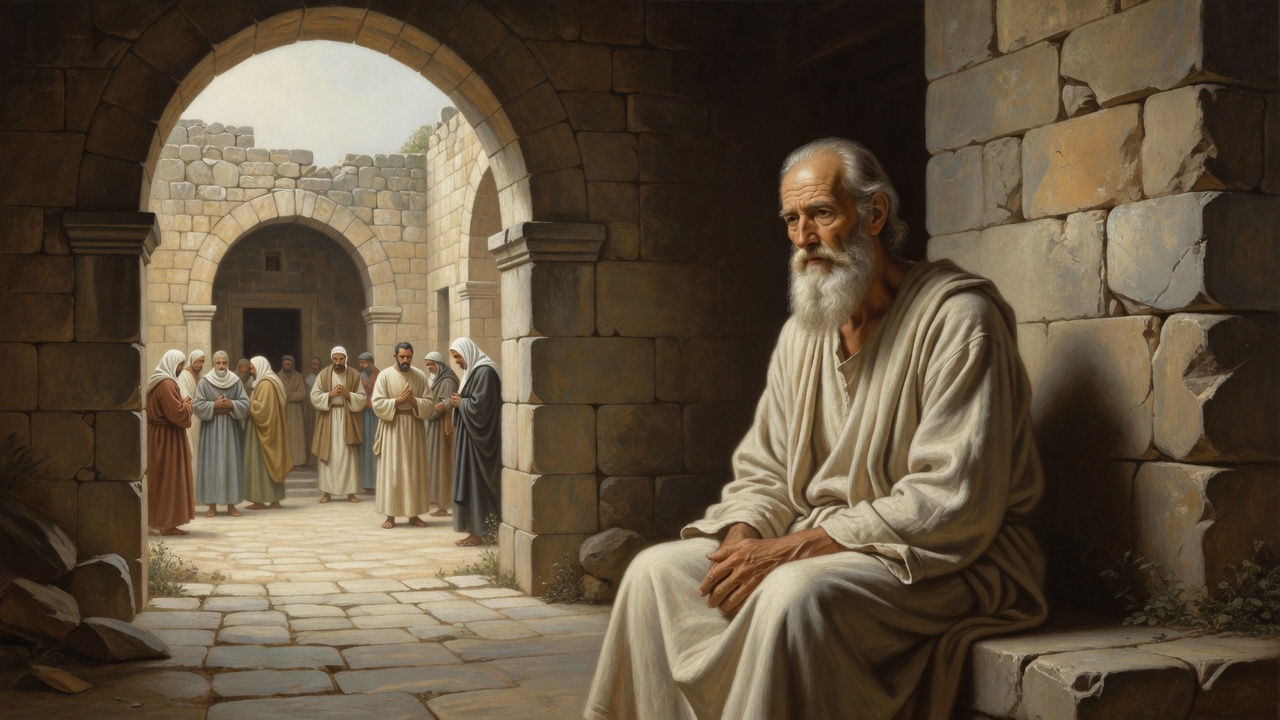
Did you know?
Wisdom, Mortality, and the Limits of Understanding
- Ecclesiastes 7 begins with a series of comparative proverbs arguing that moments of solemn reflection, such as visiting a house of mourning or facing sorrow, provide greater insight into life than superficial laughter and feast houses.Sources: the Bible text itself
- The Teacher reflects on the reality of human experience, noting that God has appointed both prosperous and adverse days so that humans cannot foresee their future, and that righteous people sometimes perish while the wicked live long.Sources: the Bible text itself
- The chapter highlights the universal limitation of human goodness, observing that there is no one on earth who does good and never sins, and concluding that while God created humanity upright, people pursue many complex schemes.Sources: the Bible text itself
Notes written with AI assistance from open sources (Theographic Bible Metadata, CC BY-SA 4.0; Easton’s Bible Dictionary, public domain) and reviewed before publishing.
Credits and license for this translation
כתבי הקודש
The Hebrew Old Testament, Westminster Leningrad Codex
Public Domain
Language: עברית (Hebrew)
Dialect: Biblical/Ancient
Lemma and morphology data are licensed under a Creative Commons Attribution- ShareAlike license (http://creativecommons.org/licenses/by-sa/3.0/). For attribution purposes, credit the Open Scriptures Hebrew Bible Project. The text of the WLC remains in the public domain.
2017-12-27
Source: http://ebible.org/hboWLC/ · eBible.org