Ecclesiastes 5
כתבי הקודש · Tap a verse to see its cross-references.
1אַל־תְּבַהֵ֨ל עַל־פִּ֜יךָ וְלִבְּךָ֧ אַל־יְמַהֵ֛ר לְהוֹצִ֥יא דָבָ֖ר לִפְנֵ֣י הָאֱלֹהִ֑ים כִּ֣י הָאֱלֹהִ֤ים בַּשָּׁמַ֙יִם֙ וְאַתָּ֣ה עַל־הָאָ֔רֶץ עַֽל־כֵּ֛ן יִהְי֥וּ דְבָרֶ֖יךָ מְעַטִּֽים׃ 2כִּ֛י בָּ֥א הַחֲל֖וֹם בְּרֹ֣ב עִנְיָ֑ן וְק֥וֹל כְּסִ֖יל בְּרֹ֥ב דְּבָרִֽים׃ 3כַּאֲשֶׁר֩ תִּדֹּ֨ר נֶ֜דֶר לֵֽאלֹהִ֗ים אַל־תְּאַחֵר֙ לְשַׁלְּמ֔וֹ כִּ֛י אֵ֥ין חֵ֖פֶץ בַּכְּסִילִ֑ים אֵ֥ת אֲשֶׁר־תִּדֹּ֖ר שַׁלֵּֽם׃ 4ט֖וֹב אֲשֶׁ֣ר לֹֽא־תִדֹּ֑ר מִשֶׁתִּדּ֖וֹר וְלֹ֥א תְשַׁלֵּֽם׃ 5אַל־תִּתֵּ֤ן אֶת־פִּ֙יךָ֙ לַחֲטִ֣יא אֶת־בְּשָׂרֶ֔ךָ וְאַל־תֹּאמַר֙ לִפְנֵ֣י הַמַּלְאָ֔ךְ כִּ֥י שְׁגָגָ֖ה הִ֑יא לָ֣מָּה יִקְצֹ֤ף הָֽאֱלֹהִים֙ עַל־קוֹלֶ֔ךָ וְחִבֵּ֖ל אֶת־מַעֲשֵׂ֥ה יָדֶֽיךָ׃ 6כִּ֣י בְרֹ֤ב חֲלֹמוֹת֙ וַהֲבָלִ֔ים וּדְבָרִ֖ים הַרְבֵּ֑ה כִּ֥י אֶת־הָאֱלֹהִ֖ים יְרָֽא׃ 7אִם־עֹ֣שֶׁק רָ֠שׁ וְגֵ֨זֶל מִשְׁפָּ֤ט וָצֶ֙דֶק֙ תִּרְאֶ֣ה בַמְּדִינָ֔ה אַל־תִּתְמַ֖הּ עַל־הַחֵ֑פֶץ כִּ֣י גָבֹ֜הַּ מֵעַ֤ל גָּבֹ֙הַ֙ שֹׁמֵ֔ר וּגְבֹהִ֖ים עֲלֵיהֶֽם׃ 8וְיִתְר֥וֹן אֶ֖רֶץ בַּכֹּ֣ל היא מֶ֥לֶךְ לְשָׂדֶ֖ה נֶעֱבָֽד׃ 9אֹהֵ֥ב כֶּ֙סֶף֙ לֹא־יִשְׂבַּ֣ע כֶּ֔סֶף וּמִֽי־אֹהֵ֥ב בֶּהָמ֖וֹן לֹ֣א תְבוּאָ֑ה גַּם־זֶ֖ה הָֽבֶל׃ 10בִּרְבוֹת֙ הַטּוֹבָ֔ה רַבּ֖וּ אוֹכְלֶ֑יהָ וּמַה־כִּשְׁרוֹן֙ לִבְעָלֶ֔יהָ כִּ֖י אִם־ראית עֵינָֽיו׃ 11מְתוּקָה֙ שְׁנַ֣ת הָעֹבֵ֔ד אִם־מְעַ֥ט וְאִם־הַרְבֵּ֖ה יֹאכֵ֑ל וְהַשָּׂבָע֙ לֶֽעָשִׁ֔יר אֵינֶ֛נּוּ מַנִּ֥יחַֽ ל֖וֹ לִישֽׁוֹן׃ 12יֵ֚שׁ רָעָ֣ה חוֹלָ֔ה רָאִ֖יתִי תַּ֣חַת הַשָּׁ֑מֶשׁ עֹ֛שֶׁר שָׁמ֥וּר לִבְעָלָ֖יו לְרָעָתֽוֹ׃ 13וְאָבַ֛ד הָעֹ֥שֶׁר הַה֖וּא בְּעִנְיַ֣ן רָ֑ע וְהוֹלִ֣יד בֵּ֔ן וְאֵ֥ין בְּיָד֖וֹ מְאֽוּמָה׃ 14כַּאֲשֶׁ֤ר יָצָא֙ מִבֶּ֣טֶן אִמּ֔וֹ עָר֛וֹם יָשׁ֥וּב לָלֶ֖כֶת כְּשֶׁבָּ֑א וּמְא֙וּמָה֙ לֹא־יִשָּׂ֣א בַעֲמָל֔וֹ שֶׁיֹּלֵ֖ךְ בְּיָדֽוֹ׃ 15וְגַם־זֹה֙ רָעָ֣ה חוֹלָ֔ה כָּל־עֻמַּ֥ת שֶׁבָּ֖א כֵּ֣ן יֵלֵ֑ךְ וּמַה־יִּתְר֣וֹן ל֔וֹ שֶֽׁיַּעֲמֹ֖ל לָרֽוּחַ׃ 16גַּ֥ם כָּל־יָמָ֖יו בַּחֹ֣שֶׁךְ יֹאכֵ֑ל וְכָעַ֥ס הַרְבֵּ֖ה וְחָלְי֥וֹ וָקָֽצֶף׃ 17הִנֵּ֞ה אֲשֶׁר־רָאִ֣יתִי אָ֗נִי ט֣וֹב אֲשֶׁר־יָפֶ֣ה לֶֽאֶכוֹל־וְ֠לִשְׁתּוֹת וְלִרְא֨וֹת טוֹבָ֜ה בְּכָל־עֲמָל֣וֹ ׀ שֶׁיַּעֲמֹ֣ל תַּֽחַת־הַשֶּׁ֗מֶשׁ מִסְפַּ֧ר יְמֵי־חיו אֲשֶׁר־נָֽתַן־ל֥וֹ הָאֱלֹהִ֖ים כִּי־ה֥וּא חֶלְקֽוֹ׃ 18גַּ֣ם כָּֽל־הָאָדָ֡ם אֲשֶׁ֣ר נָֽתַן־ל֣וֹ הָאֱלֹהִים֩ עֹ֨שֶׁר וּנְכָסִ֜ים וְהִשְׁלִיט֨וֹ לֶאֱכֹ֤ל מִמֶּ֙נּוּ֙ וְלָשֵׂ֣את אֶת־חֶלְק֔וֹ וְלִשְׂמֹ֖חַ בַּעֲמָל֑וֹ זֹ֕ה מַתַּ֥ת אֱלֹהִ֖ים הִֽיא׃ 19כִּ֚י לֹ֣א הַרְבֵּ֔ה יִזְכֹּ֖ר אֶת־יְמֵ֣י חַיָּ֑יו כִּ֧י הָאֱלֹהִ֛ים מַעֲנֶ֖ה בְּשִׂמְחַ֥ת לִבּֽוֹ׃
Did you know?
Reverence, Justice, and the Limits of Wealth
- The author cautions against hasty speech in worship, reminding worshippers that God is in heaven while mortals are on earth. Vows made to God were considered serious commitments; the text warns that delaying or failing to fulfill a vow is foolish, making it better not to make a vow at all.Sources: the Bible text itself
- When addressing injustice and the oppression of the poor within a province, the author points to layered government bureaucracy, where each official is watched by a higher authority. Despite this administrative hierarchy, all tiers, including the king, ultimately depend on the produce of the fields.Sources: the Bible text itself
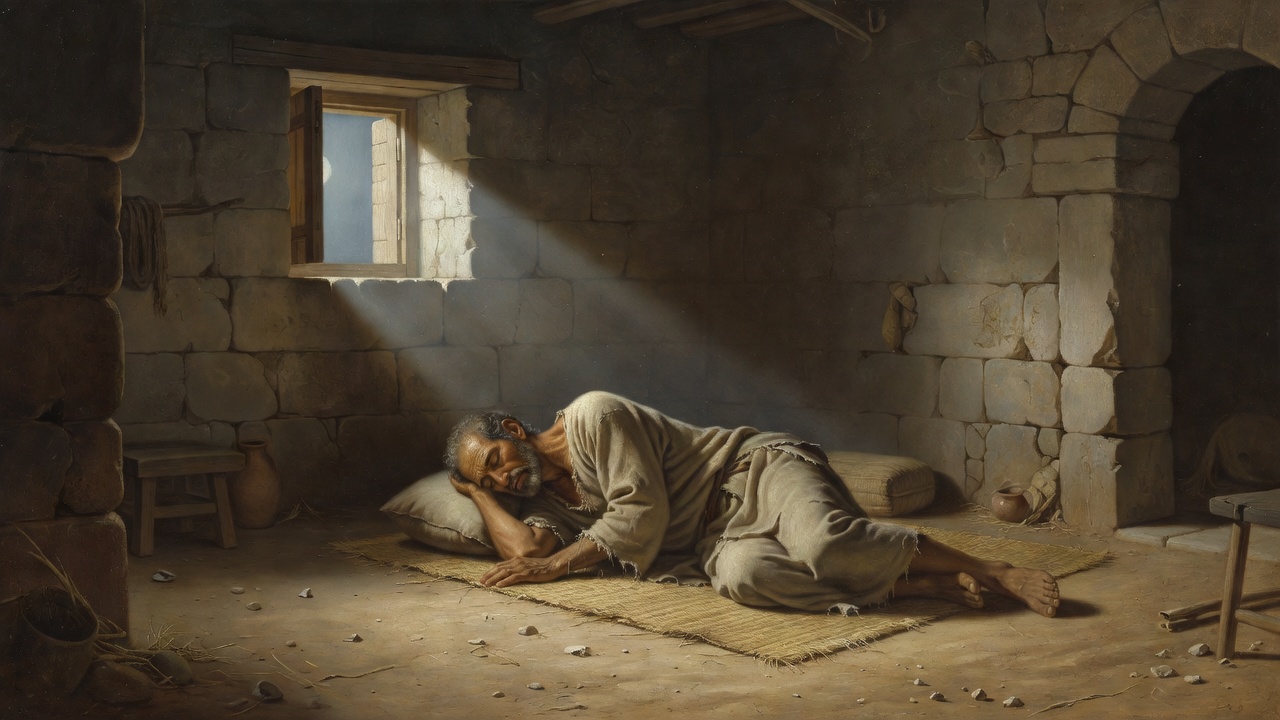
- The chapter contrasts the restless sleeplessness of the wealthy with the sweet sleep of a common laborer, noting that the pursuit of riches brings no lasting satisfaction. True contentment comes when a person accepts their lot and enjoys food, drink, and honest labor as gifts from God.Sources: the Bible text itself
Notes written with AI assistance from open sources (Theographic Bible Metadata, CC BY-SA 4.0; Easton’s Bible Dictionary, public domain) and reviewed before publishing.
Credits and license for this translation
כתבי הקודש
The Hebrew Old Testament, Westminster Leningrad Codex
Public Domain
Language: עברית (Hebrew)
Dialect: Biblical/Ancient
Lemma and morphology data are licensed under a Creative Commons Attribution- ShareAlike license (http://creativecommons.org/licenses/by-sa/3.0/). For attribution purposes, credit the Open Scriptures Hebrew Bible Project. The text of the WLC remains in the public domain.
2017-12-27
Source: http://ebible.org/hboWLC/ · eBible.org