Ecclesiastes 4
כתבי הקודש · Tap a verse to see its cross-references.
1וְשַׁ֣בְתִּֽי אֲנִ֗י וָאֶרְאֶה֙ אֶת־כָּל־הָ֣עֲשֻׁקִ֔ים אֲשֶׁ֥ר נַעֲשִׂ֖ים תַּ֣חַת הַשָּׁ֑מֶשׁ וְהִנֵּ֣ה ׀ דִּמְעַ֣ת הָעֲשֻׁקִ֗ים וְאֵ֤ין לָהֶם֙ מְנַחֵ֔ם וּמִיַּ֤ד עֹֽשְׁקֵיהֶם֙ כֹּ֔חַ וְאֵ֥ין לָהֶ֖ם מְנַחֵֽם׃ 2וְשַׁבֵּ֧חַ אֲנִ֛י אֶת־הַמֵּתִ֖ים שֶׁכְּבָ֣ר מֵ֑תוּ מִן־הַ֣חַיִּ֔ים אֲשֶׁ֛ר הֵ֥מָּה חַיִּ֖ים עֲדֶֽנָה׃ 3וְטוֹב֙ מִשְּׁנֵיהֶ֔ם אֵ֥ת אֲשֶׁר־עֲדֶ֖ן לֹ֣א הָיָ֑ה אֲשֶׁ֤ר לֹֽא־רָאָה֙ אֶת־הַמַּעֲשֶׂ֣ה הָרָ֔ע אֲשֶׁ֥ר נַעֲשָׂ֖ה תַּ֥חַת הַשָּֽׁמֶשׁ׃ 4וְרָאִ֨יתִֽי אֲנִ֜י אֶת־כָּל־עָמָ֗ל וְאֵת֙ כָּל־כִּשְׁר֣וֹן הַֽמַּעֲשֶׂ֔ה כִּ֛י הִ֥יא קִנְאַת־אִ֖ישׁ מֵרֵעֵ֑הוּ גַּם־זֶ֥ה הֶ֖בֶל וּרְע֥וּת רֽוּחַ׃ 5הַכְּסִיל֙ חֹבֵ֣ק אֶת־יָדָ֔יו וְאֹכֵ֖ל אֶת־בְּשָׂרֽוֹ׃ 6ט֕וֹב מְלֹ֥א כַ֖ף נָ֑חַת מִמְּלֹ֥א חָפְנַ֛יִם עָמָ֖ל וּרְע֥וּת רֽוּחַ׃ 7וְשַׁ֧בְתִּי אֲנִ֛י וָאֶרְאֶ֥ה הֶ֖בֶל תַּ֥חַת הַשָּֽׁמֶשׁ׃ 8יֵ֣שׁ אֶחָד֩ וְאֵ֨ין שֵׁנִ֜י גַּ֣ם בֵּ֧ן וָאָ֣ח אֵֽין־ל֗וֹ וְאֵ֥ין קֵץ֙ לְכָל־עֲמָל֔וֹ גַּם־עיניו לֹא־תִשְׂבַּ֣ע עֹ֑שֶׁר וּלְמִ֣י ׀ אֲנִ֣י עָמֵ֗ל וּמְחַסֵּ֤ר אֶת־נַפְשִׁי֙ מִטּוֹבָ֔ה גַּם־זֶ֥ה הֶ֛בֶל וְעִנְיַ֥ן רָ֖ע הֽוּא׃ 9טוֹבִ֥ים הַשְּׁנַ֖יִם מִן־הָאֶחָ֑ד אֲשֶׁ֧ר יֵשׁ־לָהֶ֛ם שָׂכָ֥ר ט֖וֹב בַּעֲמָלָֽם׃ 10כִּ֣י אִם־יִפֹּ֔לוּ הָאֶחָ֖ד יָקִ֣ים אֶת־חֲבֵר֑וֹ וְאִ֣יל֗וֹ הָֽאֶחָד֙ שֶׁיִּפּ֔וֹל וְאֵ֥ין שֵׁנִ֖י לַהֲקִימֽוֹ׃ 11גַּ֛ם אִם־יִשְׁכְּב֥וּ שְׁנַ֖יִם וְחַ֣ם לָהֶ֑ם וּלְאֶחָ֖ד אֵ֥יךְ יֵחָֽם׃ 12וְאִֽם־יִתְקְפוֹ֙ הָאֶחָ֔ד הַשְּׁנַ֖יִם יַעַמְד֣וּ נֶגְדּ֑וֹ וְהַחוּט֙ הַֽמְשֻׁלָּ֔שׁ לֹ֥א בִמְהֵרָ֖ה יִנָּתֵֽק׃ 13ט֛וֹב יֶ֥לֶד מִסְכֵּ֖ן וְחָכָ֑ם מִמֶּ֤לֶךְ זָקֵן֙ וּכְסִ֔יל אֲשֶׁ֛ר לֹא־יָדַ֥ע לְהִזָּהֵ֖ר עֽוֹד׃ 14כִּֽי־מִבֵּ֥ית הָסוּרִ֖ים יָצָ֣א לִמְלֹ֑ךְ כִּ֛י גַּ֥ם בְּמַלְכוּת֖וֹ נוֹלַ֥ד רָֽשׁ׃ 15רָאִ֙יתִי֙ אֶת־כָּל־ הַ֣חַיִּ֔ים הַֽמְהַלְּכִ֖ים תַּ֣חַת הַשָּׁ֑מֶשׁ עִ֚ם הַיֶּ֣לֶד הַשֵּׁנִ֔י אֲשֶׁ֥ר יַעֲמֹ֖ד תַּחְתָּֽיו׃ 16אֵֽין־קֵ֣ץ לְכָל־הָעָ֗ם לְכֹ֤ל אֲשֶׁר־הָיָה֙ לִפְנֵיהֶ֔ם גַּ֥ם הָאַחֲרוֹנִ֖ים לֹ֣א יִשְׂמְחוּ־ב֑וֹ כִּֽי־גַם ־זֶ֥ה הֶ֖בֶל וְרַעְי֥וֹן רֽוּחַ׃ 17שְׁמֹ֣ר רגליך כַּאֲשֶׁ֤ר תֵּלֵךְ֙ אֶל־בֵּ֣ית הָאֱלֹהִ֔ים וְקָר֣וֹב לִשְׁמֹ֔עַ מִתֵּ֥ת הַכְּסִילִ֖ים זָ֑בַח כִּֽי־אֵינָ֥ם יוֹדְעִ֖ים לַעֲשׂ֥וֹת רָֽע׃
Did you know?
Oppression, Companionship, and Fleeting Acclaim
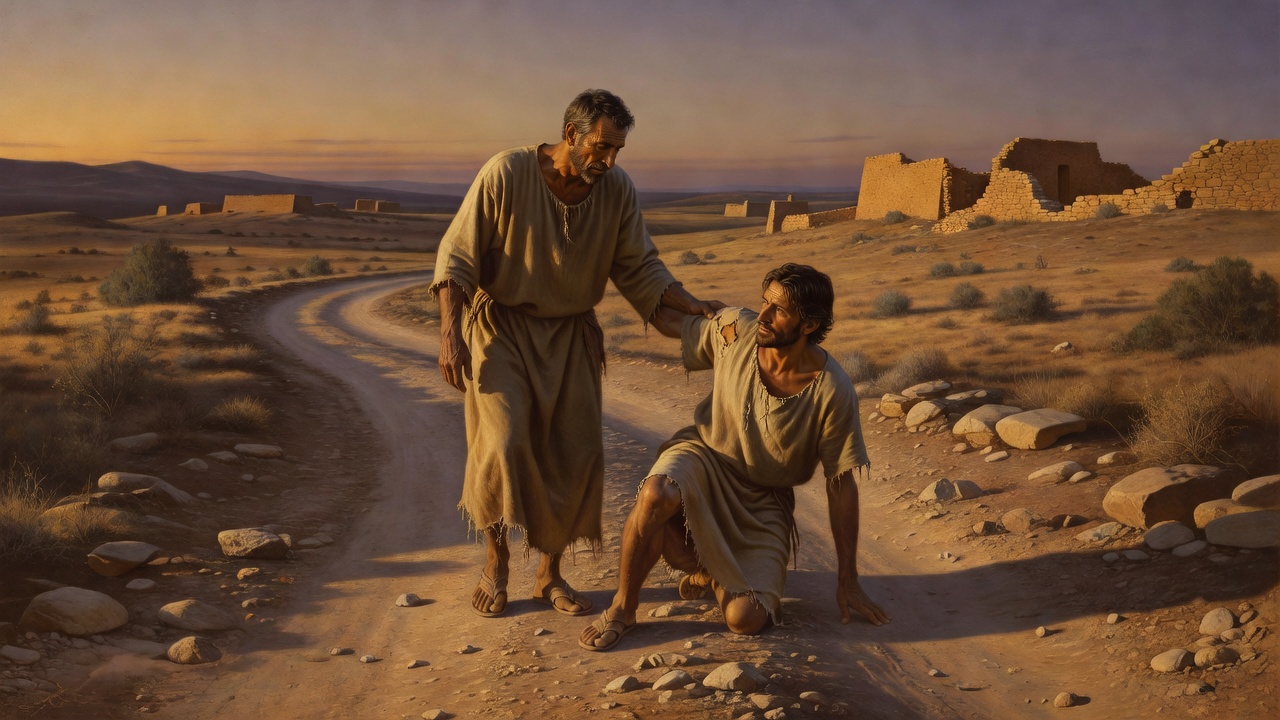
- Ecclesiastes highlights the practical value of companionship in daily life, explaining that two workers achieve a better return on their labor, can help each other up after a fall, provide shared warmth when lying down, and resist attackers together.Sources: the Bible text itself
- The passage contrasts the misery of solitary toil with the peacefulness of moderation, noting that some hoard wealth endlessly despite having no companion, son, or brother with whom to share it.Sources: the Bible text itself
- The text illustrates the fleeting nature of political fame through the figure of a poor, wise youth who rises from prison to replace an unteachable king, gaining massive popularity that is later forgotten by future generations.Sources: the Bible text itself
Notes written with AI assistance from open sources (Theographic Bible Metadata, CC BY-SA 4.0; Easton’s Bible Dictionary, public domain) and reviewed before publishing.
Credits and license for this translation
כתבי הקודש
The Hebrew Old Testament, Westminster Leningrad Codex
Public Domain
Language: עברית (Hebrew)
Dialect: Biblical/Ancient
Lemma and morphology data are licensed under a Creative Commons Attribution- ShareAlike license (http://creativecommons.org/licenses/by-sa/3.0/). For attribution purposes, credit the Open Scriptures Hebrew Bible Project. The text of the WLC remains in the public domain.
2017-12-27
Source: http://ebible.org/hboWLC/ · eBible.org