Genesis 14
כתבי הקודש · Tap a verse to see its cross-references.
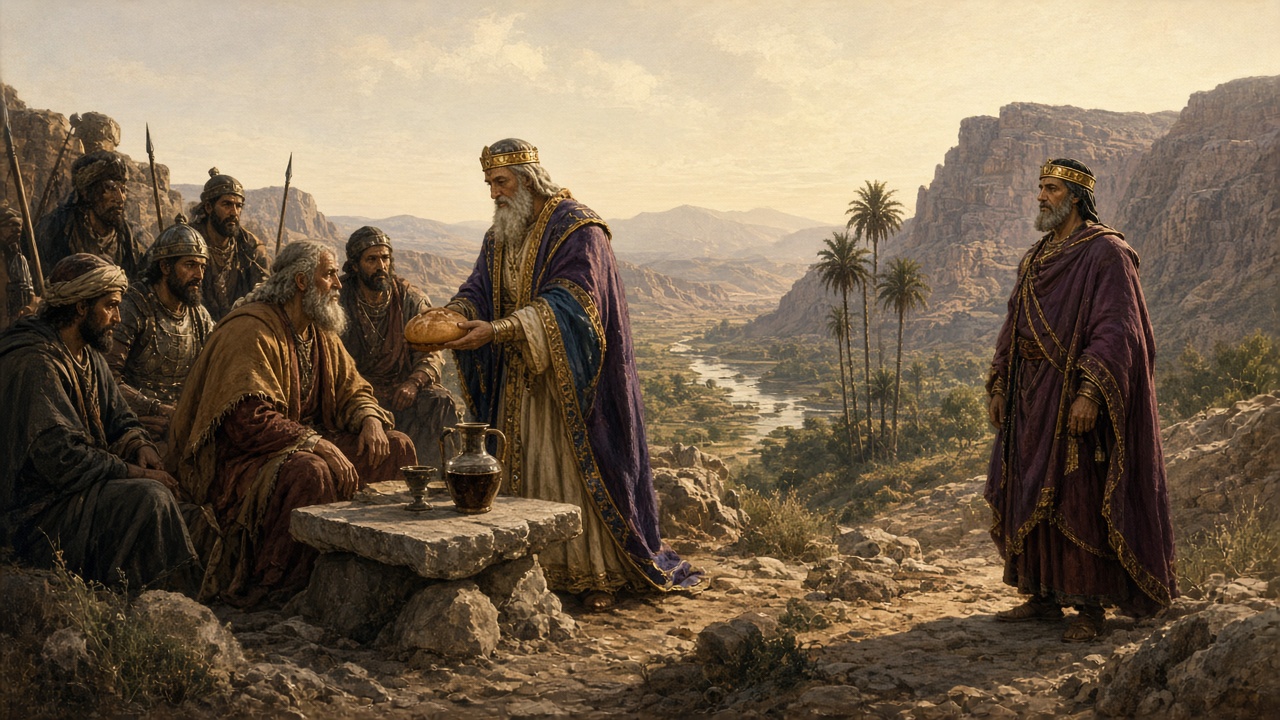
1וַיְהִ֗י בִּימֵי֙ אַמְרָפֶ֣ל מֶֽלֶךְ־שִׁנְעָ֔ר אַרְיֹ֖וךְ מֶ֣לֶךְ אֶלָּסָ֑ר כְּדָרְלָעֹ֙מֶר֙ מֶ֣לֶךְ עֵילָ֔ם וְתִדְעָ֖ל מֶ֥לֶךְ גֹּויִֽם׃ 2עָשׂ֣וּ מִלְחָמָ֗ה אֶת־בֶּ֙רַע֙ מֶ֣לֶךְ סְדֹ֔ם וְאֶת־בִּרְשַׁ֖ע מֶ֣לֶךְ עֲמֹרָ֑ה שִׁנְאָ֣ב ׀ מֶ֣לֶךְ אַדְמָ֗ה וְשֶׁמְאֵ֙בֶר֙ מֶ֣לֶךְ *צְבֹיִים (צְבֹויִ֔ים) וּמֶ֥לֶךְ בֶּ֖לַע הִיא־צֹֽעַר׃ 3כָּל־אֵ֙לֶּה֙ חָֽבְר֔וּ אֶל־עֵ֖מֶק הַשִּׂדִּ֑ים ה֖וּא יָ֥ם הַמֶּֽלַח׃ 4שְׁתֵּ֤ים עֶשְׂרֵה֙ שָׁנָ֔ה עָבְד֖וּ אֶת־כְּדָרְלָעֹ֑מֶר וּשְׁלֹשׁ־עֶשְׂרֵ֥ה שָׁנָ֖ה מָרָֽדוּ׃ 5וּבְאַרְבַּע֩ עֶשְׂרֵ֨ה שָׁנָ֜ה בָּ֣א כְדָרְלָעֹ֗מֶר וְהַמְּלָכִים֙ אֲשֶׁ֣ר אִתֹּ֔ו וַיַּכּ֤וּ אֶת־רְפָאִים֙ בְּעַשְׁתְּרֹ֣ת קַרְנַ֔יִם וְאֶת־הַזּוּזִ֖ים בְּהָ֑ם וְאֵת֙ הֽ͏ָאֵימִ֔ים בְּשָׁוֵ֖ה קִרְיָתָֽיִם׃ 6וְאֶת־הַחֹרִ֖י בְּהַרְרָ֣ם שֵׂעִ֑יר עַ֚ד אֵ֣יל פָּארָ֔ן אֲשֶׁ֖ר עַל־הַמִּדְבָּֽר׃ 7וַ֠יָּשֻׁבוּ וַיָּבֹ֜אוּ אֶל־עֵ֤ין מִשְׁפָּט֙ הִ֣וא קָדֵ֔שׁ וַיַּכּ֕וּ אֶֽת־כָּל־שְׂדֵ֖ה הָעֲמָלֵקִ֑י וְגַם֙ אֶת־הָ֣אֱמֹרִ֔י הַיֹּשֵׁ֖ב בְּחַֽצְצֹ֥ן תָּמָֽר׃ 8וַיֵּצֵ֨א מֶֽלֶךְ־סְדֹ֜ם וּמֶ֣לֶךְ עֲמֹרָ֗ה וּמֶ֤לֶךְ אַדְמָה֙ וּמֶ֣לֶךְ *צְבֹיִים (צְבֹויִ֔ם) וּמֶ֥לֶךְ בֶּ֖לַע הִוא־צֹ֑עַר וַיַּֽעַרְכ֤וּ אִתָּם֙ מִלְחָמָ֔ה בְּעֵ֖מֶק הַשִּׂדִּֽים׃ 9אֵ֣ת כְּדָרְלָעֹ֜מֶר מֶ֣לֶךְ עֵילָ֗ם וְתִדְעָל֙ מֶ֣לֶךְ גֹּויִ֔ם וְאַמְרָפֶל֙ מֶ֣לֶךְ שִׁנְעָ֔ר וְאַרְיֹ֖וךְ מֶ֣לֶךְ אֶלָּסָ֑ר אַרְבָּעָ֥ה מְלָכִ֖ים אֶת־הַחֲמִשָּֽׁה׃ 10וְעֵ֣מֶק הַשִׂדִּ֗ים בּֽ͏ֶאֱרֹ֤ת בֶּאֱרֹת֙ חֵמָ֔ר וַיָּנֻ֛סוּ מֶֽלֶךְ־סְדֹ֥ם וַעֲמֹרָ֖ה וַיִּפְּלוּ־שָׁ֑מָּה וְהַנִּשְׁאָרִ֖ים הֶ֥רָה נָּֽסוּ׃ 11וַ֠יִּקְחוּ אֶת־כָּל־רְכֻ֨שׁ סְדֹ֧ם וַעֲמֹרָ֛ה וְאֶת־כָּל־אָכְלָ֖ם וַיֵּלֵֽכוּ׃ 12וַיִּקְח֨וּ אֶת־לֹ֧וט וְאֶת־רְכֻשֹׁ֛ו בֶּן־אֲחִ֥י אַבְרָ֖ם וַיֵּלֵ֑כוּ וְה֥וּא יֹשֵׁ֖ב בִּסְדֹֽם׃ 13וַיָּבֹא֙ הַפָּלִ֔יט וַיַּגֵּ֖ד לְאַבְרָ֣ם הָעִבְרִ֑י וְהוּא֩ שֹׁכֵ֨ן בְּאֵֽלֹנֵ֜י מַמְרֵ֣א הָאֱמֹרִ֗י אֲחִ֤י אֶשְׁכֹּל֙ וַאֲחִ֣י עָנֵ֔ר וְהֵ֖ם בַּעֲלֵ֥י בְרִית־אַבְרָֽם׃ 14וַיִּשְׁמַ֣ע אַבְרָ֔ם כִּ֥י נִשְׁבָּ֖ה אָחִ֑יו וַיָּ֨רֶק אֶת־חֲנִיכָ֜יו יְלִידֵ֣י בֵיתֹ֗ו שְׁמֹנָ֤ה עָשָׂר֙ וּשְׁלֹ֣שׁ מֵאֹ֔ות וַיִּרְדֹּ֖ף עַד־דָּֽן׃ 15וַיֵּחָלֵ֨ק עֲלֵיהֶ֧ם ׀ לַ֛יְלָה ה֥וּא וַעֲבָדָ֖יו וַיַּכֵּ֑ם וֽ͏ַיִּרְדְּפֵם֙ עַד־חֹובָ֔ה אֲשֶׁ֥ר מִשְּׂמֹ֖אל לְדַמָּֽשֶׂק׃ 16וַיָּ֕שֶׁב אֵ֖ת כָּל־הָרְכֻ֑שׁ וְגַם֩ אֶת־לֹ֨וט אָחִ֤יו וּרְכֻשֹׁו֙ הֵשִׁ֔יב וְגַ֥ם אֶת־הַנָּשִׁ֖ים וְאֶת־הָעָֽם׃ 17וַיֵּצֵ֣א מֶֽלֶךְ־סְדֹם֮ לִקְרָאתֹו֒ אַחֲרֵ֣י שׁוּבֹ֗ו מֽ͏ֵהַכֹּות֙ אֶת־כְּדָר־לָעֹ֔מֶר וְאֶת־הַמְּלָכִ֖ים אֲשֶׁ֣ר אִתֹּ֑ו אֶל־עֵ֣מֶק שָׁוֵ֔ה ה֖וּא עֵ֥מֶק הַמֶּֽלֶךְ׃ 18וּמַלְכִּי־צֶ֙דֶק֙ מֶ֣לֶךְ שָׁלֵ֔ם הֹוצִ֖יא לֶ֣חֶם וָיָ֑יִן וְה֥וּא כֹהֵ֖ן לְאֵ֥ל עֶלְיֹֽון׃ 19וֽ͏ַיְבָרְכֵ֖הוּ וַיֹּאמַ֑ר בָּר֤וּךְ אַבְרָם֙ לְאֵ֣ל עֶלְיֹ֔ון קֹנֵ֖ה שָׁמַ֥יִם וָאָֽרֶץ׃ 20וּבָרוּךְ֙ אֵ֣ל עֶלְיֹ֔ון אֲשֶׁר־מִגֵּ֥ן צָרֶ֖יךָ בְּיָדֶ֑ךָ וַיִּתֶּן־לֹ֥ו מַעֲשֵׂ֖ר מִכֹּֽל׃ 21וַיֹּ֥אמֶר מֶֽלֶךְ־סְדֹ֖ם אֶל־אַבְרָ֑ם תֶּן־לִ֣י הַנֶּ֔פֶשׁ וְהָרְכֻ֖שׁ קַֽח־לָֽךְ׃ 22וַיֹּ֥אמֶר אַבְרָ֖ם אֶל־מֶ֣לֶךְ סְדֹ֑ם הֲרִימֹ֨תִי יָדִ֤י אֶל־יְהוָה֙ אֵ֣ל עֶלְיֹ֔ון קֹנֵ֖ה שָׁמַ֥יִם וָאָֽרֶץ׃ 23אִם־מִחוּט֙ וְעַ֣ד שְׂרֹֽוךְ־נַ֔עַל וְאִם־אֶקַּ֖ח מִכָּל־אֲשֶׁר־לָ֑ךְ וְלֹ֣א תֹאמַ֔ר אֲנִ֖י הֶעֱשַׁ֥רְתִּי אֶת־אַבְרָֽם׃ 24בִּלְעָדַ֗י רַ֚ק אֲשֶׁ֣ר אֽ͏ָכְל֣וּ הַנְּעָרִ֔ים וְחֵ֙לֶק֙ הֽ͏ָאֲנָשִׁ֔ים אֲשֶׁ֥ר הָלְכ֖וּ אִתִּ֑י עָנֵר֙ אֶשְׁכֹּ֣ל וּמַמְרֵ֔א הֵ֖ם יִקְח֥וּ חֶלְקָֽם׃ ס
Did you know?
The Campaign of the Four Kings
- Easton's Bible Dictionary (1897) identifies the four invading kings with names on ancient inscriptions: Chedorlaomer with Khudur-Lagamar of Elam, Amraphel with Khammu-rabi of Shinar (southern Chaldea), Arioch, king of Ellasar, with Eri-Aku of Larsa, and Tidal with Tudkhula. It explains Eri-Aku as an Elamite name meaning “servant of the moon-god,” later changed to Rimsin, and takes Goiim—“nations”—as Gutium, east of the Tigris and north of Elam.Sources: Chedorlaomer · Amraphel · Arioch (king of Ellasar) · Tidal
- The five local kings drew up for battle in the Valley of Siddim, which this chapter equates with the Salt Sea, and the valley was full of tar pits into which some of the fleeing men fell. Easton's Bible Dictionary places that valley at the south end of the Dead Sea, between Engedi and the cities of the plain, and calls the pits bitumen pits.Sources: the Bible text itself · Vale of Siddim
- Abram lived near the oaks of Mamre the Amorite, a brother of Eshcol and Aner, and the three were bound by treaty to him. Easton's Bible Dictionary calls Mamre and Eshcol Amorite chiefs and Aner a Canaanite chief, and notes that they joined Abram in pursuing Chedorlaomer and recovering Lot.Sources: the Bible text itself · Mamre · Eshcol · Aner
Notes written with AI assistance from open sources (Theographic Bible Metadata, CC BY-SA 4.0; Easton’s Bible Dictionary, public domain) and reviewed before publishing.
Places in this chapter
- Elam · 32.189, 48.258 · verses 1, 9
- Shinar · Today: Babylonia · 32.543, 44.422 · verses 1, 9
- Salt Sea · Today: Dead Sea · 31.500, 35.500 · verse 3
- Shaveh-kiriathaim · Today: within 1 km of Al Qurayyat · 31.541, 35.686 · verse 5
- Dan · Today: Tel Dan · 33.249, 35.652 · verse 14
- Damascus · 33.511, 36.306 · verse 15
- Valley of Shaveh · Today: intersection of Kidron Valley and Valley of Hinnom · 31.767, 35.236 · verse 17
- Salem · Today: Jerusalem · 31.777, 35.234 · verse 18
Only places identified with high confidence are shown (90% or more according to the scholarly sources compiled by OpenBible). Period map: DARE (Digital Atlas of the Roman Empire), CC BY 4.0; modern map: © OpenStreetMap contributors; places: OpenBible.info (CC BY 4.0).
Credits and license for this translation
כתבי הקודש
The Old Testament in ancient Hebrew, following the Masoretic Text
Public Domain
Language: עברית (Hebrew)
Dialect: Biblical/Ancient
2013-12-11
Source: http://ebible.org/hbo/ · eBible.org