Exodus 1
כתבי הקודש · Tap a verse to see its cross-references.
About this book
About Exodus
- Easton's Bible Dictionary (1897) dates Israel's departure from Egypt to about 1490 B.C., four hundred and eighty years before Solomon's temple was built. How long they had sojourned there is disputed: Exodus 12:40 gives four hundred and thirty years, Genesis 15 speaks of about four hundred, and the Greek and Samaritan versions also count the years in Canaan, so some reckon only two hundred and fifteen years in Egypt.Sources: Easton: Exodus
- Easton's Bible Dictionary (1897) does not name the author of Exodus. The entry on Moses says Jacob and his sons went down into Egypt, probably about three hundred and fifty years before Moses was born, and that a Hyksos king, from a pastoral Semitic people of Asia who then ruled Egypt, settled them in Goshen. Moses later spent forty years in Midian, where that people pastured flocks on the Sinai peninsula, and became the son-in-law of Jethro, priest of Midian.Sources: Moses · Easton: Exodus · Midian · Jethro
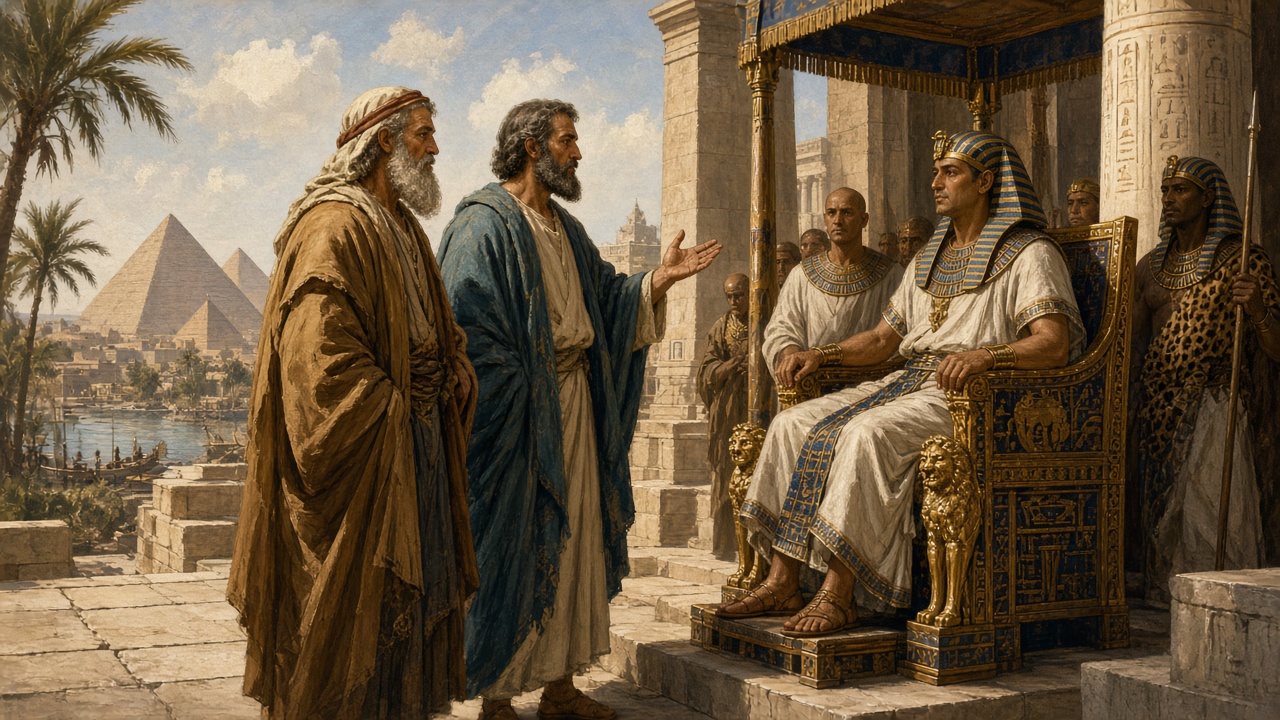
- Who was Pharaoh at the departure is also disputed. Easton's Bible Dictionary (1897) calls him probably Menephtah I, the fourteenth and eldest surviving son of Rameses II, who lived at Zoan and met Moses and Aaron there, while noting that some favor Seti II, whose reign began peacefully and ended in sudden disaster.Sources: Pharaoh (of the Exodus)
- The plagues, Easton writes, loosened Pharaoh's hold, and the Passover was instituted as a perpetual memorial, with the lamb's blood sprinkled on the doorposts. In the third month the people reached Mount Sinai, also called Horeb, about one hundred and fifty miles from the Red Sea, and camped there about a year. The last twenty-two chapters of Exodus record that stay, including the tabernacle, whose Holy Place had no opening for daylight and was lit only by the golden candlestick.Sources: Easton: Exodus · Mount Sinai · Holy Place
- Aaron, eldest son of Amram and Jochebed, was born in Egypt three years before Moses and was sent to meet him so the two could work together. At Rephidim, Joshua, also born in Egypt, commanded Israel's fighters when the Amalekites, a pastoral people living between the Dead Sea and the Red Sea, tried to bar their way.Sources: Aaron · Joshua · Amalek
Notes written with AI assistance from open sources (Theographic Bible Metadata, CC BY-SA 4.0; Easton’s Bible Dictionary, public domain) and reviewed before publishing.
1וְאֵ֗לֶּה שְׁמֹות֙ בְּנֵ֣י יִשְׂרָאֵ֔ל הַבָּאִ֖ים מִצְרָ֑יְמָה אֵ֣ת יַעֲקֹ֔ב אִ֥ישׁ וּבֵיתֹ֖ו בָּֽאוּ׃ 2רְאוּבֵ֣ן שִׁמְעֹ֔ון לֵוִ֖י וִיהוּדָֽה׃ 3יִשָּׂשכָ֥ר זְבוּלֻ֖ן וּבְנְיָמִֽן׃ 4דָּ֥ן וְנַפְתָּלִ֖י גָּ֥ד וְאָשֵֽׁר׃ 5וֽ͏ַיְהִ֗י כָּל־נֶ֛פֶשׁ יֹצְאֵ֥י יֶֽרֶךְ־יַעֲקֹ֖ב שִׁבְעִ֣ים נָ֑פֶשׁ וְיֹוסֵ֖ף הָיָ֥ה בְמִצְרָֽיִם׃ 6וַיָּ֤מָת יֹוסֵף֙ וְכָל־אֶחָ֔יו וְכֹ֖ל הַדֹּ֥ור הַהֽוּא׃ 7וּבְנֵ֣י יִשְׂרָאֵ֗ל פָּר֧וּ וַֽיִּשְׁרְצ֛וּ וַיִּרְבּ֥וּ וַיַּֽעַצְמ֖וּ בִּמְאֹ֣ד מְאֹ֑ד וַתִּמָּלֵ֥א הָאָ֖רֶץ אֹתָֽם׃ פ 8וַיָּ֥קָם מֶֽלֶךְ־חָדָ֖שׁ עַל־מִצְרָ֑יִם אֲשֶׁ֥ר לֹֽא־יָדַ֖ע אֶת־יֹוסֵֽף׃ 9וַיֹּ֖אמֶר אֶל־עַמֹּ֑ו הִנֵּ֗ה עַ֚ם בְּנֵ֣י יִשְׂרָאֵ֔ל רַ֥ב וְעָצ֖וּם מִמֶּֽנּוּ׃ 10הָ֥בָה נִֽתְחַכְּמָ֖ה לֹ֑ו פֶּן־יִרְבֶּ֗ה וְהָיָ֞ה כִּֽי־תִקְרֶ֤אנָה מִלְחָמָה֙ וְנֹוסַ֤ף גַּם־הוּא֙ עַל־שֹׂ֣נְאֵ֔ינוּ וְנִלְחַם־בָּ֖נוּ וְעָלָ֥ה מִן־הָאָֽרֶץ׃ 11וַיָּשִׂ֤ימוּ עָלָיו֙ שָׂרֵ֣י מִסִּ֔ים לְמַ֥עַן עַנֹּתֹ֖ו בְּסִבְלֹתָ֑ם וַיִּ֜בֶן עָרֵ֤י מִסְכְּנֹות֙ לְפַרְעֹ֔ה אֶת־פִּתֹ֖ם וְאֶת־רַעַמְסֵֽס׃ 12וְכַאֲשֶׁר֙ יְעַנּ֣וּ אֹתֹ֔ו כֵּ֥ן יִרְבֶּ֖ה וְכֵ֣ן יִפְרֹ֑ץ וַיָּקֻ֕צוּ מִפְּנֵ֖י בְּנֵ֥י יִשְׂרָאֵֽל׃ 13וַיַּעֲבִ֧דוּ מִצְרַ֛יִם אֶת־בְּנֵ֥י יִשְׂרָאֵ֖ל בְּפָֽרֶךְ׃ 14וַיְמָרְר֨וּ אֶת־חַיֵּיהֶ֜ם בַּעֲבֹדָ֣ה קָשָׁ֗ה בְּחֹ֙מֶר֙ וּבִלְבֵנִ֔ים וּבְכָל־עֲבֹדָ֖ה בַּשָּׂדֶ֑ה אֵ֚ת כָּל־עֲבֹ֣דָתָ֔ם אֲשֶׁר־עָבְד֥וּ בָהֶ֖ם בְּפָֽרֶךְ׃ 15וַיֹּ֙אמֶר֙ מֶ֣לֶךְ מִצְרַ֔יִם לַֽמְיַלְּדֹ֖ת הָֽעִבְרִיֹּ֑ת אֲשֶׁ֨ר שֵׁ֤ם הָֽאַחַת֙ שִׁפְרָ֔ה וְשֵׁ֥ם הַשֵּׁנִ֖ית פּוּעָֽה׃ 16וַיֹּ֗אמֶר בְּיַלֶּדְכֶן֙ אֶת־הָֽעִבְרִיֹּ֔ות וּרְאִיתֶ֖ן עַל־הָאָבְנָ֑יִם אִם־בֵּ֥ן הוּא֙ וַהֲמִתֶּ֣ן אֹתֹ֔ו וְאִם־בַּ֥ת הִ֖יא וָחָֽיָה׃ 17וַתִּירֶ֤אןָ הַֽמְיַלְּדֹת֙ אֶת־הָ֣אֱלֹהִ֔ים וְלֹ֣א עָשׂ֔וּ כַּאֲשֶׁ֛ר דִּבֶּ֥ר אֲלֵיהֶ֖ן מֶ֣לֶךְ מִצְרָ֑יִם וַתְּחַיֶּ֖יןָ אֶת־הַיְלָדִֽים׃ 18וַיִּקְרָ֤א מֶֽלֶךְ־מִצְרַ֙יִם֙ לַֽמְיַלְּדֹ֔ת וַיֹּ֣אמֶר לָהֶ֔ן מַדּ֥וּעַ עֲשִׂיתֶ֖ן הַדָּבָ֣ר הַזֶּ֑ה וַתְּחַיֶּ֖יןָ אֶת־הַיְלָדִֽים׃ 19וַתֹּאמַ֤רְןָ הַֽמְיַלְּדֹת֙ אֶל־פַּרְעֹ֔ה כִּ֣י לֹ֧א כַנָּשִׁ֛ים הַמִּצְרִיֹּ֖ת הָֽעִבְרִיֹּ֑ת כִּֽי־חָיֹ֣ות הֵ֔נָּה בְּטֶ֨רֶם תָּבֹ֧וא אֲלֵהֶ֛ן הַמְיַלֶּ֖דֶת וְיָלָֽדוּ׃ 20וַיֵּ֥יטֶב אֱלֹהִ֖ים לַֽמְיַלְּדֹ֑ת וַיִּ֧רֶב הָעָ֛ם וַיַּֽעַצְמ֖וּ מְאֹֽד׃ 21וַיְהִ֕י כִּֽי־יָֽרְא֥וּ הַֽמְיַלְּדֹ֖ת אֶת־הָאֱלֹהִ֑ים וַיַּ֥עַשׂ לָהֶ֖ם בָּתִּֽים׃ 22וַיְצַ֣ו פַּרְעֹ֔ה לְכָל־עַמֹּ֖ו לֵאמֹ֑ר כָּל־הַבֵּ֣ן הַיִּלֹּ֗וד הַיְאֹ֙רָה֙ תַּשְׁלִיכֻ֔הוּ וְכָל־הַבַּ֖ת תְּחַיּֽוּן׃ ס
Did you know?
Israel's Growth and Oppression in Egypt
- Easton's Bible Dictionary (1897) says that the Hebrews in Egypt were under Joseph's protection for about seventy years, and that after his death their condition changed only gradually. It notes that the new king who did not know Joseph was generally supposed to be Aahmes I, whom Josephus calls Amosis, though discoveries of that time led the dictionary to conclude that he was Seti, after the Hyksos were driven out and the former dynasty restored.Sources: Pharaoh · the Bible text itself
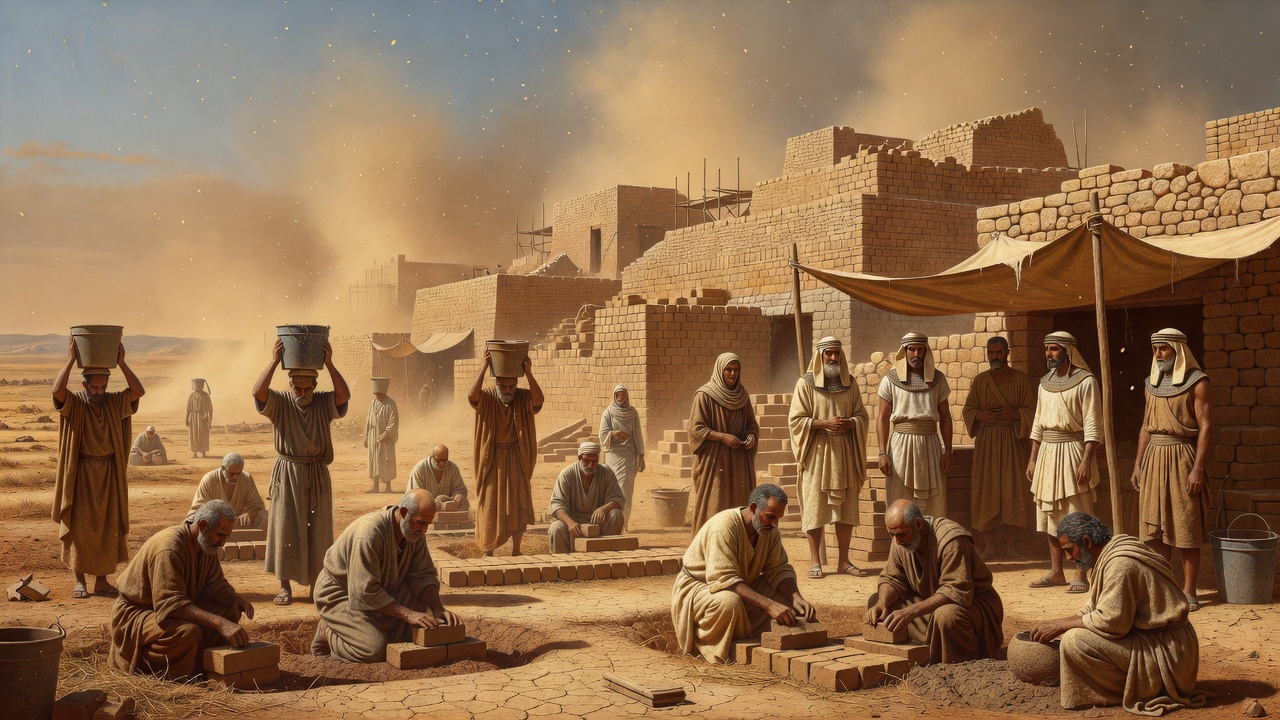
- Set to forced labor, the Israelites built Pithom and Rameses as store cities for Pharaoh. Easton's Bible Dictionary (1897) explains Pithom as Egyptian Pa-Tum, 'house of Tum,' the sun-god, and calls it a treasure city built for Pharaoh Rameses II; it identifies the site with Tell-el-Maskhuta, where ruins of supposed grain-chambers were reported in 1883.Sources: Pithom · Raamses · the Bible text itself
- Pharaoh then commanded that every son born to the Hebrews be thrown into the river. Easton's Bible Dictionary (1897) notes that the name Nile does not appear in Scripture; the Old Testament calls that river Sihor, 'the black stream,' or simply 'the river,' as in Exodus 1:22.Sources: Nile · the Bible text itself
Notes written with AI assistance from open sources (Theographic Bible Metadata, CC BY-SA 4.0; Easton’s Bible Dictionary, public domain) and reviewed before publishing.
Places in this chapter
- Egypt · 30.129, 31.308 · verses 1, 5, 8, 15, 17, 18
- Nile · Today: Nile River · 31.465, 30.367 · verse 22
Only places identified with high confidence are shown (90% or more according to the scholarly sources compiled by OpenBible). Period map: DARE (Digital Atlas of the Roman Empire), CC BY 4.0; modern map: © OpenStreetMap contributors; places: OpenBible.info (CC BY 4.0).
Credits and license for this translation
כתבי הקודש
The Old Testament in ancient Hebrew, following the Masoretic Text
Public Domain
Language: עברית (Hebrew)
Dialect: Biblical/Ancient
2013-12-11
Source: http://ebible.org/hbo/ · eBible.org