Psalms 88
Baibala Hemolele · Tap a verse to see its cross-references.
1E IEHOVA, ke Akua o ko'u ola, Ua kahea aku no au imua ou i ke ao a me ka po.
2E hookomo aku i ka'u pule imua ou; E haliu mai hoi kou pepeiao i ka'u kahea ana.
3No ka mea, ua ana ko'u uhane i na popilikia; Ke hookokoke nei ko'u ola i ka luapo.
4Ua helu pu ia no wau me ka poe iho ilalo i ka lua; Ua like hoi au me ke kanaka, aohe ona ikaika:
5Ua waiho wale ia iwaena o ka poe make, Ua like hoi me ka poe i houia e moe ana ma ka lua, Aole oe e hoomanao hou ia lakou; Ua hookiia lakou, mai kou lima aku.
6Ua hoomoe oe ia'u iloko o ka lua hohonu loa, Maloko o ka pouli, a me ua hohonu.
7Ua kaumaha mai kou huhu maluna o'u, Ua hoopilikia mai oe ia'u i kou mau ale a pau. Sila.
8Ua hookaawale loa aku oe i ko'u makamaka mai o'u aku, Ua hoolilo mai oe ia'u i mea hoopailua no lakou: Ua paa no hoi au, aole e hiki ia'u ke hele aku.
9Ua hokii ko'u mau maka no ka popilikia; Ua kahea aku no wau ia oe, e Iehova, i na la a pau, Ua kikoo aku no hoi au i ko'u lima ia oe.
10E hoike anei oe i na hana mana no ka poe i make? E ala mai anei na lapu e hoolea aku ia oe? Sila.
11E haiia anei kou lokomaikai ma ka luakupapau? A me kou oiaio hoi maloko o ka po?
12E ikea anei kau hana mana maloko o ka pouli? A me kou pono hoi maloko o ka aina meki?
13E kahea aku nae au ia oe, e Iehova; I ke kakahiaka hoi e halawai no ka'u pule me oe.
14E Iehova, no ke aha la oe e hoopailua mai i ko'u uhane? A huna hoi i kou maka ia'u?
15Ua pilikia au, a kokoke no i ka make, mai ko'u wa uuku mai; Ia'u i loohia'i i kou mea makau, ua kupikipikio au.
16Ua hele ae maluna o'u kou huhu wela; Ua hooki loa hoi kou mau mea makau ia'u.
17Hele poai mai la lakou ia'u, me he wai la; Hoopuni mai la lakou ia'u.
18Ua hookaawale loa oe i ko'u mea aloha, a me ko'u makamaka, mai o'u aku, Aia hoi ko'u hoalauna ma ka pouli.
Did you know?
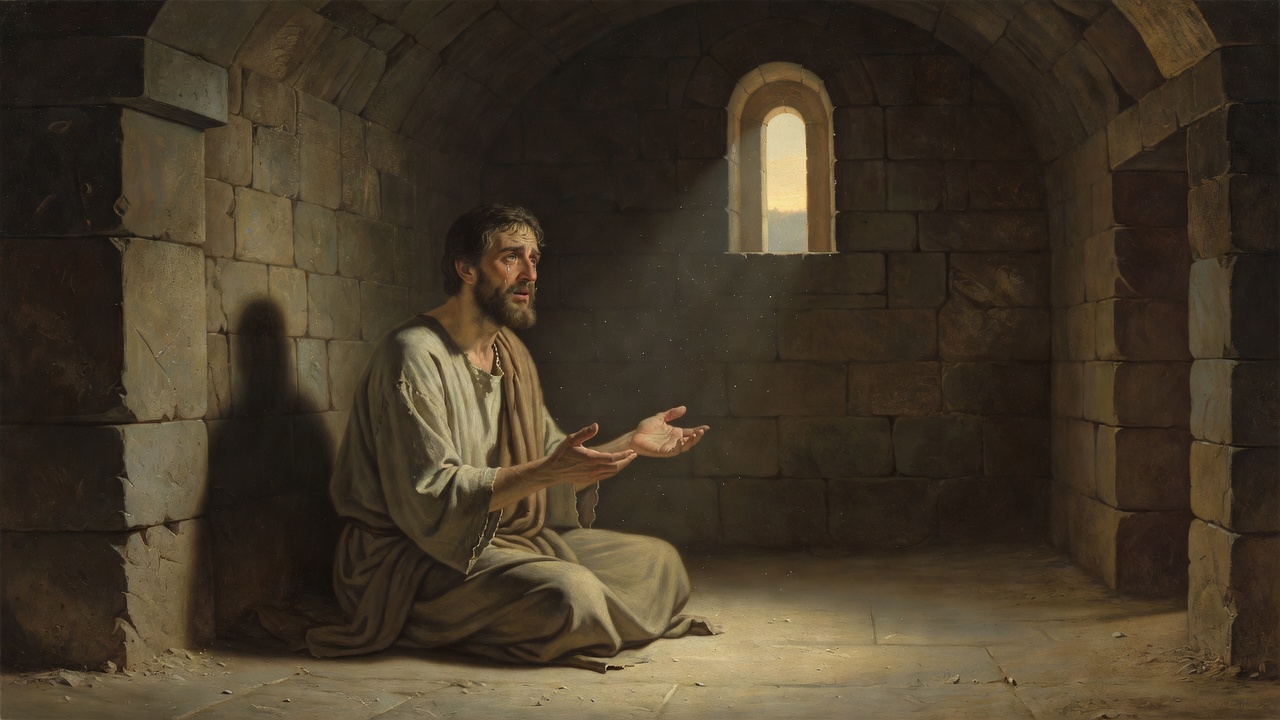
A Cry from Deep Darkness
- The superscription designates this song as a psalm of the sons of Korah and a Maskil of Heman the Ezrahite, directed according to Mahalath Leannoth.Sources: the Bible text itself
- The speaker depicts the realm of the dead using several terms, including Sheol, the Pit, Abaddon, and the land of oblivion. The text poses rhetorical questions about whether God's wonders and faithfulness can be known or praised from such places.Sources: the Bible text itself
- Unlike many biblical laments that transition into expressions of confidence or praise, Psalm 88 sustains an unrelieved tone of suffering and isolation, ending with darkness described as the speaker's closest companion.Sources: the Bible text itself
Notes written with AI assistance from open sources (Theographic Bible Metadata, CC BY-SA 4.0; Easton’s Bible Dictionary, public domain) and reviewed before publishing.
Credits and license for this translation
Baibala Hemolele
The Holy Bible in the Hawaiian language of the United States, 1868 revision
Public Domain
Language: 'Olelo Hawai'i (Hawaiian)
Translation by: na na misionari i pai
2015-11-10
Source: http://ebible.org/haw1868/ · eBible.org