Jeremiah 12
Bib La · Tap a verse to see its cross-references.
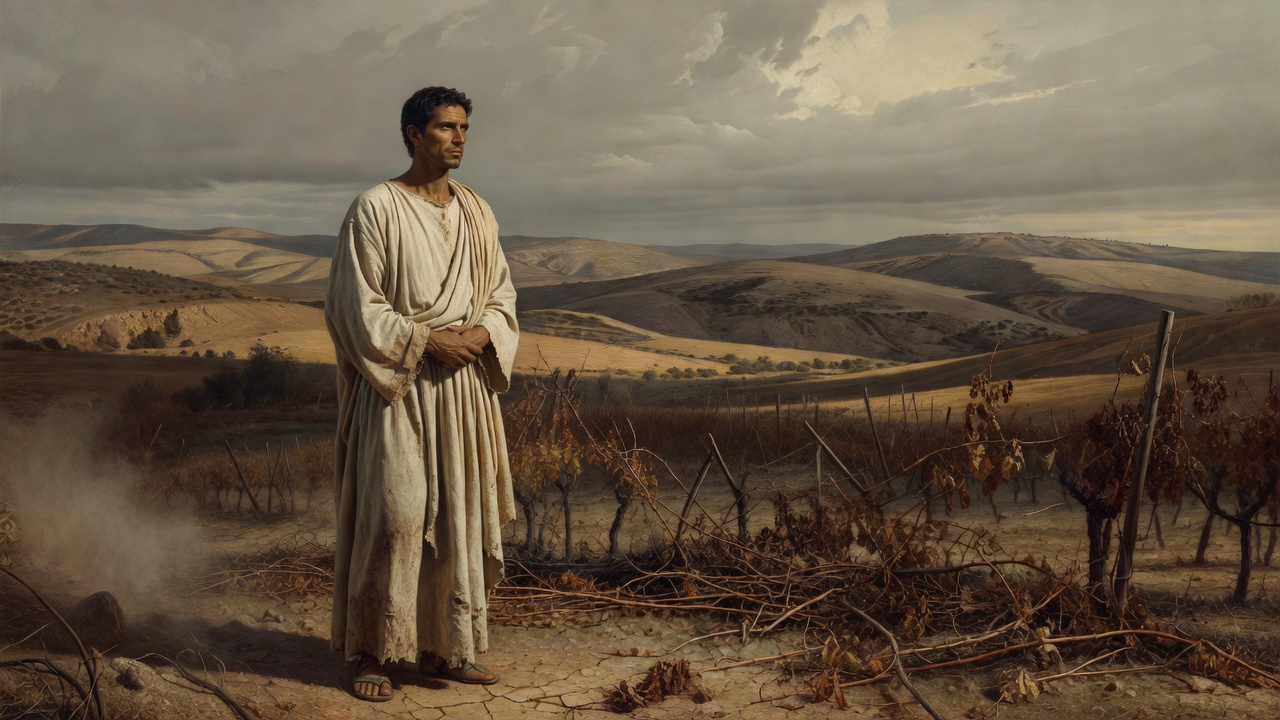
1Ou menm Seyè, ou pa nan patipri. Mwen pa ka nan plede avè ou. Men, mwen ta renmen mande ou yon bagay sou sa w'ap fè a. Poukisa zafè mechan yo mache byen konsa? Poukisa tout moun malonèt yo alèz konsa? 2Ou plante yo, yo pran rasin. Yo grandi, yo donnen. Non ou toujou nan bouch yo! Men, nan kè yo, yo pa sou bò ou. 3Men, ou menm Seyè, ou konn ki moun mwen ye, ou wè sa m'ap fè, ou wè jan m' renmen ou. Pote mechan yo ale tankou mouton y'ap mennen labatwa! Kenbe yo la jouk lè a va rive pou yo touye yo! 4Kilè n'a sispann wè tè a sèk? Kilè n'a sispann wè zèb nan jaden yo ap fennen? Zannimo yo ap mouri, zwezo yo ap depafini. Tou sa, akòz mechanste pèp la k'ap plede di Bondye pa wè sa n'ap fè. 5Seyè a di: -Jeremi, si ou pèdi souf lè w'ap kouri ak moun, ki jan ou ka fè kouri ak chwal? Si kè ou pa poze lè tout bagay ap mache byen, si se lè peyi a pa an danje, ou gen kè poze, kisa w'a fè lè larivyè Jouden ap desann? 6Ata frè ou yo, pwòp fanmi ou yo, ap trayi ou. Yo mete tèt yo ansanm ak lòt moun sou do ou. Pa fè yo konfyans, menm lè ou wè yo ap pale byen avè ou. 7Seyè a di ankò: -Mwen lage pèp Izrayèl la, mwen voye pèp mwen te chwazi a jete, mwen lage pèp mwen te renmen anpil la nan men lènmi yo. 8Pèp ki te rele m' pa m' lan vire do ban mwen. Tankou yon lyon nan gwo rakbwa, y'ap gwonde sou mwen. Se poutèt sa mwen pa vle wè yo ankò! 9Pèp ki te rele m' pa m' lan tankou yon zwazo tout koulè, malfini sènen l' toupatou. Ale non! Sanble tout bèt nan bwa. Fè yo vini pran pa yo nan manje a! 10Yon bann chèf lòt nasyon ap sakaje jaden rezen mwen an. Yo kraze jaden m' lan anba pye yo. Yo fè bèl peyi mwen an tounen yon dezè kote moun pa rete. 11Yo fè l' tounen yon savann. Men, li la devan je m'. Li fini, san anyen ladan l'. Tout peyi a tounen yon dezè, san pesonn pa di anyen. 12Moun soti lòt bò mòn ki nan dezè a vin piye. Paske Seyè a voye lagè pou detwi tout peyi a nèt. Pesonn pa ka viv ak kè poze. 13Yo plante ble, yo rekòlte pikan. Yo travay di, sa pa rapòte yo anyen. Yo wont, rekòt la pa bay anyen paske Seyè a move anpil. 14Seyè a di ankò: -Men sa Seyè a di sou move vwazen pèp li a ki leve men yo sou peyi li te bay pèp Izrayèl la pou rele l' pa l' la: Mwen pral rache yo soti nan peyi yo a, tankou pyebwa y'ap derasinen. M'a wete moun peyi Jida yo nan mitan yo. 15Men, lè m'a fin rache yo, m'a gen pitye pou yo. M'a fè yo tounen lakay yo, nan peyi yo. 16Si lè sa a yo aprann viv byen tankou pèp mwen, si yo pran non m' pou fè sèman sa a: Nan non Seyè ki vivan an!, menm jan yo te moutre pèp mwen an pou li fè sèman nan non Baal, enben, lè sa a yo menm tou, y'a fè pati pèp mwen an, epi zafè yo va mache byen. 17Men, si yon nasyon pa koute m', m'ap rache l', m'ap derasinen l', m'ap detwi li nèt. Se mwen menm Seyè a ki di sa.
Did you know?
Jeremiah's Complaint and the Nations
- Jeremiah wrestles with the difficult question of why the wicked prosper and live at ease while speaking of God with their lips but keeping him far from their hearts. The prophet's distress is deeply personal, as even the members of his own father's household had betrayed him and spoken against him.Sources: the Bible text itself
- God responds to Jeremiah's complaint by asking how he will compete with horses if racing with footmen tires him, and how he will manage in the thickets of the Jordan if he stumbles in a peaceful land. The Jordan River cuts through low valleys and dense, difficult terrain along its banks.Sources: the Bible text itself · Jordan
- The chapter extends hope even to hostile neighboring nations that had once taught Judah to swear by Baal, the principal male deity of the Phoenicians. If these nations turn and learn to swear by the name of the Lord, God promises to build them up among his people.Sources: the Bible text itself · Baal
Notes written with AI assistance from open sources (Theographic Bible Metadata, CC BY-SA 4.0; Easton’s Bible Dictionary, public domain) and reviewed before publishing.
Places in this chapter
- Jordan · Today: Jordan River · 31.761, 35.558 · verse 5
Only places identified with high confidence are shown (90% or more according to the scholarly sources compiled by OpenBible). Period map: DARE (Digital Atlas of the Roman Empire), CC BY 4.0; modern map: © OpenStreetMap contributors; places: OpenBible.info (CC BY 4.0).
Credits and license for this translation
Bib La
The Holy Bible in Haitian Creole
Public Domain
Language: Kreyòl Ayisyen (Haitian)
In the Public Domain due to publication without copyright notice in 1985, and without subsequent registration within 5 years.
2020-03-10
Source: http://ebible.org/hat/ · eBible.org