Hebrews 2
Bib La · Tap a verse to see its cross-references.
1Se poutèt sa, nou dwe kenbe verite yo te moutre nou yo pi fèm toujou pou nou pa pèdi chemen nou. 2Pawòl zanj Bondye yo te anonse a te gen tout valè li. Se sa ki fè moun ki pa t' okipe pawòl la ak moun ki te dezobeyi l' yo te resevwa chatiman yo te merite a. 3Konsa tou, si nou menm nou meprize yon gwo delivrans tankou sa a, nanpwen chape pou nou. Premye moun ki te fè konnen delivrans sa a se Seyè a menm. Apre sa, moun ki te tande l' yo, se yo ki te fè nou konnen jan delivrans sa a gen anpil valè. 4Anmenmtan an tou, Bondye te fè anpil siy, anpil bèl bagay ak anpil mirak pou fè wè sa moun sa yo t'ap di a se te vre. Li separe kado Sentespri a bay moun jan l' vle. 5Bondye pa t' bay zanj li yo pouvwa sou anyen nan tan n'ap pale a, tan ki gen pou vini an. 6Okontrè, jan yo ekri sa yon kote nan Liv la: Bondye o, kisa moun ye pou w'ap chonje yo konsa? Kisa moun ki fèt pou mouri yo ye menm pou w'ap pran ka yo konsa? 7Ou fè yo yon ti jan pi ba pase zanj yo pou yon ti tan. Tankou yon kouwòn sou tèt yo, ou ba yo tout lwanj ak tout respè. 8Ou mete tout bagay anba pye yo. Liv la di Bondye mete tout bagay anba pye lèzòm, sa vle di pa gen anyen ki pa sou zòd yo. Men, nou wè koulye a moun pa gen pouvwa sou tout bagay. 9Okontre, lè nou gade Jezi, nou wè pou yon tan Bondye te mete l' pi ba pase zanj yo, pou l' te ka mouri pou tout moun, tankou yon favè Bondye t'ap fè yo. Koulye a, poutèt lanmò li te soufri a, Bondye ba li tout lwanj ak tout respè ki pou yon wa. 10Se Bondye ki fè tout bagay, se Bondye k'ap kenbe tout bagay. Se tou nòmal pou l' te vle fè anpil nan pitit li yo resevwa pa yo nan bèl pouvwa li a. Se poutèt sa, li fè Jezi vin bon nèt avèk tout soufrans sa yo. Paske se Jezi ki chèf k'ap mennen yo nan chemen delivrans lan. 11Ni moun ki netwaye lèzòm anba peche yo, ki vle di Jezi, ni lèzòm li netwaye yo, yo tout gen yon sèl papa. Se poutèt sa, Jezi pa wont rele yo frè, 12jan l' te di sa nan Liv la: Bondye, m'a nonmen non ou bay frè m' yo. M'a fè lwanj ou lè yo tout reyini ansanm. 13Li di ankò: M'a mete tout konfyans mwen nan Bondye. Apre sa, li di ankò: Men mwen ansanm ak tout pitit Bondye te ban mwen yo. 14Moun li rele pitit li yo, se moun ki gen yon kò ki fèt ak chè ak san. Jezi vin tankou yo tou, menm chè ak yo, menm san ak yo. Konsa, lè li mouri, li detwi Satan ki te gen pouvwa pou touye moun. 15Li delivre tout moun ki pase tout lavi yo esklav paske yo te pè lanmò. 16Sa se bagay ki klè: li pa t' vin pote sekou bay zanj Bondye yo. Jan sa ekri nan Liv la: Li vin pote sekou bay tout moun ras Abraram yo. 17Se konsa, li te fèt pou l' te vin tankou frè l' yo sou tout pwen, pou l' te ka sèvi yo tankou yon granprèt ki gen anpil pitye pou yo, k'ap fè sèvis li byen devan Bondye, pou ofrann li fè a ka fè Bondye padonnen peche tout pèp la. 18Koulye a, li ka pote sekou bay tout moun ki anba tantasyon, paske li menm tou li te pase anba tantasyon, li menm tou li te soufri.
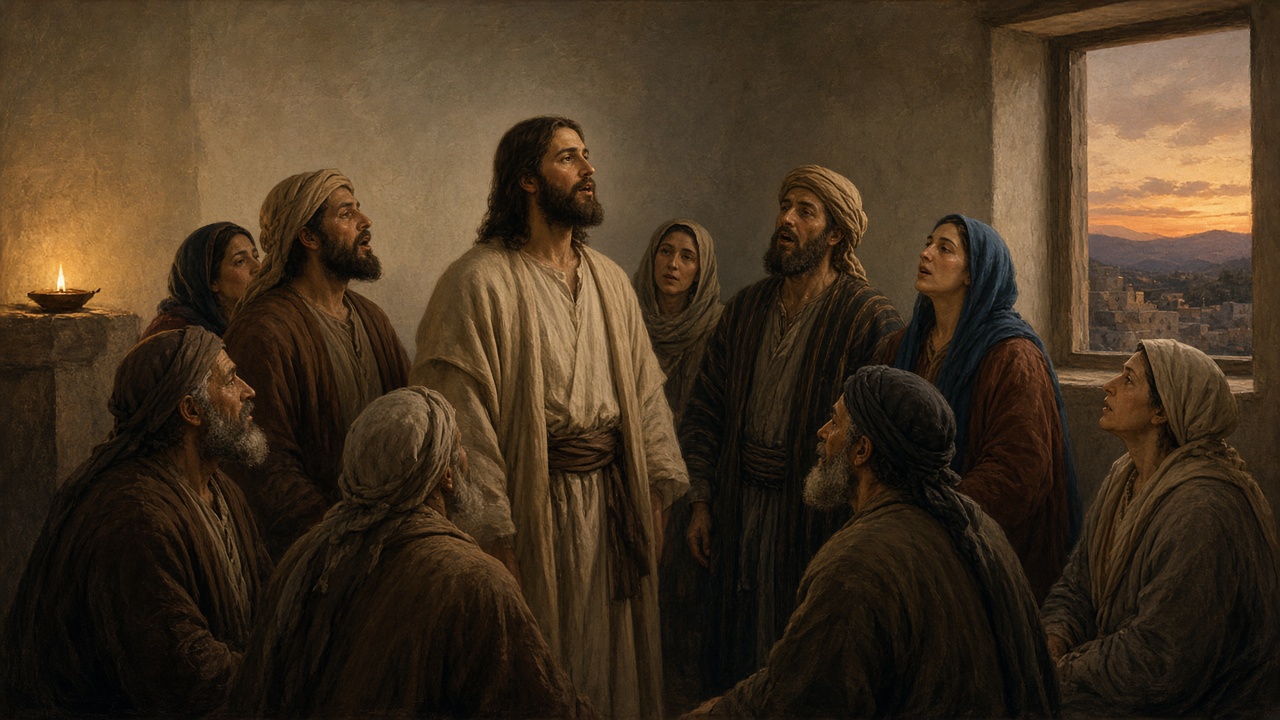
Did you know?
Sharing humanity, crowned through suffering
- Hebrews 2 recalls that the message spoken by angels was binding, and that every transgression and disobedience received its just punishment, then asks how anyone can escape who neglects so great a salvation. That salvation was first announced by the Lord, confirmed to us by those who heard him, and affirmed by God through signs, wonders, various miracles, and gifts of the Holy Spirit distributed according to his will.Sources: the Bible text itself
- The chapter quotes a testimony that man was made a little lower than the angels, crowned with glory and honor, with everything placed under his feet. When God subjected all things to him, he left nothing outside his control, yet at present we do not see everything subject to him. Jesus, made a little lower than the angels, is now crowned with glory and honor because he suffered death, so that by the grace of God he might taste death for everyone.Sources: the Bible text itself
- Hebrews 2 says Jesus helps not angels but the descendants of Abraham, and that he had to be made like his brothers in every way so that he might become a merciful and faithful high priest in service to God, to make atonement for the sins of the people. Abraham, son of Terah, is called father of a multitude and described as the heir of the promises.Sources: the Bible text itself · Abraham
Notes written with AI assistance from open sources (Theographic Bible Metadata, CC BY-SA 4.0; Easton’s Bible Dictionary, public domain) and reviewed before publishing.
Credits and license for this translation
Bib La
The Holy Bible in Haitian Creole
Public Domain
Language: Kreyòl Ayisyen (Haitian)
In the Public Domain due to publication without copyright notice in 1985, and without subsequent registration within 5 years.
2020-03-10
Source: http://ebible.org/hat/ · eBible.org