Luke 9
Cohamacʉ Yare Yahari Tjuel · Tap a verse to see its cross-references.
Jesu doce to buheinare buhe dutiro warocaha
1Ã yoa Jesu doce to buheinare pjiroca, to tuaare waha tinare. Watĩare ti cohãhti cjihtire, dohatiinare noaina ti yoahti cjihtire to tuaare waha tinare. 2Ã yoa tuhsʉ tinare Cohamacʉ masare pʉhtoro to noano sʉho jiare buhe dutiro, dohatiinare noaina wahachʉ yoa dutiro warocaha tinare. 3Õ sehe ni dutiha Jesu tinare:
—Mʉsa wahana paye barore naaena tjiga. Tjuadʉre, wajure, chʉare, niñerure naaena tjiga. Mʉsa sãano dihtare sãa wahcãga. Paye suhtire naaena tjiga. 4Jipihtia macaripʉ mʉsare ti carĩno wachʉ tí wʉhʉihta jinocasiniga. Coã wahanapʉ wijaahga tí wʉhʉre. 5Paye macari macaina mʉsare ti cahmaerachʉ ñʉna tí macarine yʉhdʉ wahcãa wahaga. Ã wahana mʉsa dahpori macaa dihta pohcari mene wajã site cũga mʉsa tinare ti ya buhirire masichʉ yoana —niha Jesu.
6To ã niri baharo to buheina sehe waha, jipihtia macaripepʉ noaa buheare yahu tinia tiha. Ã yoa dohatiinare noaina wahachʉ yoaa tiha.
Jesu to yoarire Herode tʉhoha
7Ã yoa Herode Galilea yahpa macaina pʉhtoro Jesu yoarire tʉhorocaha. “¿Diro baro jijari tiro Jesu?” niparota ne masieraha. Cãina õ sehe nimaha Jesure: “João masare bautisariro cjiro pari turi bajuaro nica. Ã jiro ‘Jesu’, ti niriro tiro tjira”, nimaha cãina. Ti ã nichʉ tʉhoro Herode Jesure dohse ni masieraha. 8Paina “Tiro Elia cjiro mipʉ bajuaro nina”, nimaha. Paina sehe “Cohamacʉ yare yahu mʉhtaina panopʉ macaina mehne macariro cjiro mipʉ bajuaro nica”, nimaha Jesure. 9Ti ã ni durucupachʉta õ sehe ni tʉhotuha Herode sehe: “João dapure dʉte ta duti tuhsʉhi yʉhʉ. ¿Mipʉre jiriro masa ti yahuriro diro baro jibocari tiro sehe?” ni tʉhoturo tiro Jesure ñʉ duamaha.
Jesu cinco mil bui masare chʉa waha
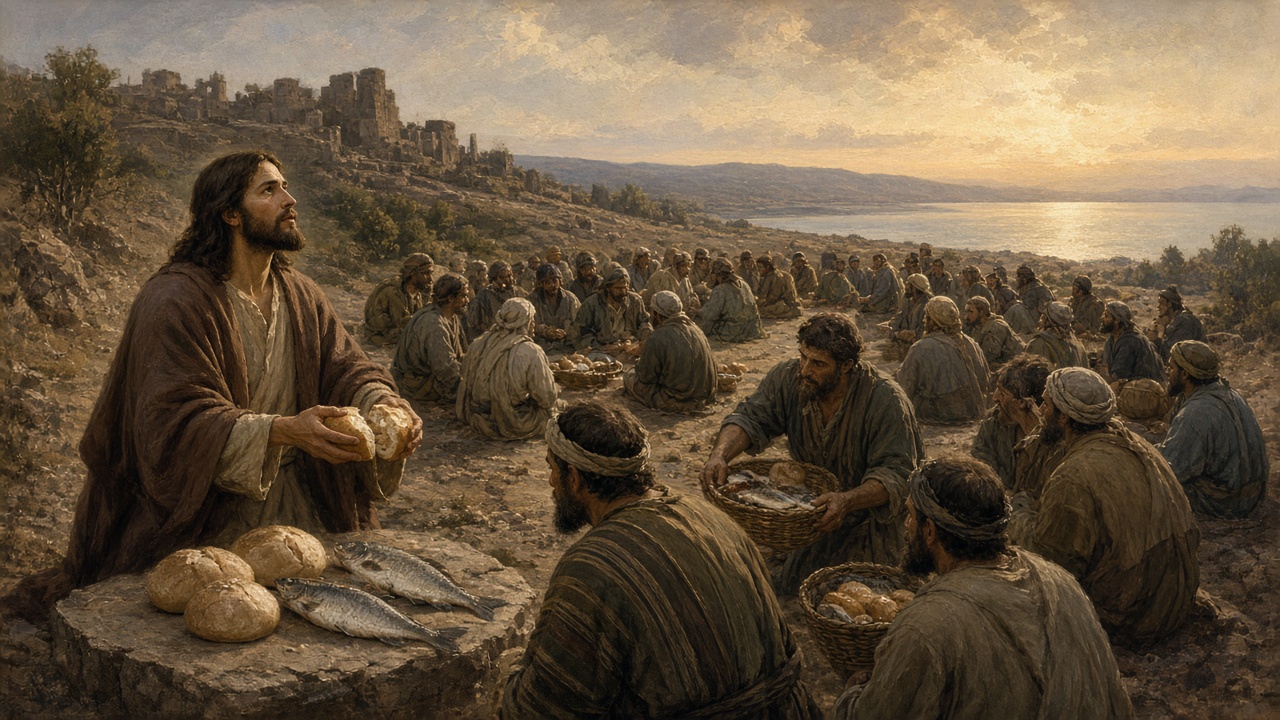
10Ã yoa Jesu to warocarina tiro cahapʉ tju sʉa, ti yoarire yahuha Jesure. Ti yahu tuhsʉchʉ Jesu tina dihtare Betsaida wama tiri macapʉ sʉho wahamaha. 11Ti waharire masia, masa payʉ tinare nʉnʉ ti wahcãha. Jesure ti mʉ sʉchʉ ñʉno piti bocasiniha Jesu tinare. Ã jiro tiro Cohamacʉ masare pʉhtoro to noano sʉho jiare tinare yahu, dohatiinare noaina wahachʉ yoaha.
12Ñamichahapʉ doce to buheina tiro cahapʉ sʉ, Jesure õ sehe ni yahuha:
—Õ masa marienopʉ jira. Õ majano macaa macaripʉ, daa macaricãpʉ cʉ̃hʉre ahrina masare warocaga. Carĩa ti chʉhti cjihtire maca dutiga tinare —niha tina Jesure.
13Ti ã nichʉ Jesu õ sehe ni yʉhtiha tinare:
—Ã nienata chʉare waga tinare —niha.
To ã nichʉ tʉhoa tina õ sehe ni yʉhtiha:
—Cʉ̃ wamomaca pihtia pão curiri, pʉaro wahi tó purocãta cjʉaja mari. ¿Ahrina payʉ masa ti chʉhti cjihtire nuchʉbocari sã? —niha to buheina.
Payʉ masa ti jichʉ ñʉa ã niha to buheina. Tópʉre cinco mil mʉa jiha. (Numia, macanacã cʉ̃hʉ jiha.) Ã jiro Jesu õ sehe ni yahuha to buheinare:
—Cincuenta masare cʉ̃ curuai duji dutiga. Paye curuari cʉ̃hʉre tópeinata duji dutiga —niha Jesu to buheinare.
15To ã nichʉ to buheina to dutiriro seheta yoa, jipihtina masare duji dutiha. 16Duji duti tuhsʉ Jesu cʉ̃ wamomaca pihtia pão curirire pʉaro wahi mehne na, mʉanopʉ ñʉha. Ã ñʉno Cohamacʉre “Noana”, niha. To ã niri baharo pão curirire nuha, to buheinare masare witi dutiro waha. 17Ti ã witi tuhsʉchʉ, tina jipihtina masa chʉ, yapi yʉhdʉa wahaha. Ti yapi wahyorire doce pʉhʉse waro wahpo dapoha to buheina.
Jesu potocã Cristo to jiare Cohamacʉ warocariro to jiare yahuha Pedro
18Cʉ̃ dacho Jesu cʉ̃irota jiro, Cohamacʉre sinino niha. To ã sinino watoi to buheina tiro cahapʉ sʉha. Ã jiro Jesu õ sehe ni sinitu ñʉha tinare:
—¿Diro baro jicari yʉhʉ masa yʉhʉre ti tʉhotuchʉ? —ni sinitu ñʉha.
19To ã sinituchʉ tʉhoa to buheina õ sehe ni yʉhtiha:
—“João masare bautisariro jira”, nina mʉhʉre. Paina “Elia cjiro jira”, nina. Paina “Panopʉ macariro Cohamacʉ yare yahu mʉhtariro cjiro masa wijariro cjiro jira”, nina mʉhʉre —ni yʉhtiha to buheina sehe tirore.
20Ti ã niri baharo Jesu tinare õ sehe ni sinitu ñʉha tjoa:
—¿Mʉsa sehe mʉsa tʉhotuchʉ diro baro jicari yʉhʉ? —ni sinitu ñʉha tjoa.
—Mʉhʉ Cristo Cohamacʉ warocariro jira —ni yʉhtiha Pedro.
Jesu to yariahto cjihtore yahuha
21Ã yoa Pedro “Cristo jira mʉhʉ”, to nirire painare Jesu yahu site dutieraha to buheinare. 22Ã ni yahu site dutiera tuhsʉ õ sehe ni namoha:
—Yʉhʉ masʉno Cohamacʉ warocariro tuaro ñano yʉhdʉihca. Ãta yʉhdʉro cahmana yʉhʉre. Ã jia mari coyea judio masare buheina, bʉcʉna, sacerdotea pʉhtoa mehne yʉhʉre cahmaeraa, yʉhʉre wajãahca. Ti ã wajãri baharo tia dacho wahaboroi masa mʉjaihca —niha Jesu tinare.
23Baharo jipihtinare õ sehe ni yahuha Jesu:
—Cʉ̃iro yʉ yairo ji duaro, to cahmano yoa duamarine duhunocanohca. Ã yoa crusapʉ yʉ ñano yʉhdʉhtiro seheta yʉ yairo to jiri buhiri ñano yʉhdʉparota yʉhʉre duhusi. Ã jiro yʉ yare yoarucuriro jirohca. 24Masʉno yʉhʉre wacũno marieno to mʉ sʉro to cahmano seheta yoariro pichacapʉ tiro waharohca. Ã jiro yʉ yare ã yoarucuriro jipihtia dachoripe yʉhʉ mehne mʉanopʉ jirucurohca. 25¿Cʉ̃iro masʉno ahri yahpa macaare jipihtiare cjʉariro Cohamacʉre cahmaeraro pichacapʉ waharo yabare wapatajari tiro? Ã jiriro ne wapataerara. 26Cãina yʉhʉre, yʉ buheare bʉo tiboca. Ti ã yoachʉ ñʉcʉ yʉhʉ cʉ̃hʉ yʉhʉre ã yoainare bʉo tisãaihca. Yʉhʉ masʉno Cohamacʉ warocariro noaina anjoa ti si sitea mehne, yʉ si sitea mehne, yʉ Pʉcʉ to si sitea mehne tjua tacʉ tinare bʉo tisãaihca. 27Potocã niita nija mʉsare. Mipʉre cãina mʉsa õpʉre jiina mʉsa yariahto pano Cohamacʉ jipihtina bui pʉhtoro noano to sʉho ji dʉcachʉ ñʉnahca —niha Jesu tinare.
Jesu pjacʉ cohtotaha
28Ã yoa ocho dachori tíre to yahuri baharo Jesu Pedrore, Joãore, Santiagore tina dihtare pjiha. Ã yoa waha, Cohamacʉre sinia waha, tʉ̃cʉpʉ mʉjaa wahaha tina. 29Cohamacʉre to sinino watoi Jesu wʉhdʉa cohtotaha. To ã cohtotachʉ to suhtiro minoari suhtiro noano yehseri suhtiro wahaha. 30To ã waharo watoi pʉaro mʉa tiro mehne durucua niha. Durucuina sehe Elia cjiro, Moise cjiro jiha. 31Tina mʉano macaa si sitea mehne bajuaha. Jesu baharocãta Jerusalẽpʉ to yariahtore tina Jesu mehne durucua niha. 32Pedro cʉ̃hʉ wʉjo caha yʉhdʉaha. Ã carĩpahta cʉa wahcã wihi Jesu to si siteare ñʉa, pʉaro tiro mehne ducuina cʉ̃hʉre ñʉha. 33Moise cjiro cʉ̃hʉ ti wahahto panocã Pedro Jesure õ sehe nimaha:
—Pʉhtoro, mari õre jichʉ noa duara. Tia wʉhʉcã yoanahtja. Mʉ ya wʉhʉcã, Moise ya wʉhʉcã, Elia ya wʉhʉcã yoanahtja —nimaha Pedro.
à niparota to nirire ne masieraha. 34To ã ni durucuro watoi tinare me curua duji boro pja sʉha. To ã duji boro pja sʉchʉ ñʉa tina cuia wahaha. 35Tuhsʉ, me curua puhichapʉ õ sehe ni durucuro coa taha:
—Ahriro yʉ macʉ, yʉ beseriro jira. Noano tʉhoga tirore —nino coa taha me curua puhichapʉ.
36To ã nino coa tari baharo Jesu dihtare ñʉha tina. Baharo ti ñʉrire painare yahueraha. Ne cʉ̃irore yahueraha.
Jesu watĩno to cohtotarirocãre noariro wahachʉ yoaha
37Pa dachoi tina tʉ̃cʉpʉ ti duji tachʉ payʉ masa Jesure piti bocaha. 38Ã jiro tina mehne macariro Jesure õ sehe ni pisuha:
—Buheriro, mʉhʉre tuaro ahrire sini duaja yʉhʉ. Yʉ macʉ cʉ̃irota jira. Ã jicʉ tirore ñʉbasaga mʉhʉ. 39Watĩno tirore ñaha, sañurucuchʉ yoa, tunu teterechʉ yoa, sahpo tua wahachʉ yoaa tihre. Ã yoaro watĩno yʉ macʉre ñano yʉhdʉchʉ yoa, ne duhu duaerara. 40Mʉ buheinare watĩnore cohã wio duticʉ tuaro sinimahi. Yʉ ã sinipachʉta tina sehe tirore cohã wio masierare —niha tiro Jesure.
41To ã nichʉ Jesu sehe õ sehe niha:
—Mipʉ macaina mʉsa ñaina jira. ¿Yʉhʉre ne wacũ tuaeraputiajari? Yoabiari pja mʉsare buhemaja yʉhʉ. ¿Noho puro yoari pja yʉhʉre mʉsa caribobocari? —ni tuhtiha Jesu.
à ni tuhsʉ watĩno ti cohtotariro pʉcʉrore õ sehe niha:
—Mʉ macʉre na tahga —niha.
42To ã niri baharo to macʉno Jesu cahapʉ to taro watoi watĩno sehe tirore yahpapʉ doca caha sʉ, tunu teterechʉ yoaha. To ã yoachʉ Jesu watĩnore wijaa dutiha. To ã wijaa dutichʉ watĩno sãarirocã noariro wahaha. Ã jiro Jesu sehe tirocãre wiaha to pʉcʉrore. 43Cohamacʉ tuaa mehne noariro to wahachʉ ñʉa, jipihtina masa cʉaa wahaha.
Pari turi Jesu to yariahtore, to masahtore yahuha
Masa Jesu to yoarire ti ñʉ, cʉaa wahachʉ Jesu sehe to buheinare õ sehe ni yahuha:
44—Michapucacã yʉ yahuhtire boena tjiga mʉsa. Yʉhʉre Cohamacʉ to warocarirore pairo yʉhʉre ñaha dutiro warohca masare —niha Jesu.
45To ã nipachʉta tina sehe to yahuare noano tʉho ñahaeraha. To yahurire tinare masihto basioeraha. Tí pjata Cohamacʉ tinare tíre tʉho ñaha dutierasiniha. Ã jia tina cuia, tíre tirore sinitu ñʉeraha.
Jesu buheina tina mehne macarirore pʉhtoro sõ duamaha
46Baharo Jesu buheina durucu sayoa niha:
—¿Mari mehne macariro diro sehe pʉhtoro ti cohtotacari? —ni sayoa niha tina ti basi.
47Ti ã nichʉ Jesu sehe ti tʉhotuare masino, nijinocãre to cahai duhu dapo, to buheinare õ sehe ni yahuha:
48—Yʉ yare yoana tana ahrirocãre cahmana yʉhʉ cʉ̃hʉre cahmana mʉsa. Ã yoa yʉhʉre cahmana, yʉhʉre warocariro cʉ̃hʉre cahmana mʉsa. Mʉsa mehne macariro mʉsa cahamacʉno jiro tiro cʉ̃hʉ pʉhtoro tjirohca —niha Jesu.
Marine ñʉ tuhtiriro jieraro, mari mehne macariro jira
49Baharo João Jesure õ sehe ni yahuha:
—Buheriro, mʉ wama mehne watĩare cohãrirore sã ñʉhi. Tiro mari mehne macariro to jierachʉ ñʉna tíre tirore yoa dutiera tihi sã —niha João Jesure.
50To ã nichʉ Jesu Joãore paina buheina cʉ̃hʉre õ sehe ni yahuha:
—Ã niena tjiga mʉsa tirore. Marine ñʉ tuhtiriro jieraro, tiro mari mehne macariro jira —niha Jesu to buheinare.
Jesu Santiagore, João cʉ̃hʉre tuhtiha
51Tí pjare Jesu mʉanopʉ to wahahto panocã, “Jerusalẽpʉ wahaihtja”, niha tiro. Ã nino tópʉ waharo niha. 52Ã jia Jesu to panoi warocaina waha, Samaria yahpa macari macapʉ sʉ, tói Jesu to jihtore cahno duamaha. 53Jesu Jerusalẽpʉ waharo taro niha. Tópʉ wahahtiro to jichʉ tʉhoa, tó macaina tirore cahmaeraha. 54Tíre tʉhoa Santiago, João mehne õ sehe ni yahuha Jesure:
—Pʉhtoro, mʉ cahmachʉ mʉano macari pichaca mehne tinare wajã dutinahca —niha tina tirore.
55Ti ã nichʉ Jesu majare ñʉ, tuhtiha tina pʉarore.
[—Espíritu Santo yaina jira mʉsa. Mipʉ mʉsa tʉhoturo seheta tiro sehe tʉhotuerara. Yʉhʉ masʉno Cohamacʉ warocariro ahri yahpapʉ tacʉ pichacapʉ wahaborinare yoadohohtiro tai. Masare butichʉ yoacʉ tacʉ nierahi —ni yahuha Jesu.]
56Ã tuhti tuhsʉ, pa macapʉ Jesu cʉ̃hʉ wahaa wahaha.
Paina Jesu mehne wahamaha
57Tina mahai ti wahachʉ, masʉno Jesure õ sehe ni yahuha:
—Mʉhʉ mehne waha duaja nohoi mʉ waharoi —niha tiro.
58To ã ni tʉhsʉchʉ Jesu õ sehe ni yʉhtiha:
—Cãina macaroca macaina wahiquina ti copari cjʉara. Minichahca cʉ̃hʉ ti suhti cjʉara. Yʉhʉ masʉno Cohamacʉ warocariro sehe yʉ carĩri wʉhʉ maeraja —niha Jesu.
59Baharo pairore Jesu pjiha:
—Yʉhʉ mehne macariro cjihto taga —niha.
To ã nichʉ tiro õ sehe ni yʉhtiha Jesure:
—Pʉhtoro, yʉ pʉcʉ to yariachʉ yasinii wahaihtja. Ã ya tuhsʉcʉ pinihta mʉhʉ mehne wahaihtja —niha tiro.
60To ã nichʉ Jesu õ sehe ni yahuha:
—Yʉhʉre cahmaeraina yariaina yoaro seheta jira. Tina sehe yariainare yajaro. Ã jicʉ mʉhʉ sehe Cohamacʉ masare pʉhtoro to noano sʉho jiare noaa buheare buhei taga —niha Jesu tirore.
61Ã yoa pairo Jesure õ sehe niha:
—Pʉhtoro, mʉhʉ mehne wahaihtja. Wahmanore yʉ coyeare coha sitisinii wahaihtja —niha tiro Jesure.
62To ã nichʉ Jesu õ sehe ni yahuha tirore:
—Wachʉ sahari pjĩne tʉã puriro mehne dahrariro noari dare saha duara. Ã dahrariro to baharo bʉhʉsehere majare ñʉno, noano potori da saha masierara. (Tó seheta Cohamacʉ yare yoaro taro, dahrariro tó pano to jia tiare tuaro wacũboca tíre duhu duaeraro, dahrariro to majare ñʉno seheta.) Ã wacũriro Cohamacʉ mari pʉhtoro yare dahraboriro jierara —niha Jesu.
Did you know?
Mission, identity, and the road to Jerusalem
- Herod the tetrarch, perplexed by reports about Jesus, is Herod Antipas, Herod's son by Malthace. He said he had beheaded John, while some claimed that John had risen from the dead, others that Elijah the Tishbite, the "Elias" of the New Testament, had appeared, and still others that a prophet of old had arisen. One chronology of these events dates John's beheading to AD 29.Sources: Herod Antipas · Elijah · John Beheaded · the Bible text itself
- After the apostles returned, Jesus withdrew with them to a town called Bethsaida, where he welcomed the crowds, spoke about the kingdom of God, and fed about five thousand men with five loaves and two fish. Easton's Bible Dictionary (1897) places this Bethsaida on the east side of the lake, two miles up the Jordan, in the region of Gaulonitis; Philip the tetrarch enlarged it and called it Julias, after the emperor's daughter. Some have supposed there was only one Bethsaida, built on both sides of the lake near where the Jordan enters it; the entry identifies the ruins as et-Tel.Sources: Bethsaida · the Bible text itself
- Peter, originally called Simon, answered that Jesus is "the Christ of God." About eight days later Jesus took Peter, James, and John up a mountain to pray; Moses and Elijah appeared in glory and spoke about the departure Jesus was about to accomplish at Jerusalem. James, elder brother of John and a fisherman in partnership with Peter, was with them; he and John were called Boanerges, "sons of thunder," probably because of their boldness and energy, and later they asked whether they should call down fire from heaven on a village of the Samaritans that would not welcome Jesus because he was heading for Jerusalem.Sources: Simon Peter · James (Son of Zebedee) · the Bible text itself
Notes written with AI assistance from open sources (Theographic Bible Metadata, CC BY-SA 4.0; Easton’s Bible Dictionary, public domain) and reviewed before publishing.
Places in this chapter
Only places identified with high confidence are shown (90% or more according to the scholarly sources compiled by OpenBible). Period map: DARE (Digital Atlas of the Roman Empire), CC BY 4.0; modern map: © OpenStreetMap contributors; places: OpenBible.info (CC BY 4.0).
Credits and license for this translation
Cohamacʉ Yare Yahari Tjuel
New Testament in Guanano
copyright © 2007 Wycliffe Bible Translators, Inc.
Language: Guanano
Translation by: Wycliffe Bible Translators, Inc.
Copyright Information
© 2007, Bible League International. All rights reserved.
This translation text is made available to you under the
terms of the Creative Commons License: Attribution-Noncommercial-No Derivative Works.
( http://creativecommons.org/licenses/by-nc-nd/3.0/ )
In addition, you have permission to port the text to different file formats, as long as you
do not change any of the text or punctuation of the Bible.
You may share, copy, distribute, transmit, and extract portions
or quotations from this work, provided that you include the above copyright
information:
You must give Attribution to the work.
You do not sell this work for a profit.
You do not make any derivative works that change any of the actual words or punctuation of the Scriptures.
Permissions beyond the scope of this license may be
available if you contact
us with your request.
The New Testament
in Guanano
© 2007, Wycliffe Bible Translators, Inc. All rights reserved.
This translation is made available to you under the terms of the
Creative Commons Attribution-Noncommercial-No Derivatives license 4.0.
You may share and redistribute this Bible translation or extracts from it in any format, provided that:
You include the above copyright and source information.
You do not sell this work for a profit.
You do not change any of the words or punctuation of the Scriptures.
Pictures included with Scriptures and other documents on this site are licensed just for use with those Scriptures and documents.
For other uses, please contact the respective copyright owners.
2014-08-06
Source: http://ebible.org/gvc/ · eBible.org