Luke 10
Cohamacʉ Yare Yahari Tjuel · Tap a verse to see its cross-references.
Jesu setenta y dos buheinare buhe dutiro warocaha
1Baharo Jesu paina buheinare setenta y dos buheinare bese, macaripepʉ to wahahto pano warocayuha. Cãa macaripʉre pʉaro dihta warocaha tiro. 2Ã warocaro õ sehe ni yahuha tinare piti dahre buhero:
—Trigo payʉ ti bʉcʉa tuhsʉchʉ payʉ jichʉ dahraa pjíro jira. Wiho mejeta dahraina sehe mahainacã jira. Tó seheta noaa buheare tʉhohtina payʉ jichʉ pjíro jira mari dahraa. To ã jipachʉta mahainacã dahrari masa yoaro seheta noaa buheare buhehtina cʉ̃hʉ mahainacã jira. Ã jina noaa buheare buhehtinare painare to warocahtore siniga Cohamacʉre mʉsa. 3Wahaga mʉsa. Mʉsare yʉ warocachʉ mʉsa oveja pohna yaya watoi ti jiro seheta mʉsa cʉ̃hʉ ñaina suaina watoi jinahca. 4Niñeru wajure, bʉjʉawacũa waju cʉ̃hʉre, dahpo suhtire naaena tjiga. Mʉsa mahai tinina painare boca sʉ durucuena tjiga. Poto wahaga. 5Jipihtia mʉsa sãa wʉhʉsepʉ sãahna “Ahri wʉhʉ macaina noano jijaro”, ni mʉhtaga. 6Tí wʉhʉ macaina noano mehne jiina cahmachea marieina ti jichʉ, tíre niga tinare. Noano mehne ti jierachʉ ñʉna tí wʉhʉ macainare ã niena tjiga. 7Cʉ̃ wʉhʉi sãa sʉrʉcana ti noaina jichʉ tí wʉhʉihta tjuaga. Tói ti duhu payorire chʉ, sihnituga. Dahrainare ti wapataare nano cahmana. Ã jina ti wapataare ti nano seheta ti duhu payorire naga mʉsa cʉ̃hʉ. Ã jina cʉ̃ wʉhʉihta mʉsa sʉri wʉhʉihta jina, tí maca macaa wʉhʉsepʉ ji tiniena tjiga. 8Macapʉre mʉsa sʉna tó macaina sehe mʉsare ti cahmaina jichʉ ti chʉa ti duhu payorire chʉga. 9Tó macaina dohatiinare noaina wahachʉ yoaga. Ã jina õ sehe niga tinare: “Cohamacʉ mipʉre mari pʉhtoro noano to sʉho jihtore yahuna nija mʉsare”, niga tinare. 10Pa macapʉ mʉsa sʉchʉ tina sehe mʉsare cahmaeraboca. Ti ã cahmaerachʉ ñʉna tí maca dacho macapʉ waha, õ sehe niga tinare. 11“Ahri maca macaa dihta pohcari mene wajã site cũna nija sãre mʉsa cahmaerari buhiri ñona. Ã jina ahrire wacũga. Cohamacʉ mari pʉhtoro mipʉre to noano sʉho jihtore yahuna nija mʉsare”, niga tinare. 12Mʉsare potocã niita nija. Sodoma macaina ñabiaina jiha. Ti ã jipachʉta pihtiri dacho jichʉ Cohamacʉ to buhiri dahreri dacho jichʉ Sodoma macaina yʉhdoro mʉsare cahmaeraina sehere buhiri dahrerohca —niha Jesu.
Paye macari macaina Cohamacʉre yʉhdʉrʉcaina jira
13Baharo Jesu õ sehe niha macari macainare:
—Corazĩ macaina, mʉsa ñano yʉhdʉnahca. Betsaida macaina, mʉsa cʉ̃hʉ ñano yʉhdʉnahca. Mʉsa ya macaripʉre Cohamacʉ tuaa mehne yoa ñomahi. Tiro wama tiri macare, Sidõ wama tiri maca cʉ̃hʉre to tuaa mehne yʉ yoa ñochʉ ñʉa tó macaina sehe ti ñaare cahyaboa. Ã yoaa “Noaina jija”, ni ti tʉhotumari cjirire tʉhotu cohtotaboa. Dóihta tina duji, cahyaa suhtire sãa, ti basi niti pohcare ti bui dahra site payoboa ti ñaare cahyaare ñoa. 14Cohamacʉ to buhiri dahreri dacho jichʉ Tiro macaina, Sidõ macaina yʉhdoro ñaa buhiri tiina mʉsa jiri buhiri mʉsare ñano waro buhiri dahrerohca tiro. 15Capernau macaina, mʉsa mʉ sʉro mʉanopʉ waha duamana. Mʉsa ã waha duapachʉta mʉsa ñaa buhiri tiina mʉsa jiri buhiri mʉsare Cohamacʉ pichacapʉ cohãnohca —niha Jesu.
16Ã ni tuhsʉ Jesu to buheinare õ sehe ni yahuha:
—Mʉsare tʉhoina yʉhʉ cʉ̃hʉre tʉhora. Mʉsare cahmaeraina, yʉhʉ cʉ̃hʉre cahmaerara. Ã jia yʉhʉre cahmaeraina, tina yʉhʉre warocariro cʉ̃hʉre cahmaerara —niha Jesu tinare.
Setenta y dos buheina tju wihiha
17Baharo setenta y dos buheina wahchea mehne tju wihiha:
—Pʉhtoro, mʉ wama mehne mʉ tuaa mehne watĩare sã dutichʉ tina sehe sãre yʉhdʉrʉcaerare —niha tina Jesure.
18Ti ã nichʉ Jesu õ sehe ni yʉhtiha tinare:
—Mʉanopʉ to oroca site bora taro seheta, watĩno to bora tachʉ ñʉhi. 19Noano tʉhoga. Mʉsare yʉ tuaare wahi yʉhʉ. Ã jina agãare, pichõno soroare, watĩnore marine ñʉ tuhtirirore mʉsa yʉhdʉrʉcahtire wahi yʉhʉ. Ã jia tina mʉsare ñano yoa masierara. 20Yʉ ã wapachʉta watĩa mʉsare ti yʉhdʉrʉcaerachʉ ñʉna tí dihtare wahchena tjiga. Ahri sehere wahchega. Mʉanopʉ Cohamacʉ yaina ti wamare to joa õri tjui mʉsa wamare to joa õchʉ ñʉna, tí sehere wahchega mʉsa —niha Jesu tinare.
Jesu wahcheha
21Tí pjare Espíritu Santo Jesure tuaro wahchechʉ yoaha. Ã jiro Jesu õ sehe niha:
—Mai, mʉhʉ mʉanopʉ cʉ̃hʉre yahpapʉ cʉ̃hʉre pʉhtoro jira. Masi yʉhdʉrʉcʉ sʉinare mʉ yahuerari cjirire wiho jiina sehere yahure mʉhʉ. Mʉ ã yoachʉ ñʉcʉ “Noa yʉhdʉara”, nija. Ã tjira, Mai. Mʉ yoa duariro seheta, mʉ cahmariro seheta tinare mʉ yare yahure —niha Jesu.
à ni tuhsʉ painare õ sehe niha:
22—Yʉ Pʉcʉ jipihtiare yʉhʉre ware. Yʉ Pʉcʉ dihta yʉhʉre masina. Yʉhʉ cʉ̃hʉ tirore masija. Yʉ beserina cʉ̃hʉ tirore masina, yʉ masi dutiina jia. Tópeinata yʉ Pʉcʉre masija sã —niha Jesu.
23To ã niri baharo ti sahsero ti jichʉ Jesu to buheinare õ sehe niha:
—Ahri jipihtiare mʉsa ñʉna wahcheina jira. 24Potocã tjira. Payʉ Cohamacʉ yare yahu mʉhtaina cjiri, yahpari macaina pʉhtoa cʉ̃hʉ mipʉ mʉsa ñʉrire ñʉ duamaha tina cʉ̃hʉ. Ã jia mʉsa tʉhori cʉ̃hʉre tʉho duamaha —niha Jesu.
Noariro Samaria macariro quitire yahuha Jesu
25Tí pjata judio masare buheriro Jesu cahai wihi, Jesure ñano to durucuchʉ yoa duamaha tirore yahusã duaro:
—¿Buheriro, yʉhʉ jipihtia dachoripe Cohamacʉ mehne ji duacʉ dohse yoaihcari yʉhʉ? —ni sinituha tiro Jesure.
26To ã nichʉ Jesu õ sehe ni yʉhtiha tirore:
—¿Dohse ni yahujari Cohamacʉ yare ti joari pũi? ¿Cohamacʉ to ni joari cjirire dohse ni tʉhotujarita mʉhʉ? —niha Jesu tirore.
27To ã nichʉ tiro õ sehe ni yʉhtiha:
—Õ sehe niha Cohamacʉ: “Tuaro mʉsa yajeripohnari mehne, noano mʉsa tuaa mehne, mʉsa wacũa mehne Cohamacʉre cahĩga. Ã yoa mʉ basi mʉ cahĩno seheta mʉ cahai jiina cʉ̃hʉre cahĩga” —niha tiro Jesure.
28To ã nichʉ Jesu õ sehe ni yahuha:
—Quihõno nire mʉhʉ. Tíre yoaga. Ã yoacʉ jipihtia dachoripe Cohamacʉ mehne jiihca mʉhʉ —niha tirore.
29“Ahriro Cohamacʉ dutiare yoa pahñoriro jira”, masa tirore ti ni tʉhotuchʉ cahmaha judio masare buheriro. Ã cahmano tiro Jesure õ sehe ni sinituha:
—¿Yabariro baro jicari yʉhʉre mʉ cahĩ dutiriro? —niha tiro.
30To ã nichʉ Jesu õ sehe ni piti dahre quiti mehne yʉhtiha:
—Cʉ̃ dacho Jerusalẽpʉ tariro Jericópʉ wahariro mahai to tinichʉ yacaina tirore ñahaha. Ã ñahaa, to suhtirore tjuwe na, tirore tuaro cjãha. Ã tuaro cjãa, mahano to yariaro cahachʉ waro duhuha tina tirore. 31Tí pjata sacerdote tí mahapʉ taha. Ã taro ti cjãriro cjirore ñʉparota maha pa bʉhʉsehe dʉhtʉ cahai do yʉhdʉ wahcã, yʉhdʉa wahaha. 32Ã yoa Cohamacʉ wʉhʉi dahrariro cʉ̃hʉ pjacʉoriro cahai sʉ, tirore ñʉ, maha pa bʉhʉsehe coai do yʉhdʉ wahcãa wahaha. 33Ã yoa Samaria macariro sehe tói waha, yoa cureropʉ pjacʉorirore ñʉ, tirore pja ñʉha. 34Ã pja ñʉno, tiro pjacʉoriro cahai sʉ, se, vino mehne morea core to camine pio sihõha. Pio sihõ tuhsʉ suhtiro cahsaro mehne dʉhteha to camine. Tuhsʉ, pjacʉorirore to burro bui duhu payo, carĩni wʉhʉpʉ na sʉha tirore. Tói jiro, Samaria macariro noano ñʉ wihboha tirore. 35Pa dachoi tiro carĩni wʉhʉ pʉrore pʉa tʉ niñeru tʉrire wa, õ sehe niha: “Ahrirore ñʉ wihboga. Ahri mʉ sʉerachʉ pari turi tjua tacʉ wapa pahñoihtja”, niha Samaria macariro wʉhʉ pʉrore —niha Jesu.
36Ã ni tuhsʉ judio masare buherirore õ sehe ni sinituha Jesu:
—¿Ahrina tiaro mʉa diro sehe jijari pjacʉorirore cahĩriro? —niha Jesu.
37To ã nichʉ tʉhoro buheriro sehe Jesure õ sehe ni yʉhtiha:
—Pjacʉorirore yoadohoriro jica tirore cahĩriro —niha tiro Jesure.
—Wahaga. Mʉhʉ cʉ̃hʉ masare tó seheta yoai wahaga —niha Jesu buherirore.
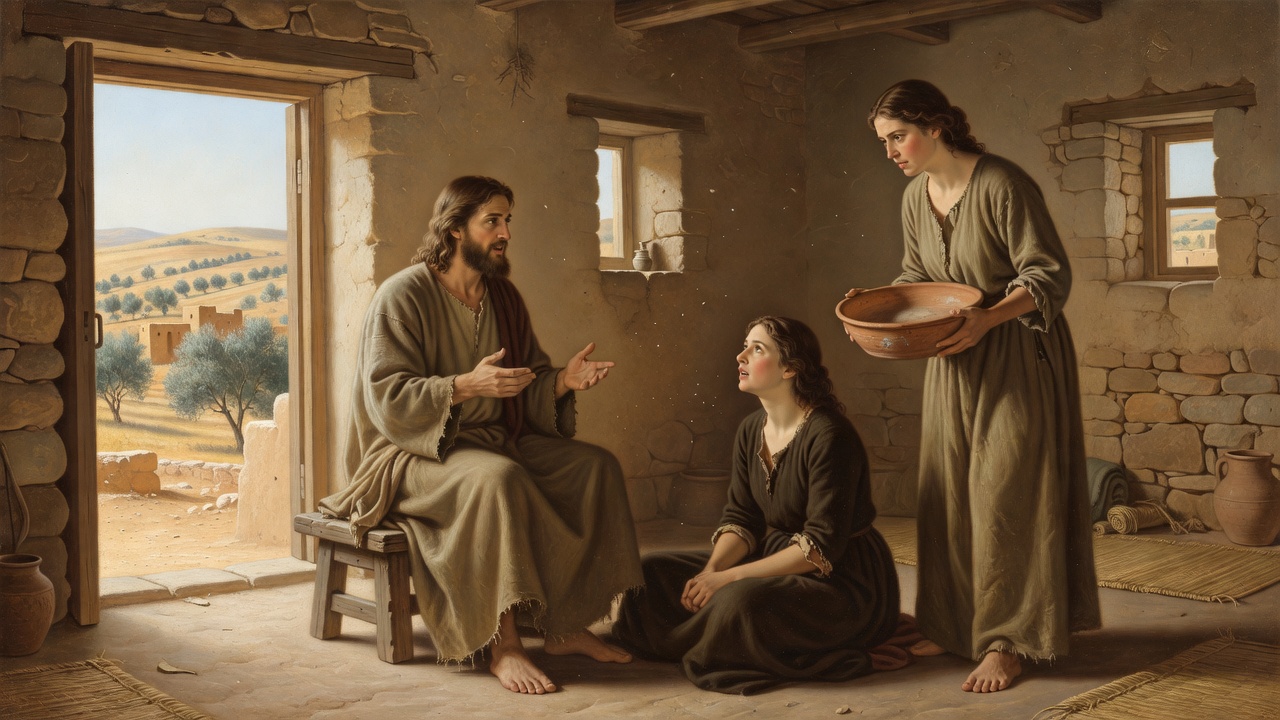
Marta, María cʉ̃hʉ cahai Jesu tiniha
38Ã yoa Jesu to buheina mehne ti wahachʉ, pa macapʉ ti tinichʉ, Marta wama tiricoro tinare to wʉhʉi sãa ta dutiha. 39To bahoro María to dahpori cahai duji, to buheare tʉhoha. 40To ã yoachʉ ñʉno Marta to dahraa pjíro jichʉ suaha. Ã jiro ticoro Jesure õ sehe ni sinituha:
—Pʉhtoro, ¿yʉhʉ cʉ̃coro yʉ dahrachʉ yʉhʉre yʉ baho to yoadohoerachʉ mʉhʉre noajari, mʉ ñʉchʉ? Ticorore yʉhʉre yoadoho dutiga —niha Marta Jesure.
41To ã nichʉ Jesu õ sehe ni yʉhtiha:
—Marta, dahraa pjíro cjʉaco pjíro tʉhotura mʉhʉ. 42Cohamacʉ to yare tʉho dutira. María noaare yoaro taro tíre cahmahre. Ã jicʉ yʉhʉre to tʉhochʉ “Dahradohoco wahaga”, nieraja ticorore —niha Jesu Martare.
Did you know?
The mission, the towns, and Martha and Mary
- Easton's Bible Dictionary (1897) identifies Chorazin, named in this chapter's woes along with Bethsaida and Capernaum, with Kerazeh, about two and a half miles up the Wady Kerazeh from Capernaum. It says that after Jesus was expelled from Nazareth, Capernaum became his own city. The chapter compares those towns with Tyre and Sidon; the dictionary calls Sidon the first home of the Phoenicians on the coast of Palestine and the mother city of Tyre, about twenty-five miles north of Tyre.Sources: the Bible text itself · Chorazin · Capernaum · Sidon
- Easton's Bible Dictionary (1897) gives the name Martha as meaning bitterness, and says that she, her sister Mary, and their brother Lazarus lived at Bethany, with Martha probably the eldest. Because this passage calls the house hers, the dictionary notes that some have supposed she was a widow and that her brother and sister lodged with her. It describes her as anxious and bustling in caring for her guest, unlike Mary, who sat at Jesus' feet and listened.Sources: the Bible text itself · Martha · Mary (sister of Lazarus)
- The Lord appoints seventy-two others and sends them two by two ahead of him, and an event chronology dates that sending to AD 29. When they return, rejoicing that even the demons submit in his name, he says he saw Satan fall like lightning from heaven. Easton's Bible Dictionary (1897) explains the name Satan as adversary or accuser, and notes that the New Testament uses it interchangeably with the devil more than thirty times.Sources: the Bible text itself · 70 Sent Out · Satan
Notes written with AI assistance from open sources (Theographic Bible Metadata, CC BY-SA 4.0; Easton’s Bible Dictionary, public domain) and reviewed before publishing.
Places in this chapter
- Sidon · Today: Sandikli archaeological site in Sidon · 33.561, 35.372 · verses 13, 14
- Tyre · 33.271, 35.196 · verses 13, 14
- Jericho · Today: Tell el Alayiq · 31.852, 35.436 · verse 30
- Jerusalem · 31.777, 35.234 · verses 30, 38
Only places identified with high confidence are shown (90% or more according to the scholarly sources compiled by OpenBible). Period map: DARE (Digital Atlas of the Roman Empire), CC BY 4.0; modern map: © OpenStreetMap contributors; places: OpenBible.info (CC BY 4.0).
Credits and license for this translation
Cohamacʉ Yare Yahari Tjuel
New Testament in Guanano
copyright © 2007 Wycliffe Bible Translators, Inc.
Language: Guanano
Translation by: Wycliffe Bible Translators, Inc.
Copyright Information
© 2007, Bible League International. All rights reserved.
This translation text is made available to you under the
terms of the Creative Commons License: Attribution-Noncommercial-No Derivative Works.
( http://creativecommons.org/licenses/by-nc-nd/3.0/ )
In addition, you have permission to port the text to different file formats, as long as you
do not change any of the text or punctuation of the Bible.
You may share, copy, distribute, transmit, and extract portions
or quotations from this work, provided that you include the above copyright
information:
You must give Attribution to the work.
You do not sell this work for a profit.
You do not make any derivative works that change any of the actual words or punctuation of the Scriptures.
Permissions beyond the scope of this license may be
available if you contact
us with your request.
The New Testament
in Guanano
© 2007, Wycliffe Bible Translators, Inc. All rights reserved.
This translation is made available to you under the terms of the
Creative Commons Attribution-Noncommercial-No Derivatives license 4.0.
You may share and redistribute this Bible translation or extracts from it in any format, provided that:
You include the above copyright and source information.
You do not sell this work for a profit.
You do not change any of the words or punctuation of the Scriptures.
Pictures included with Scriptures and other documents on this site are licensed just for use with those Scriptures and documents.
For other uses, please contact the respective copyright owners.
2014-08-06
Source: http://ebible.org/gvc/ · eBible.org