Nahum 3
Tupàn ze'eg · Tap a verse to see its cross-references.
Ze'eg purumuzemumikahy kar haw Nin pe har wanupe
1Nin pe har uzemumikahy putar uzehe zepyk àwàm rehe nehe.
Ta'e ma'erahy purupe ipuraraw kar har romo wanekon a'e wà xe. Nin tynehem temu'emaw pupe.
Tynehem purupetekaw pupe no, puruzuka haw pupe no.
Tuweharupi teko uzapo ikatu 'ym ma'e wà. Imunar wà. Upuruzuka wà.
2Peinu katu kawaru wapetekaw ipok mehe kury.
Peinu katu ywyramawa iànoànog mehe.
Pe pe ur kawaru waiko uzàn pà wà.
Ywyramawa zeàmàtyry'ymawhu pe har ur waiko uzàn pà wà no.
3Kawaru ku'az har uzàmàtyry'ym wà wà.
Uzuka wàmàtyry'ymar takihepuku heny katu ma'e pupe wà, purukutukawhu heny katu ma'e pupe wà no.
Heta umàno ma'e kwer pe nànàn wà, tàpuz nànàn wà no.
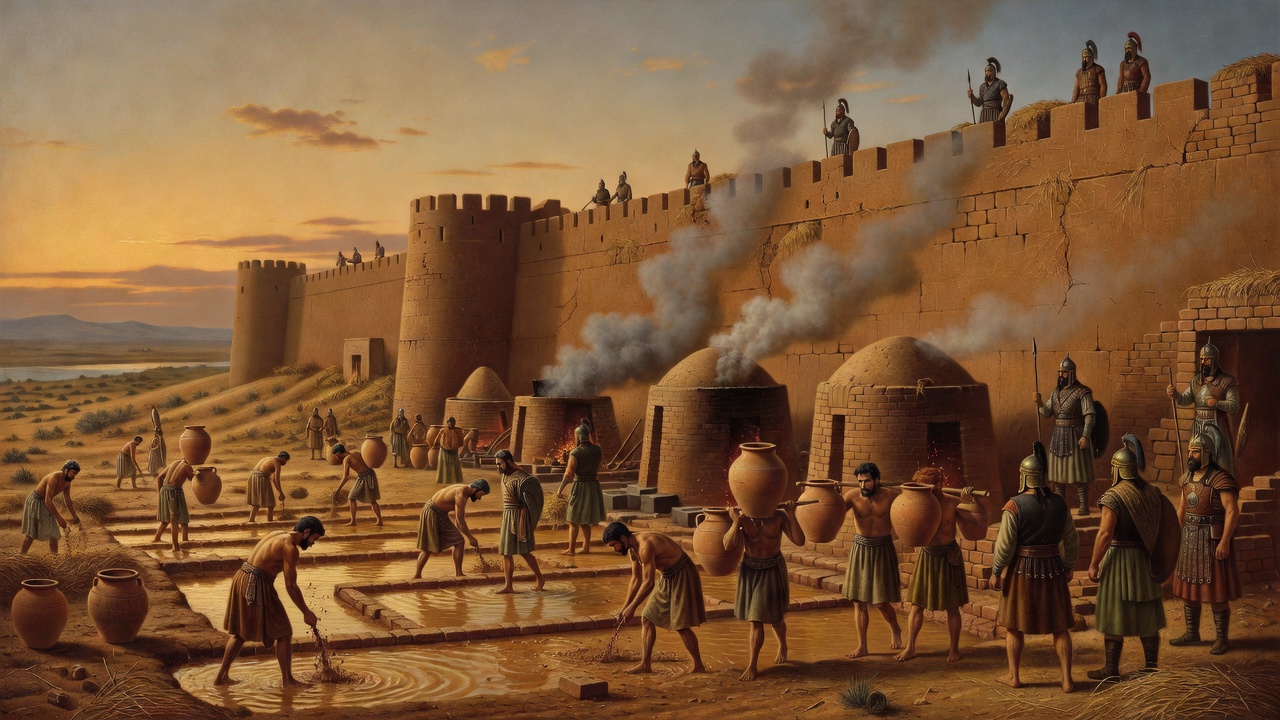
Heta tetea'u umàno ma'e kwer wanetekwer wà. Zauxiapekwer uzepyapi wanetekwer wanehe wà.
4Nin a'e, nuzawy kwaw kuzàwyzài a'e. Zauxiapekwer uzepyk waiko hehe wà.
Ipuràg eteahy a'e. Ipaze a'e no.
Uzapo ipaze ma'e wanemiapo zàwenugar a'e, teko tetea'u waneityk pà a'e.
Kuzà wyzài romo weko haw pupe upyhyk teko tetea'u wà.
5Tupàn Tuweharupi Wiko Ma'e ikàg wera'u ma'e uze'eg nezewe kury.
— Nin tawhu. Aiko neàmàtyry'ymar romo ihe.
Anuhem putar neropoz newi nehe. Urezar putar ma'e 'ym ima'e romo nehe.
Teko paw nerexak putar nezewe wà nehe.
Wexak putar nemaranugar haw wà nehe no.
6Nurereko katete kwaw ihe nehe.
Urupyk putar neipiw haw pupe nehe.
Teko paw ipytuhegatu putar nemaranugar haw rehe ume'e pà wà nehe.
7Nerexak arer paw uzàwehem putar newi wà nehe.
— Heityk pyrer romo hekon Nin a'e kury, i'i putar nerehe wà nehe.
Ni amo nanepuhareko kwaw wà nehe.
Ni amo nanepytywà kwaw nezemumikahy mehe wà nehe.
8Nin. Aipo nekatu wera'u Tema tawhu Ezit ywy rehe har ikàg ma'e wi. Amo yrykawhu uwyryk a'e tawhu huwake a'e no, ipyro pà iàmàtyry'ymar wanuwi a'e no. Yrykawhu Niru her ma'e nuzawy kwaw pàrirogawhu a'e tawhu izewyr har a'e. 9Tew tawhu pe har wiko Ezit wanuwihaw romo Exio wanuwihaw romo a'e wà. Ikàg wera'u amogwer tawhu wanuwi upaw rupi a'e. Teko Irim ywy rehe har wiko wamyrypar romo a'e 'ar rehe wà. 10Nezewe rehe we zauxiapekwer upyhyk Tew pe har waneraha pà wemipyhyk kwer romo wà. Weraha waiwy wi wà. Uzuhazuhaw kwarer pe iapar haw zekàgaw pe wà. Waàmàtyry'ymar omomor ita'i ma'e papar haw hereko har wà, tuwihaw wazar ràm romo wanexanexak pà wà. A'e re weraha wemipyhyk kwer a'e wi kyhàhàmtàtà pupe iàpixipixi pyrer romo wà.
11Nin, ereka'u putar nehe. Ere'are'ar putar neata mehe nehe, neàmàtyry'ymar wi nezàwehem pà nezeagaw pà nehe. 12Penàpuzuhutàtà nuzawy kwaw pi 'yw i'a tetea'u ma'e. Aze amo umutuhug pi 'yw nehe, pi i'a kwer u'ar putar hehe ipuru'u wer ma'e zuru pupe nehe. 13Zauxiapekwer penehe we har na'ikàg kwaw kuzà ài wà. Tawhu hukenaw uzewàpytymawok. Peàmàtyry'ymar upuner wixe haw rehe tawhu pupe wyzài 'ar mehe wà nehe. Ta'e tata umuaiw iwàpytymaw a'e xe.
14Pemonokatu 'y hyruhu pupe nehe. Nezewe mehe zauxiapekwer peàmàtyry'ymar tawhu izywyr wamàmàn mehe, uhyk putar 'y peme nehe. Pemukàg kar wi putar penàpuz tàtà nehe no. Pemuzuwa to'om nehe, ywy tàtà iapo pà nehe. 15Nezewe rehe we tata pezuka putar nehe. Aze ru'u pemàno putar zeàmàtyry'ymawhu pe nehe. Tukur u'u arozràn paw wà. Nezewegatete peàmàtyry'ymar zauxiapekwer pemumaw putar wà nehe no. Peneta tetea'u tukur ài nehe. 16Heta tetea'u zahytata ywak rehe wà. Heta tetea'u wera'u ma'eme'egar peinuinuromo har zahytata wanuwi wà. Oho paw a'e wà kury. Arozràn i'u re tukur uma'ema'e upepozaz ko wi uwewe pà wà. Nezewegatete a'e ma'eme'egar oho xe wi wà no. 17Tawhu pe har wanuwihaw wà, wanupe uma'ereko ma'e wà no. Nuzawy kwaw tukur huwixàg mehe ywyok rehe wezyw ma'e wà. Nan kwehe tete kwarahy uzypyrog uhyape katu haw. Na'e tukur uwewe oho wà. Ni amo nukwaw kwaw waho àwàm wà.
18Axir wanuwihawete umàno a'e. Hehe we har tuwihaw umàno a'e wà no. Zauxiapekwer wanuwihaw umàno a'e wà no. Wanemiruze'eg teko uhàuhàz ywytyruhu nànàn wà. Naheta kwaw wamono'og wi har wà. 19Naheta kwaw muhàg wakutuk awer rehe àràm. Naheta kwaw wamukatu àwàm. Ma'erahy ipuraraw pawer imume'u haw henu har paw hurywete wà. Uzepopetepetek wà. Ta'e naheta kwaw wapurumuahy kar awer wi uzepyro ma'e kwer wà xe. Upuraraw kar tuwe ma'erahy purupe tuweharupi wà. Upaw.
Did you know?
The Inevitable Fall of Nineveh
- Nahum warns Nineveh by pointing to the fall of Thebes, a great city protected by the waters of the Nile and allied with Cush, Egypt, and Put. Despite its formidable natural water defenses and regional alliances, Thebes was conquered and its nobles were carried into captivity.Sources: the Bible text itself · Thebes · Cush · Put
- The prophet mockingly commands Nineveh to prepare for siege by drawing water, working clay, and treading mortar to reinforce its mud-brick fortifications. Even with these extensive preparations, the text proclaims that fire and the sword would consume the city.Sources: the Bible text itself
- Nahum compares Nineveh's guards and officials to swarming locusts that cluster on stone walls on a cold day. As soon as the sun rises, the swarms fly away and vanish, illustrating how quickly Assyria's leadership and defenders would scatter and disappear.Sources: the Bible text itself
Notes written with AI assistance from open sources (Theographic Bible Metadata, CC BY-SA 4.0; Easton’s Bible Dictionary, public domain) and reviewed before publishing.
Places in this chapter
- Nineveh · 36.359, 43.153 · verses 1, 4, 7, 11
- Nile · Today: Nile River · 31.465, 30.367 · verse 8
- Thebes · 25.721, 32.610 · verses 8, 10
- Cush · Today: Cush 1 · 16.935, 33.751 · verse 9
- Egypt · 30.129, 31.308 · verse 9
- Libya · 32.821, 21.851 · verse 9
- Assyria · 36.359, 43.153 · verse 18
Only places identified with high confidence are shown (90% or more according to the scholarly sources compiled by OpenBible). Period map: DARE (Digital Atlas of the Roman Empire), CC BY 4.0; modern map: © OpenStreetMap contributors; places: OpenBible.info (CC BY 4.0).
Credits and license for this translation
Tupàn ze'eg
Bible without Deuterocanon in Guajajára (BR:gub:Guajajára)
copyright © 2007 Wycliffe Bible Translators, Inc.
Language: Guajajára
Translation by: Wycliffe Bible Translators, Inc.
Guajajára [gub], Brazil
Copyright Information
© 2007, Wycliffe Bible Translators, Inc. All rights reserved.
This translation text is made available to you under the
terms of the Creative Commons License: Attribution-Noncommercial-No Derivative Works.
( http://creativecommons.org/licenses/by-nc-nd/3.0/ )
In addition, you have permission to port the text to different file formats, as long as you
do not change any of the text or punctuation of the Bible.
You may share, copy, distribute, transmit, and extract portions
or quotations from this work, provided that you include the above copyright
information:
You must give Attribution to the work.
You do not sell this work for a profit.
You do not make any derivative works that change any of the actual words or punctuation of the Scriptures.
Permissions beyond the scope of this license may be
available if you contact
us with your request.
Printed book ISBN 9788531109713
The Bible without Deuterocanon
in Guajajára
© 2007, Wycliffe Bible Translators, Inc. All rights reserved.
This translation is made available to you under the terms of the
Creative Commons Attribution-Noncommercial-No Derivatives license 4.0.
You may share and redistribute this Bible translation or extracts from it in any format, provided that:
You include the above copyright and source information.
You do not sell this work for a profit.
You do not change any of the words or punctuation of the Scriptures.
Pictures included with Scriptures and other documents on this site are licensed just for use with those Scriptures and documents.
For other uses, please contact the respective copyright owners.
2020-03-30
Source: http://ebible.org/gubBl/ · eBible.org