Leviticus 27
Tupàn ze'eg · Tap a verse to see its cross-references.
Teko, ma'ema'e Tupàn pe imonokatu pyr
1Tupàn Tuweharupi Wiko Ma'e omono ko uze'eg Moizez pe. 2— Emono ko heze'eg Izaew wanupe nehe, i'i izupe. Amo teko uzemume'u Tupàn Tuweharupi Wiko Ma'e pe ima'ereko haw iapo har romo wà. Aze amo ihem wer wemimume'u kwer wi nehe, umekuzar katu putar uhem àwàm nehe. 3Tuwihaw wereko amo pape wà. A'e pape umume'u hekuzar a'e. Aze awa wereko 20 kwarahy te 60 kwarahy nehe, omono putar 50 temetarer tàtà parat iapo pyrer nehe. 4Kuzà agwer kwarahy hereko har omono putar 30 temetarer tàtà ma'e parat iapo pyrer wà nehe. 5Aze kwàkwàmo wereko 5 kwarahy te 20 kwarahy nehe, omono putar 20 temetarer tàtà ma'e parat iapo pyrer wà nehe. Kuzàtài agwer kwarahy hereko har omono putar 10 temetarer tàtà ma'e parat iapo pyrer wà nehe. 6Kwarer pitài zahy hereko har te 5 kwarahy hereko har omono putar 5 temetarer tàtà ma'e parat iapo pyrer wà nehe. Kuzàtài a'e kwarer ikwarahy hereko har omono putar na'iruz temetarer tàtà ma'e parat iapo pyrer wà nehe. 7Aze awa wereko wera'u 60 kwarahy nehe, omono putar 15 temetarer tàtà ma'e parat iapo pyrer nehe. Kuzà izàwenugar omono putar 10 temetarer tàtà ma'e parat iapo pyrer wà nehe. 8Aze a'e teko wiko hemetarer 'ym ma'e romo nehe, aze nupuner kwaw imekuzar haw rehe nehe, uze'eg putar oho xaxeto pe nehe. — Màràn erepuner imur haw rehe, i'i putar izupe nehe. A'e mehe wenoz putar a'e temetarer izupe nehe.
9Aze amo umume'u amo ma'ea'yr Tupàn Tuweharupi Wiko Ma'e pe henataromo izuka pyràm romo nehe, a'e ma'ea'yr wiko putar Tupàn pe imonokatu pyr romo nehe. 10Ni amo nupuner kwaw amo ma'ea'yr imono haw rehe hekuzaromo a'e re nehe. Aze amo omono amo ma'ea'yr hekuzaromo nehe, a'e mokoz ma'ea'yr wiko putar Tupàn pe imonokatu pyr romo wà nehe.
11Aze ma'ea'yr na'ikatu kwaw Tupàn henataromo nehe, aze wiko Tupàn Tuweharupi Wiko Ma'e hemimuawyze 'ym romo nehe, a'e mehe teko weraha putar a'e ma'ea'yr xaxeto pe wà nehe. 12Ume'e putar ma'ea'yr rehe nehe. Na'e umume'u putar hekuzar nehe. 13Aze izar ipurume'eg kar wi wer hehe nehe, omono putar hekuzar xaxeto pe nehe. Umuza'ak putar hekuzar 5 ipehegwer romo nehe. Omono putar amo ipehegwer xaxeto pe nehe no.
14Aze amo omonokatu wàpuz Tupàn Tuweharupi Wiko Ma'e pe nehe, xaxeto ume'e putar hàpuz rehe nehe. Na'e umume'u putar hekuzar nehe. 15Aze izar ipurume'eg wi wer hehe nehe, omono putar hekuzar xaxeto pe nehe. Umuza'ak putar hekuzar 5 ipehegwer romo nehe. Omono putar amo ipehegwer xaxeto pe nehe no.
16Aze amo omono uiwypehegwer wa'yr pe nehe, aze ta'yr iporomono wer ipehegwer rehe Tupàn Tuweharupi Wiko Ma'e pe nehe, xaxeto ume'e putar hehe nehe. — Màràn ma'eà'yz amo uzutym putar hehe wà nehe, i'i putar hehe upuranu pà nehe. Na'e umume'u putar hekuzar nehe. Aze amo uzutym putar 100 kir xewar hehe nehe, izarer omono putar 570 kàràm parat hekuzaromo nehe. 17Aze omono a'e ywy pehegwer Tupàn pe kwarahy purumuhem kar haw rehe nehe, umume'u putar hekuzar uhua'u wera'u ma'e nehe. 18Aze upaw kwarahy purumuhem kar haw nehe, xaxeto wexak putar hekuzar nehe. — Màràn kwarahy heta we a'e kwarahy 'ym mehe we, i'i putar nehe. Nezewe mehe hekuzar nuhua'u kwaw nehe. 19Aze ywypehegwer izarer ipurume'eg kar wi wer hehe nehe, omono putar hekuzar imume'u pyrer nehe. Umuza'ak putar hekuzar 5 ipehegwer romo nehe. Omono putar amo ipehegwer xaxeto pe nehe no. 20Aze na'ipurume'eg kar wer kwaw hehe nehe, aze ru'u amo ume'eg kar nehe, izarer nupuner kwaw ime'eg kar haw rehe amo 'ar mehe nehe. 21Kwarahy purumuhem kar haw rehe a'e ywy izar 'ym ma'e romo uzeapo mehe xaxeto omono putar Tupàn Tuweharupi Wiko Ma'e pe nehe. Ywypehegwer Tupàn pe imonokatu pyrer romo a'e nehe. Xaxeto wiko putar izar romo wà nehe.
22Aze amo ume'eg kar amo ywypehegwer nehe, aze a'e re omono Tupàn Tuweharupi Wiko Ma'e pe nehe, 23Xaxeto upapar putar ywypehegwer hekuzar nehe. — Màràn kwarahy heta we a'e kwarahy 'ym mehe we, i'i putar nehe. Nezewe mehe umume'u putar hekuzar nehe. A'e 'ar mehe we awa omono putar hekuzar paw nehe. Omono putar hekuzar Tuweharupi Wiko Ma'e pe nehe no. 24Inugwer kwarahy purumuhem kar haw rehe a'e ywy izarer uzewyr putar izar romo wiko pà nehe. Izypy mehe tu umur izupe a'e.
25Xaxeto ume'e putar pape rehe ma'e hekuzar paw imume'u mehe nehe. Heta putar pitài temetarer tàtà ma'e ikatu ma'e nehe. Xikuru her romo a'e. Pitài xikuru nuzawy kwaw 20 zera.
26Aze amo umugakwaw ma'ea'yr nehe, imemyr ipy wiko putar Tupàn Tuweharupi Wiko Ma'e ima'e romo wà nehe: tapi'ak kuzà imemyr, àràpuhàràn hawitu ma'e kuzà imemyr, àràpuhàrànete kuzà imemyr. Ni amo nupuner kwaw imono haw rehe Tuweharupi Wiko Ma'e pe wà nehe, ta'e a'e ae wiko izar romo a'e 'ar mehe a'e xe. 27Aze a'e ma'ea'yr ihy wiko ikatu 'ym ma'e romo Tupàn henataromo nehe, amo upuner imemyr ime'eg kar haw rehe nehe. Omono putar hekuzar pape rehe imuapyk pyrer rupi nehe. Umuza'ak putar hekuzar 5 ipehegwer romo nehe. Omono putar pitài ipehegwer xaxeto pe nehe no. Aze nume'eg kar kwaw nehe, xaxeto upuner ime'egaw rehe hekuzar rupi nehe.
28Wyzài ma'e nehe, wyzài ma'ea'yr nehe, wyzài teko nehe, aze amo omono Tupàn Tuweharupi Wiko Ma'e pe nehe, ni amo nupuner kwaw ime'egaw rehe wà nehe. Uzeapo ikatuahy ma'e romo a'e. Tuweharupi Wiko Ma'e wiko izar romo. 29Aze tuwihaw umume'u amo teko Tupàn pe imono pyrer izuka àwàm nehe, ni amo nupuner kwaw ime'egaw rehe wà nehe. Pezuka nehe.
30Aze teko omono'og 10 arozràn hyru por wà nehe, omono putar pitài Tupàn Tuweharupi Wiko Ma'e pe wà nehe. Aze opo'o 10 ma'e'a kwer wà nehe, omono putar pitài izupe wà nehe. 31Aze izarer ipurume'eg kar wer a'e imono pyrer ikurer rehe nehe, omono putar hekuzar ma'eme'egaw pe har hekuzaromo nehe. Umuza'ak putar hekuzar 5 ipehegwer romo nehe. Omono putar pitài ipehegwer xaxeto pe nehe no.
32Aze heta 10 ma'ea'yr teko wanehe we wiko ma'e wà nehe, Tupàn Tuweharupi Wiko Ma'e wiko putar pitài a'e ma'ea'yr izar romo a'e nehe, 33aze ikatu nehe, aze na'ikatu kwaw nehe. Izar nupuner kwaw amo ma'ea'yr imono haw rehe hekuzaromo nehe. Aze omono amo hekuzaromo nehe, Tupàn wiko putar a'e mokoz ma'ea'yr wazar romo a'e nehe. Ni amo nupuner kwaw ime'eg kar haw rehe wà nehe.
34Amumaw a'e ze'eg imume'u haw kwez xe kury. Tupàn Tuweharupi Wiko Ma'e omono a'e uze'eg Moizez pe Xinaz ywytyr rehe a'e. — Emono ko heze'eg teko Izaew izuapyapyr wanupe nehe, i'i izupe. Upaw.
Did you know?
Vows, Valuations, and the Sinai Laws
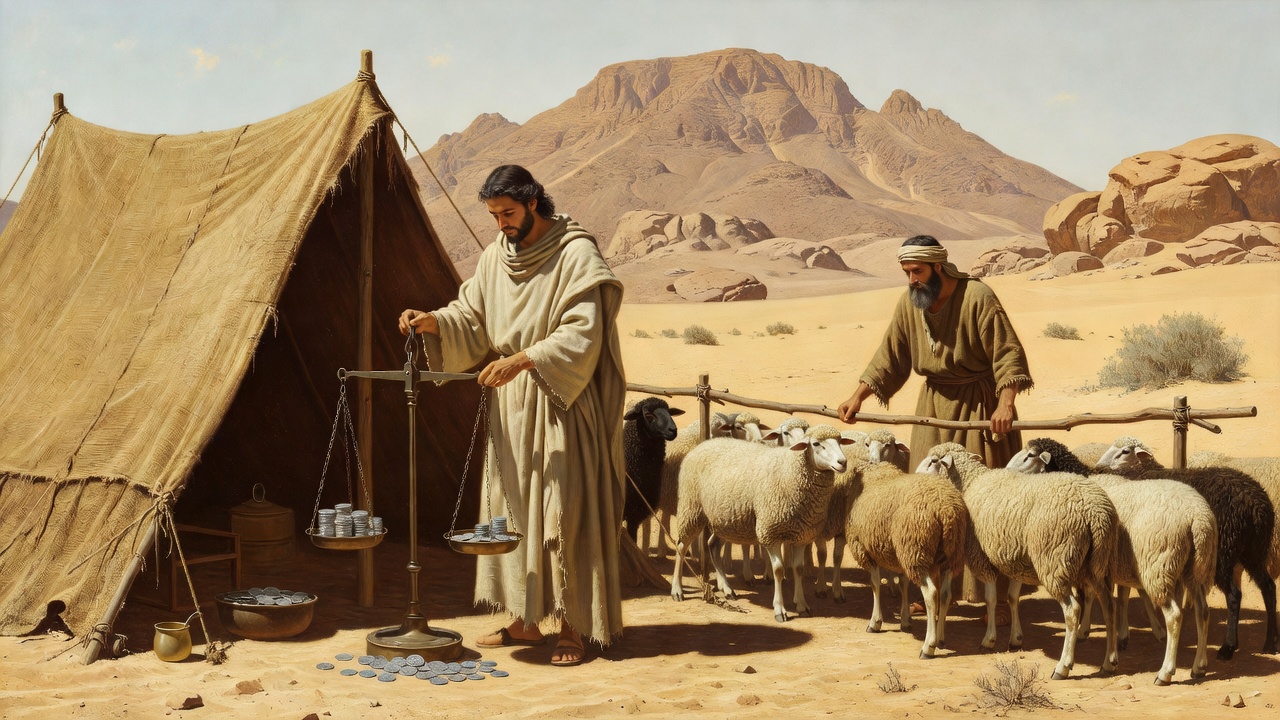
- When Israelites consecrated houses, land, unclean animals, or agricultural tithes to God, they could often redeem them by paying the assessed value plus an additional one-fifth of that price.Sources: the Bible text itself
- Dedicated persons were assigned standard monetary values based on age and sex, calculated using the sanctuary shekel, which was equal to twenty gerahs. If a person making the vow was too poor to pay the fixed amount, the priest set an adjusted price according to their means.Sources: the Bible text itself
- The book of Leviticus concludes by stating that these laws were given to Moses on Mount Sinai, where the Israelites stayed encamped for about a year after the Exodus.Sources: the Bible text itself · Mount Sinai
Notes written with AI assistance from open sources (Theographic Bible Metadata, CC BY-SA 4.0; Easton’s Bible Dictionary, public domain) and reviewed before publishing.
Credits and license for this translation
Tupàn ze'eg
Bible without Deuterocanon in Guajajára (BR:gub:Guajajára)
copyright © 2007 Wycliffe Bible Translators, Inc.
Language: Guajajára
Translation by: Wycliffe Bible Translators, Inc.
Guajajára [gub], Brazil
Copyright Information
© 2007, Wycliffe Bible Translators, Inc. All rights reserved.
This translation text is made available to you under the
terms of the Creative Commons License: Attribution-Noncommercial-No Derivative Works.
( http://creativecommons.org/licenses/by-nc-nd/3.0/ )
In addition, you have permission to port the text to different file formats, as long as you
do not change any of the text or punctuation of the Bible.
You may share, copy, distribute, transmit, and extract portions
or quotations from this work, provided that you include the above copyright
information:
You must give Attribution to the work.
You do not sell this work for a profit.
You do not make any derivative works that change any of the actual words or punctuation of the Scriptures.
Permissions beyond the scope of this license may be
available if you contact
us with your request.
Printed book ISBN 9788531109713
The Bible without Deuterocanon
in Guajajára
© 2007, Wycliffe Bible Translators, Inc. All rights reserved.
This translation is made available to you under the terms of the
Creative Commons Attribution-Noncommercial-No Derivatives license 4.0.
You may share and redistribute this Bible translation or extracts from it in any format, provided that:
You include the above copyright and source information.
You do not sell this work for a profit.
You do not change any of the words or punctuation of the Scriptures.
Pictures included with Scriptures and other documents on this site are licensed just for use with those Scriptures and documents.
For other uses, please contact the respective copyright owners.
2020-03-30
Source: http://ebible.org/gubBl/ · eBible.org